

When Can I Drink Alcohol After Tooth Extraction?
You got a tooth pulled, and now you're eyeing a drink like it's a side quest. The cautious answer is wait at least 72 hours after a simple extraction before drinking alcohol.
The question, "when can i drink alcohol after tooth extraction," has a few annoying but important plot twists. Wisdom tooth removal, surgery, bleeding, worsening pain, swelling, or prescription medicine can mean waiting longer, sometimes seven days or more. Your dentist's aftercare instructions always win.
Give the socket time to build its tiny healing fortress before happy hour shows up.
Key Takeaways
- Wait at least 72 hours before alcohol after a simple tooth extraction, unless your dentist says otherwise.
- Surgical extractions and wisdom tooth removal can require a week or longer without alcohol.
- Do not drink if you still have bleeding, worsening pain, swelling, or an open-feeling socket.
- Alcohol can clash with prescription pain medicine, sedatives, acetaminophen, and some antibiotics.
- Call your dentist for severe pain, fever, pus, persistent bleeding, or trouble swallowing or breathing.
When can I drink alcohol after tooth extraction?
Some aftercare instructions list 24 hours as the bare minimum. In real-life recovery mode, 48 to 72 hours is more cautious for many simple extractions. If you want one easy rule, wait 72 hours unless your dentist gave you a different timeline.
That clock isn't the only thing that matters. Keep waiting if the socket is bleeding, your pain is getting worse, swelling is building, or the hole still feels exposed and angry. A calendar cannot outvote a healing problem.
Why the first 72 hours matter for your healing
After the tooth comes out, a blood clot forms in the socket. It protects the bone and nerve endings while fresh tissue starts filling in. Think of it as the temporary patch holding the server together.
Alcohol may irritate the tissue, dry your mouth, and raise bleeding concerns. It can also make you less careful around the socket, which is not ideal when the clot is still fragile. If the clot comes loose or dissolves early, dry socket can happen. Mayo Clinic's dry socket overview explains that the condition develops when the clot fails to form, falls out, or dissolves before healing finishes.
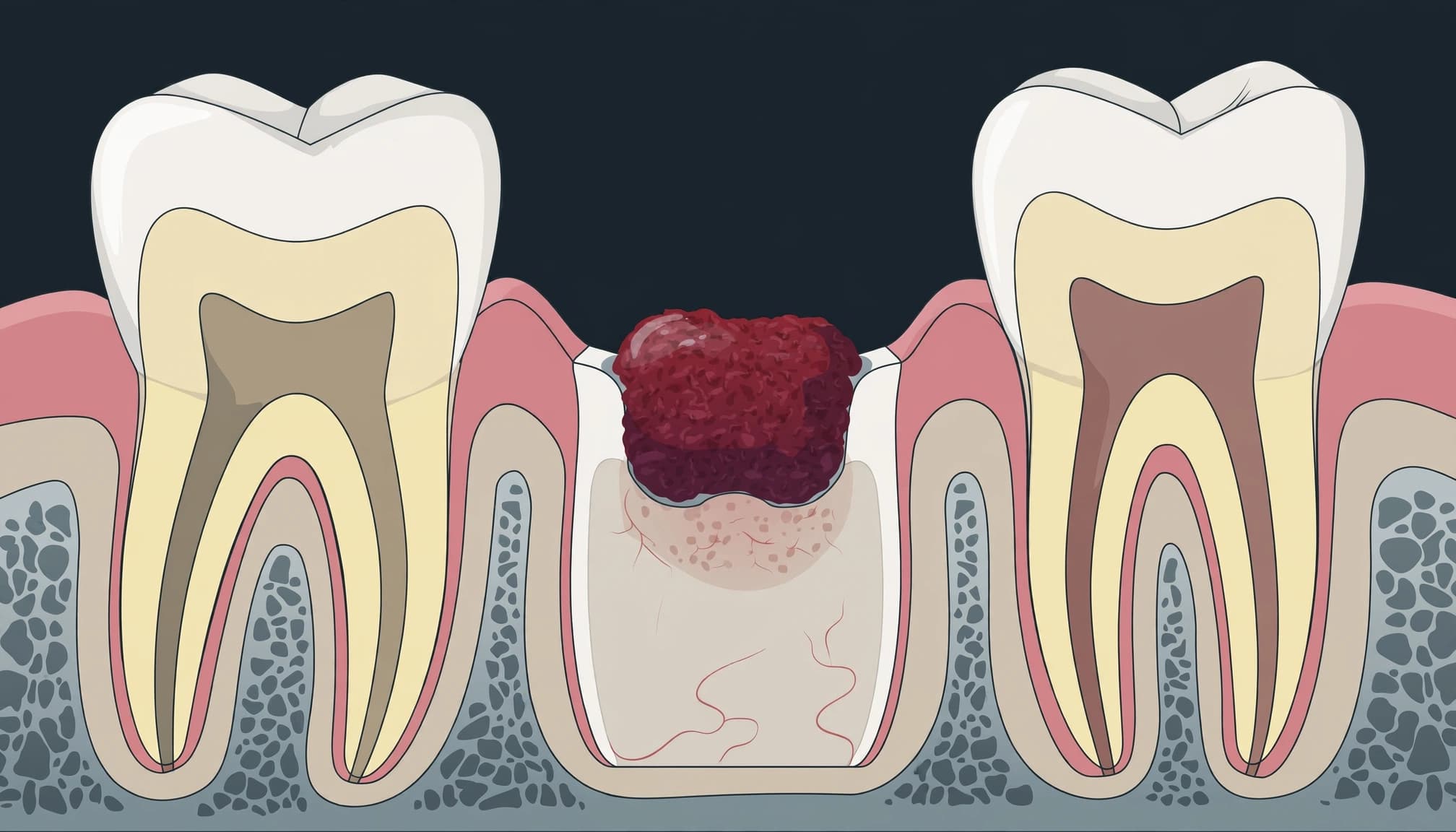
Waiting 72 hours doesn't create an invincibility shield. It gives the clot more time to settle during the riskiest early stretch.
Simple extraction versus wisdom tooth or surgical removal
A straightforward extraction with no stitches or bone work may settle down within several days. Wisdom teeth, impacted teeth, surgical removal, stitches, or bone work are a different boss fight.
These procedures can leave a larger wound and more swelling. Your oral surgeon may tell you to avoid alcohol for about seven days or longer, especially if you're still oozing, sore, or taking medicine. Follow that instruction exactly, even if your group chat has plans.
What can happen if you drink too soon?
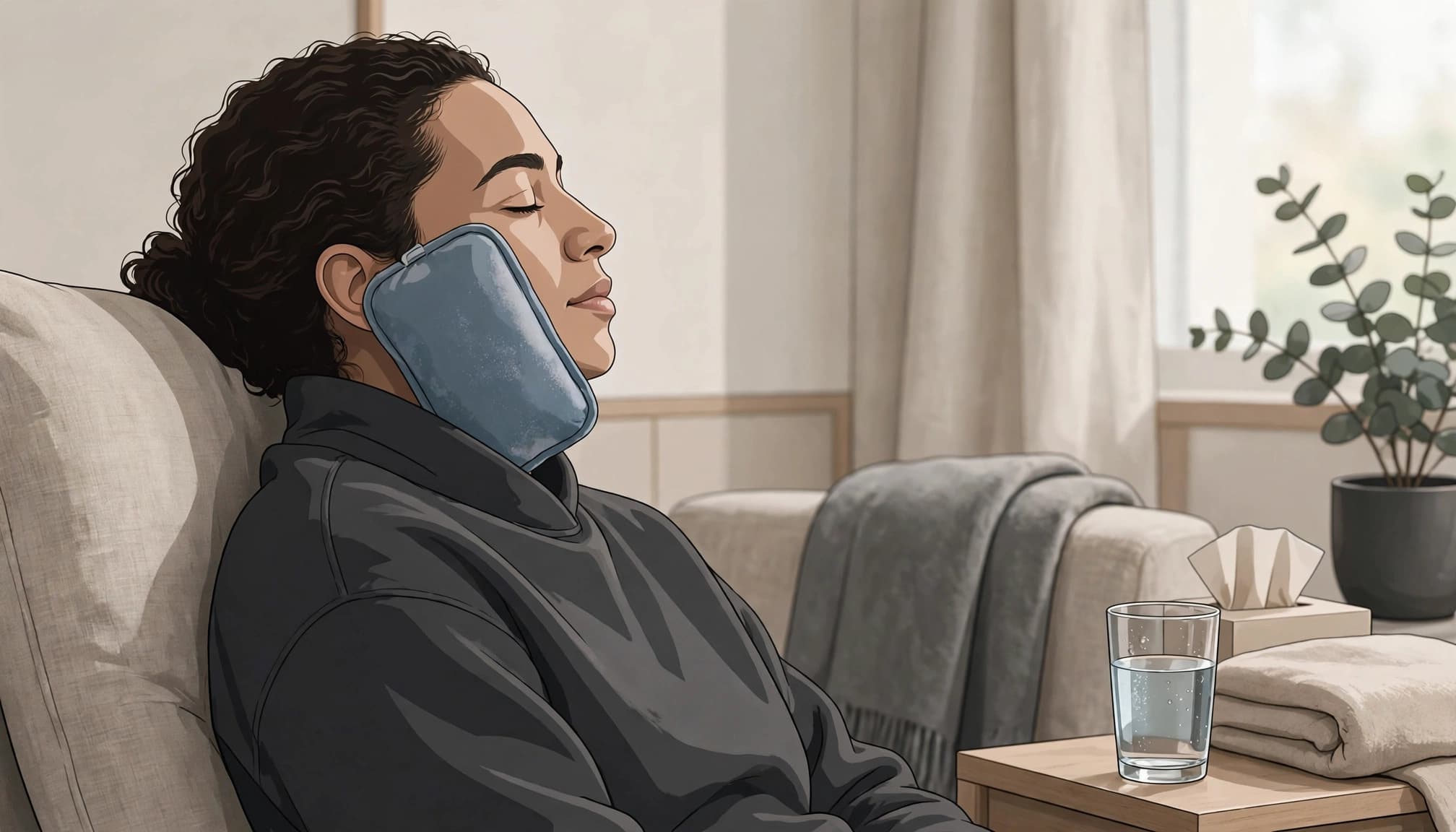
One drink does not guarantee disaster. Still, drinking too early can make recovery messier than it needs to be. You may notice renewed bleeding, throbbing, irritation, more swelling, or slower progress.
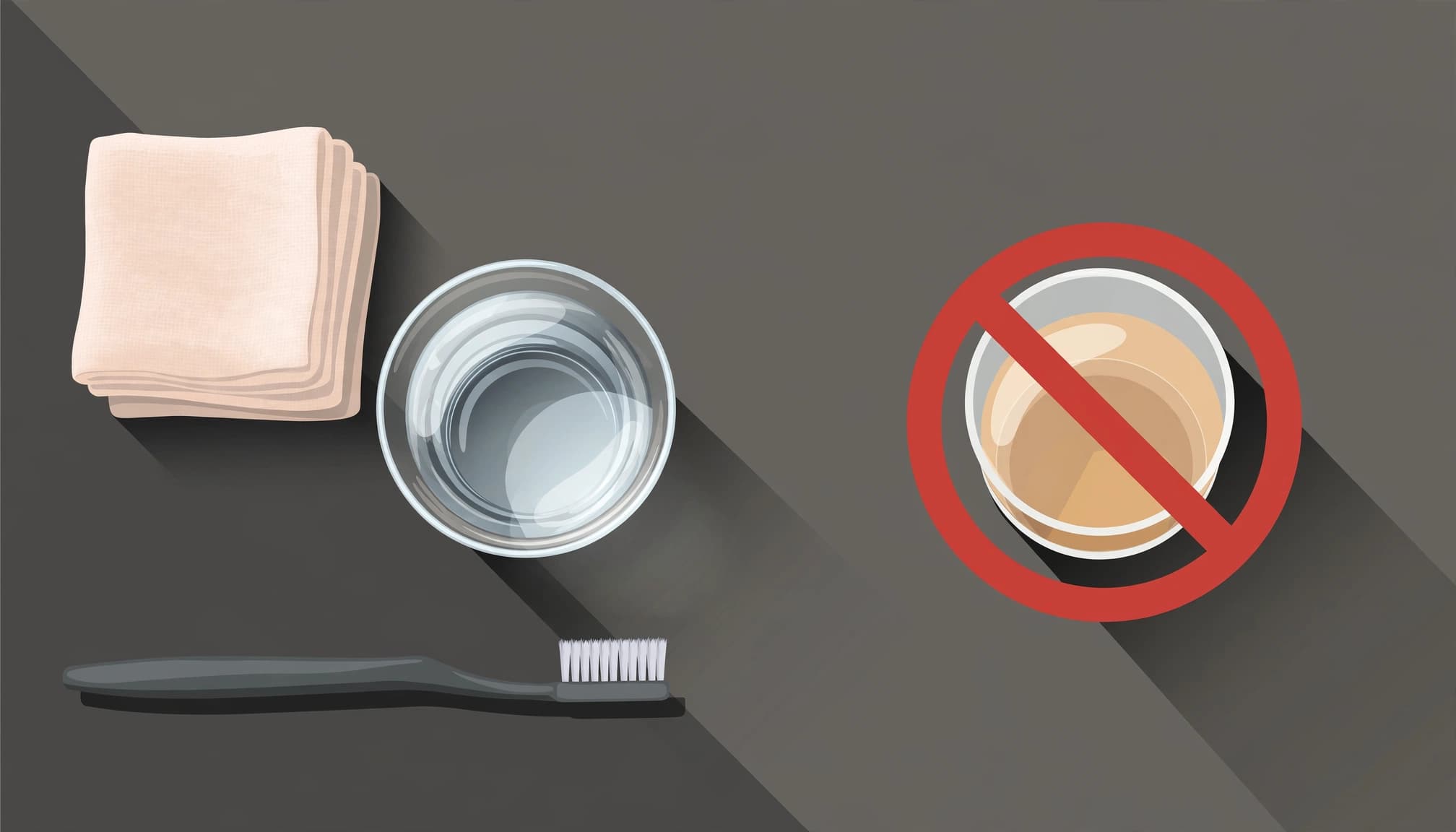
Alcohol isn't the only dry socket villain. Smoking, vaping, using straws, forceful rinsing, and poking the socket with a finger or tongue can also dislodge the clot. Your mouth doesn't need extra chaos right now.
Dry socket symptoms to watch for after extraction
Dry socket pain often gets worse instead of better, commonly around days three through six after an extraction. Pain can spread toward your ear, temple, or jaw. You may also notice a bad taste, unpleasant smell, or a socket that looks empty.
A socket that suddenly hurts harder after a few better days deserves a call, not a DIY fix.
Severe or increasing pain that isn't helped by your recommended medicine should be checked by a dentist. Guy's and St Thomas' dental surgery guidance notes that dry socket can be treated with careful cleaning and an antiseptic dressing.
When bleeding, swelling, or pain means you should call your dentist
Call your dental office promptly if firm gauze pressure does not stop bleeding, swelling is worsening, or pain is severe. Fever, pus, a foul taste with swelling, or symptoms returning after improvement also deserve attention.
Do not use alcohol as a home treatment. It won't clean an extraction site or fix an infection. If you have trouble breathing or swallowing, seek emergency care right away. That is not a "wait and see" side quest.
Alcohol can interact with your pain medicine and antibiotics
The safest call is no alcohol while you're taking prescription pain medicine, sedatives, or antibiotics, unless your dentist, doctor, or pharmacist says it's safe.
Opioid pain medicines, including codeine, can cause drowsiness and slowed reactions. Alcohol can stack onto those effects and impair judgment. Acetaminophen also needs care because heavy alcohol use can raise liver-risk concerns. Don't improvise your medication rules.
Metronidazole, also called Flagyl, should not be mixed with alcohol during treatment. Follow the time listed by your prescriber after the final dose, often 48 to 72 hours.

What to drink while your mouth is healing
Cool or room-temperature water is the low-drama choice. You can also have nonalcoholic drinks your dental team approves, as long as they don't sting the wound.
Skip very hot drinks, highly acidic drinks, fizzy drinks, and heavy caffeine if they make the socket throb or feel irritated. Also avoid straws for the period your dentist recommends, often about a week. Suction can disturb the clot, and your mouth has suffered enough plot twists.
Ask about medicine before you pour anything
Read every medicine label, even if you only took one tablet. Your pharmacist can confirm alcohol warnings fast, and your dental office can explain whether the extraction itself needs a longer recovery window.
If written aftercare instructions feel vague, call and ask. One quick question is less annoying than trying to decode pain at 2 a.m.
How to return to alcohol safely after your extraction
When can I drink alcohol after tooth extraction without rolling dice on your recovery? Wait until the minimum period has passed, bleeding has stopped, pain and swelling are clearly improving, and the socket is not being treated for a complication.
You should also be off medicines that conflict with alcohol. If all of that checks out, start with a small amount, drink water too, and avoid hard, spicy foods that may irritate the area. Stop if the site begins throbbing or bleeding.

A practical timeline you can use
- First 24 hours: Rest, use gauze as instructed, and avoid alcohol completely. The clot is brand-new and easily disturbed.
- Days two and three: Keep alcohol off the menu. Swelling and soreness can still be active, even if you feel mostly okay.
- Days four through seven: A simple extraction may be improving well, but surgical sites and wisdom teeth often still need more time.
- After one week: You may be ready if healing is smooth and no medicine warning applies. Your dentist's instructions still override the calendar.
Questions to ask before you have your first drink
Was your extraction simple or surgical? Is the socket still sore, bleeding, swollen, or visibly open? Do you have stitches, an infection, or an upcoming follow-up appointment?
Check every current medicine for an alcohol warning. If you can't answer those questions with confidence, pause the drink and call your dental office.
Frequently Asked Questions
Can I drink beer or wine sooner than liquor after an extraction?
No. Beer, wine, cocktails, and liquor all contain alcohol, so the healing and medication concerns still apply. The issue is not whether the drink feels light or fancy.
Can I drink alcohol if I had only local anesthesia?
Local anesthesia wearing off does not mean the extraction site is ready for alcohol. The blood clot and gum tissue still need time to heal. If you received sedation too, follow the dentist's instructions even more closely.
Can I use alcohol-based mouthwash after an extraction?
Avoid alcohol-based mouthwash unless your dentist tells you to use it. It can sting and irritate healing tissue. Gentle salt-water rinses may be recommended after the first 24 hours, but use your dentist's exact directions.
Can I drink after tooth extraction if I have stitches?
Stitches do not automatically mean alcohol is safe or unsafe. They often mean the procedure needed more repair, so your surgeon may want a longer alcohol break. Ask before drinking, especially if swelling or pain is still active.
What if I already drank alcohol too soon?
Don't panic, but stop drinking and switch to water. Follow your aftercare plan and watch for bleeding, worsening pain, or swelling. If symptoms show up or intensify, contact your dentist for advice.
For suspected dry socket, Mayo Clinic's treatment guidance recommends dental care rather than trying to manage severe pain on your own.
Give Your Mouth the Boring Win
After a simple extraction, waiting at least 72 hours before alcohol is the cautious general move. Wisdom tooth removal, surgery, ongoing symptoms, and medication interactions can push that wait to seven days or longer.
Your dentist's instructions beat internet timelines every time. Keep alcohol out of the picture while medicines may interact with it, and get help for worsening pain, bleeding, swelling, fever, or breathing and swallowing problems. A boring recovery is a successful recovery.