

Are Cavapoo Puppies Hypoallergenic? What to Know
TrendReactTees.STORE TeamNo Cavapoo puppy is guaranteed hypoallergenic, even if it sheds less than some dogs. If you're asking, are Cavapoo puppies hypoallergenic, the practical answer is that no breed is reliably allergen-free, and lower shedding doesn't make a dog allergy-safe.
Dog-person style is its own side quest: our My Therapist Is A Dog Tee and Best Dog Mom Tee are for the human, not an allergy strategy.
This post may contain affiliate links. If you make a purchase through these links, I may earn a small commission at no extra cost to you.
Here's the evidence-based version: coat type can affect loose hair around your home, but it can't promise you won't react. Your symptoms, the specific dog, and your household plan all matter.
Key Takeaways
- Cavapoos are not guaranteed hypoallergenic, and low shedding doesn't mean allergen-free.
- Dog allergens come mainly from dander and saliva; fur can carry allergen-containing material and outdoor particles.
- Coat texture and F1, F1B, or F2 labels describe possibilities, not allergy outcomes.
- Spend time with the individual puppy when possible, and ask an allergist about your symptoms and risk.
- Home controls can lower exposure, but they can't remove every allergen.
Are Cavapoo Puppies Hypoallergenic? Here's the Honest Answer
No. A Cavapoo may inherit a Poodle-like coat that sheds less, but that doesn't prove the puppy produces fewer allergens or prevent allergy symptoms. People can also react differently to different dogs, so one person's experience isn't a reliable forecast for yours.
The American Academy of Allergy, Asthma & Immunology (AAAAI) and the American College of Allergy, Asthma & Immunology (ACAAI) offer general guidance on pet allergies. Neither makes a Cavapoo-specific promise, and neither breed reputation nor a curly coat makes a dog reliably allergen-free.
What causes dog allergy symptoms?
People with dog allergies react to proteins, mainly in dander and saliva. Allergen material can also be present in urine. Fur can carry that material around the home, along with pollen and mold picked up outside. That means a dog can spread allergens without leaving much loose hair behind.
Common symptoms include sneezing, congestion, itchy or watery eyes, and skin reactions. Dog allergens can also aggravate asthma. For more on the sources and symptoms, see the AAFA's guide to dog and cat allergies. Seek medical care for concerning breathing problems.

Why low shedding is not the same as allergy-safe
Shedding tells you how much loose hair you may find on the sofa. It doesn't establish how much allergen a dog produces. A lower-shedding puppy can still release allergen-containing dander and saliva into your home.
Be wary of claims that a particular Cavapoo coat, breeder, or generation prevents allergic reactions. That's a health promise the coat can't make.
How Cavapoo Coats and Generations Affect Shedding
Cavapoos are Cavalier King Charles Spaniel and Poodle crosses. Their coats can vary in texture, length, and shedding, even among puppies with similar parentage. You might see a curlier coat, a soft wave, or a straighter look. Those differences affect grooming and loose hair, not whether someone in your home will react.
A Poodle-like coat may leave less hair around the house, but allergen proteins don't disappear with the loose fur. A puppy's coat can also change as it matures, so an early look isn't a lifetime forecast.
Curly, wavy, and straighter coats can need different care
A curlier coat may release less loose hair into your home, but it can tangle and mat without regular brushing. Longer or wavier coats also need checks for knots, especially around the ears and other areas where hair rubs together. A qualified groomer can help set a routine that suits the dog's coat.
Coat care is its own commitment, separate from allergy control. For another example of how coat texture changes routine maintenance, see our Jack Russell Terrier coat types and care guide.

F1, F1B, and F2 labels do not predict allergy safety
These labels describe ancestry. F1 usually means a first-generation Cavalier-Poodle cross. F1B usually means an F1 Cavapoo crossed back to a Poodle. F2 usually means two F1 Cavapoos crossed with each other.
An F1B may be more likely to inherit a Poodle-like coat, but that's a possibility about coat traits, not a medical guarantee. A generation label can't tell you how much allergen a puppy will produce or how your body will respond.
How to Find Out Whether You React to a Specific Cavapoo
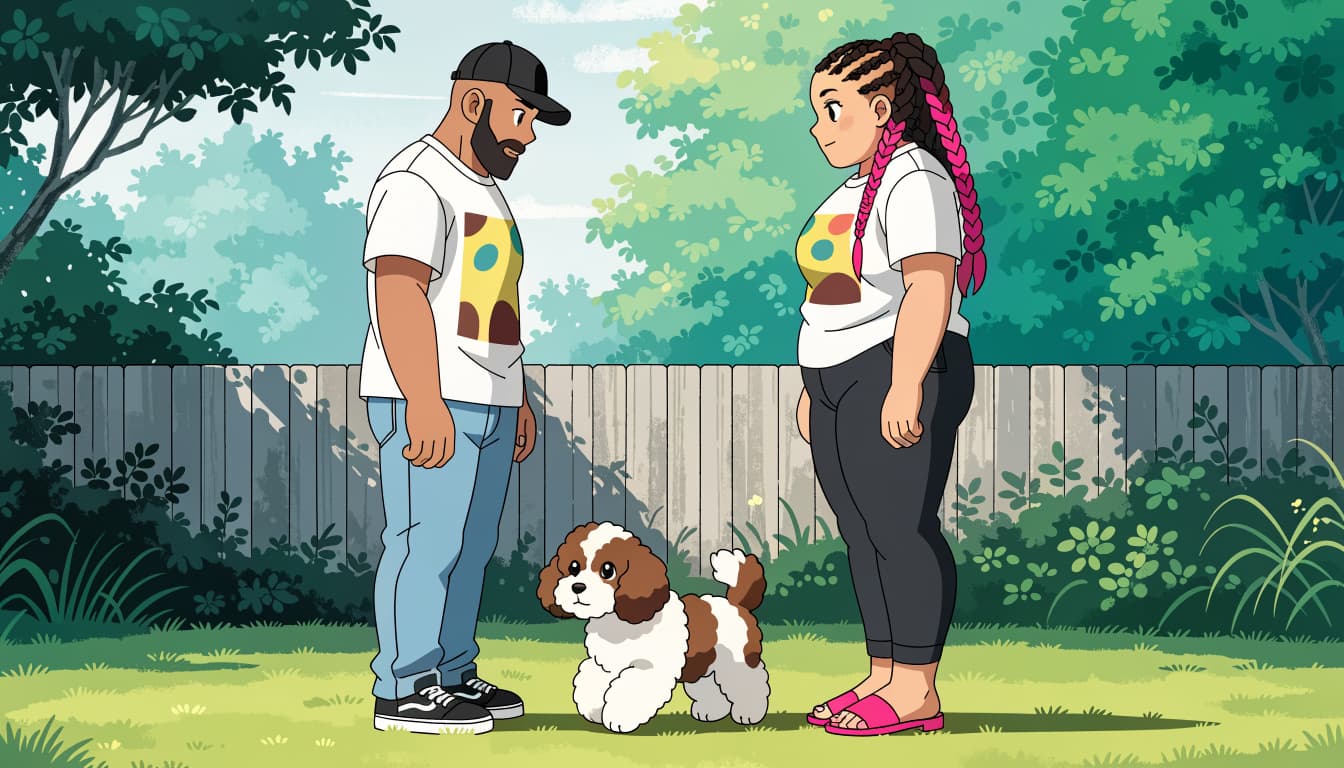
A breeder's claim, a generation label, or one quick visit can't guarantee long-term tolerance. If possible, arrange more than one meaningful visit with the specific puppy you're considering. Notice how you feel during the visit and afterward, and remember that a short exposure still can't predict every future reaction.
If you have asthma or significant symptoms around dogs, speak with an allergist before you commit. The goal is to understand your personal risk, not to get a magic pass stamped "puppy approved."
Plan repeated visits, but do not treat them as a guarantee
Spend enough time around the individual dog to notice whether symptoms appear. If your reactions tend to show up after you leave, keep that timing in mind too. One puppy may affect you differently from another, but even a comfortable visit doesn't prove you'll tolerate living together.
Ask whether you can meet the puppy more than once and spend time in the sort of setting where you'd normally interact. Don't treat a brief greeting as a long-term test.
Ask an allergist about testing and your health history
An allergist can review your symptoms and exposure history, then discuss whether testing makes sense. Skin-prick testing and blood tests for allergen-specific IgE are among the approaches used to assess allergies. Learn more about AAAAI allergy testing.
Testing doesn't promise you'll tolerate a particular puppy. Your allergist can interpret results in context and help you consider exposure and symptom management.
Ways to Reduce Dog Allergens at Home
Home controls may reduce exposure, but no cleaning routine makes a home guaranteed allergen-free. These steps can complement advice from your clinician; they don't replace it. The AAAAI recommends practical measures such as keeping pets out of bedrooms and using filtration to reduce indoor allergen exposure.
Set up lower-allergen spaces and clean often
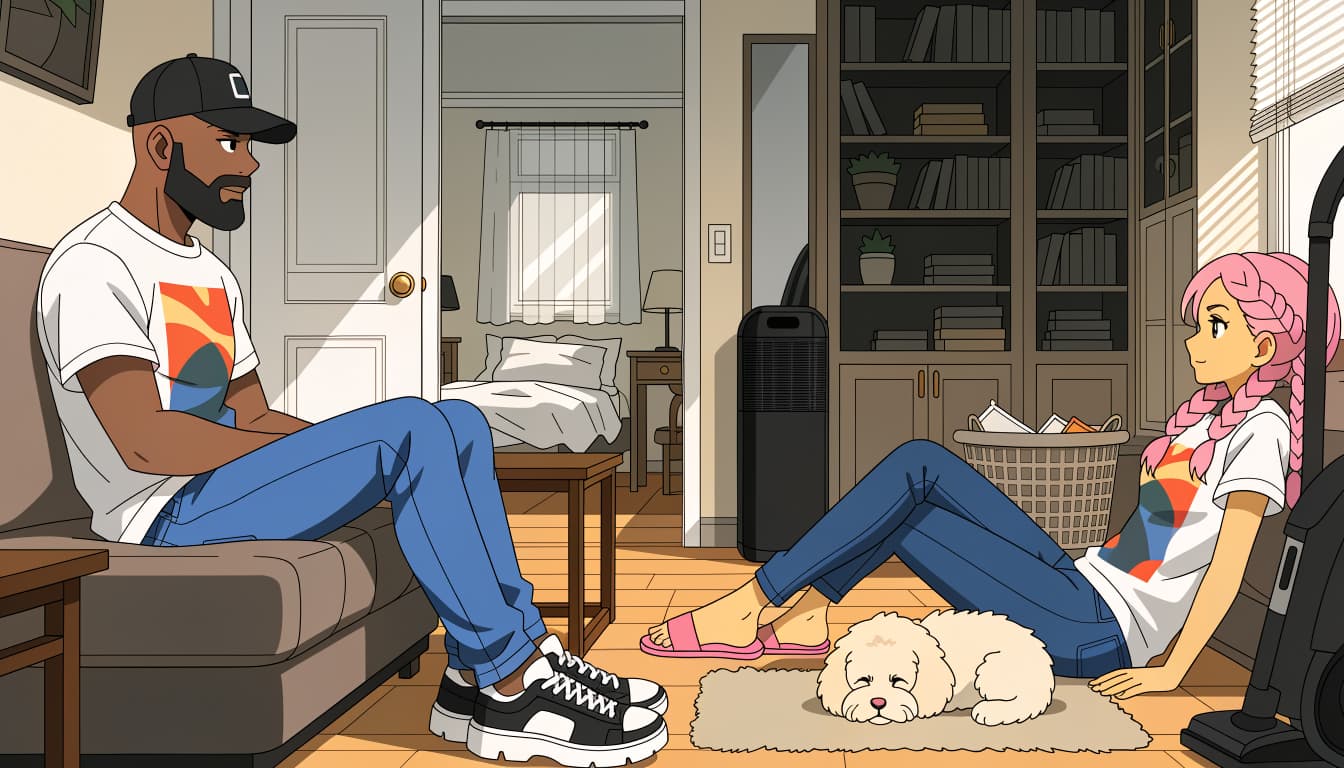
Keep the puppy out of the allergic person's bedroom. A HEPA air cleaner and a vacuum with a HEPA filter may help reduce material circulating or settling indoors. Clean surfaces regularly, and consider reducing carpets or upholstered furniture if that's practical for your home.
These are exposure controls, not a force field. The AAAAI guide to managing indoor allergens offers more on reducing allergens inside.
Make grooming and handling part of the plan
Wash your hands after handling the puppy, and limit face-to-face contact if that triggers symptoms. Where possible, ask someone without allergies to brush and bathe the dog. Follow a veterinarian's or qualified groomer's advice about coat care, especially if the puppy has a curlier coat that tangles easily.
Grooming can remove loose hair and debris. It doesn't eliminate allergen proteins, so don't count on a bath as the household allergy plan.
Choose a Cavapoo for the Dog You'll Meet, Not an Allergy Promise
"Hypoallergenic" marketing isn't a health certification. Coat and generation labels also don't tell you whether a puppy's parents were screened for inherited conditions. Ask for veterinary records and documented health-testing results for the parents, then consider the dog's broader needs, including grooming, behavior, and daily care.
Keep that health assessment separate from allergy planning. A puppy can have a coat you like and still trigger symptoms. The right decision needs to account for both the individual dog and your household's ability to manage exposure.
Know when a Cavapoo may not be the right choice
If you or someone at home has asthma or strong reactions around dogs, take extra care before bringing a puppy home. Discuss the risk with an allergist first, especially if dog exposure has caused wheezing or breathing trouble. Don't minimize severe symptoms because the puppy is small or sheds little.
There's no universal yes-or-no answer that fits every household. Your clinician can help you weigh your history and the likely exposure.
Make a plan for symptoms before the puppy comes home
Talk with an allergist about exposure controls and possible treatment options before making a commitment. Think through who will handle grooming, where the dog will sleep, and what you'll do if symptoms appear. Those practical details are easier to plan before the puppy arrives than during a late-night sneeze marathon.
Your dog's needs matter, and so does your household's ability to manage exposure. A responsible decision makes room for both.
Streetwear & Casual Styling
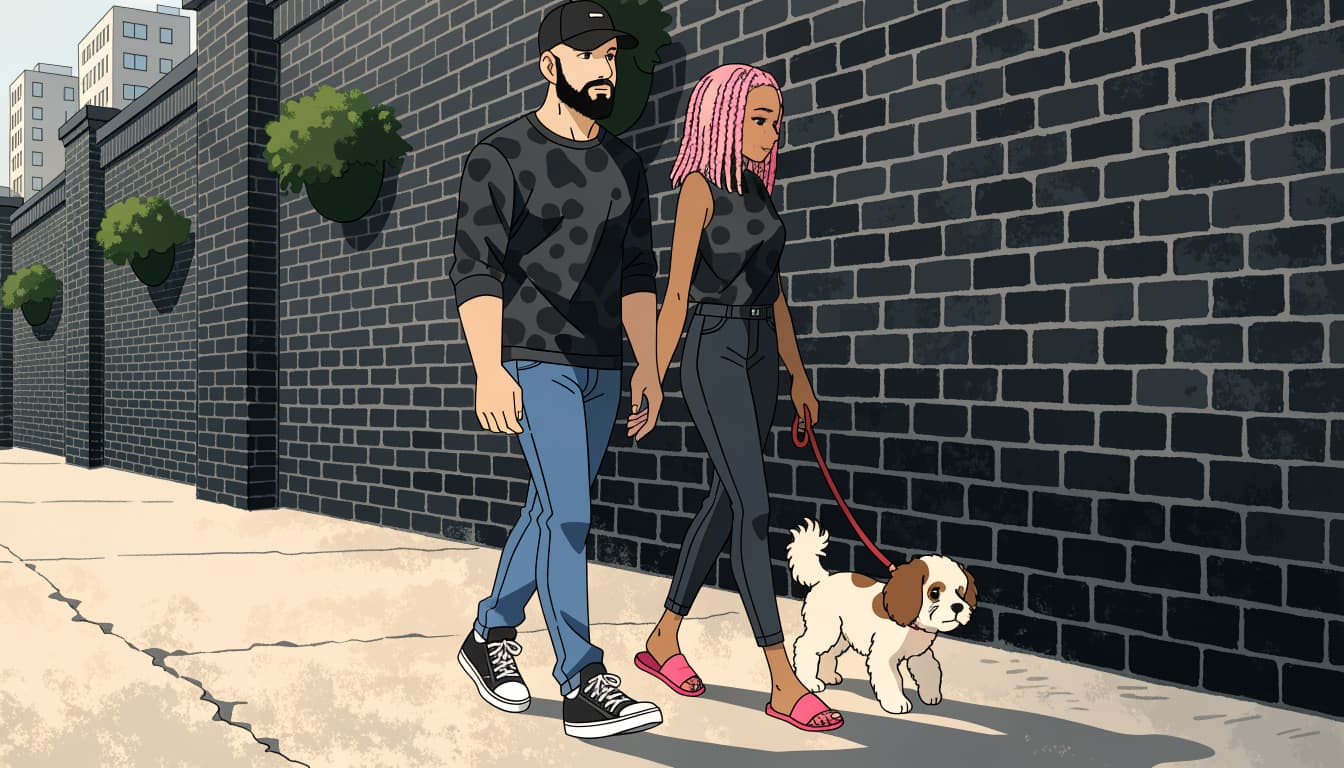
Clothes don't prevent or treat dog allergies. For walks and daily errands, keep the outfit comfortable: a Cyber-Brutalist Anime Graphic Tee with relaxed cargos or dark-wash denim and shoes you can actually walk in. A light layer works when the weather turns, while the leash and sensible dog-walking gear handle their own job.
Our If They Could Use Internet We'd Be In Trouble Tee and Dog Eats Custom Kibble Living On Ramen Tee bring the dog-person humor. The tee handles the visual noise; your allergy plan stays a separate mission.
Frequently Asked Questions
Can a Cavapoo still trigger allergies if it barely sheds?
Yes. Shedding affects loose hair, not whether a dog has allergen proteins. Allergens can come from dander and saliva, so a low-shedding Cavapoo may still trigger symptoms.
Are F1B Cavapoos better for people with allergies?
An F1B Cavapoo may be more likely to inherit a Poodle-like coat, but the label can't predict allergen levels. It doesn't guarantee fewer symptoms or an allergy-safe match.
Can bathing a Cavapoo stop allergy symptoms?
Bathing may temporarily remove some loose material, but it won't make a dog allergen-free. Ask a veterinarian about safe bathing and grooming for your puppy's coat and skin.
Should you get a Cavapoo if you have asthma?
Talk with an allergist before bringing one home, especially if dog exposure has caused breathing symptoms. Your health history and the specific dog matter, so don't rely on a breed label for the decision.
Make the Decision With Your Allergies in Mind
Cavapoos aren't guaranteed hypoallergenic, and a low-shedding coat isn't a promise of allergy safety. The most useful next step is to discuss your symptoms with an allergist and spend time with the specific puppy when possible.
If you decide to move forward, plan realistic home controls before the dog arrives. A cute coat can win the first impression, but your health and the puppy's long-term needs deserve a vote too.