

Are Yak Chews Safe for Puppies? What to Know
TrendReactTees.STORE TeamThis post may contain affiliate links. If you make a purchase through these links, I may earn a small commission at no extra cost to you.
Standard hard yak chews may not be a good choice for a teething puppy. They can damage developing teeth, and a worn-down piece can become a choking hazard.
Your puppy's age alone doesn't make a chew safe. Their teeth, chewing style, and the size of the chew all matter.
And yes, puppy parenthood can take over your whole personality. Our My Therapist Is A Dog Tee and Dog Eats Custom Kibble Tee understand the assignment. Before you hand over a chew, here's how to judge the risks.
Key Takeaways
- Standard yak-cheese bars are dense and may be too hard for puppies with baby teeth or those who are teething.
- Adult teeth often come in around six months, but age alone doesn't make a chew safe.
- Match any chew to your puppy's size and chewing behavior, supervise each session, and remove swallowable pieces.
- Flexible puppy-designated rubber toys are worth considering when a hard bar isn't appropriate.
- Choking, breathing trouble, or swallowing a large piece calls for urgent veterinary help.
Are yak chews safe for puppies? It depends on their teeth and chewing style
A standard yak chew isn't the best default for a puppy with baby teeth or one who's actively teething. The bar's hardness matters, even when your puppy seems determined to chew everything in your home.
A cautious rule of thumb is to wait until your puppy's adult teeth have come in. That often happens around six months, though the timing varies. Ask your veterinarian whether your individual puppy is ready before offering a hard chew.
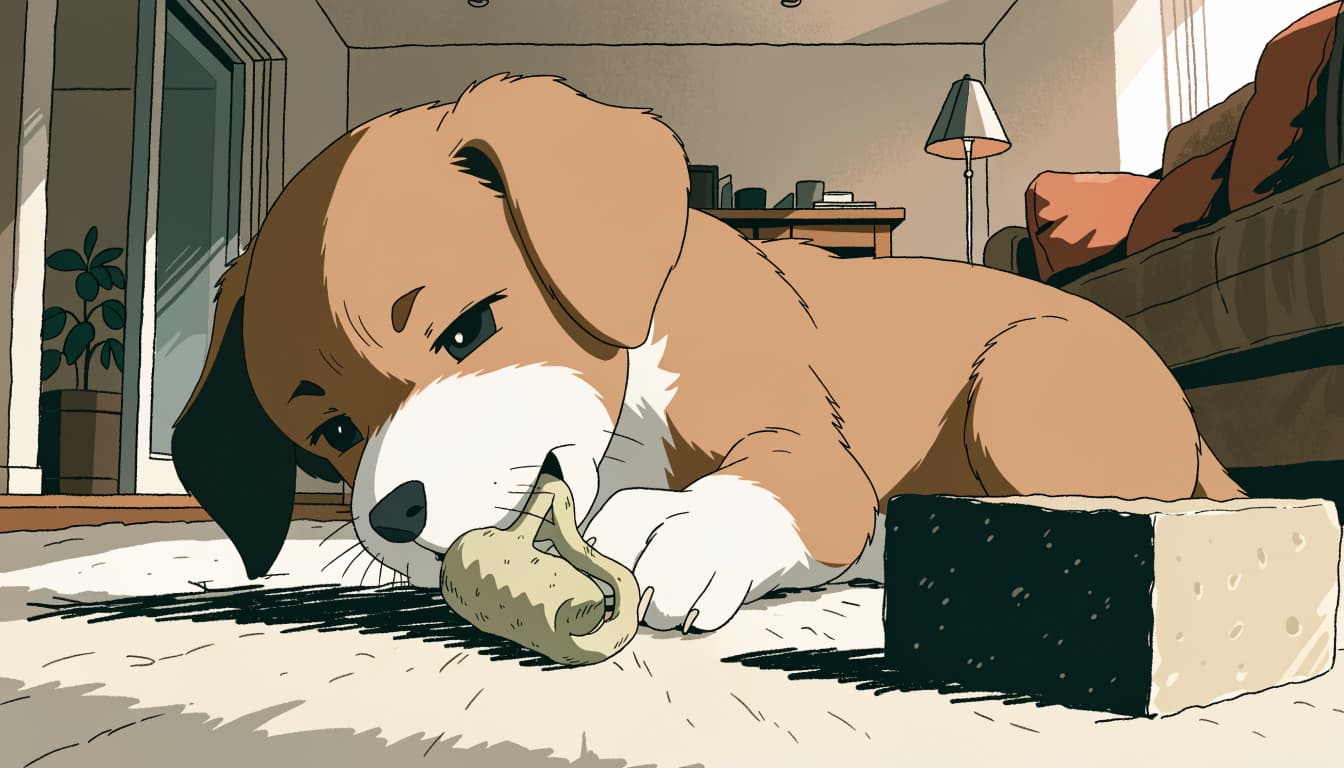
A softer product marketed for younger dogs may feel different from a standard bar, but the label isn't a universal safety pass. Follow that product's age and feeding directions, and ask your vet if you're unsure about the fit.
This video offers ideas for puppy teething toys and what to consider when choosing one.
Why a hard chew can hurt developing teeth
A puppy who slowly gnaws or licks a chew puts different pressure on their teeth than one who bites down hard. Forceful biting on a dense bar can crack or break a tooth. Adult teeth aren't immune to that risk, either.
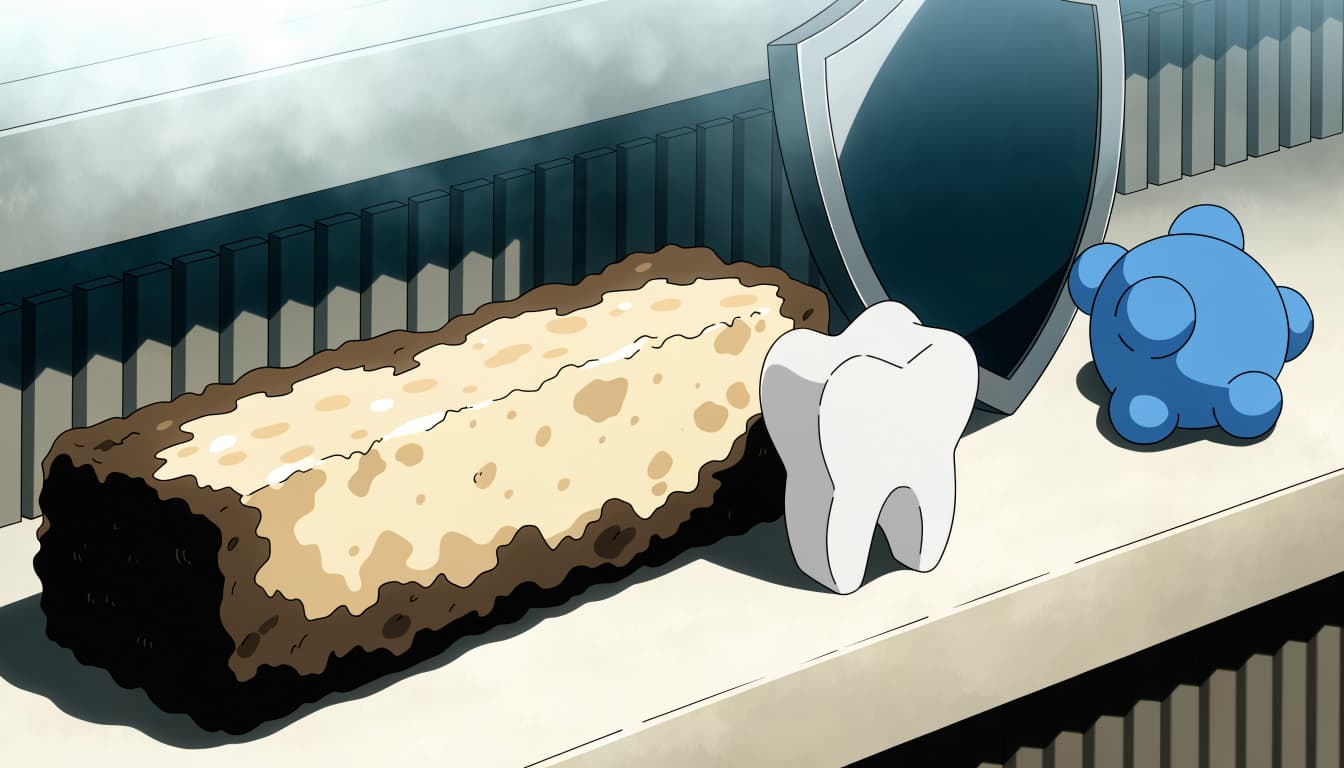
The fact that a chew is edible doesn't make it gentle on teeth. Preventive Vet's guide to chew dangers explains why hard items can be a problem for dogs' teeth.
How a worn-down chew can become a choking hazard
A bar that's too large to swallow at the start won't stay that size forever. As your puppy works on it, the remaining piece can become small enough to gulp.
A swallowed piece can cause choking or an intestinal blockage. That matters whether your puppy is a patient gnawer or a tiny speedrunner who tries to finish every treat in record time.
How to choose and supervise a yak chew more carefully
If your veterinarian agrees that a yak chew is worth considering, choose for the puppy in front of you. Then keep watching. Supervision reduces risk, but it can't prevent every problem.
Match the chew to your puppy, then keep checking its size
Consider your puppy's current size, bite strength, and habits. A puppy who takes slow bites needs a different level of caution than one who clamps down hard or tries to swallow pieces quickly.
Choose a chew your puppy can't swallow whole, and follow the product's size directions. Reassess it throughout the session as it gets smaller. There's no single measurement that works for every puppy and every chew.

Size isn't the only consideration. Vetstreet's guide to long-lasting dog chews discusses the trade-offs between durability and safety. A chew that lasts longer can also be harder on teeth.
Stay nearby and remove the chew when needed
Watch your puppy for the entire session. Take the chew away if they bite forcefully, seem uncomfortable, or reduce it to a piece they could swallow whole.
If your puppy knows a calm trade, offer an appropriate treat in exchange rather than turning removal into a chase. A chew session doesn't need a boss fight.
Put the chew away between sessions so you can inspect it before offering it again. Changes in its size, shape, or your puppy's behavior can change whether you want to keep using it. If you can't watch, choose another supervised activity instead.
What can your puppy chew instead of a hard yak bar?
For a teething puppy, start by considering a flexible toy designed for puppies. KONG Puppy toys are one example. Choose a size that suits your puppy's current mouth and body, and follow the product directions.
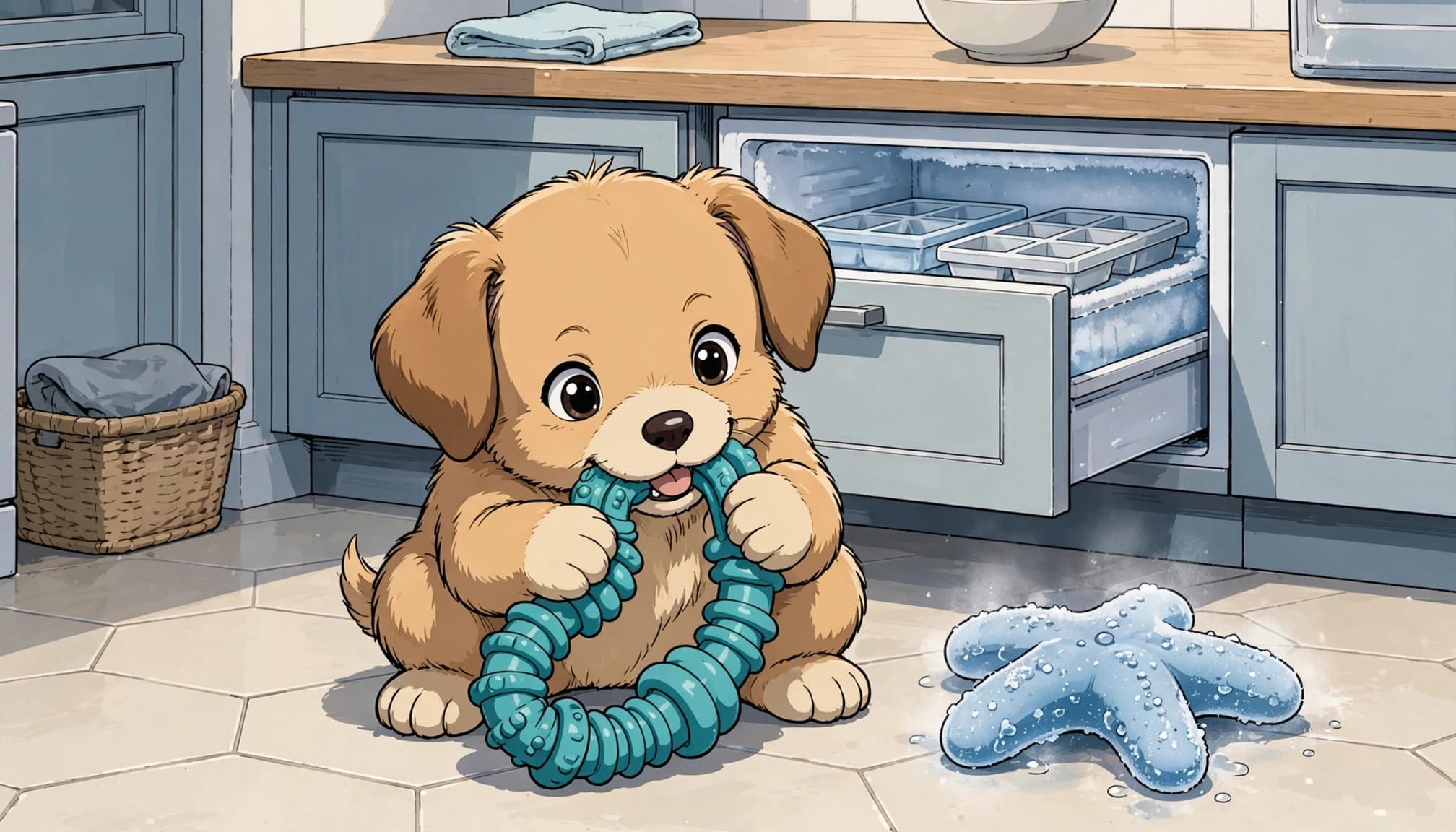
Some puppy toys can be chilled or stuffed when their directions allow it. If you add food, use something suitable for your puppy and count it toward their daily intake. Your veterinarian can help you choose a filling that works with your puppy's diet.
Flexible doesn't mean indestructible. Watch your puppy with the toy and inspect it for tears or loose pieces. Remove a damaged toy, especially if your puppy can pull off and swallow parts of it.
A dental chew is another product you might see in the puppy aisle, but don't assume every dental chew suits every puppy. Read its age and weight guidance, and ask your veterinarian about the right choice for your puppy's teeth and diet.
Also, chews don't replace regular tooth brushing. Build a dental routine with dog toothpaste and include teeth in your puppy's veterinary visits. Your puppy may have strong opinions about the toothbrush, but their snack negotiations aren't a dental-care plan.
Skip the idea that another rock-hard object is automatically an upgrade. Antlers, bones, hooves, hard nylon, and ice can also damage teeth. When in doubt, pick a puppy-appropriate option and talk it through with your vet.
When should you stop a chew session or call your veterinarian?
You don't need to diagnose your puppy to know when a chew session should end. If something looks wrong, remove the chew safely and contact your veterinarian for advice.

Signs that need veterinary advice
Stop the session if your puppy bites forcefully, seems uncomfortable, gags, has trouble swallowing, or appears to have damaged a tooth. Don't force their mouth open or keep offering the chew to see what happens.
Tell your veterinarian what you noticed, when it happened, and what your puppy was chewing. That information can help the veterinary team advise you on the next step.
When to seek urgent help
Treat choking, breathing trouble, repeated vomiting, severe distress, or suspected swallowing of a large piece as urgent. Contact a veterinarian or emergency veterinary clinic immediately.
If your puppy is struggling to breathe, don't wait to see whether the problem passes. Follow the veterinary team's instructions and get your puppy to care as directed.
Streetwear & Casual Styling
Once your puppy's chewing plan is sorted, your dog-parent uniform can be a little less serious. Pair our If They Could Use The Internet Tee with relaxed jeans and sneakers for a casual walk.
For a Cyber-Brutalist Anime Graphic Tee look, try the Scream At Void My Human Understands Tee with black jeans and an overshirt. Your puppy supplies the chaos. Your outfit can handle the rest.
Frequently Asked Questions
Can an 8-week-old puppy have a yak chew?
A standard hard yak bar isn't a good default for an eight-week-old puppy. Their baby teeth are still in, and a dense chew can be hard on them. Choose a flexible toy designed for puppies, and ask your veterinarian if you're unsure which size or material fits.
Is six months old always safe for a yak chew?
No. Six months is a rough guide for when adult teeth often come in, not a safety guarantee. Your puppy's teeth, bite strength, and tendency to gnaw or gulp all matter, so discuss readiness with your veterinarian.
Can your puppy swallow the softened end?
Remove any remaining piece that's small enough for your puppy to swallow whole. Softening doesn't eliminate the risk of choking or blockage. If you suspect your puppy swallowed a large piece, contact a veterinarian urgently.
Do yak chews count as part of your puppy's daily food?
Yes. Treats and edible chews contribute to your puppy's daily intake, even when they last for more than one session. Use the package's calorie and feeding information, and ask your veterinarian how the chew fits into your puppy's overall diet.
Choose for the Puppy You Have
A standard yak chew isn't the right fit for every puppy, especially one with baby teeth or a powerful bite. The number on your puppy's birthday calendar doesn't tell you the whole story.
Ask your veterinarian about readiness, supervise each session, and remove pieces that become small enough to swallow. When you're unsure, a flexible, age-appropriate toy gives you another option for your puppy's chewing needs.