

Artistic Graphic T-Shirts Meaning, Explained
You can show your humor, taste, fandom, values, or feral little creative point of view without saying one word. That's the whole magic trick. When you ask about artistic graphic t-shirts meaning, you're asking why a shirt can feel more personal than a plain basic tee with a random logo slapped on it.
A great graphic tee is wearable art, an identity signal, and a visual high-five for people who get the reference. Anime, gaming, internet chaos, bold typography, and gloriously imperfect hand-drawn art all have a place here.
Key Takeaways
- Artistic graphic tees turn illustration, type, texture, and references into a visible point of view.
- Their meaning changes with the wearer, the artwork, and the people who recognize it.
- Protest art, music scenes, anime, gaming, and memes all shaped today's graphic-shirt culture.
- Distressed visuals can feel human and intentional, but they shouldn't excuse bad printing.
- The right tee fits your wardrobe, feels comfortable, and still makes sense after the trend evaporates.
What Is the Artistic Graphic T-Shirts Meaning Behind the Print?
An artistic graphic T-shirt uses visuals to communicate something. That could be a mood, a joke, a memory, a belief, a fandom, or an image that simply looks sick. Illustration, typography, symbols, color, texture, and visual storytelling do the talking.
Think of it as a portable canvas with laundry requirements. A small ghost doodle can say "I prefer my social battery at 2%." A surreal cyber-anime scene can say you have opinions about dystopian machines and probably own too many screenshots. Neither interpretation is locked in stone.
A basic logo shirt usually promotes a brand, team, or event. An artistic tee has a stronger concept behind it, even if the design looks stripped back. It might use a strange visual metaphor, a cracked print, a single punchline, or a color combination that feels like a lost album cover.
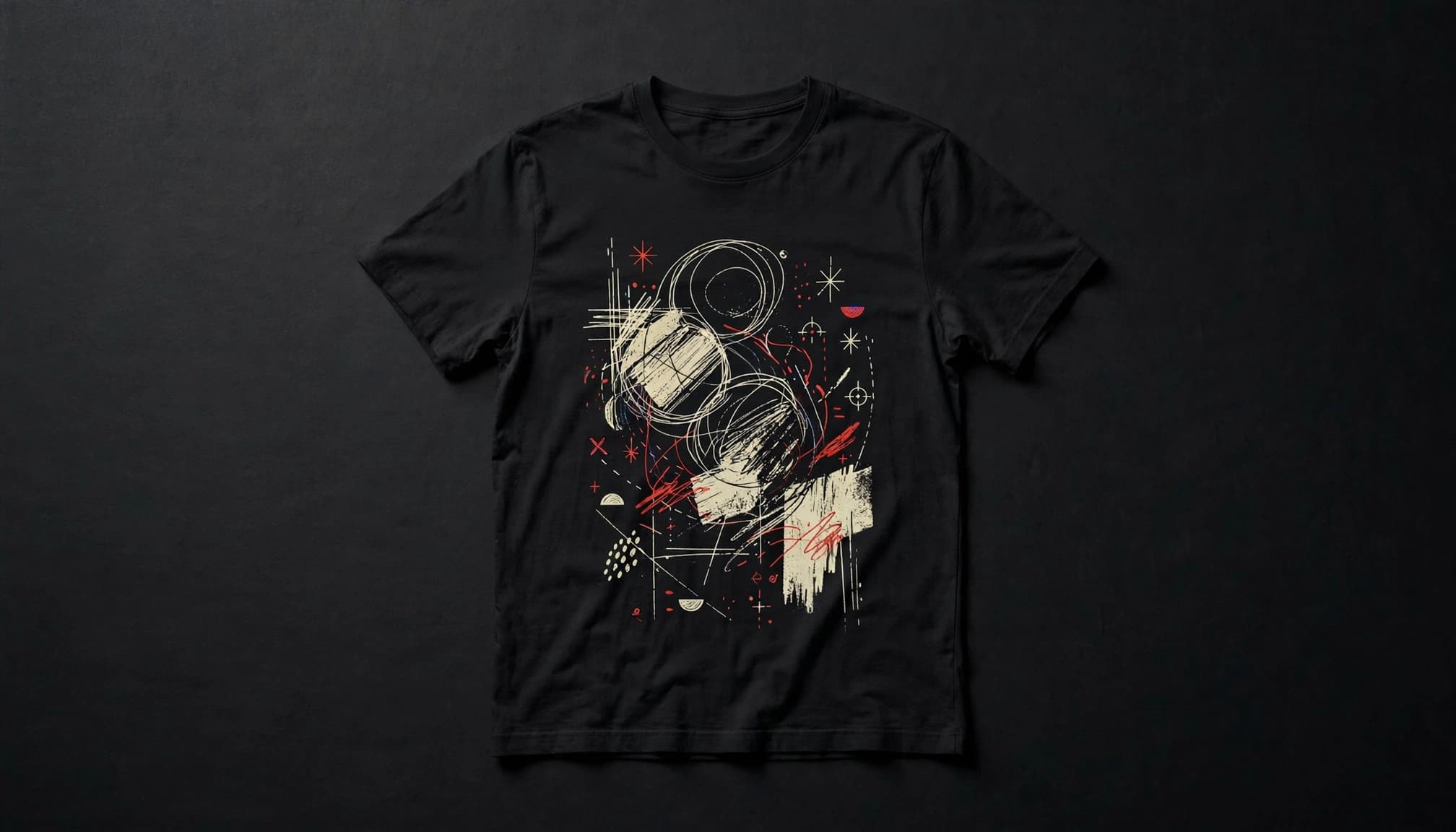
In 2026, hand-drawn lines, faded colors, distorted faces, and deliberately rough graphics often feel more honest than ultra-smooth visual sludge. That doesn't mean every wobbly line is art. It means a design can look human on purpose, which matters when your feed is packed with polished, identical-looking images.
A tee doesn't need one official meaning. The artwork starts the conversation, then you bring the lore.
How Graphic Tees Became Wearable Art and Cultural Expression
T-shirts began as practical underlayers, then became easy surfaces for promotions, events, and advertising. By the 1950s, printed tees were already showing up as promotional items. Better screen-printing made strong colors and repeatable designs easier to produce at scale.
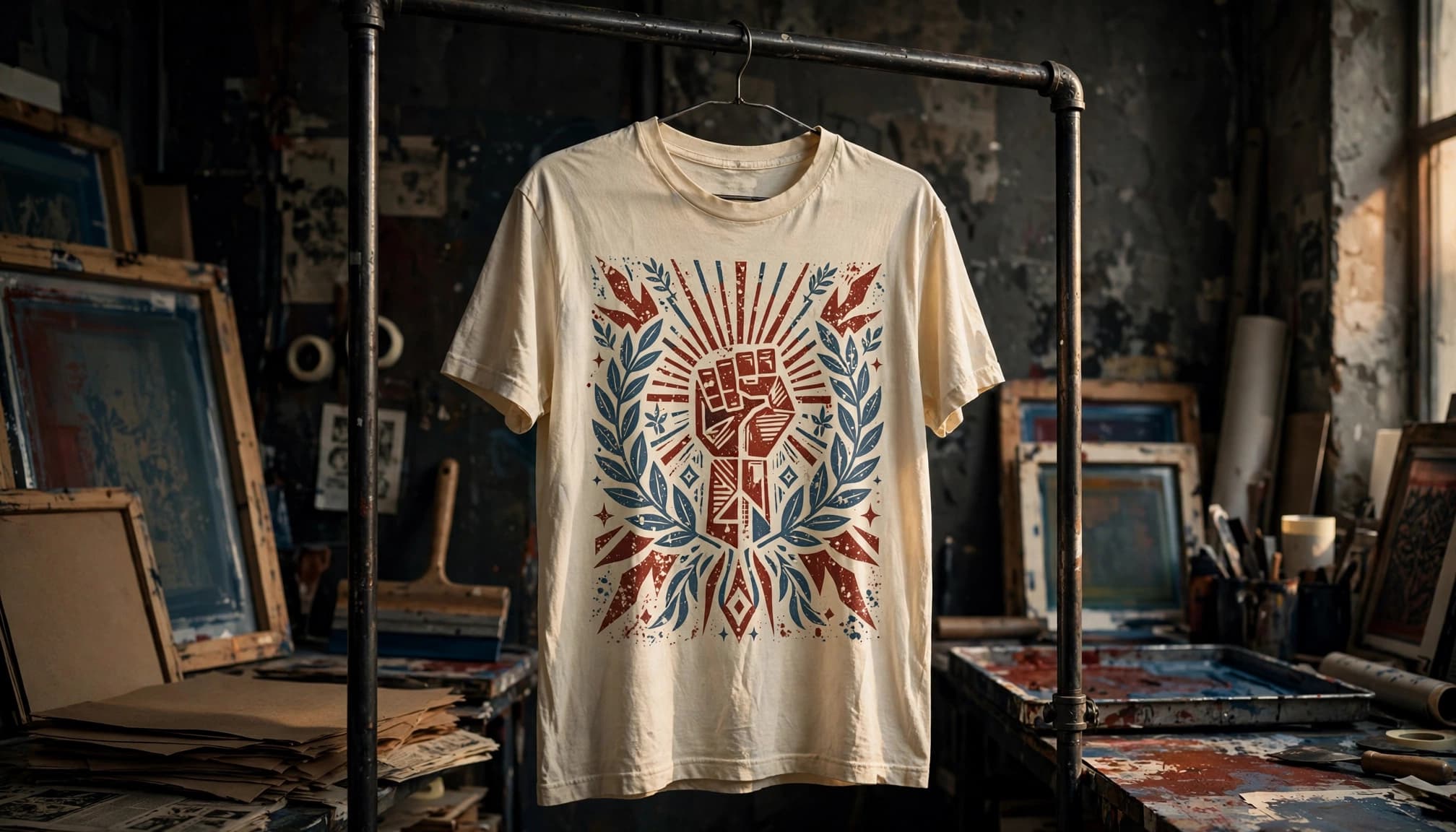
The 1960s changed the vibe. Protest movements used printed shirts to broadcast political views, while tie-dye and DIY graphics made clothing feel less corporate and more personal. A quick graphic T-shirt history shows how message tees became part of counterculture rather than background clothing.
Music scenes, skate culture, punk, streetwear, and artist merch kept pushing the shirt into public-statement territory. You didn't need gallery access to wear art. You could put it on, catch a bus, and make your parents ask questions they weren't emotionally prepared for.
The Shirt as a Portable Canvas
Placement changes the whole message. A tiny chest illustration feels private and low-key. A huge back print feels like poster art that happens to have sleeves. Full-front artwork can hit like an album cover, while a sleeve detail rewards people who look twice.
Fabric color and ink finish matter too. High-contrast red and black can feel urgent or cyber-brutalist. Washed colors and cracked ink can look like a flea-market treasure you found after a side quest. Archive-style lettering feels nostalgic, while surreal imagery makes a normal outfit slightly more unhinged, in a good way.
From Protest and Music to Anime and Internet Culture
Graphic tees still carry the old tradition of public expression, but the references got weirder and more niche. An anime symbol, a pixel-art monster, a cursed loading screen, or a "can't exit vim" joke can work as a visual handshake.
People who understand the reference get an instant hit of recognition. People who don't can still enjoy the artwork. That double function is why a smart fandom tee lasts longer than a giant screenshot with no visual idea behind it. The history and evolution of the graphic tee is basically a record of that shift from institutional clothing to personal broadcast channel.
What Artistic Graphic T-Shirts Say About Your Identity
Clothing is visual shorthand. An artistic tee can hint at your humor, nostalgia, rebellion, softness, chaos level, or favorite corner of the internet before you say hi. It doesn't define your entire personality. Thankfully, no shirt has that kind of authority.
Your meaning may be intentional, personal, or created by the audience. You might wear a funny gaming graphic because it reminds you of all-night co-op sessions. Someone else might see the same shirt as a clean retro design. Both readings can exist without starting a debate thread.
Fandom, Humor, and the Communities You Signal
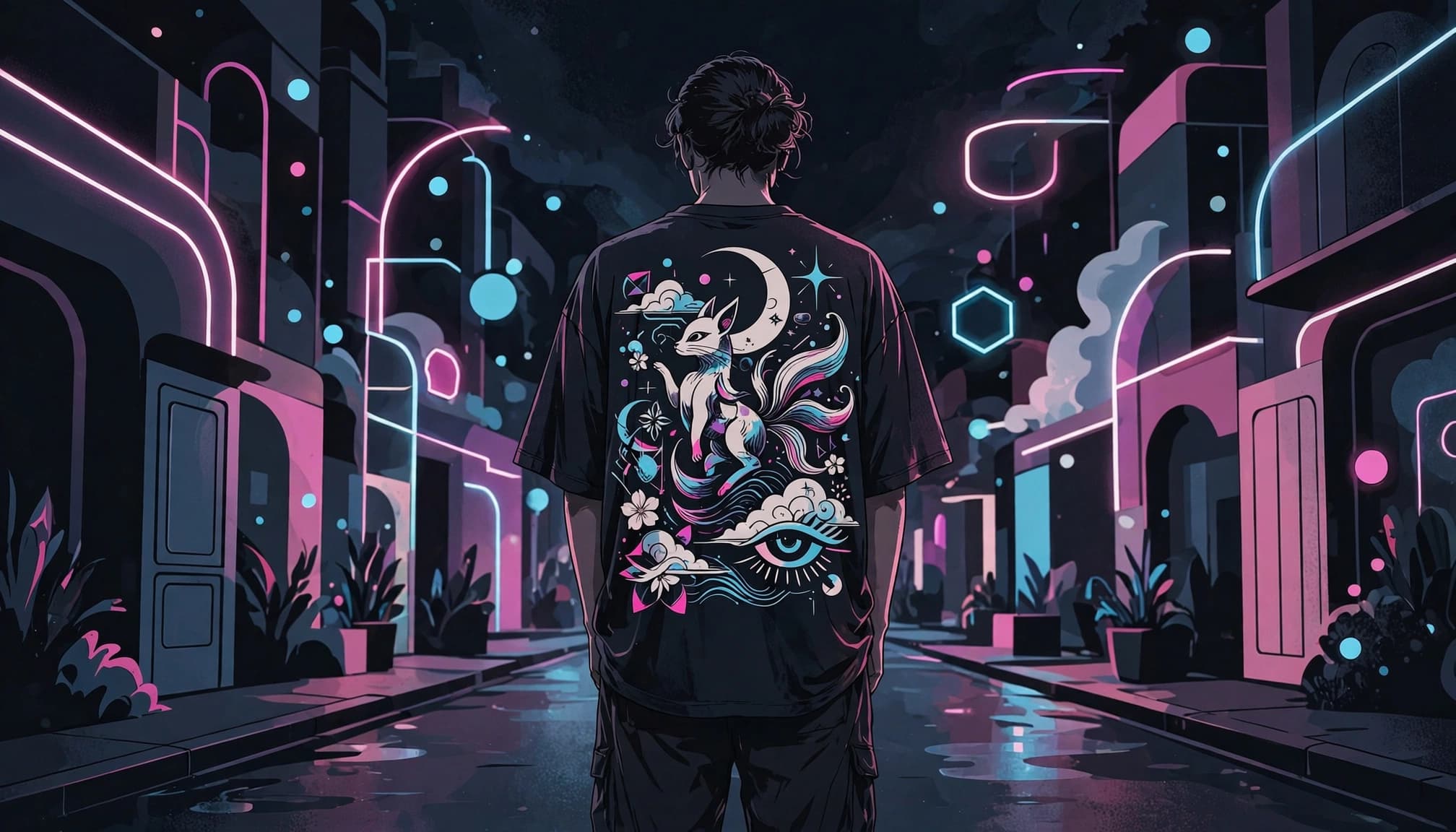
Anime characters, gamer language, holiday references, niche tech jokes, and glitch motifs are cultural passwords. A chaotic Lunar New Year goat graphic, a retro console reference, or a meme that should not have survived 2018 can tell the right person, "Yep, you are among your people."
The best designs don't require you to cosplay your entire personality. They offer recognition while staying wearable at school, work, a convention, or the grocery store at 11:47 p.m. If gaming references are your default language, why gamer graphic tees stand out comes down to that mix of in-joke energy and everyday styling.
Why Imperfect and Distressed Art Feels More Personal
Hand-drawn lines, collage layers, faded ink, odd type, and rough textures can make a shirt feel made by someone with a pulse. Those details push back against fashion that looks auto-generated, copy-pasted, and optimized into blandness.
Purposeful texture isn't the same as poor production. A distressed design can be sharp, balanced, and durable. A blurry print, crooked placement, or scratchy fabric is not "raw creative energy." It's a quality problem wearing fake glasses.
How to Choose an Artistic Graphic Tee That Feels Like You
Start with the blunt question: what do you want this shirt to say? Maybe the answer is "I like this art." That counts. You don't need a thesis statement for every cotton rectangle in your closet.
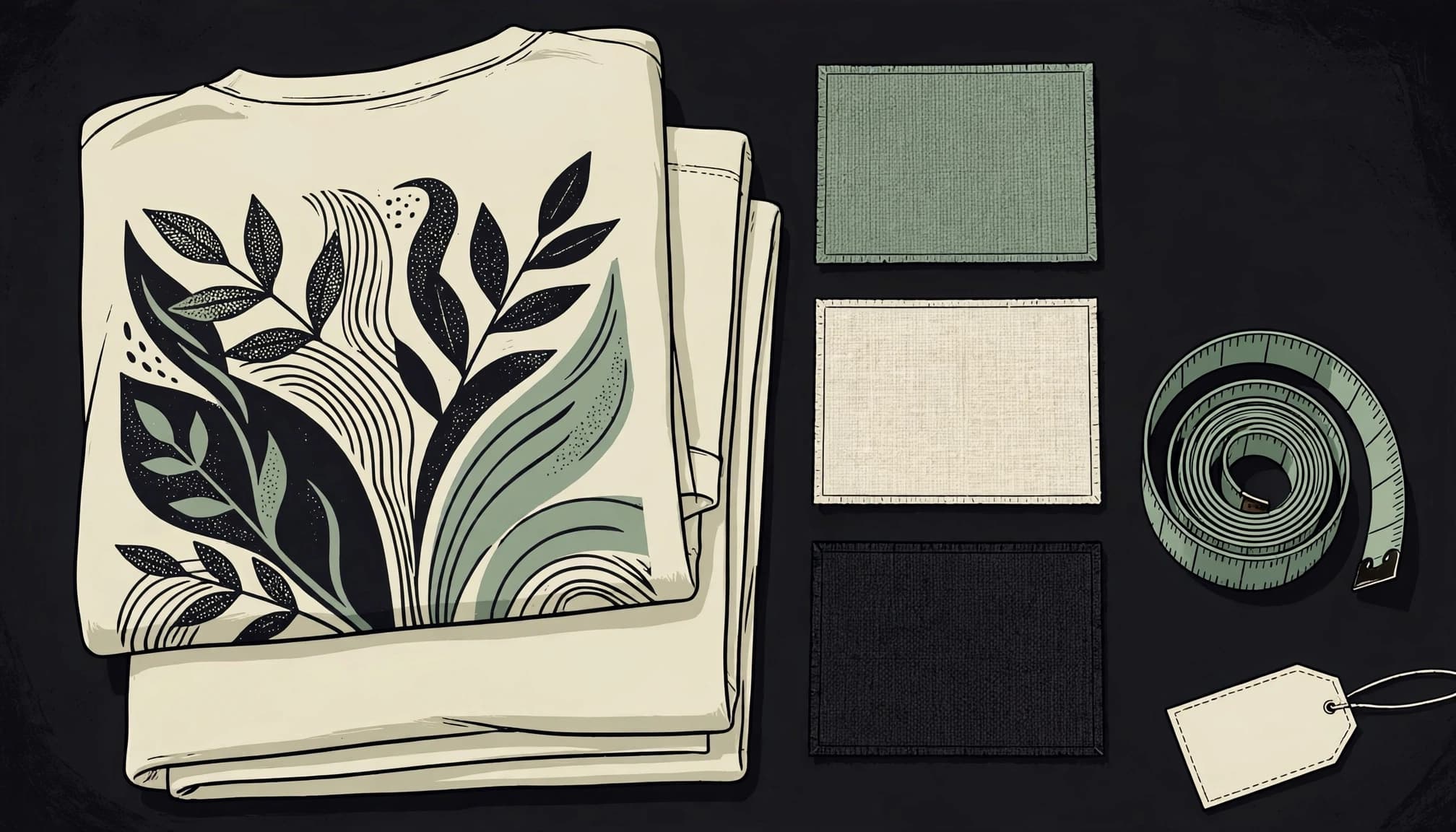
Check whether you'll still like the design when the algorithm moves on. Look at the fabric details, size chart, print placement, care instructions, and return terms before buying online. If a product question is blocking your purchase, contact TrendReactTees before you gamble on vibes alone.
Match the Artwork to Your Personal Style
Cyber-brutalist graphics work well with cargos, dark denim, boots, and an overshirt. Cute anime art can soften jeans, skirts, sneakers, or a roomy hoodie. Bold typography looks clean with simple bottoms, while surreal illustrations can carry a whole outfit without extra accessories screaming for attention.
Use color as your cheat code. If most of your wardrobe is black, gray, navy, or washed denim, a high-contrast print can become the focal point. If you wear louder colors already, choose artwork with one or two tones you can repeat elsewhere.
Tell Artistic Design Apart From Low-Quality Printing
Look for artwork with clean edges, balanced placement, and details that don't turn into visual soup from three feet away. A strong concept still needs comfortable fabric and ink that feels considered, not like a plastic placemat fused to your chest.
Read customer reviews and care instructions. Compare a shirt you own and love against the product measurements, especially chest width and length. A graphic tee sizing guide can save you from ordering an accidental crop top or a tent with sleeves.
Made-to-order or locally printed shirts can support a more thoughtful production model, but check the seller's actual claims. Good intentions do not automatically mean good fit, good print, or good customer support.
Why Artistic Graphic Tees Still Matter in 2026
Graphic tees are mainstream now, but generic doesn't have to win. The current mix includes vintage revival, ironic meme graphics, hand-drawn imperfection, archival lettering, minimalist front art with oversized back designs, and bold anime or gaming imagery.
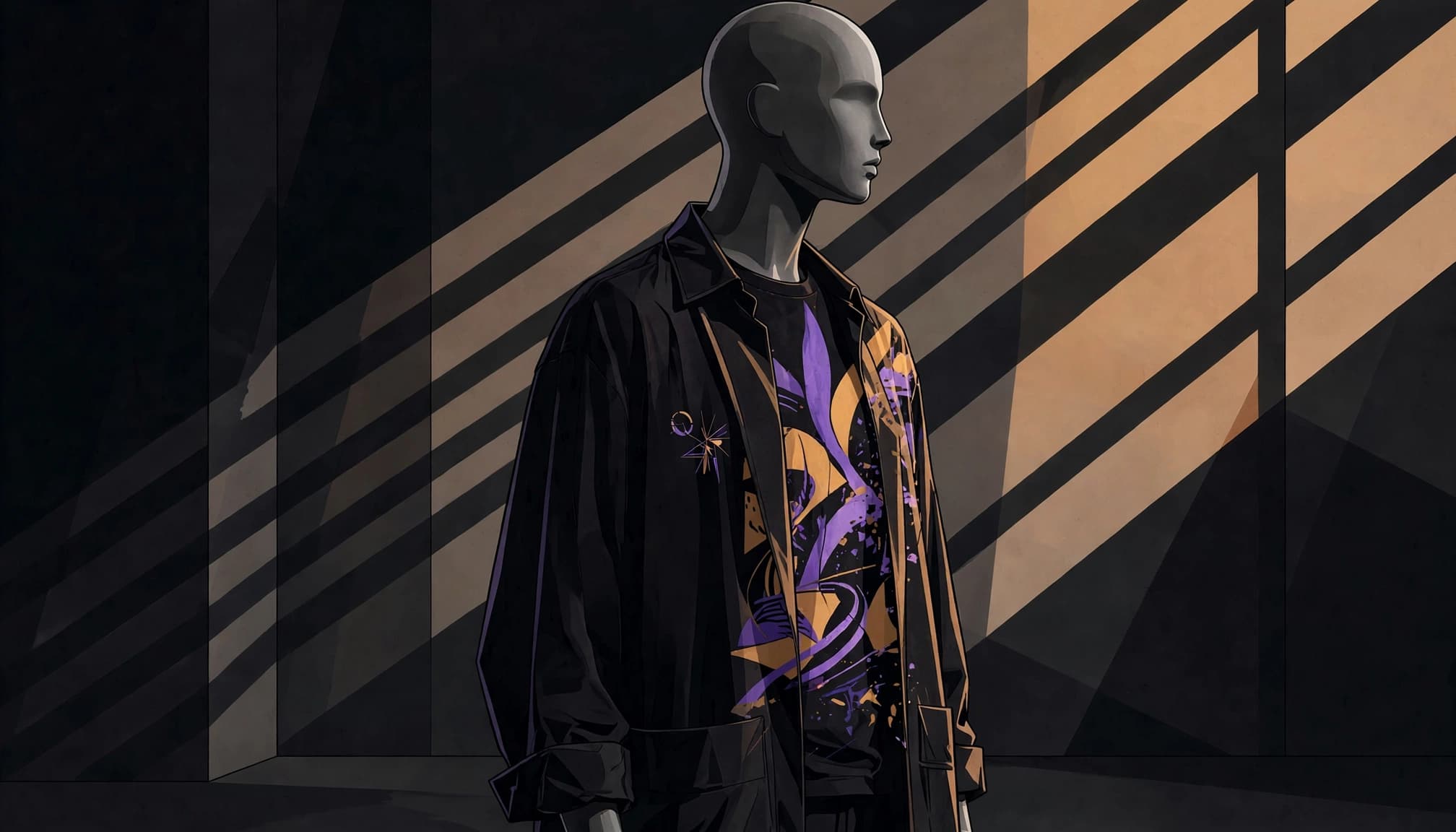
Those directions share one thing: people want clothes that feel less factory-default. A faded illustration or strange type treatment can make a shirt feel found, remembered, or made for a very particular corner of cyberspace.
You don't have to follow every trend. A minimal chest print may be your thing. A giant anime back graphic may be your thing. Your closet is not a patch notes page. Pick the version that feels like you, not the version that got the loudest repost.
Frequently Asked Questions
Can you wear an artistic graphic tee to a casual workplace?
Usually, yes, if the artwork and wording fit the environment. Pair a clean graphic with dark jeans, trousers, or an overshirt, and skip designs with jokes your manager would need to investigate.
Should a graphic print feel thick or soft?
Either can work. Some inks have more texture, while others feel lighter on the shirt. What matters is that the print looks intentional, stays clear after care, and doesn't make the garment uncomfortable.
Are anime-inspired designs only for anime fans?
No. You can enjoy the color, linework, or surreal mood without knowing every reference. Still, a design with an actual connection to you usually gets worn more often than something bought for trend-chasing points.
How do you keep a printed shirt looking good?
Follow the garment's care label first. Washing inside out in cool water and avoiding aggressive heat can be gentler on many prints, but seller guidance should win over random laundry folklore.
Wear the Reference, Not the Hype
An artistic graphic T-shirt is a small, visible piece of self-expression. Its meaning might come from the artwork, the fandom reference, a memory, an inside joke, or the fact that it makes you smile in the mirror.
Choose designs that feel honest, not designs you bought because a trend yelled at you for three days. Your sense of humor, imagination, fandom, and point of view deserve better than default settings.