

Backpacking Stretches for Trail Warm-Ups and Recovery
TrendReactTees.STORE TeamIf your trail-day uniform needs a little personality, start with the Nature Is My Wifi Tee or Nature Is My Therapist Tee. Both make optional graphic-tee picks for the walk from the car to the trailhead, where your pack is waiting to become a very committed accessory.
Backpacking stretches work best when you match them to the moment. Before hiking, warm up with easy walking and controlled movements. After you finish, use gentle, comfortable holds if they feel good. Your legs and shoulders don't need a dramatic boss-fight sequence to get moving.
This post may contain affiliate links. If you make a purchase through these links, I may earn a small commission at no extra cost to you.
Key Takeaways
- Start with a few minutes of easy walking, then build to a brisk pace.
- Use controlled leg swings, lunges, and arm circles before hiking.
- Save longer static stretches for after the trail, when your muscles are warm.
- Keep every stretch comfortable. Pain is a reason to stop, not a challenge to beat.
- Adjust the routine for your energy, space, clothing, and balance.
Backpacking Stretches to Warm Up Before You Hit the Trail
A warm-up doesn't need a yoga mat, a playlist, or a committee meeting. Walk easily for several minutes, then pick up the pace until you feel ready to move more freely. After that, add a few controlled exercises for your legs and shoulders.
These are dynamic movements: you move through a comfortable range instead of holding one position. Cleveland Clinic describes dynamic stretching as slow, controlled movement, and includes examples such as lunges and arm circles in its dynamic stretching guide. Start with a small range and let it grow naturally. Bouncing, yanking, or forcing a deep stretch is not part of the plan.

Use leg swings and lunges to wake up your lower body
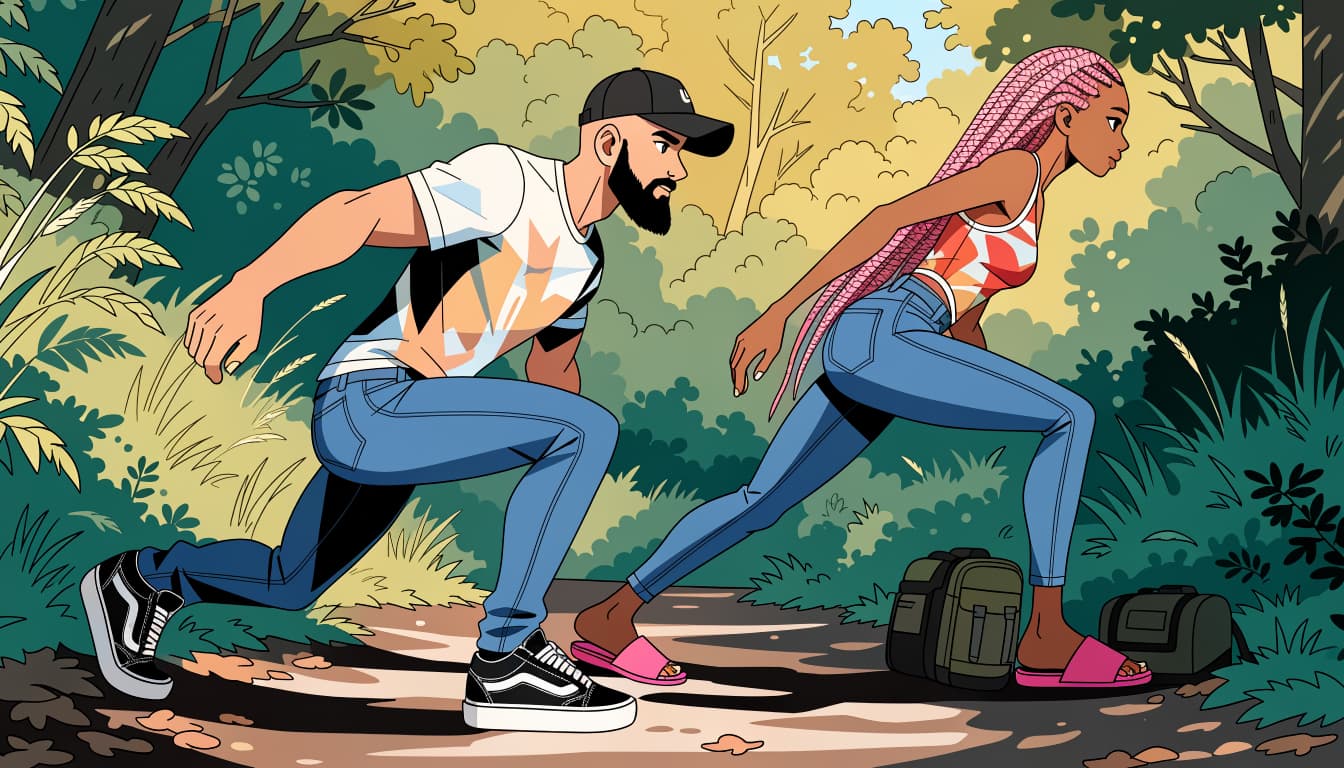
Stand beside a stable surface if you want help with balance. Swing one leg gently forward and back, keeping your torso steady. Begin with a small arc, then increase the range only if the movement feels smooth. Switch sides without turning the warm-up into an audition for a stunt show.
Next, try a few walking lunges. Step forward, bend both knees only as far as feels comfortable, then push through the front foot and continue with the other leg. These movements bring the calves, hamstrings, and thighs into the warm-up.
Aim for about 5 to 12 repetitions or 30 to 60 seconds per movement, adjusting for your balance and comfort. Stop short of any range that feels painful or unstable.
Add arm circles and an easy pack check
Make a few small circles with your arms, then gradually widen them. Keep your shoulders relaxed and your movement controlled. If a circle feels pinchy or uncomfortable, make it smaller or skip it. Cleveland Clinic's stretching exercise examples include arm circles as one way to move your joints through a comfortable range.
Do the warm-up without your pack first. Then put it on and walk for a minute or two. Notice whether the shoulder straps, hip belt, load, or clothing makes it harder to swing your arms or take a normal step. Adjust the setup before you're miles down the trail and negotiating with a strap like it owes you money.
Ease Sore Legs and Shoulders With Post-Hike Stretches
After hiking, take an easy cool-down walk or a few minutes to settle before stretching. Static stretches involve holding a position. They're easier to do when your muscles are already warm, rather than when you've just stepped out of a cold car at the trailhead. Harvard Health's stretching guidance discusses holding stretches for 10 to 30 seconds.
Aim for mild tension, not pain. Breathe normally, and ease out of a position if you feel sharp discomfort, tingling, or a sudden increase in pain. Stretching can support flexibility and comfort, but it's no guaranteed anti-soreness cheat code. A systematic review in the British Medical Journal found that stretching before or after exercise didn't protect against muscle soreness.
Stretch your calves and hamstrings gently
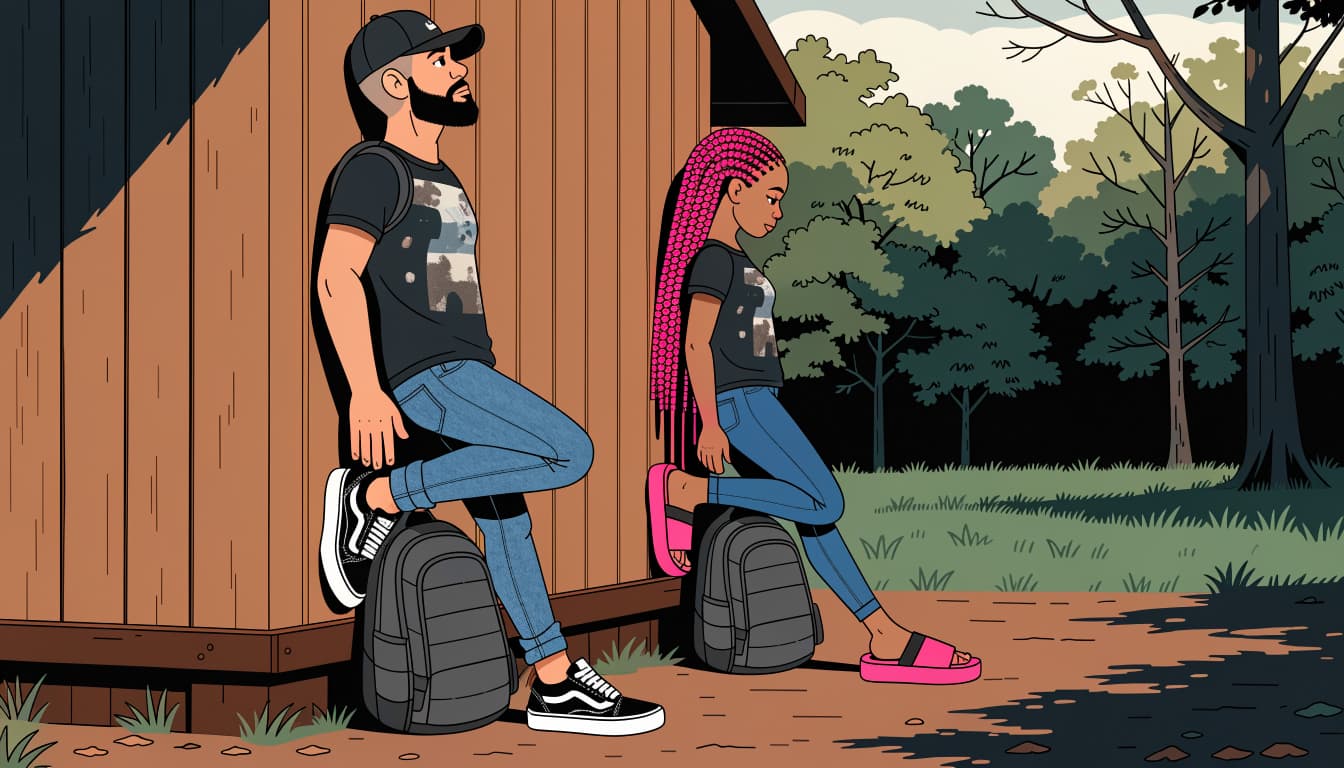
For a wall calf stretch, place your hands on a wall or sturdy surface and step one foot back. Keep the back heel down and the leg straight as you lean forward slightly. You should feel a stretch in the calf, not a strain in the ankle. Bending the back knee a little changes the emphasis to a deeper calf area.
For your hamstrings, sit with one leg extended and the other comfortably bent. Keep your back in a position that feels easy, then hinge forward from the hips until you notice a gentle stretch behind the extended thigh. You can also do this lying down, raising one leg while keeping the other relaxed.
Hold each position for 10 to 30 seconds, then repeat 2 to 4 times. If flexibility is your goal, work toward about 60 seconds total per stretch, divided into comfortable holds.
Release tight hip flexors and glutes
For a half-kneeling hip-flexor stretch, kneel on one knee with the other foot in front. Keep your torso upright, then gently tuck your pelvis as you shift forward a little. You should feel a stretch at the front of the hip on the kneeling side. Don't arch your lower back to chase a bigger sensation.
To stretch your glutes, lie on your back and cross one ankle over the opposite thigh. Bring the supporting thigh toward your chest until you feel a comfortable stretch in the crossed-leg side. Your hands can rest behind the thigh. Pull only as much as feels easy.
Give your upper back and shoulders room to relax
Bring one arm across your chest and hold it gently with the other arm. Keep the shoulder low rather than hiking it toward your ear. Switch sides, then try a comfortable seated upper-back rotation. Turn only as far as your body allows without forcing your spine.
If you've carried a heavy pack all day, tired muscles may not want a big range of motion. That's fine. A small, comfortable stretch is still a stretch. Skip any movement that feels awkward, painful, or unsteady.
Make Your Backpacking Stretch Routine Fit the Day
A useful routine is one you can do when you're tired, short on space, or eager to get moving. Before the hike, keep things brief and movement-based. After you stop, slow down and use gentle holds if your body welcomes them.
Keep trailhead movements brief and controlled
Begin with a few minutes of easy walking, then pick up the pace. Choose two or three dynamic movements, such as leg swings, walking lunges, and arm circles. You don't need to run through every stretch you know before you've even reached the first mile marker.
Use a stable patch of ground and hold a tree or solid surface if balance is an issue. If a movement feels uncomfortable or unsteady, leave it out. Your warm-up should help you feel ready to walk, not test your ability to improvise on uneven gravel.
Use comfortable holds after you stop hiking
Once you've finished, stretch only to mild tension and keep breathing normally. Don't hold your breath while trying to get a few extra inches. If you're too fatigued to focus on your balance or position, rest first and keep the session short.
Clothing can make a simple stretch oddly complicated. A shirt should let you reach overhead, while pants should allow a wide step and an easy hip hinge. If a sweaty or clingy top keeps pulling as you move, change before stretching or skip the longer session. Your clothes don't get to run the recovery plan.
Streetwear & Casual Styling After the Trail
For a casual post-hike look, try the Leave No Trace, I'm Trying Tee or Nature Is My Only Group Chat Tee. They bring outdoor humor into an off-trail outfit without asking you to keep the full pack on for the aesthetic.
Build around a Cyber-Brutalist Anime Graphic Tee with comfortable pants and shoes you can walk in. Relaxed jeans or cargos keep the look easy; familiar sneakers are a practical choice when you're heading to dinner or back to the car. Add a light layer if the temperature drops.
If you plan to stretch in your post-hike clothes, give the outfit a quick movement test first. Reach overhead, take a wide step, and rotate gently. A tee that lets you move is more useful than one that demands a wardrobe adjustment after every arm circle.
Frequently Asked Questions
Should you stretch during a long backpacking break?
You can pause for a little comfortable movement if you feel stiff. Walk around, roll your shoulders, or try a gentle leg swing while standing on stable ground. Save longer holds for after the hike, when you can focus without rushing back onto the trail.
Should you keep your pack on while stretching?
Take it off for your warm-up and post-hike stretches. Your arms and torso can move more freely without the load, and you can focus on the movement rather than balancing your gear.
What if one side feels tighter than the other?
Use a comfortable range on each side and don't force the tighter one to match the other. If a stretch causes pain or the difference comes with ongoing discomfort, stop and seek personalized advice from a healthcare professional.
Do you have to stretch after every hike?
No. If you feel comfortable, you don't need to force a stretching session. A gentle cool-down walk or rest may suit you better that day.
Keep Your Trail Routine Simple
Before hiking, start with easy movement and add a few controlled warm-up exercises. After the trail, stretch gently if it feels good, then stop if you feel pain. Adjust the routine to your energy, balance, and clothing rather than treating it like a mandatory side quest.
If you have persistent pain or an injury, ask a qualified healthcare professional for guidance that fits your situation. Your body gets the final vote, even when the trail plan has a very confident itinerary.