

How to Choose a Backpacking Tent With a Vestibule
TrendReactTees.STORE TeamA backpacking tent with vestibule gives you covered space outside the sleeping area for a pack, muddy shoes, and other gear you'd rather not bring inside. The right setup depends on how much room you need, how much weight you're willing to carry, and the weather you expect.
For camp-day personality, you can bring a little humor with the Nature Is My Wifi tee or Nature Is My Therapist tee. Your shelter still has to handle the actual trail, so start with the layout and specs, not the graphic.
This post may contain affiliate links. If you make a purchase through these links, I may earn a small commission at no extra cost to you.
Key Takeaways
- A vestibule is covered storage and a sheltered work area, not extra sleeping space or a storm-proof room.
- Compare tent dimensions with the pads, packs, and footwear you'll actually bring.
- Check minimum trail weight, pitch weight, and packaged weight separately.
- Fabric coatings, seams, pitch, and airflow all affect weather performance.
- A larger floor can add weight without adding vestibule area.
Why a backpacking tent with vestibule makes camp easier
A vestibule sits outside the inner tent, beneath the rainfly. It gives you a place to keep damp footwear and dirty gear away from your sleeping area, and a bit of cover while you sort your pack or change shoes. That's a small luxury when the ground is wet and your socks have already had a long day.
The listed vestibule area is a useful comparison, but it doesn't promise that a particular pack or pair of boots will fit. Shape, headroom, doorway width, and how the fly pitches all affect usable space. A broad, low vestibule may hold gear differently than a narrower, taller one with easier access.
And keep expectations grounded: a vestibule offers some shelter, but wind can drive rain inside. It isn't a dry room in every storm.
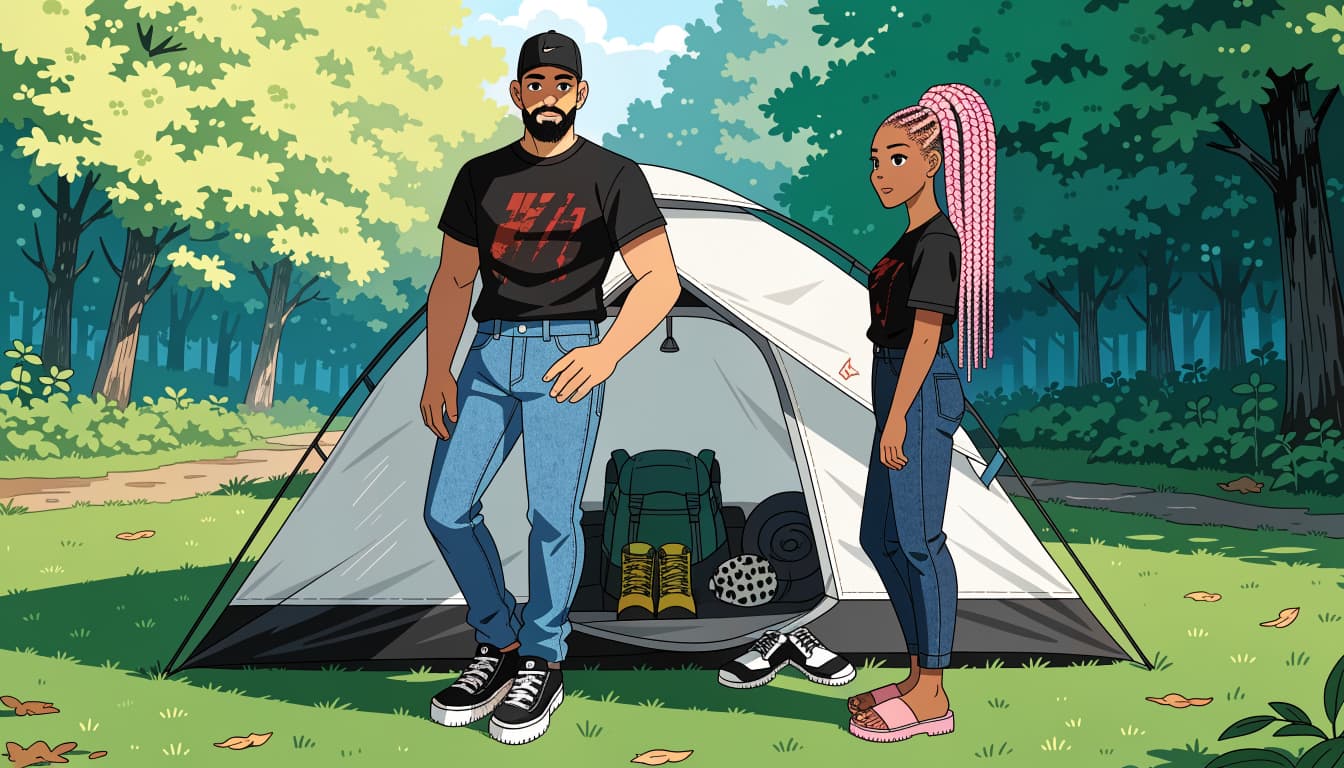
One vestibule or two, and what the doors change
Two doors and separate vestibules can make life easier for two people. Each camper gets an outside exit and a spot for gear, so nobody has to climb over a tentmate to reach a boot. A single-door design may suit solo trips or campers who want a simpler layout.
Door count alone won't tell you how much storage you get. Compare the floor plan, door placement, and vestibule dimensions, then picture where your packs and shoes would go.
What vestibule space can and can't do
Covered space helps organize camp, but it doesn't expand the tent's sleeping floor. Keep the vestibule useful for gear and sheltered tasks, and don't treat it as an enclosed kitchen. A little extra square footage is helpful; safe cooking still needs an appropriate open-air area.
Choose a tent that fits your people, pack, and trail
A "two-person" label describes nominal capacity, not guaranteed elbow room. Your comfort depends on shoulder space, height, pad width, and whether you want personal items inside the sleeping area. Check the listed floor dimensions against the pads you actually use, especially if either sleeper brings a wide pad.
Weight figures need the same close read. Minimum trail weight usually covers the basic shelter components, while fly-and-footprint pitch weight and packaged weight include different pieces. Compare like with like before deciding that one tent is lighter. The difference matters when every ounce goes in your pack.
A roomier tent may be worth carrying if you share it, camp for several nights, or value more space to sit up and move. Solo hikers may prefer the extra elbow room of a two-person model, but they'll carry more shelter than a compact one-person design. There isn't one correct capacity for every trip.
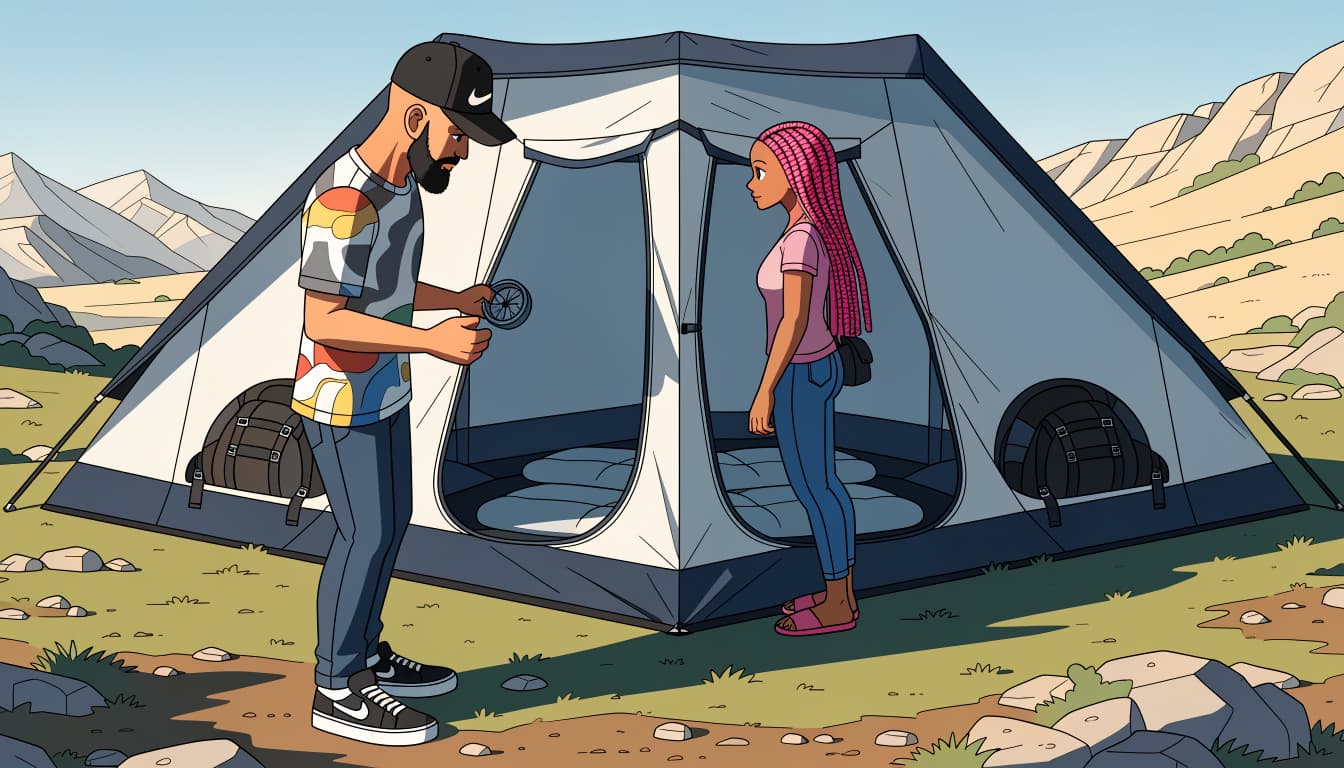
Match capacity and vestibule space to your gear
Think about the actual bundle you bring: pack, boots, trekking poles, and any other bulky items. Compare the vestibule's shape and door opening with those items, not just its square footage. Consider whether you can reach your gear without blocking your tentmate's exit.
Storage and cooking are separate jobs. Keep equipment covered and accessible, but don't use a small vestibule as an enclosed kitchen. Follow campsite rules and cook only in a safe, permitted open area.
Balance weight with doors and usable room
Extra doors, vestibule fabric, and a larger floor plan can add weight. Those features may earn their place if they make a two-person setup easier to use, but they may be unnecessary on a solo overnight. Compare the full specifications instead of choosing by capacity label or minimum-weight number alone.
Check fabrics, weather protection, and ventilation before you buy
Compare the canopy, floor, and rainfly materials separately. The inner canopy may use breathable fabric and mesh, while the fly and floor need waterproof coatings. Look for seam construction and a hydrostatic-head rating when the manufacturer publishes one.
A rating can help you compare materials, but a single number doesn't guarantee performance in every storm. Rain protection also depends on sound seams, zippers, a taut pitch, and choosing a suitable campsite. Lightweight fabric can reduce carry weight, so consider the intended use and care directions along with the weight savings.
Ventilation matters because moisture from breath and damp gear can contribute to condensation. Vents and airflow may help manage it, but no tent can promise a condensation-free interior in every condition.
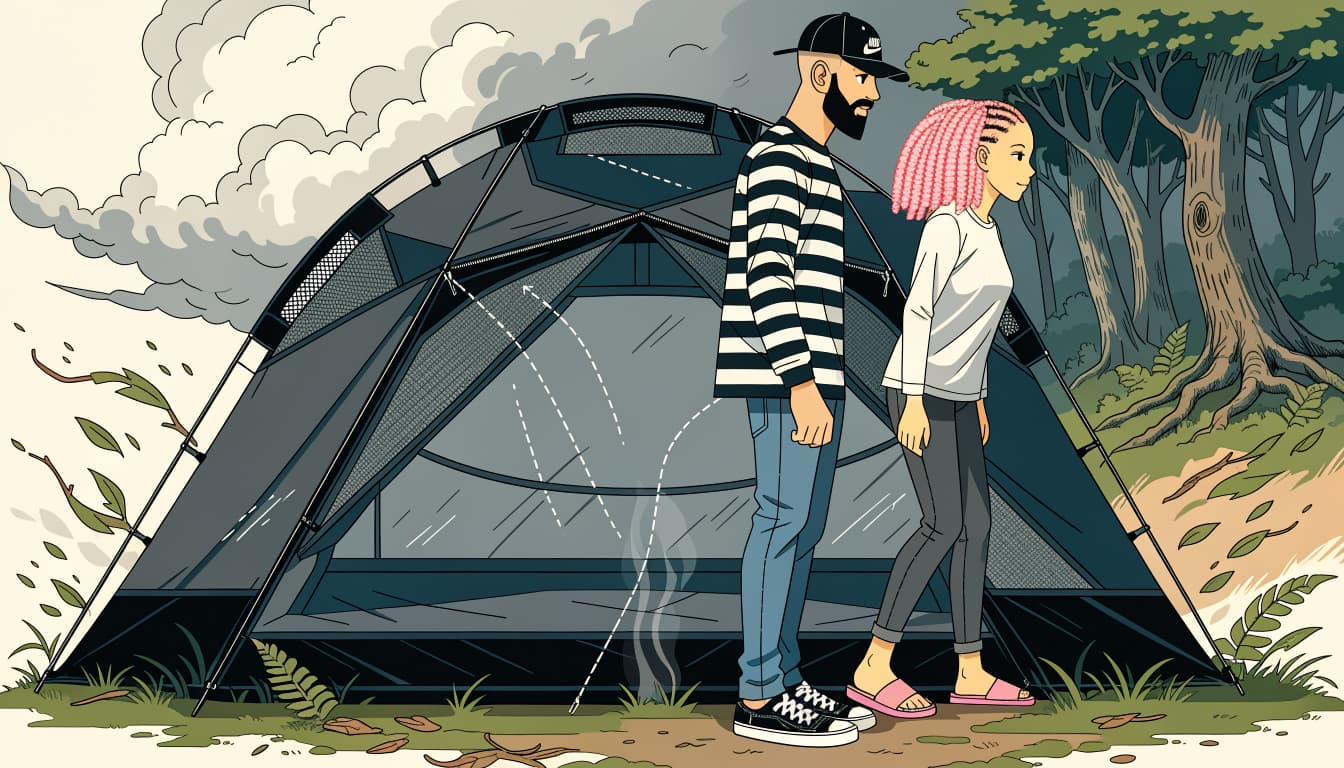
Look beyond the waterproof rating
Check the fabric and coating for each panel, plus seams, zippers, and care instructions. Waterproof material and a well-pitched shelter work together; neither can compensate for a fly that's loose or a site where water pools beneath the tent.
Use vents and pitch the fly for airflow
Vents, door openings, and a gap between fly and inner tent can support airflow. Choose a sheltered site and pitch the tent as directed. When conditions allow, keep ventilation openings clear rather than sealing every flap and trapping damp air inside.
Compare real backpacking tent options and their tradeoffs
The Big Agnes Copper Spur UL2 and UL2 XL show how floor area and carry weight can shift while vestibule space stays the same. Both models have two doors and two vestibules, each listed at 9 square feet.
| Model | Floor area | Vestibules | Minimum trail weight |
|---|---|---|---|
| Big Agnes Copper Spur UL2 | 29 sq. ft. | 9 sq. ft. each | 2 lb. 10 oz. |
| Big Agnes Copper Spur UL2 XL | 36 sq. ft. | 9 sq. ft. each | 2 lb. 14 oz. |
The XL adds 7 square feet of floor area and 4 ounces of minimum trail weight, while keeping the same listed vestibule area. That's a practical trade if you want more interior room, but it won't give you more covered gear storage.
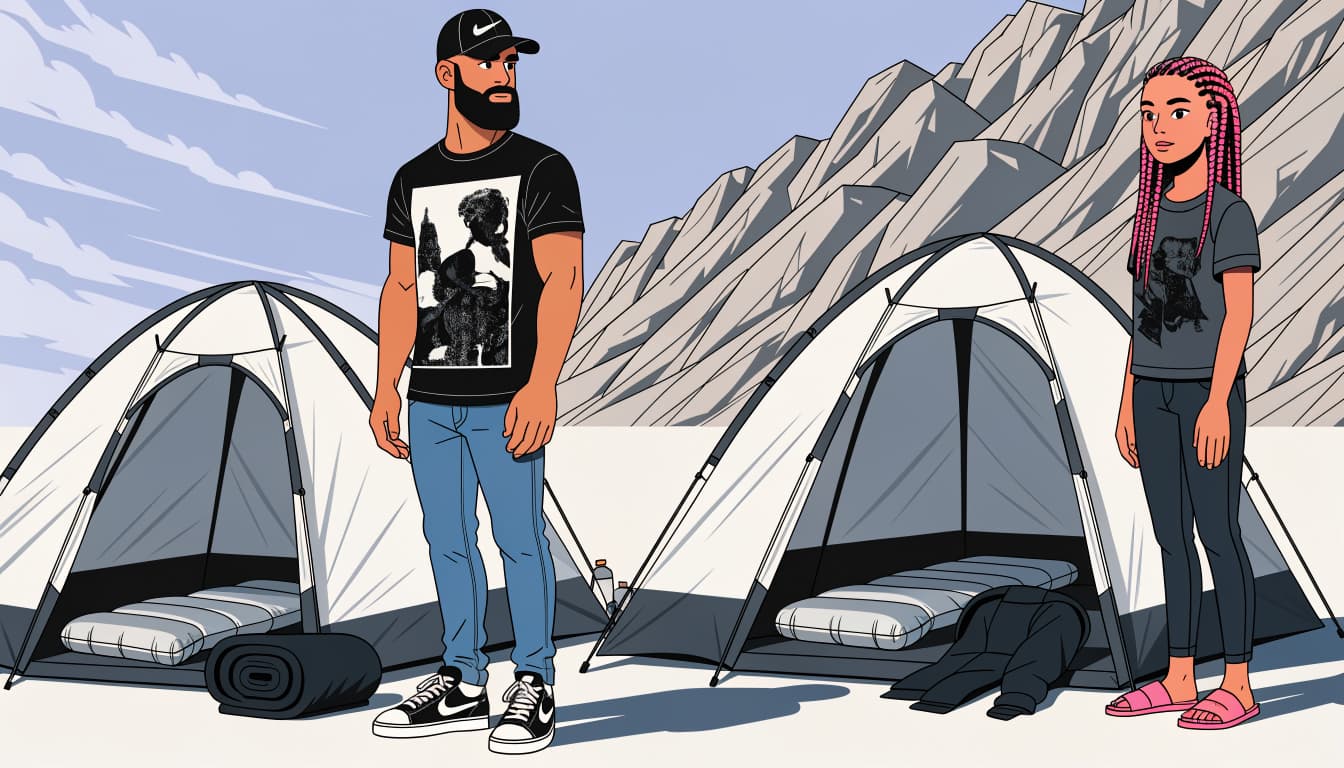
What the Copper Spur UL2 and UL2 XL specs reveal
The UL2 is listed with an 88-inch length and widths of 52 inches at the head and 42 inches at the foot. The UL2 XL is listed at 96 by 54 inches. Those dimensions provide more context than floor area alone, especially if you're tall or comparing pad fit.
Both models list the same vestibule area. Decide whether extra sleeping-room space matters more to you than the small weight increase.
Read prices and specifications as a starting point
Model details and retail prices can change. Compare the current product information for dimensions, included components, packed weight, doors, and vestibule layout, not price alone. Treat a spec sheet as a way to narrow your options, then match the numbers to your own kit.
Pitch, organize, and care for your vestibule
Choose a level, well-drained campsite and follow the tent maker's pitching directions. The National Park Service's campsite setup guidance covers site selection and practical hazards around tent placement. A good pitch gives your vestibule a better chance of keeping gear sheltered.
Place wet footwear and packs outside the inner tent, but leave the doorway clear so you can get out without wrestling a boot pile. Store food and scented items according to local wildlife rules. A vestibule is not a wildlife-proof pantry.
Never cook inside a tent or enclosed vestibule. Fire and carbon monoxide can turn a convenient setup into a dangerous one; cook only in a safe, permitted open area and follow local guidance. The National Park Service's camping safety tips also cover campsite hazards and safe practices.
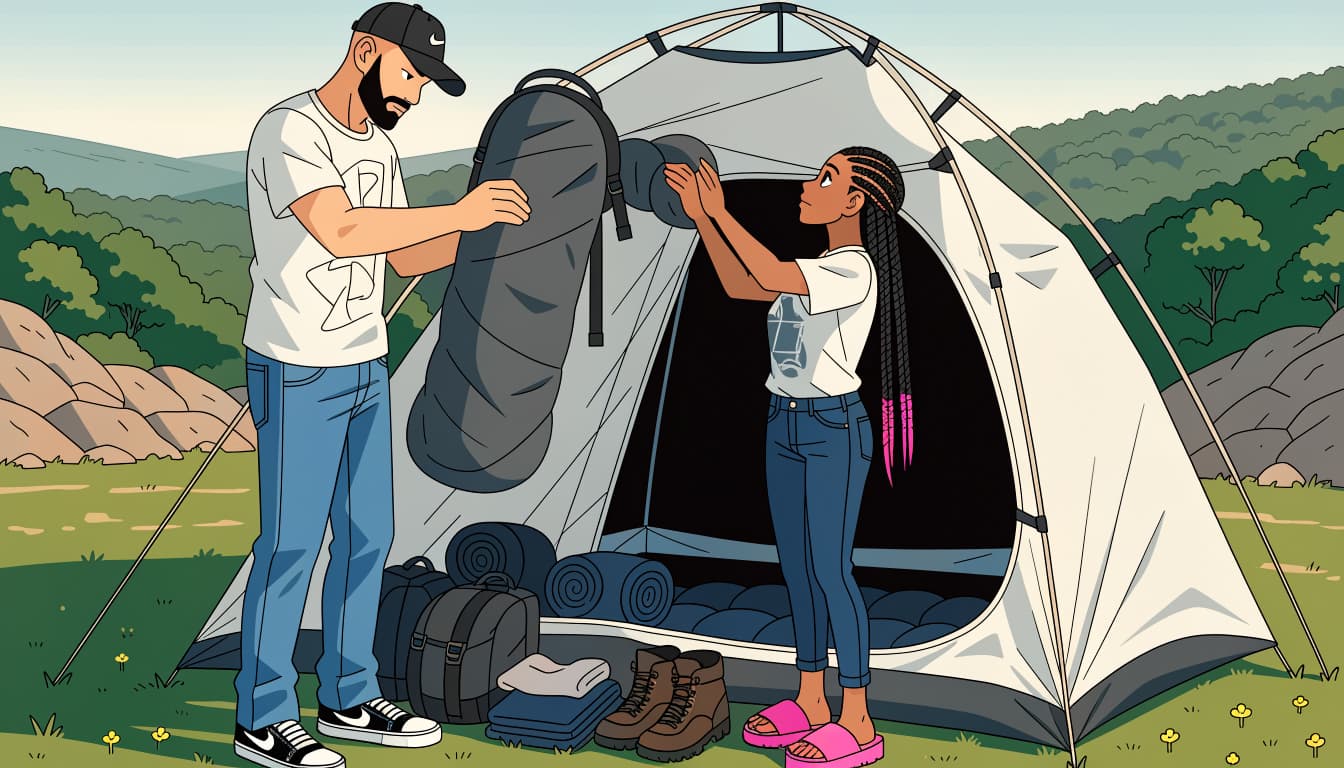
Keep gear accessible without blocking the door
Put packs and shoes where the fly covers them, then leave a clear path through the entrance. Keep food and scented items stored as local rules require, rather than assuming the vestibule protects them from animals.
Dry and inspect the tent after each trip
Air the tent fully before long-term storage. Check the rainfly, floor, seams, poles, and zippers for dirt or damage, and follow the maker's care directions to protect the fabric and coatings.
Streetwear & Casual Styling
A trail-day graphic tee can work for the drive to camp or the trip home, paired with relaxed pants, a light layer, and comfortable shoes. Keep your actual hiking footwear and safety gear suited to the terrain and forecast; slides belong in the post-hike comfort rotation, not on a rough trail.
Our Cyber-Brutalist Anime Graphic Tees are for self-expression, not technical outdoor clothing. Add the Nature Is My Only Group Chat tee or the Leave No Trace tee to your casual rotation when the hiking boots come off.
Frequently Asked Questions
Can you cook in a tent vestibule?
Don't cook inside a tent or enclosed vestibule. Fire can ignite tent materials, and fuel-burning stoves can create deadly carbon monoxide. Follow local rules and use a safe, permitted open-air cooking area.
Does a bigger vestibule make a tent warmer?
A vestibule adds covered space, but it isn't part of the insulated sleeping area. It won't replace a sleeping bag and pad suited to the conditions.
Is a two-person tent comfortable for two adults?
It depends on body size, pad width, gear, and the tent's layout. Check floor dimensions and, when possible, test how your actual pads fit before committing to the tent.
Do you need a footprint under your tent?
A compatible footprint can help protect the floor from abrasion, but use one only if it suits the tent design and the maker's directions. A groundsheet that extends beyond the tent can collect rainwater underneath.
Choose the Setup That Fits Your Trips
A useful vestibule gives your gear a covered spot without adding more weight or complexity than your trips require. Compare floor and vestibule dimensions, weight measures, weather protection, and ventilation, then weigh those details against how you camp.
The right tent is the one that fits your people, pack, and trail plans. Choose the space you'll use, not just the number on the product label.