

Best Backpacking Tents Under $100: What You Can Carry
TrendReactTees.STORE TeamYou can find budget tents around or below $100, but your shortlist needs more than a cheap price. Carry weight, usable space, and the exact model matter, because many inexpensive shelters are camping tents with backpacking ambitions.
For your off-trail uniform, our Funny Outdoor Hiking Camping Gift "Nature Is My Wifi" Tee keeps the message clear. The Funny Hiking Camping Gift "Nature Is My Only Group Chat" Tee handles your social settings.
Your tent deserves a less chaotic selection process than your group chat, so start with shelters worth comparing and the compromises attached.
This post may contain affiliate links. If you make a purchase through these links, I may earn a small commission at no extra cost to you.
Key Takeaways
- You can find inexpensive candidates, but roundup price bands don't establish what an exact model costs at checkout.
- Your packed shelter weight matters more than a low minimum weight that leaves necessary accessories behind.
- Two-person capacity doesn't promise room for two adults, wide sleeping pads, and backpacks inside the tent.
- Match construction and weather limits to your route, and practice pitching before your first overnight trip.
- A bargain camping tent can become an expensive mistake when you're carrying eight pounds uphill alone.
Find the best backpacking tents under 100 for your kind of trip
Treat these as comparison candidates, not a verified ranking of November 2026 bargains. Published prices and specifications don't establish a proven winner.
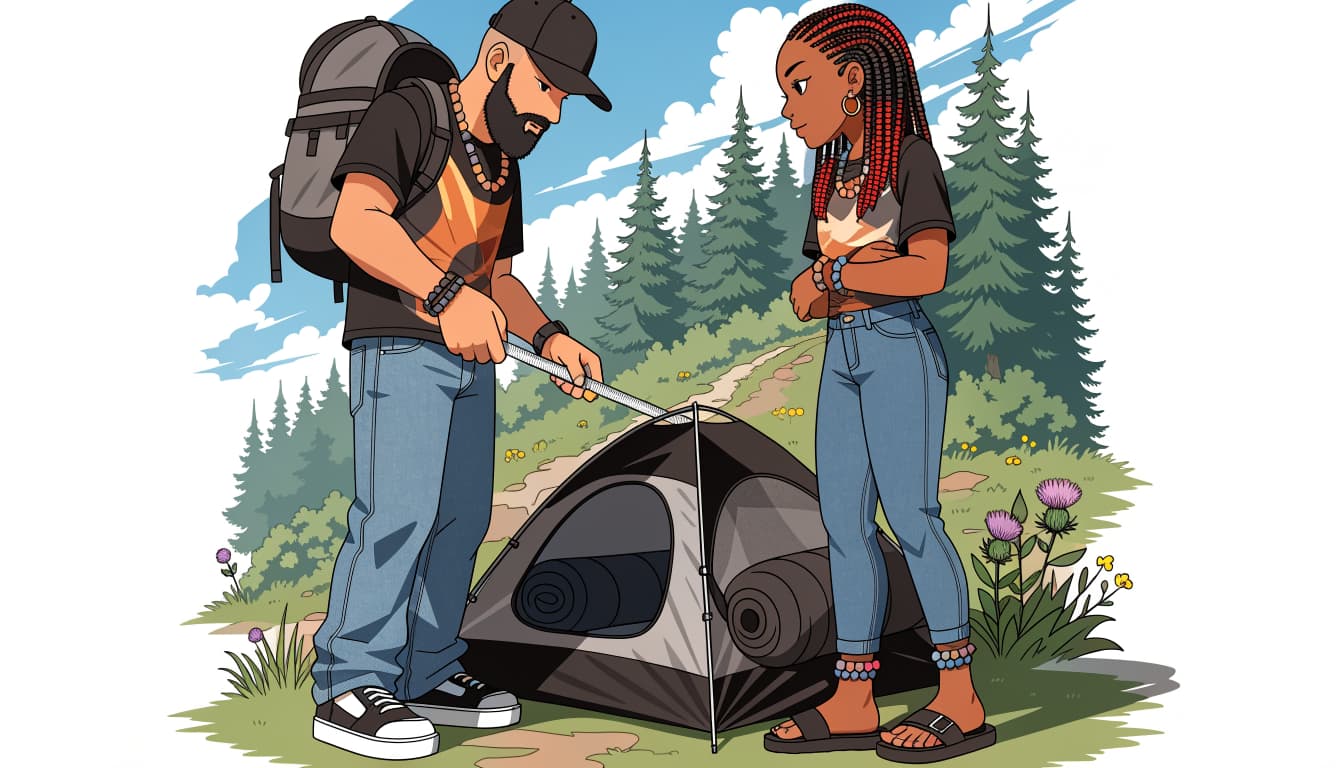
Start with the Night Cat candidates
RV Gear Lab places the Night Cat 1-2 Person in a $30-$50 tier and the Night Cat 2-Person in a $50-$60 tier. Those are roundup bands, not confirmed checkout offers.
Both have reported weights around 4.4 pounds and packed dimensions of 16.5 by 4.7 by 4.7 inches. The guide doesn't establish whether those weights include stakes, guylines, and bags.
Its reported floor dimensions differ: 7 by 3.8 feet for the 1-2 Person and 6.8 by 4.6 feet for the 2-Person. Similar names don't mean identical sleeping space. Your elbows would appreciate the distinction.
Compare the alternatives without inventing a winner
Titansurvivalkit reports 5.29 pounds for the Clostnature Polaris 2-Person and 5.69 pounds for the Forceatt 2-Person. Its figures don't establish current prices or trail-weight definitions.
Wilderness Times includes the BISINNA 2 Person, but its summary doesn't establish an exact price or weight. It also reports the solo TETON Sports Vista Quick Tent at 4.6 pounds minimum trail weight and 5 pounds total, without a dated checkout price.
The Coleman Skydome 2-Person has a documented $89.99 retailer listing, but its roughly eight-pound weight makes it camping-first territory.
For an above-budget comparison, Eric Hanson's video covers a tent advertised at $109.
Check the weight, space, and packed size before you choose
Your useful comparison is the shelter system you'll carry. A suspiciously light headline number doesn't carry your stakes for you.
Compare packed weight with packed weight
Minimum or trail weight typically covers the body, rainfly, and poles. Packed weight may also include stakes, guylines, storage bags, and other supplied parts. Definitions vary.
Coleman's PEAK1 weight specifications show the difference: 4 pounds 15.4 ounces trail weight versus 6 pounds 1 ounce packed.
Its reported US listing price is $319.99. You're using it to understand weight labels, not sneaking it onto a sub-$100 shortlist through creative accounting.
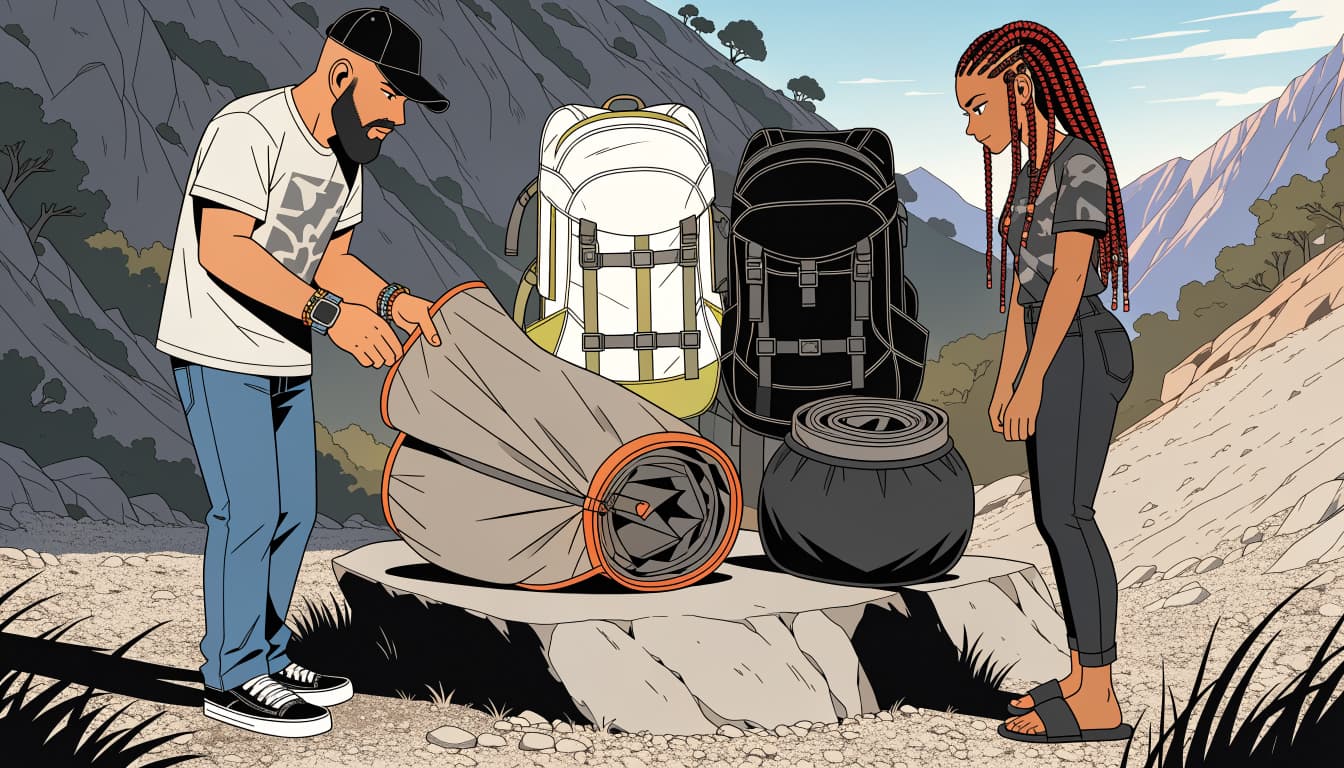
Measure the space your gear actually needs
Compare floor length and width with your actual sleeping pads. Two-person capacity often means two sleepers close together, with packs outside the sleeping compartment.
Door count affects nighttime exits. Vestibules provide covered storage outside the inner tent, while usable headroom determines whether changing clothes requires advanced contortion.
Packed dimensions matter too. A long pole section may fit poorly inside your backpack even when the fabric compresses easily.
Include pole material, replacement-part availability, and warranty terms in your comparison. If you're sharing, agree beforehand who carries the body, fly, and poles. "We'll figure it out" has terrible weight distribution.
Choose a budget backpacking tent for weather and trail conditions
A low price tells you what a tent costs. It tells you nothing dependable about how that shelter handles sustained rain or exposed wind.
Match the pitch to your campsite
A freestanding tent can hold its basic shape with poles, but it still needs proper anchoring. Non-freestanding designs depend more heavily on stakes and tension.
Hard ground, shallow soil, and rocky campsites can complicate staking. Match the design to the surfaces you expect, rather than assuming every clearing offers cooperative dirt.
Manufacturer guidance for wind and rain should shape your route choices. At this budget, ultralight weight, long service life, and strong storm performance may demand compromises.
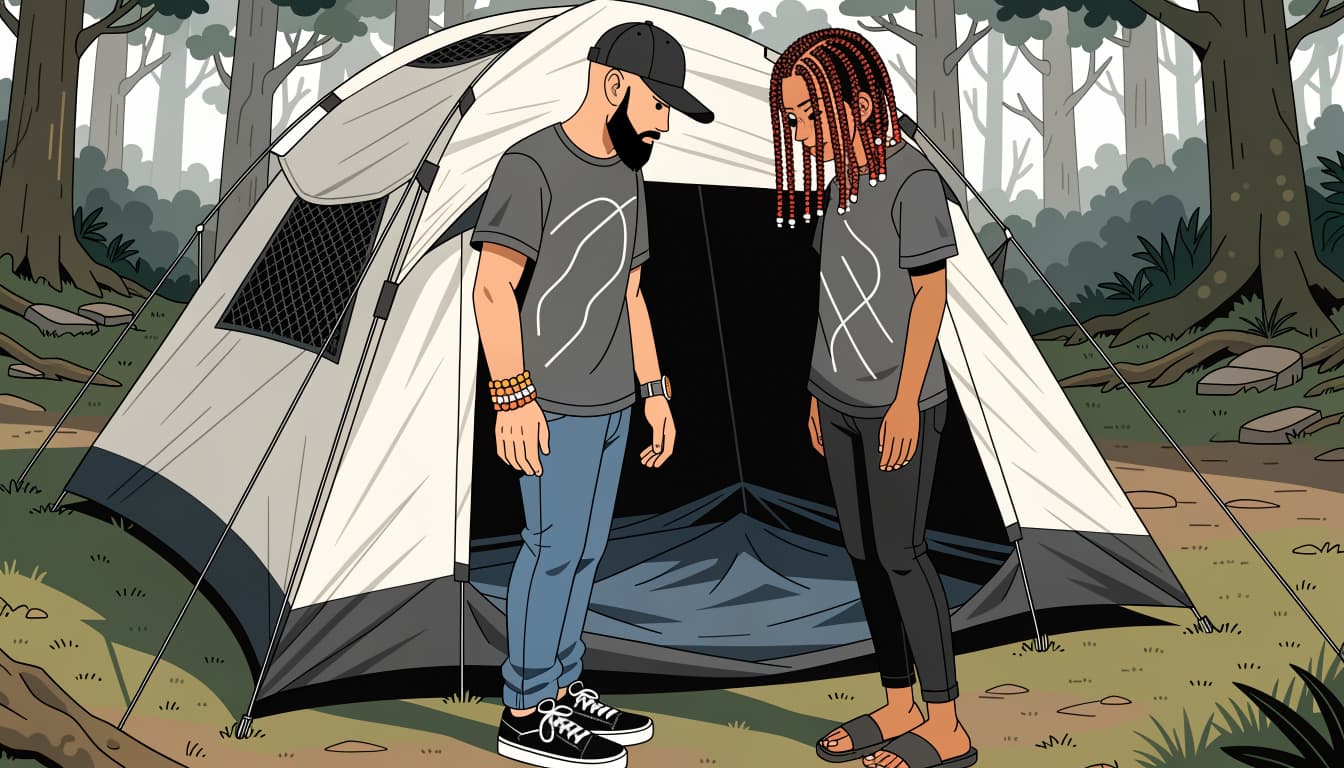
Inspect construction before trusting the forecast
Your buying checklist should cover rainfly coverage, seam treatment, floor construction, ventilation, pole strength, and guyline attachment points.
Wilderness Times reports a PU2000 mm rainfly and 7001 aluminum poles for BISINNA. Those reported component details don't establish the complete tent's performance in a storm.
Ventilation matters even without rain. Moisture from your breath can condense inside, so a tightly closed shelter isn't automatically a drier one.
Pitch your tent at home. Inspect seams, zippers, pole connections, stakes, and attachment points while replacements are still an option.
Clear sharp debris before pitching and protect the floor on abrasive ground. Keep any groundsheet tucked beneath the tent so exposed edges don't collect runoff. Your floor deserves better than a surprise gravel exfoliation.
Know when a cheap camping tent is too heavy to carry
Sportsman's Warehouse listed the Coleman Skydome 2-Person at $89.99 and 8.13 pounds on November 20, 2026.
Coleman's Skydome product page describes the model for camping use, including backpacking. Coleman lists 7.74 pounds, illustrating why the source and weight definition belong beside the number.
Neither label changes what your shoulders carry. Marketing copy has never volunteered to take the uphill section.
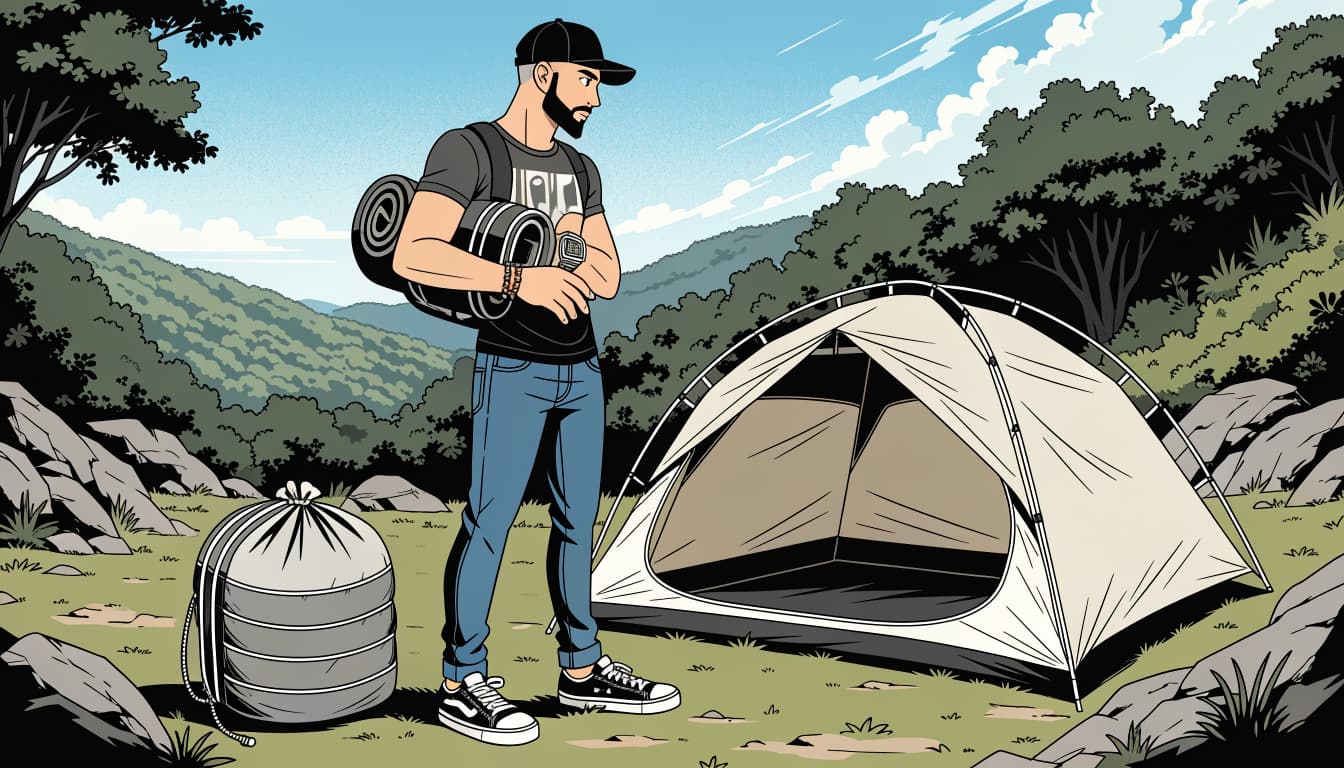
If you carry an 8.13-pound shelter alone, that entire load competes with food, water, sleep gear, and clothing.
Split evenly between two hikers, the arithmetic becomes about 4.1 pounds each. Actual parts rarely divide perfectly, and the tent remains just as heavy overall.
Trip length changes your tolerance. A short walk to a sheltered campsite can justify compromises you'd regret over several days of climbing.
Use one decision rule: compare price, carried weight, packed size, capacity, and trip length together. A cheap shelter that occupies half your backpack can force awkward packing elsewhere.
A car-camping bargain can still be a poor backpacking buy. Choose the load you can manage over your route, rather than the product category printed beside the checkout button.
Streetwear & Casual Styling
Once your shelter choice is settled, keep your off-trail outfit simple: a graphic tee, comfortable pants, and layers suited to the weather.
Our Cyber-Brutalist Anime Graphic Tees handle self-expression. They aren't technical hiking gear or rated sun protection.
Build a casual look around the "Pack It Out, Champ" Tee, or pair the "Nature Is My Therapist" Tee with relaxed pants and familiar sneakers.

For actual trail miles, choose broken-in footwear suited to the ground. Add separate rain protection when needed. Your hoodie can provide warmth without being promoted to waterproof armor.
Frequently Asked Questions
Can you find a reliable backpacking tent for under $100?
Yes, a basic design or sale can put a useful shelter within your budget. You still need construction suitable for your trip and return terms that leave time for a home setup. A low price alone doesn't establish reliability.
Is a 5-pound tent too heavy for backpacking?
Five pounds can be manageable on a short trip, especially when you share the shelter. For a solo trip, judge it against your full pack rather than a universal cutoff. Include every tent component you'll carry.
Can two adults sleep comfortably in a two-person tent?
You may fit comfortably, but capacity labels often leave little room for gear. Floor dimensions, wall slope, and vestibule space matter more than the number in the name. Wide pads can make an apparently adequate floor feel cramped quickly.
What should you check before your first trip?
Practice a complete setup, inspect all parts, and review the weather for your route. Put your inflated sleeping pads and intended gear inside. You want any fit problem discovered at home, where changing plans doesn't involve repacking in the rain.
Choose the Tent You'll Want to Carry
Your strongest budget choice balances price with the load you'll carry, sleeping comfort, and expected weather. A low checkout total loses its appeal when the shelter is too bulky or heavy for your route.
Base your purchase on the exact model's listed price and specifications, rather than an undated roundup tier. Then pitch it at home with your sleeping pads and gear inside.
The useful bargain is a shelter that fits your trip, your pack, and your actual sleeping setup.