

Best Backpacking Tents Under $200: What to Buy
TrendReactTees.STORE TeamYes, you can find a capable backpacking tent for under $200. The best backpacking tents under 200 dollars balance packed weight, weather protection, and room against price, so expect a few tradeoffs.
For camp or travel downtime, the Nature Is My Wifi and Nature Is My Therapist shirts bring the outdoors into your outfit. They're casual graphic tees, not technical hiking layers. Tent prices and specifications can vary by retailer and model version, so the exact listing matters.
This post may contain affiliate links. If you make a purchase through these links, I may earn a small commission at no extra cost to you.
Key Takeaways
- The Kelty Late Start 2 is the clearest supported budget pick, with a listed standard price of $159.95.
- Compare packaged weight with packaged weight, not a tent's minimum weight with another model's full kit.
- A two-person rating doesn't guarantee comfortable space for two adults and their gear.
- Three-season describes a general use category, not a promise of winter or severe-weather protection.
- Include accessories in your budget, then match the shelter to your routes and conditions.
Best backpacking tents under 200: which models deserve a look?
The shortlist is a little less crowded than the search results might suggest. The Kelty Late Start 2 is the most clearly supported option under $200. Other familiar models either exceed the limit or need a closer look before they count as a dependable budget recommendation.
Kelty Late Start 2 is the clearest budget pick
The Kelty Late Start 2 is a two-person, three-season, double-wall tent with one door, one vestibule, and a full-coverage rainfly. Its standard listed price is $159.95. November 2026 sale listings vary, with examples at $119.96 and $96.99, but those prices depend on the retailer and available stock.
The listed minimum weight is about 4 pounds, while packaged weight is 4 pounds 8 ounces. That's a noticeable load for a two-person shelter, especially if you're carrying it alone. Product listings give a 29.5-square-foot floor, dimensions of 85 by 54 inches, and a packed size of 16 by 7 by 7 inches. Treat those as the figures for the listing in front of you, not a guarantee that every model version uses identical specifications.
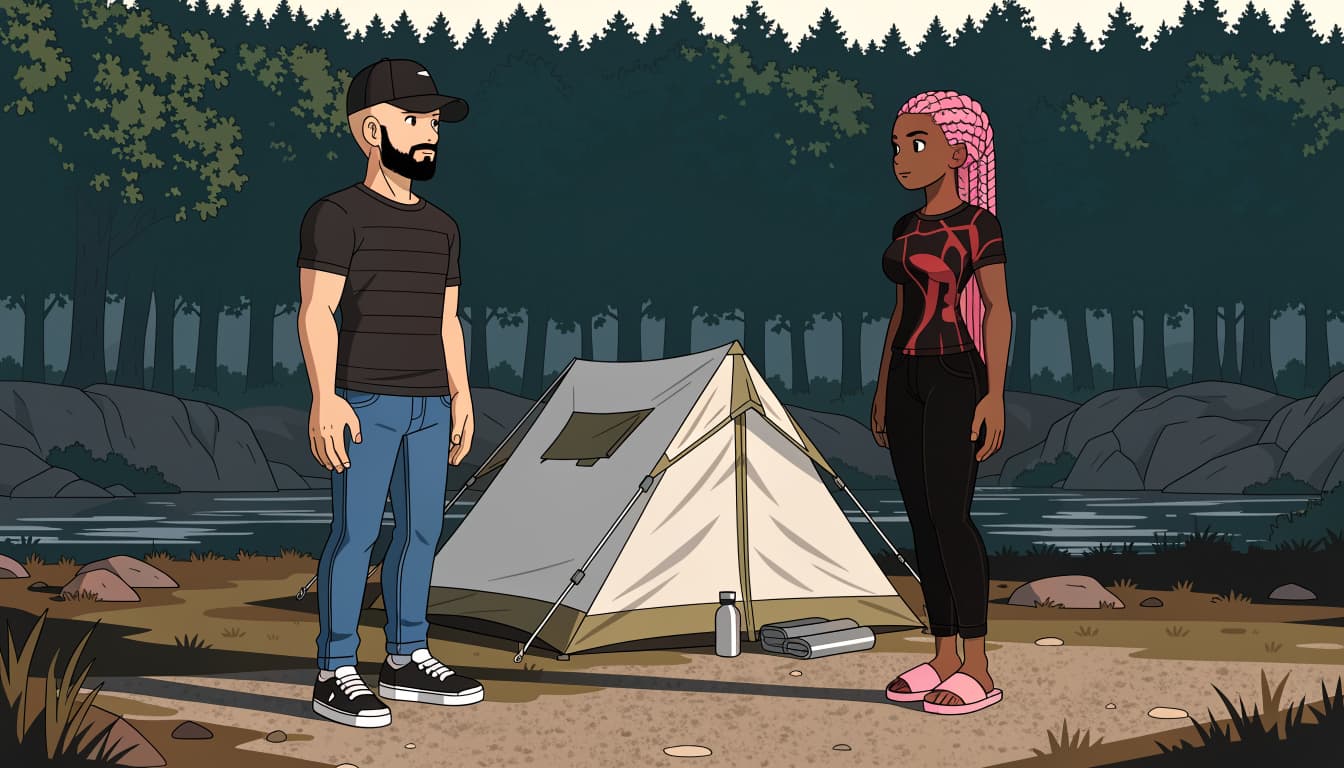
The tent's one-door layout is a clear compromise for two sleepers. Still, if you're focused on a straightforward shelter below $200, it's the strongest verified starting point in this group.
Treat other near-budget models as leads, not guaranteed deals
The REI Co-op Trail Hut 2 was listed at $259 in November 2026, so it doesn't meet a strict $200 ceiling. Its two doors, two vestibules, and included footprint add useful features, but they don't change the price.
The REI Co-op Trailmade 2 has appeared at $199 in a comparison source. Its price and full specifications weren't confirmed consistently enough to recommend it as a verified under-$200 buy. If you're considering it, treat it as a lead rather than the sure thing in this shortlist. For a wider price and design comparison, browse REI's 2026 backpacking tent roundup.
How to choose a backpacking tent that fits your trip
A low price only helps if the tent suits the way you camp. Compare the weight you'll carry, how you'll share the sleeping space, and what parts of the shelter protect you from rain.
Compare trail weight with packed weight
Minimum weight, often called trail weight, may leave out components such as stakes or the stuff sack. Packaged weight covers the components included with the purchase, making it a better guide to what might go into your pack. Use the same kind of weight figure when comparing tents. Otherwise, one model can look lighter because the listing leaves more out of the total.
The Late Start 2 shows why that distinction matters: its minimum weight is about 4 pounds, and its packaged weight is 4 pounds 8 ounces. When you're planning a solo load, the second number is the more useful starting point. REI's backpacking tent buying guide explains the difference between these weight measures and other selection factors.

Check sleeping space, doors, and covered storage
A two-person label describes capacity, not personal space. Floor area and shape determine whether your sleeping pads fit side by side, while doors affect how easily you and your tentmate can get in and out. Vestibules give you covered space outside the sleeping area for boots or packs.
The Late Start 2's single door and vestibule mean one person may need to move while the other gets in or out. That may be fine for a solo camper who wants extra room, but it can feel cramped when two adults bring wide pads and plenty of gear. Its listed floor area is one useful detail, but the dimensions and shape matter too.
Look at the whole shelter, not one waterproof number
Rainfly coverage, sealed seams, floor fabric, mesh, and setup all affect how a tent works as a shelter. The Late Start 2's full-coverage rainfly is a helpful feature, and listings report a 1,800 mm coating rating for its fly and floor. A single waterproof figure doesn't tell you how the whole tent handles your conditions.
Fabric denier is another detail, not a durability verdict. It describes fabric thickness, but doesn't establish seam quality, abrasion resistance, or expected life. Look at the full design and consider where you'll camp. A tent that suits a sheltered, mild-weather trip may not be the right pick for exposed sites.
What you gain and give up with a tent under $200
An affordable tent can work well for many standard backpacking trips. At this price, though, it can be harder to get low weight, generous interior space, and multiple doors all in one package. Choose which tradeoffs matter most for your trips instead of expecting a budget model to win every category.
A tent that looks spacious on its floor-area figure may feel tighter once two pads and packs enter the picture. A lighter tent may trim access points or storage space. And if you're carrying the full shelter solo, a few pounds can matter more than the two-person capacity printed on the bag.
Know what a three-season rating does and does not mean
Three-season is a general use category, not a promise that a tent is suited to every kind of weather. It doesn't certify a model for winter use, heavy snow, or exposed high winds. Match the shelter to the forecast, route, and camping conditions you expect.
The Late Start 2 is listed as a three-season tent. That gives you a useful starting point, not a pass to ignore the campsite or forecast. If the trip calls for protection beyond ordinary three-season use, shop for a shelter built for those conditions.
Budget for the footprint and the rest of your kit
Your tent's price isn't always the full cost of getting started. A footprint may be sold separately, while another tent's package may include one. The Late Start 2 is shown without a footprint in one listing, so don't assume an accessory is in the box just because it appears in a product photo.
Separate essential first-trip items from optional upgrades. That makes it easier to see what you need now, what you already own, and what can wait. A sale price looks different once you account for any missing accessories you actually want.
Set up and test your tent before the first trail night
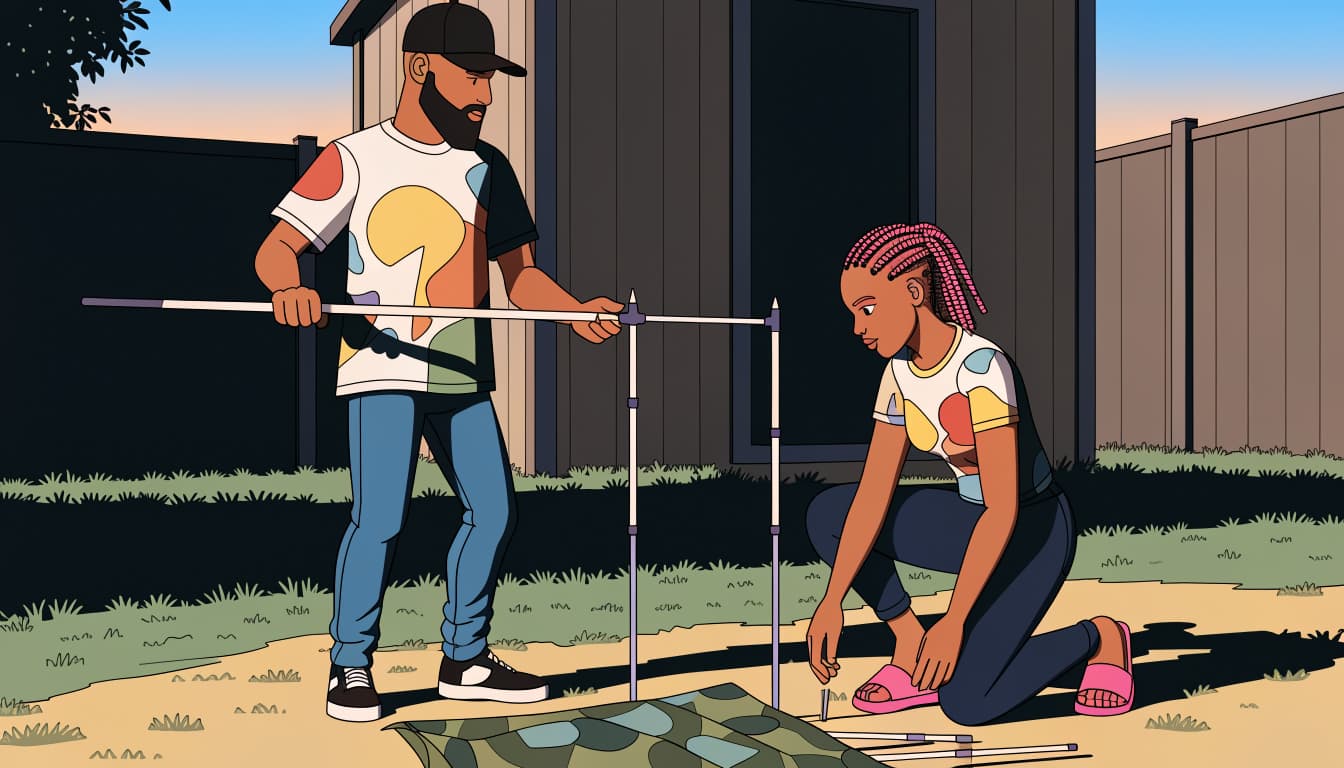
Give yourself a practice pitch at home before taking the tent into the backcountry. That's when you can work out the pole sequence, see how the rainfly and vestibule fit, and figure out where the stakes and guylines go. A backyard or local-camp test can reveal a setup snag before darkness and tired legs join the party.
Check the package for the tent body, poles, stakes, and guylines. Then pitch it once without rushing. If you're sharing it, have both sleepers try getting in and out, and check that your pads fit the way you expect. The point is to arrive at camp knowing how the shelter goes together, not to stage an elaborate gear rehearsal.
Streetwear & Casual Styling
After the gear is sorted, build a camp or travel outfit around a Cyber-Brutalist Anime Graphic Tee, comfortable bottoms, and shoes you've already broken in. A bold print can carry the personality; the rest of the outfit can stay easy to move in. The Leave No Trace. I'm Trying. tee and Pack It Out, Champ tee fit that campsite-humor lane.

Cotton graphic tees are for camp and travel downtime. On trail, wear weather-ready technical layers that suit the conditions. Your shirt can deliver the joke; your outer layer still has to handle the weather.
Frequently Asked Questions
Can two adults comfortably share a budget two-person tent?
It depends on body size, sleeping-pad width, gear, and the tent's floor shape. Check the listed dimensions and compare them with your pads before deciding that a two-person label means roomy.
Is a four-pound tent too heavy for backpacking?
It can be manageable on some trips, especially when two people split the shelter components. If you're carrying it solo, plan around packaged weight rather than relying on a lighter minimum-weight claim.
Does a cheaper tent need a separate footprint?
Not always, because package contents vary by model and retailer. Check what's included with the tent and follow the maker's care guidance for the floor.
Can you use a three-season tent in winter?
A three-season label alone doesn't make a tent suitable for winter exposure. It isn't a guarantee of protection in snow, severe wind, or other conditions beyond the shelter's intended use.
Choose for the trip, not just the price
A good budget pick is the tent that fits your load, sleeping setup, and expected conditions. Compare the full packed weight, usable space, weather protection, and included accessories before you settle on a price.
The Kelty Late Start 2 is the clearest verified option under $200 in this shortlist, with tradeoffs worth weighing before you buy. Prices and specifications can change across retailers and model versions, so confirm the current listing for the exact tent you plan to purchase.