

Best Gaiter for Skiing: Choose Coverage That Fits
TrendReactTees.STORE TeamThe best gaiter for skiing covers cold-air and snow gaps around your collar and face without compromising helmet or goggle fit. There's no universal winner: your weather, effort, and exposed skin decide the loadout.
For cabin downtime, our My Cabin Is 404 Tee and Wifi Down Send Snacks Cabin Tee belong with casual pants and a warm jacket, not in your technical ski-layer lineup. Your outfit can have offline energy after your equipment handles the mountain.
Start with coverage and comfortable fit, then choose warmth and breathability for the conditions you're skiing.
This post may contain affiliate links. If you make a purchase through these links, I may earn a small commission at no extra cost to you.
Key Takeaways
- Choose coverage around the weather, your effort level, and the skin your other layers leave exposed.
- Compare neck tubes, balaclavas, and over-helmet hoods as different designs, not interchangeable accessories.
- Fabric names alone don't establish warmth, wind resistance, drying performance, or helmet compatibility.
- Treat named models as comparison options rather than a tested ranking.
- Assess the complete helmet-and-goggle setup, follow garment care directions, and save casual graphic tees for afterward.
How to Choose the Best Gaiter for Skiing
Your starting point is the day ahead. Long, windy lift rides and high-effort uphill travel place different demands on your face covering.

Match coverage to weather and effort
For milder weather or hard efforts, a neck tube gives you adjustable lower-face coverage without a full hood. When your head, ears, and cheeks need coverage too, a balaclava offers a more enclosed design.
Wind deserves separate attention. A thick-looking fabric doesn't establish wind resistance. For exposed lifts, prioritize an explicit wind-resistant panel or shell over a dramatic product name. "Arctic Destroyer" isn't a material specification.
Keep the rest of your layers involved
Your gaiter needs to meet your jacket collar without leaving an exposed strip whenever you move. It also needs to coexist with your helmet and goggles.
The Winter Sports Company's ski clothing layering guide explains the broader goal: warmth, dryness, and movement across a full day. Apply that thinking here. Maximum insulation isn't automatically useful when your face covering becomes uncomfortable during hard runs.
Neck Gaiter, Balaclava, or Hood: Which Coverage Fits Your Day?
Shape determines which areas you can cover and how much fabric joins your existing equipment.

Neck tubes offer adjustable coverage
A conventional neck gaiter covers your neck and can extend over your chin or nose. It usually leaves your crown and ears uncovered, so those areas depend on the rest of your setup.
You can lower the fabric when you want your mouth uncovered. The trade-off is retention: a tube that slips down leaves you repeatedly adjusting it. Length and stretch matter alongside thickness, particularly where the bottom meets your collar.
Balaclavas and hoods cover more territory
A balaclava adds head and ear coverage, often with an opening around the eyes or face. Hinged designs let you change face coverage without removing the entire hood.
Under-helmet and over-helmet designs need separate consideration. Outdoor Research describes low-profile balaclava construction intended for helmet use. An over-helmet hood instead needs room around the helmet shell. These shapes carry different bulk and adjustment trade-offs; "hood" alone doesn't tell you where it belongs.
Compare Ski Gaiter Materials, Warmth, and Breathability
Fabric content gives you useful information, but construction determines how that information translates into comfort. Weight, layers, fit, and finishes all matter.

Read beyond the fiber name
Merino options often emphasize temperature regulation and odor resistance. Craniologie's helmet and layering guidance discusses those qualities, but they don't establish how every wool garment will feel against your skin.
Fleece offers a plush insulating texture. Synthetic options span lightweight knits, brushed fabrics, and more structured panels. You can't rank those categories by warmth or drying speed without considering the actual garment. Your face doesn't wear a fiber-content spreadsheet.
Separate insulation from wind protection
Insulation and wind resistance answer different questions. A face covering can feel cozy indoors without providing the wind protection you want on an exposed chairlift.
Look for an explicit panel or shell description where wind protection matters. For active skiing, balance that coverage with ventilation and manageable warmth.
Damp fabric can become uncomfortable once your effort drops. A warmer label doesn't solve that problem, and additional insulation can make a hard run feel unnecessarily stifling.
Ski Gaiter Models Worth Comparing
These names give you concrete comparison options. They aren't a podium finish: no transparent, repeatable testing here establishes one overall winner.

Use the supported distinctions below to narrow the type of design you want.
| Model or collection | Useful comparison detail |
|---|---|
| BlackStrap Expedition Hood | BlackStrap positions it around maximum warmth and storm-ready use. That positioning isn't a comparative test result. |
| BlackStrap Camber Hood | BlackStrap describes it as an over-helmet warmth option, a different placement from an under-helmet layer. |
| Smartwool Thermal Merino Balaclava | Smartwool lists 100% merino wool and double-layer construction, with moisture-management and odor-resistance claims. |
| BUFF ThermoNet Hinged Balaclava | BUFF describes easy face adjustment and active warmth. Its broader technology ratings aren't independent model-specific results. |
| BUFF Merino Lightweight Neck Warmer | A named neck-warmer option for your comparison, without a supported performance ranking here. |
| Turtle Fur Shellaclava and The Turtle's Neck | Two additional model names, without enough supported detail here to assign construction or performance advantages. |
| Seirus Combo Clava | Another comparison lead, without a supported warmth or fog-control advantage here. |
| Airhole balaclavas | The collection includes Merino, Polar Fleece, Drytech, Waffle Fleece, and Polartec Power Dry versions. Those aren't interchangeable specifications. |
The clearest differences are coverage, helmet placement, and documented construction. Airhole's range illustrates why a brand name alone doesn't describe the garment you're choosing.
You don't gain useful information by treating every balaclava as the same item with different artwork. Keep your shortlist tied to the conditions and coverage you need.
Check Helmet Fit, Goggle Seal, and Care Before You Buy
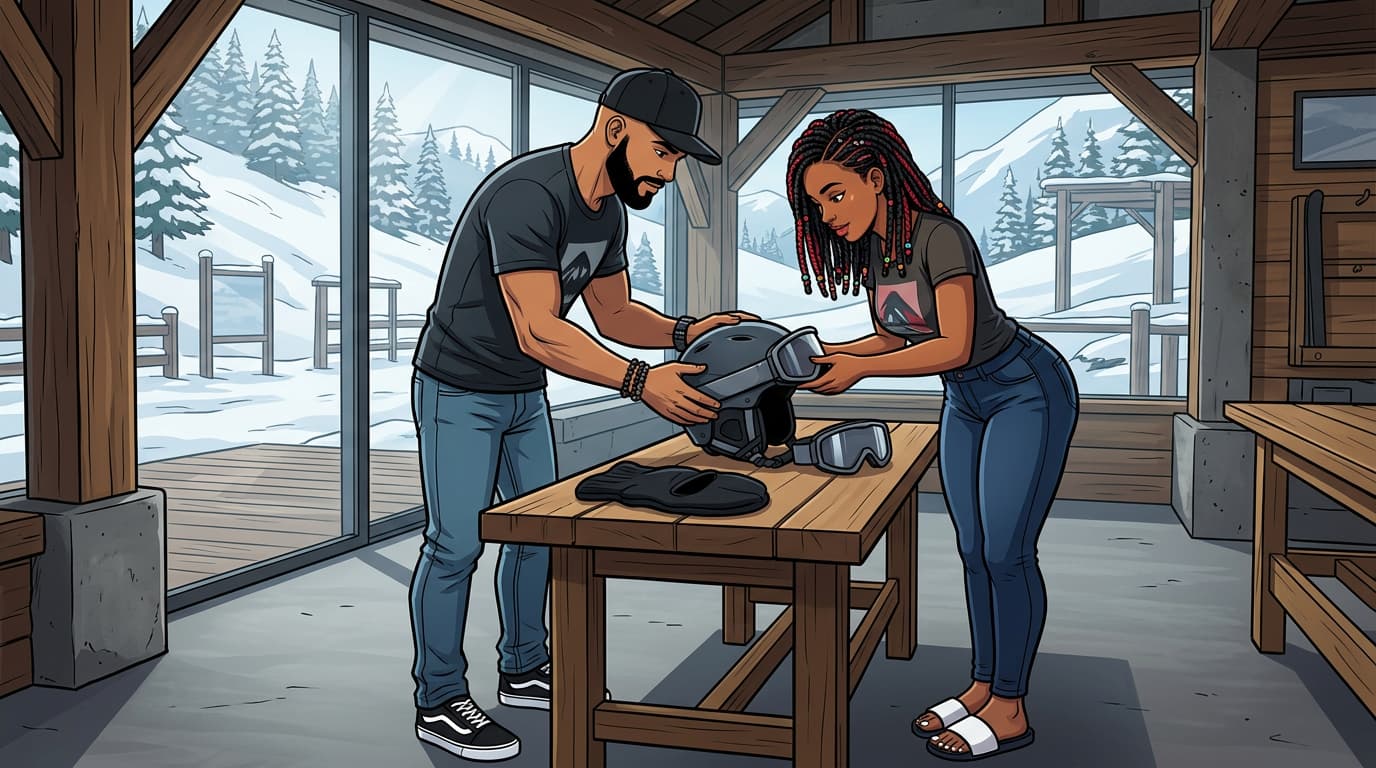
Your covering shares limited space with equipment that already needs to fit correctly. A compatibility claim can't establish that every combination works.
Judge the complete setup
Use your helmet maker's fitting guidance when assessing the combination. Pressure, bunching, restricted vision, or interference around your goggles are reasons to reconsider the pairing.
Mons Royale's balaclava fit guidance discusses how excess fabric can interfere with helmet fit. The useful principle is simple: adding warmth shouldn't cost you correct equipment positioning.
For a visual discussion of balaclava fit with helmets and goggles, watch this walkthrough.
Treat ventilation and care as practical features
A vent or breathing opening doesn't guarantee fog-free goggles. Moisture, airflow, and the interaction between your covering and goggles still matter. Product artwork can't negotiate with condensation.
Care instructions belong in your buying decision too. Choose something you can maintain according to its garment label rather than assuming every wool or synthetic item accepts the same wash routine.
Replace stretched or damaged coverings when they no longer hold their intended shape or coverage. Persistent slipping isn't a personality trait you need to tolerate.
A face covering's warmth claim doesn't establish helmet compatibility or fog control. Those are separate questions.
Streetwear & Casual Styling
Once you're indoors and out of your ski layers, your graphic tee can take over the personality department.
Build an après-ski look around our Cyber-Brutalist Anime Graphic Tees with relaxed pants and a warm jacket. The Reading Total System Crash Tee fits the post-ski, socially buffering mood. Our My Cabin Is 404 Tee keeps the winter-cabin reference without pretending your shirt has technical mountain credentials.
Keep the graphic visible indoors. Close your jacket when you head outside, and choose footwear for the conditions. Casual apparel belongs in the lodge or ride-home outfit, not as a substitute for proper cold-weather ski layers.
Frequently Asked Questions
Can you wear a neck gaiter under a ski helmet?
You need a combination that preserves your helmet's intended fit. A helmet-compatible description doesn't establish compatibility with every helmet, so assess your complete setup using the helmet maker's fitting instructions.
How do you keep a ski gaiter from fogging your goggles?
You can't count on one universal adjustment or vent design to prevent fog. If breath is escaping toward your goggles, the covering-and-goggle combination needs attention; results depend on airflow, moisture, conditions, and fit.
Is merino wool or fleece better for skiing?
You don't get a universal winner by choosing a fiber category. Compare the garment's construction, insulation, comfort, and intended activity level rather than assuming either material automatically handles your day better.
Can you use one gaiter for skiing and snowboarding?
You can use the same covering for either sport when it suits the weather and works with your helmet and goggles. The relevant differences are your conditions and equipment combination, not whether both feet share one board.
Choose Coverage That Works With Your Gear
Your best choice matches the day's exposure without adding warmth or bulk you don't need. Start with the areas you want covered, then compare fabric construction and intended helmet placement.
Give the complete setup more weight than an impressive product name. Your helmet, goggles, jacket, and face covering need to work together before you head to the lift.
Save the dramatic graphic statements for the lodge. On the mountain, comfortable coverage earns its place.