

Best Hatchet for Backpacking: How to Choose
TrendReactTees.STORE TeamYour trail-day mood can start with a Nature Is My Wifi tee or a Protect The Park tee, but the best hatchet for backpacking depends on permitted use, pack weight, and the rules where you're headed.
For plenty of trips, the right hatchet is no hatchet. If your campfire wood must be small enough to break by hand, a chopping tool adds weight without giving you a permitted job to do. Where a hatchet is allowed and useful, choose for the task, not the biggest price tag or the smallest silhouette.
The models below make a practical shortlist, with reported 2026 prices and specs. Treat those figures as snapshots, not permanent checkout prices.
This post may contain affiliate links. If you make a purchase through these links, I may earn a small commission at no extra cost to you.
Key Takeaways
- Check land rules and fire restrictions before packing a hatchet.
- Many backpacking trips call for hand-breakable wood, not chopping.
- Compare complete tool weight and length, not head weight alone.
- A compact handle saves space but can reduce leverage and control.
- Leave the hatchet home when your trip has no permitted use for it.
Best Hatchet for Backpacking: Start With the Job
The best choice is the lightest safe tool that handles a real, permitted task. That doesn't automatically mean the shortest hatchet. A tiny handle can make a tool harder to control, while a longer one adds leverage at the cost of pack space.
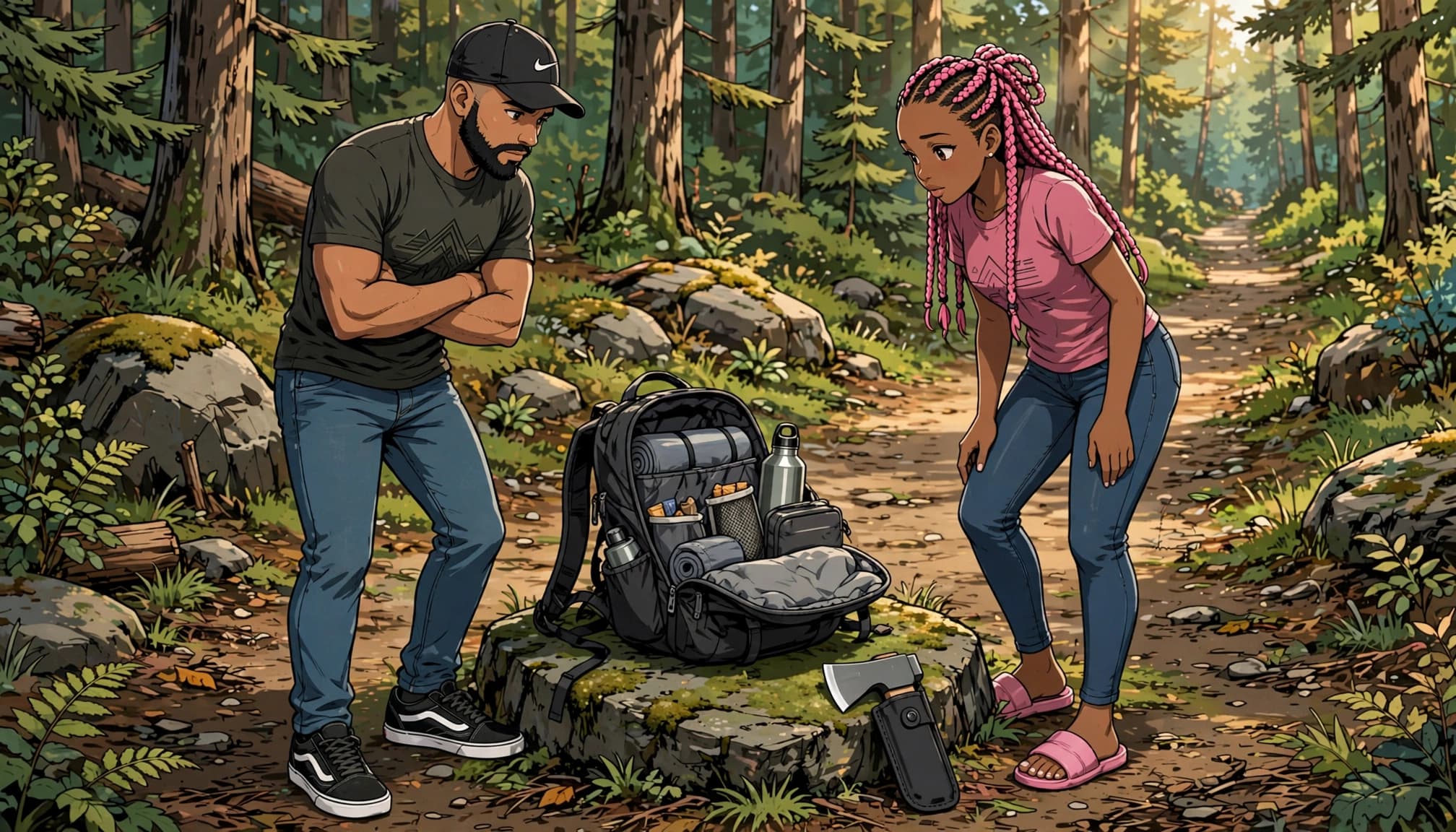
First, ask what you'll use it for. If you only need to gather firewood, many destinations direct campers to use dead, down wood that breaks by hand. In that case, you probably don't need a hatchet. If your trip allows a specific camp chore that requires one, match the tool to that job and your experience using it.
Here's the quick verdict by use case: the Fiskars X7 is a lower-cost, longer option for occasional camp tasks; the Gerber Pack Hatchet is shorter, but heavy for its size; and traditional-handle models from Gränsfors Bruk and Hults Bruk suit buyers who value forged steel and hickory. None is a universal backpacking winner.
Compare Compact Hatchets by Weight, Size, and Price
These reported prices and measurements come from published 2026 comparisons and listings. Prices vary by source and can change, so use them to frame a shortlist rather than as guaranteed checkout totals. The figures describe different tool designs, not interchangeable packages or hands-on test results.
Light and affordable picks for occasional camp tasks
The Fiskars X7 was listed around $27 to $36, at 1 lb 6 oz and 14 inches overall. It's the lower-cost, longer option in this group. Its FiberComp handle and forged carbon-steel head make it a more conventional compact hatchet than the very short Gerber.
The Gerber Pack Hatchet was reported at about $52, 20.8 oz, and 9.46 inches long. That shorter profile can be easier to fit in a pack, but its weight is relatively high for its length. Published blade-length figures conflict: one listing reports 3.5 inches, while a review reports 2.5 inches. Treat that measurement as unsettled.
Premium choices with traditional handles
The Gränsfors Bruk Wildlife Hatchet was listed around $195, with a reported weight of 1 lb 4.8 oz and length of 13.7 inches. The Hults Bruk Ågelsjön was about $190, 1 lb 5 oz, and 9.4 inches long. The Hults Bruk Hultan, formerly called the Almike, was around $199 to $200, 1 lb 12 oz, and 16 inches long.
These models pair forged steel with hickory handles. That's a premium materials choice, not proof that any one is a better fit for your route or your hands. Length, weight, pack space, and permitted use still decide whether the added cost makes sense.
When a larger axe is more tool than you need
The Gränsfors Bruk Small Forest Axe is a larger tool than the compact hatchets above. Its reported 1.5-pound figure is the head weight, not the weight of the complete axe. A retailer lists the whole tool at about 980 g and 49 cm long.
The Estwing Camper's Axe is another heavier option, reported at 2.3 lb and 14 inches. Compare the total carry weight, including the handle and any protective cover. A number for the head alone won't tell you what you're strapping to your pack.
Choose a Backpacking Hatchet That Fits Your Pack and Skills
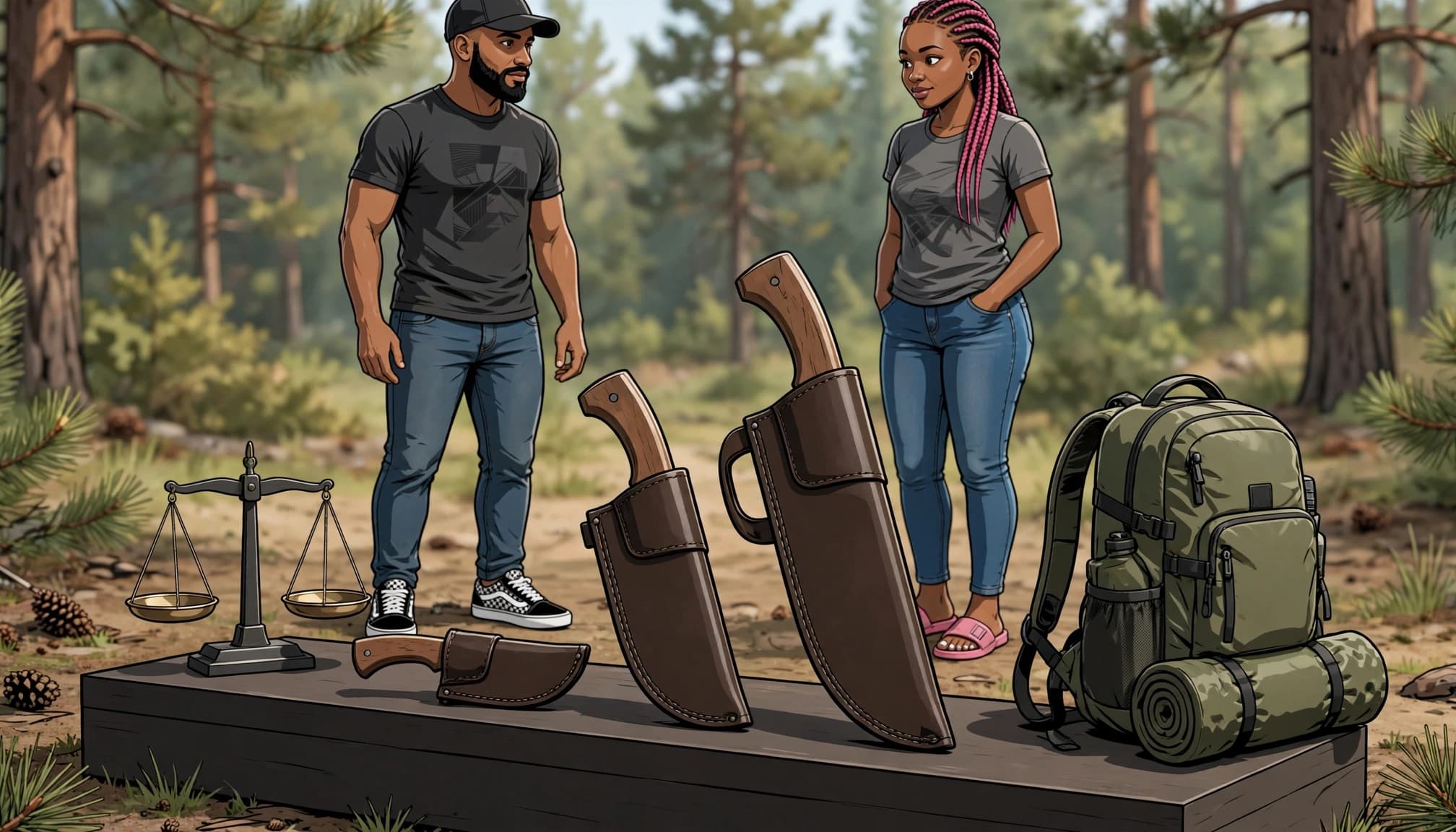
Start with the complete tool weight, then add the cover and any attachment you'll carry. A listed hatchet weight may not include its sheath, and that difference still lands on your shoulders. The numbers can look small in a product chart; they feel less abstract several miles into a climb.
Overall length matters too. A short hatchet takes less room and may be easier to secure, but less handle length can mean less leverage and a smaller margin for controlled work. Longer handles occupy more pack space and can be awkward to attach. Your own strength and experience matter more than a dramatic product photo.
Look at the head and handle as a pair. Forged steel and hickory are common on premium traditional models, while composite and rubber-overmold handles appear on other designs. Check that the grip feels secure for your hand size, and pay attention to whether the tool comes with a cover that protects the edge during transport.
Compare the sheath and warranty separately. A tool's warranty doesn't tell you what protection comes in the box, and a supplied cover doesn't tell you how warranty claims work. Check the current product details before buying, especially when different listings report different dimensions.
Use Your Hatchet Safely and Follow Local Wood Rules
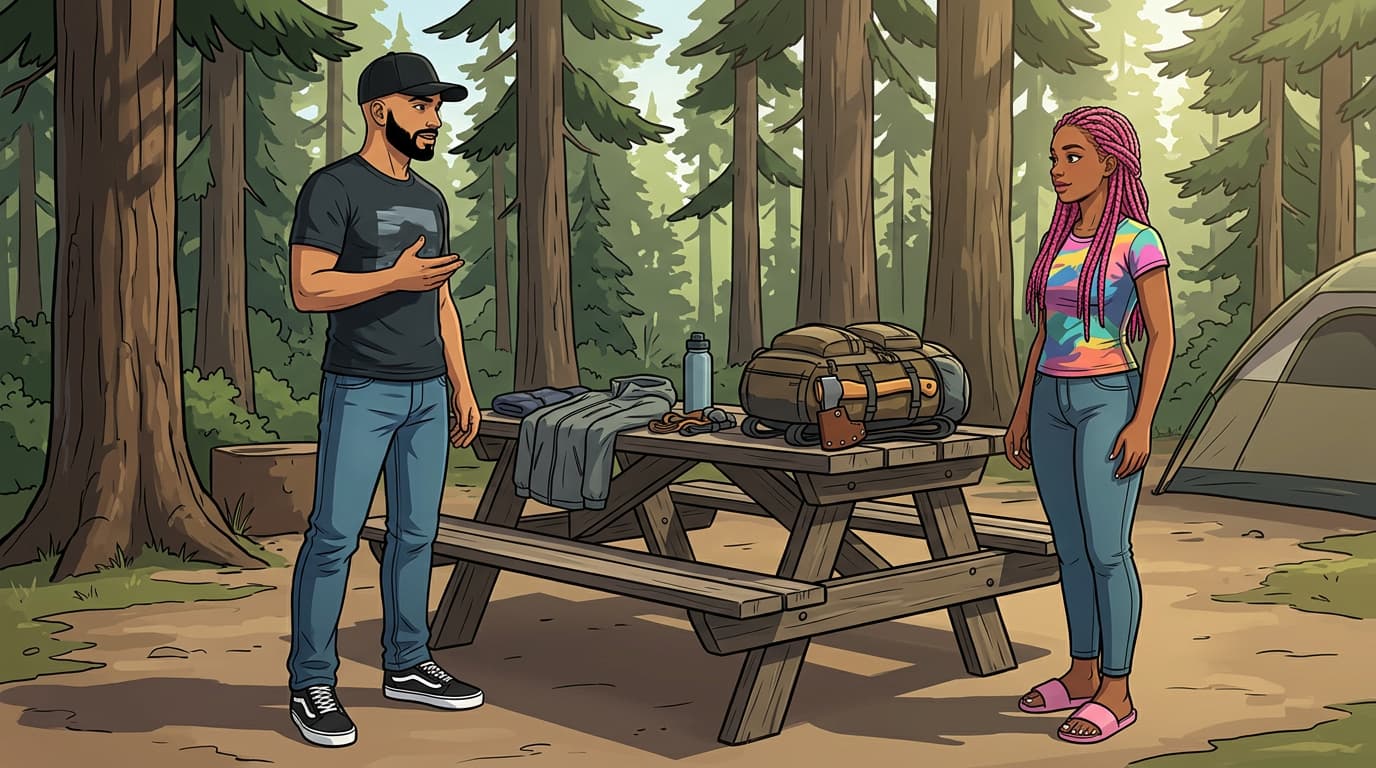
Carrying a hatchet doesn't give you permission to cut live trees or standing dead wood. Rules depend on the land manager and location, and fire restrictions can change. Check the regulations for your destination before you pack a tool or plan a campfire.
Wilderness guidance says to use wood that's already dead and down, less than 2 inches in diameter, and easy to break by hand. The Appalachian Trail Conservancy also advises collecting dead, down wood no larger than a wrist and leaving hatchets and saws at home. Its Leave No Trace guidance explains why a hatchet may have no place on a low-impact trip. The National Park Service's Leave No Trace principles likewise recommend only using down, dead wood that can be broken by hand where fires are permitted.
If a hatchet is allowed and you have a legitimate task, keep the work area clear. Make sure other people are well outside the tool's path, and work on a stable surface rather than a loose log or a knee. Keep the edge covered when the hatchet is in your pack or stored at camp. A sheath is a basic safety item, not optional pack decoration.
Streetwear & Casual Styling for Your Next Trail Day
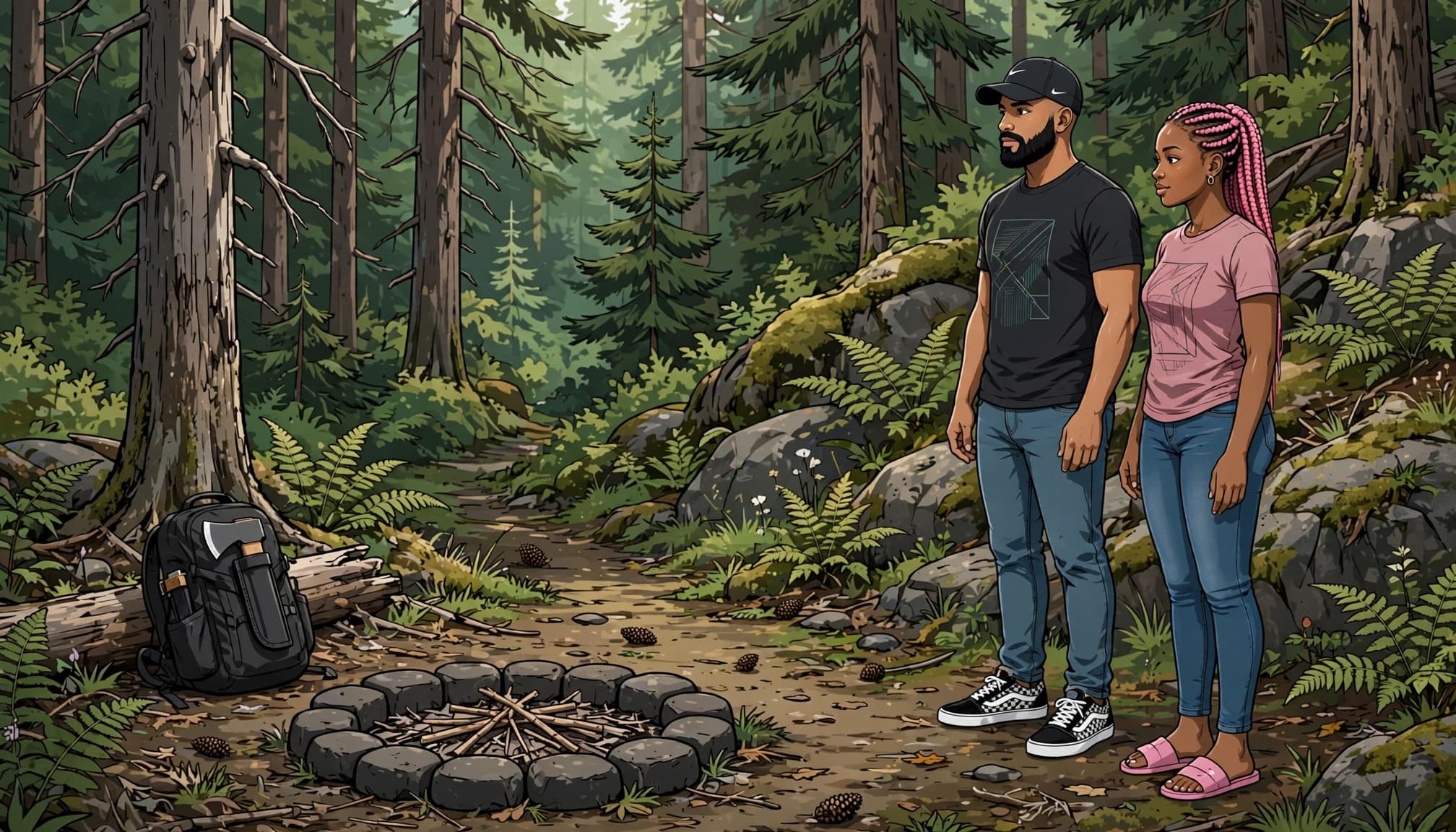
A graphic tee can bring personality to the trailhead; it can't replace weather-ready layers or safe walking clothes. Wear shoes that handle the route, add a rain shell when the forecast calls for one, and keep a warm layer handy for cooler hours. The fit pic is not a weather plan.
For the off-trail part of the day, you can style a casual look around our Cyber-Brutalist Anime Graphic Tees with jeans, a relaxed overshirt, or a hoodie. The Nature Is My Therapist tee brings the outdoors joke; the Leave No Trace tee adds a little trail etiquette with a wink. Keep the hatchet in the gear category, where sharp objects belong.
Frequently Asked Questions
Do you need a hatchet for backpacking?
Many backpackers don't need one. Some destinations direct you to gather dead, down wood small enough to break by hand, which makes a hatchet unnecessary. If your trip has no permitted task for it, leave it home.
What is a good hatchet weight for backpacking?
There's no universal ideal weight. Compare the complete carry weight with the task, your strength, and how much pack space you're willing to give up. Unused gear still has to travel every mile with you.
Can you bring a hatchet on a plane?
The TSA lists axes and hatchets as not allowed in carry-on bags and allowed in checked bags. Check the current airline and transportation security rules for checked baggage before traveling, since the TSA notes that an officer makes the final screening decision. See the TSA's axes and hatchets guidance.
How should you carry and store a backpacking hatchet?
Use a secure edge cover and attach the tool so it can't shift, swing, or snag on other gear. Store it away from food and sleeping equipment, and keep the cover on whenever you aren't using the hatchet.
Choose the Tool, or Leave It Behind
Check the rules first, then match a hatchet to a real task you're allowed to do. Compare its full carry cost, including length, weight, cover, and pack space, with what it will actually let you accomplish.
The right choice may be the X7, a traditional model, or no hatchet at all. If the rules call for hand-breakable wood, leaving the blade at home makes your pack lighter and your camp impact smaller.