

Best Heat Lamp for Dogs: A Safety-First Guide
TrendReactTees.STORE TeamThe best heat lamp for dogs may be no heat lamp at all. Lamps can cause burns and fires, so your safest first move is to ask your veterinarian what your dog needs and consider a warm room before adding direct heat. Comfort comes before equipment.
If your dog has already claimed a starring role in your life, the My Therapist Is A Dog Tee and If They Could Use Internet We'd Be In Trouble Tee are playful ways to wear that fact. They're for you, though, not your dog's heating plan.
Your dog's age, health, and ability to move away from warmth all matter. Start with those details before you shop for anything that plugs in.
This post may contain affiliate links. If you make a purchase through these links, I may earn a small commission at no extra cost to you.
Key Takeaways
- The AVMA advises avoiding heat lamps around pets because they can cause burns or fires.
- A veterinarian can help you decide whether your dog needs supplemental heat and which method fits.
- A warm room, dry bedding, and an accessible cooler area are sensible starting points.
- Heated mats and pads can also burn, so no heated product is universally safe.
- If you suspect a burn, cool the area with clean, cool water and contact your veterinarian promptly.
Best heat lamp for dogs: what to choose and what to avoid
For most home setups, you should skip the heat lamp and start with a warmer environment. The American Veterinary Medical Association's cold-weather animal safety guidance advises avoiding heat lamps and space heaters around pets because of burn and fire risks.
Your veterinarian may recommend supplemental heat in a particular medical situation. That decision depends on your dog and the setup, not a promise on a package.
When your veterinarian may recommend supplemental heat
A dog recovering from illness may have different warmth needs than a healthy adult lounging on the couch. Age, body condition, mobility, and health conditions can all affect how your dog handles cold or moves away from heat.
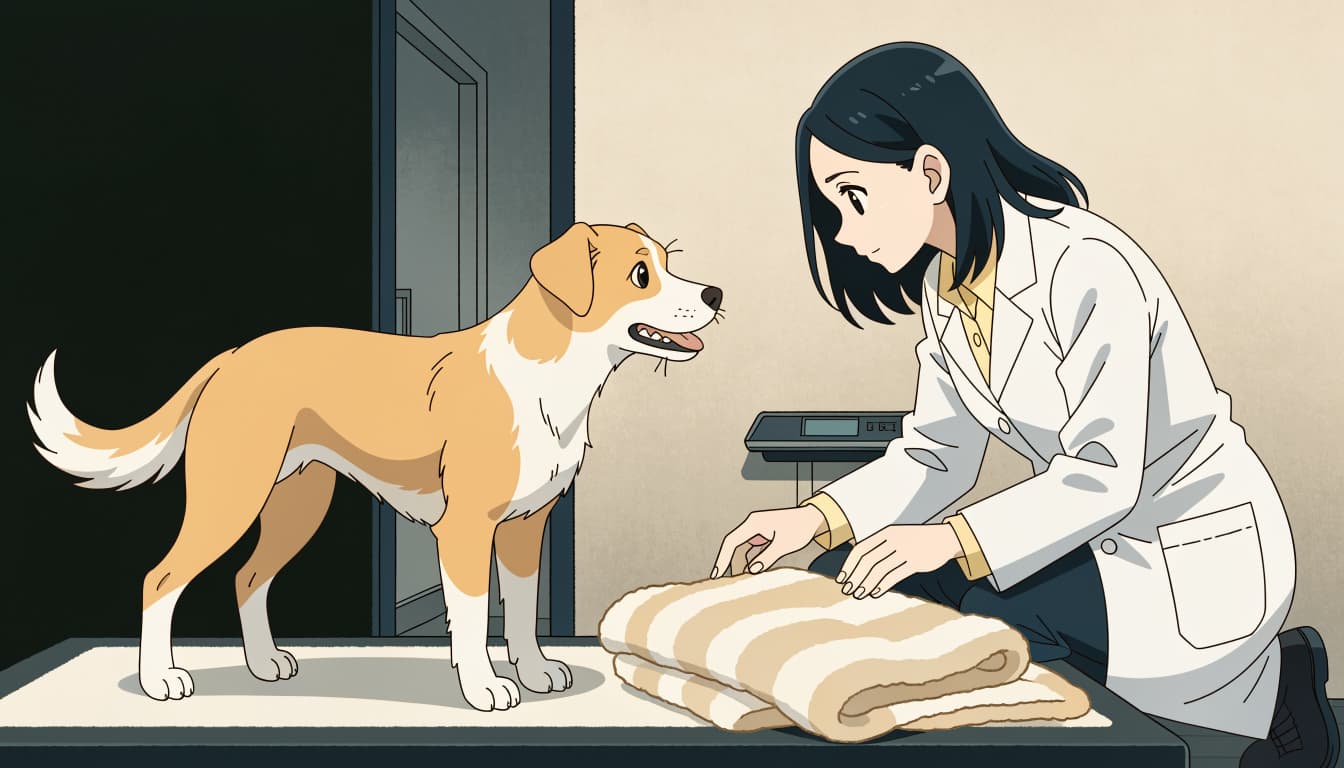
Tell your veterinarian where your dog sleeps, whether the area feels drafty, and what changes you've noticed. If your dog seems unusually weak, lethargic, or persistently cold, ask for medical guidance rather than assuming another layer of warmth will fix the problem.
Ask whether supplemental heat is needed and which method fits your dog's condition. Your vet can also help you plan how closely to monitor your dog.
What to check before buying a radiant heat lamp
If your veterinarian recommends a lamp, read the manufacturer's instructions before choosing or installing it. Look for the intended use, compatible bulb type and wattage, mounting requirements, guard requirements, and required clearance around the unit.
Consider the room as carefully as the lamp. Can you mount it securely, keep the cord out of reach, and give your dog an easy route away from the heated area? A protective guard can help prevent contact, but a guard alone doesn't make a lamp safe.
A generic wattage claim can't tell you whether a setup suits your dog. The complete installation and your veterinarian's direction matter more.
How to keep your dog warm with less risk
A comfortable resting spot doesn't need a glowing bulb overhead. Start with the room, then adjust for the dog who's using it.

Start with a warm room and a cozy resting spot
Warm the room gradually and choose a dry, draft-free place for your dog's bed. Keep bedding clean and dry, and move it away from doors or windows that let in cold air. A dog-sized blanket can add comfort without putting an electrical device against your dog's body.
Leave enough space for your dog to get up and settle somewhere cooler. Watch how your dog uses the area: curling up comfortably and choosing to stay are more useful clues than assuming every dog wants the same setup.
Needs vary with coat, health, age, and living conditions. If your dog is shivering, seems weak, or isn't acting normally, contact your veterinarian. Don't leave your dog unattended with a heat source while you wait for advice.
Compare lamps, heated mats, and other heat sources carefully
A heated mat may look less intimidating than a lamp, but it can still cause burns. Electric heating pads also come with different guidance: some veterinary advice discusses their use in limited circumstances, while other burn-prevention guidance warns against them.
Treat any heated product as a medical and safety decision, not an automatic upgrade. Ask your veterinarian whether it suits your dog, follow the product's instructions, and keep watching for discomfort.
The same principle applies to any direct heat source. Your dog needs room to leave the warmth, and you need to be present to notice a problem. A cozy setup should give your dog choices, not turn its bed into a required hot zone.
Set up supplemental heat without trapping your dog near it
If your veterinarian approves a heat lamp for your dog, follow that advice alongside the manufacturer's instructions. The goal is controlled, supervised warmth with a clear way out.

Secure the lamp and protect the surroundings
Mount the lamp firmly using the equipment and method required by its manufacturer. Keep it and its wiring away from bedding, curtains, and other materials that could catch fire. Your dog shouldn't be able to reach the hot bulb, knock the lamp over, or chew the cord.
A guard may be part of the required setup, but it doesn't replace secure mounting or appropriate clearance. If the lamp can't be installed as directed, don't improvise with a loose clamp or balance it on furniture.
Keep the cooler area open and easy to reach. That matters even more for a dog with limited mobility, who may need your help changing positions or leaving the warm area.
Watch closely and respond to possible burns
Stay with your dog while the heat source is operating, and check your dog often. Restlessness, panting, or repeatedly moving away can mean your dog wants less heat. Switch the source off if your dog appears uncomfortable.
Fur can make a burn hard to see, and the extent of an injury may become clearer over time. If you suspect a burn, move your dog away from the source, cool the area with clean, cool water or a cool wet compress, and contact a veterinarian promptly.
Don't use ice, butter, or ointments. Even a small-looking injury deserves a veterinary assessment because the skin beneath the coat may be more affected than it first appears.
Streetwear & Casual Styling
Once your dog's comfort is sorted, your own outfit can bring the personality. Our Cyber-Brutalist Anime Graphic Tees are made for the dog person whose sense of humor comes with a little internet static.

Pair the Dog Eats Custom Kibble Living On Ramen Tee with dark denim and simple sneakers. Add an open overshirt or a relaxed jacket when you want another layer. The graphic gets room to speak, while the rest of the outfit stays easy to wear.
For a different flavor of dog-parent chaos, style the Scream At Void My Human Understands Tee with black jeans and a loose layer. It's a casual fit for errands, a coffee run, or a walk with your favorite four-legged commentator.
Your clothes are personal expression, not dog-care equipment. Bring the appropriate leash and walking gear, pay attention to the weather, and let your dog's comfort guide the outing. The tee can handle the visual noise without turning a neighborhood walk into a wardrobe boss fight.
Frequently Asked Questions
Can you leave a heat lamp on while your dog is alone?
Don't leave a heat lamp unattended around your dog. Burns and fires can happen without someone there to notice or intervene. Ask your veterinarian about safer ways to keep your dog comfortable when you're away, including adjustments to the room and resting area.
How can you tell if your dog is getting too hot?
Your dog may move away from the heat, become restless, pant, or seek a cooler spot. Those signals are a good reason to switch off supplemental heat and give your dog room to cool down. Contact your veterinarian if your dog seems unwell or the behavior concerns you.

Is a heat lamp suitable for puppies or older dogs?
Age alone doesn't make a lamp or any other heated setup safe. Puppies, older dogs, sick dogs, and dogs with limited mobility may need special care and may not reliably move away from heat. Ask your veterinarian what your individual dog needs before adding a heat source.
What should you do if you think your dog has a heat burn?
Move your dog away from the heat and cool the area with clean, cool water or a cool wet compress. Contact your veterinarian promptly, even if the injury looks minor. Fur can hide affected skin, so don't wait for the full injury to become visible or apply ice, butter, or ointments.
Choose Comfort Over a Quick Fix
There isn't one best heat lamp for every dog. A warm room and a dry resting place give you a practical starting point, while your veterinarian can help you decide whether your dog needs anything more.
Keep a clear escape route available whenever you use supplemental heat. Your dog's behavior matters more than how cozy the setup looks to you.
Watch for discomfort, and act quickly if you notice signs of overheating or injury. Your dog deserves a warm place with room to choose where to rest.