

Best Over-Glasses Ski Goggles: Fit-First Picks
TrendReactTees.STORE TeamYou want pressure off your frames, fog off your lenses, and a helmet fit that doesn't feel like a boss fight. OTG means "over the glasses," and these goggles leave room for prescription frames inside the goggle.
The best over-glasses ski goggles start with usable clearance, then add lenses suited to your weather. For your off-slope outfit, our Updating Our Firmware Tee or Reading Total System Crash Tee belongs under relaxed casual layers, nowhere near the protective-equipment category.
Start with the model comparison, then put your own glasses and helmet through a proper fit test before choosing your lens.
This post may contain affiliate links. If you make a purchase through these links, I may earn a small commission at no extra cost to you.
Key Takeaways
- Smith Knowledge OTG is an adult starting point with listed ventilation and anti-fog features.
- Smith Reason OTG is a kids' model, so don't treat it as a default adult alternative.
- Your glasses should sit naturally without touching the goggle lens or creating pressure.
- Match lens VLT to your usual light conditions, rather than choosing by mirror color.
- Clear vents, dry gear, and a comfortable strap matter throughout your ski day.
Best over glasses ski goggles: models worth comparing
For an adult shortlist, start with Smith Knowledge OTG. Smith Reason OTG belongs in a younger skier's comparison, while OutdoorMaster OTG is a budget candidate rather than an automatic equivalent.
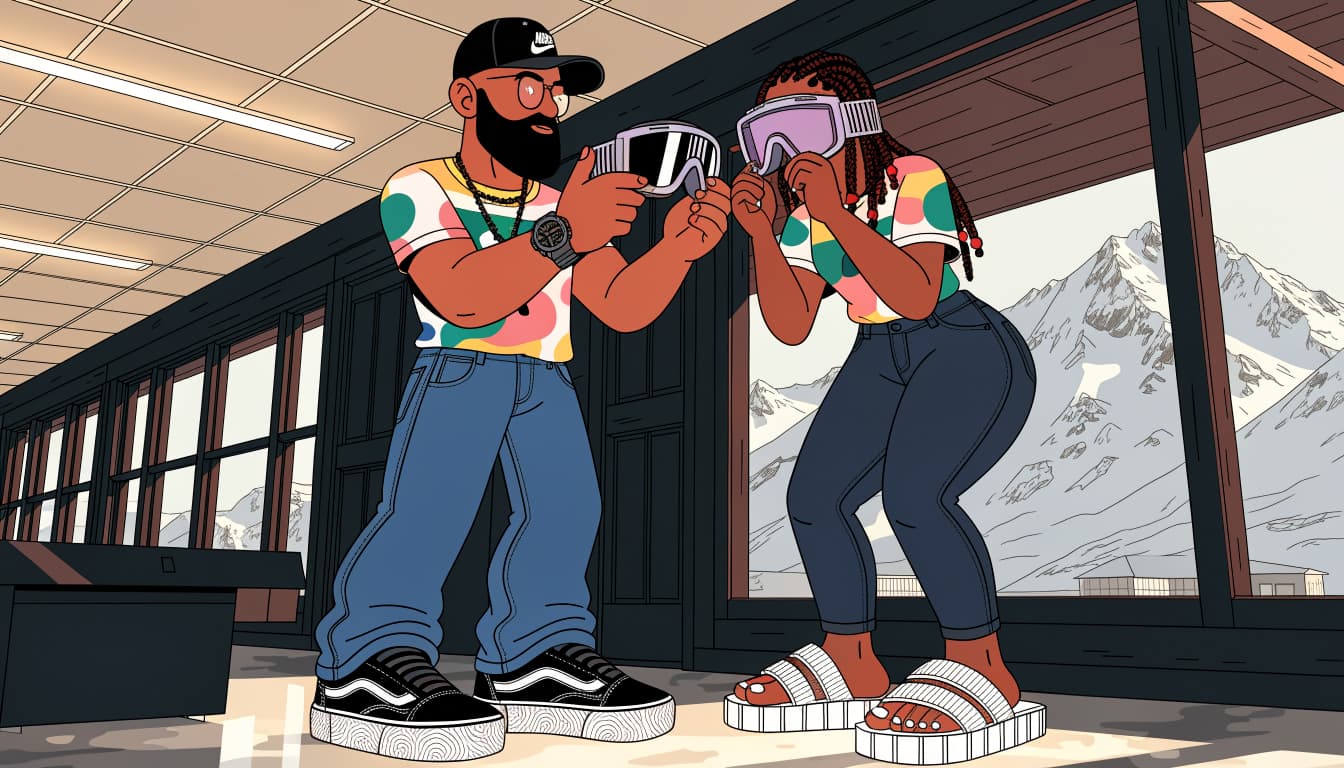
Smith Knowledge OTG: an adult starting point
The Smith Knowledge OTG is explicitly designed for wearing over prescription glasses. Its listed features include a cylindrical Carbonic-x lens, Airflow ventilation, and Fog-X inner-lens treatment.
PROLENS displayed an $85 MSRP. That's a retailer-listed reference figure, not a guaranteed checkout price.
You get a concrete feature set to compare against your needs. You still need enough room for your particular frames, especially wider temples or taller lenses.
Smith Reason OTG: keep the youth sizing in mind
Smith identifies Reason OTG as a kids' goggle. That distinction matters more than a sale badge when you're shopping for an adult face.
Smith lists it at $100. Retailer listings have also shown $80 to $100, while a Low Bridge Fit version has been listed at $100. Those figures reflect different listings, not one universal price.
Reason's listed features include cylindrical Carbonic-x lenses, Airflow ventilation, and Fog-X treatment. OutdoorMaster OTG offers another budget-shopping direction, but price alone doesn't establish comparable clearance or comfort.
How to check OTG fit with your own glasses and helmet
Your own glasses are the test equipment. A smaller spare pair won't tell you whether your everyday frames will survive six hours without becoming tiny medieval instruments.
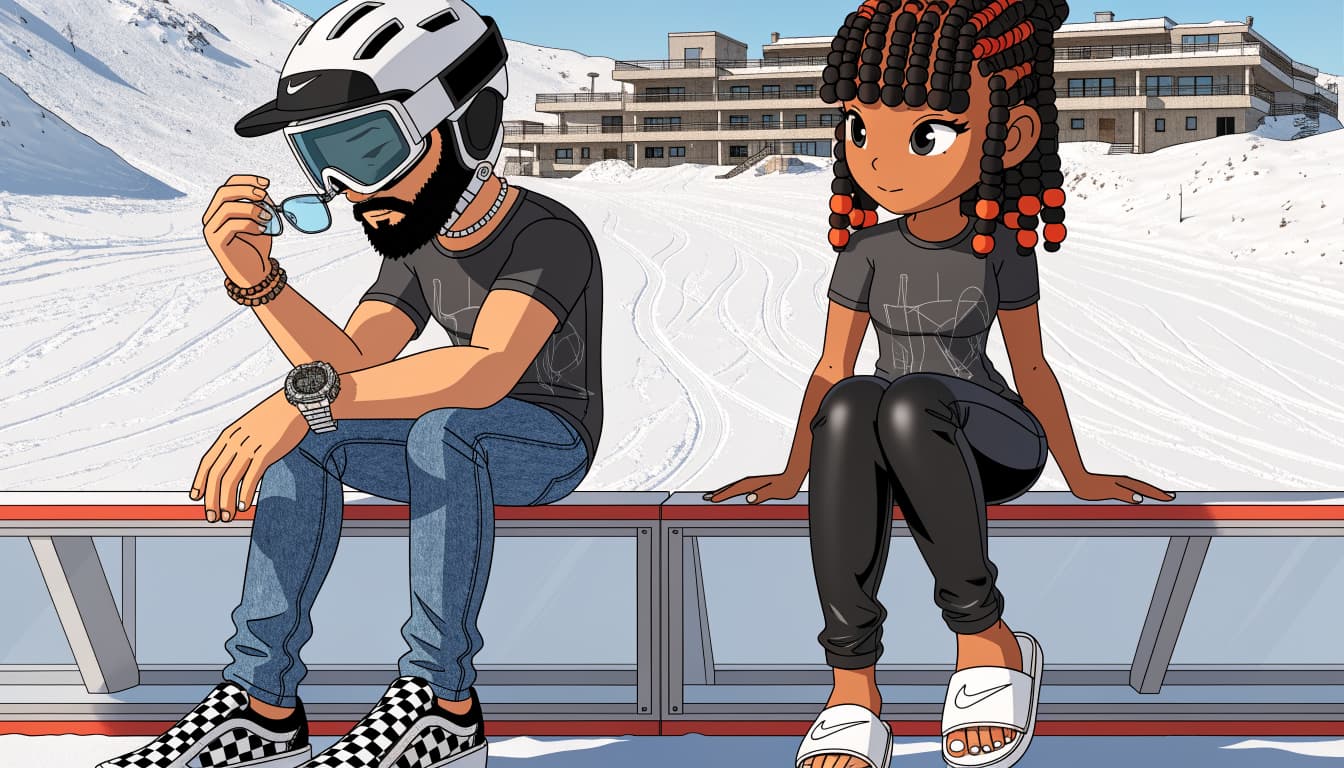
- Put your glasses on normally. Add the goggles gently without forcing your frames downward or backward.
- Notice contact around your temples, nose, and ears. Your glasses should stay in their usual position without touching the goggle lens.
- Add the exact helmet you'll ski in. Adjust its fit and the goggle strap while stationary, then turn and tilt your head.
- Leave everything on for several minutes. Watch for shifting, pinching, uneven foam contact, or large gaps around your face.
Smith's OTG fit guidance describes extra room around the temples for eyeglasses. Your frame width and shape still determine whether that space works.
Low-bridge designs can improve contact for some face shapes. They don't automatically solve oversized frames or a mismatched helmet.
Tightening the strap can't create missing space inside a goggle. If your frames are squeezed, more tension adds pressure.
Keep an indoor try-on within the seller's return terms. Once you find discomfort, address it before skiing.
Choose a lens for the light and weather you ski in
Lens tint changes how much light reaches your eyes. Visible light transmission, usually shortened to VLT, gives you a more useful comparison than "that mirror finish looks expensive."
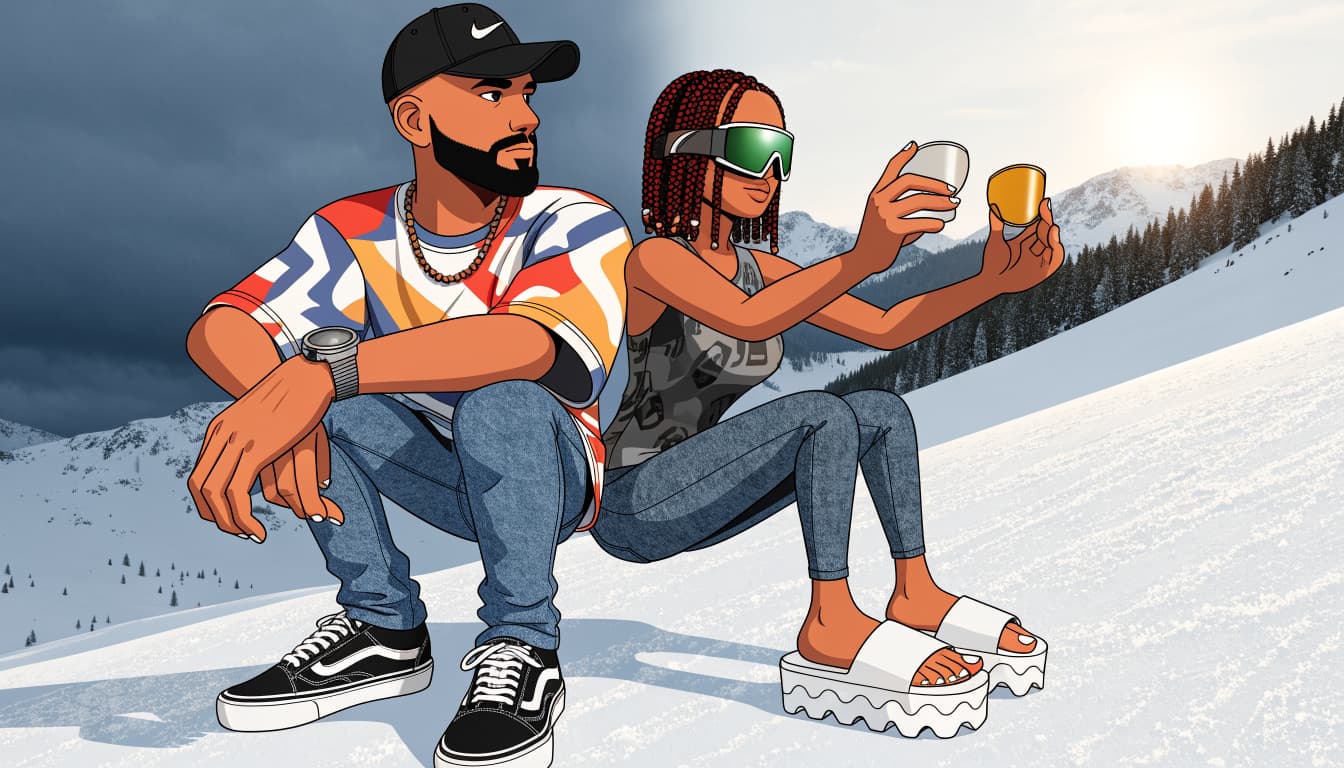
Use VLT to match the conditions
A higher VLT lets more light through, which generally suits cloudy, snowy, or low-light conditions. A lower VLT reduces incoming light and is usually more useful in bright sun.
Choose around the conditions you ski most often. A dark sun lens can leave you struggling when clouds flatten the terrain.
Color alone isn't a dependable performance guide. Similar-looking lenses can transmit different amounts of light, and a mirrored exterior doesn't tell you the full story.
Treat the included lens as part of the purchase
A useful listing identifies the included lens, its VLT, whether you receive a spare, and how lens changes work. Don't assume every version of a named goggle includes the same tint.
If your skiing spans sunny afternoons and storm days, interchangeable lenses may justify extra spending. For occasional trips, one appropriate lens might cover your actual schedule.
An unfamiliar lens-change mechanism also deserves an indoor practice run before you attempt it with cold hands.
Reduce fog and pressure during a full day on the slopes
Fog control depends on airflow and moisture management as well as coatings. Your glasses add another set of surfaces inside a warm, enclosed space.
Knowledge OTG lists Airflow ventilation and Fog-X treatment. The official Smith Reason OTG description also identifies Fog-X and floating foam intended to reduce pressure. Neither feature promises permanently fog-free vision.
Keep snow away from vents, and don't pull a balaclava over the airflow paths. A snug fit should feel stable without crushing your glasses against your face.
Keep moisture away from the inner lens when removing goggles. Let wet goggles, face coverings, and other gear dry between sessions rather than sealing everything inside a damp bag.
Adjust the strap and helmet before you start skiing. If fog or pressure interferes with your vision, stop somewhere safe and take a short break.
Your visibility gets priority over squeezing in one more run. The mountain doesn't award bonus points for tolerating a headache.
Pick the right pair for your budget and skiing habits
Spend on a fit and lens combination you'll use. A higher price doesn't grant your glasses additional clearance through the power of branding.
Use these trade-offs to narrow your shortlist.
| Option | Useful starting point | Main limitation |
|---|---|---|
| Smith Knowledge OTG | Adult OTG design with listed fog-control features | Your frames still need an individual fit test |
| Smith Reason OTG | Youth OTG option with a Low Bridge Fit version | Kids' sizing limits its relevance for adults |
| OutdoorMaster OTG | Budget candidate | A low price doesn't establish equivalent fit or lens performance |
For frequent skiing, extra spending can make sense when it buys better glasses clearance, more suitable lenses, or replacement-lens availability. Occasional use still demands comfortable, unobstructed vision.
Prescription inserts are another approach. Smith's OTG and insert guide covers that option, which replaces wearing your everyday glasses inside the goggle with a separate prescription insert.
Compare return terms alongside the included lens and helmet fit. A usable return window matters when comfort only becomes clear after a proper try-on.
Streetwear & Casual Styling

Once you're indoors and the technical gear is drying, your outfit can switch modes. Your après-ski wardrobe has substantially fewer ventilation requirements.
Build a casual look around our Cyber-Brutalist Anime Graphic Tees with relaxed denim, a zip hoodie, or an open overshirt. The TBR Hostile AI Tee brings bookish system-failure energy to the lodge.
For a different graphic direction, pair the Free Love Cyberpunk Tee with dark jeans and a simple outer layer.
Keep that styling separate from your skiing setup. Graphic tees and skate shoes are casual pieces, not substitutes for technical snow clothing, ski boots, helmets, or goggles.
Frequently Asked Questions
Can you wear regular ski goggles over prescription glasses?
You can sometimes fit glasses inside standard goggles, depending on their internal space and your frame shape. A careful try-on matters more than the outer appearance. Don't force the combination if it presses or shifts your glasses.
Are OTG goggles larger than regular ski goggles?
You'll often find extra internal room or cutouts for glasses, but that doesn't always mean a much larger exterior. Outer dimensions and usable clearance vary independently. Include your intended helmet in the try-on, even when the goggles look compact.
Do OTG ski goggles stop glasses from fogging?
You can't count on OTG construction to eliminate fog in every condition. Goggle anti-fog features also don't guarantee that your prescription lenses stay clear. Keep vents open and dry your gear between sessions.
Can you wear contact lenses instead of OTG goggles?
You may find contacts convenient, but comfort and eye-care needs differ. You'll still need appropriate ski goggles over your eyes. If you're unsure whether contacts suit your skiing plans, ask your eye-care professional.
Choose Clearance Before Brand Status
Start with a genuine OTG design that suits the wearer's age and face size. Then test it over your own glasses with the helmet you'll actually wear.
Choose your lens for the light you ski in, and give comfortable clearance more weight than a discount or dramatic mirror finish. Fog-control features help, but airflow and dry gear remain part of the setup.
Before buying, compare fit and return terms together. Your frames should stay where they belong without demanding a daily sacrifice from your temples.