

Best Travel Trailer Covers for Your Rig and Budget
TrendReactTees.STORE TeamA good travel trailer cover helps limit sun damage, dirt, and weather exposure while your RV is parked. If your camping uniform includes our My Cabin Is 404 Tee or Wifi Down Send Snacks Cabin Tee, your off-grid aesthetic is handled, but your trailer still needs protection.
The best travel trailer covers depend on your trailer's size, climate, storage time, and budget. Start with fit and airflow, then compare the features that suit your storage setup.
This post may contain affiliate links. If you make a purchase through these links, I may earn a small commission at no extra cost to you.
Key Takeaways
- Match your cover to measured trailer dimensions, including whatever accessories its sizing method includes.
- Choose breathable construction and water resistance suited to your storage conditions.
- Folding campers, compact trailers, R-Pods, and full-size rigs need different cover shapes and sizes.
- Treat listed prices as snapshots and warranty length as one purchase factor.
- Install your cover on a clean, dry trailer, protect sharp corners, and inspect it after storms.
Best travel trailer covers for different rigs and budgets
These options suit different rigs rather than forming a universal ranking. Prices are retailer-listing snapshots; features and warranties are seller descriptions, not independent test results.
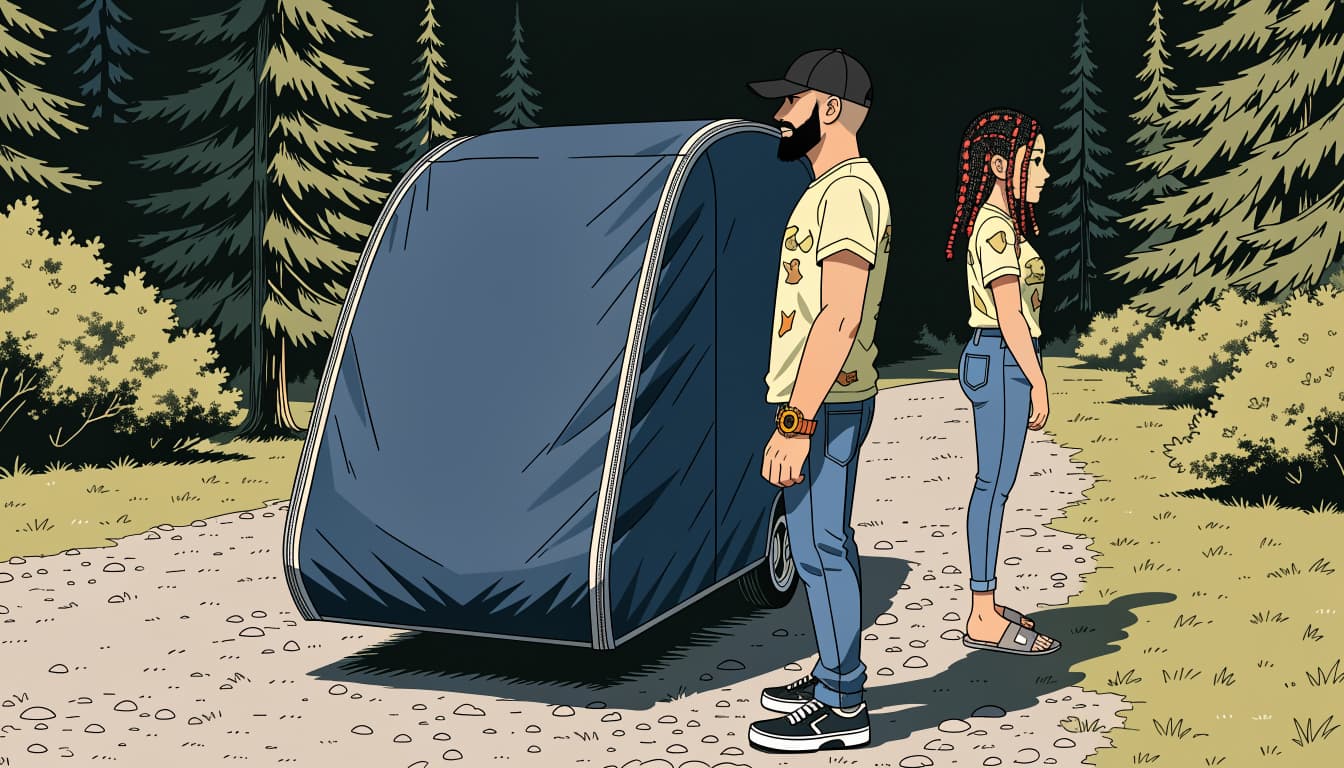
A practical pick for folding campers and smaller trailers
For a folding camper, consider the Classic Accessories Over Drive PolyPRO3 Folding Camping Trailer Cover, model 80-040-163106-00.
Home Depot listed its 12-14-foot size at $126.99. Amazon lists a three-year limited warranty for this model. Its folding-camper shape matters more than whether it wins the cheapest-cover achievement.
Options for compact trailers and R-Pods
Camco Ultra Shield, listed by Camping World for trailers up to 15 feet, showed $147.51. Its description includes spun-bond polypropylene layers, a triple-stitched Tyvek top, and a three-year warranty.
For an RP-179, Camping World's PolyPRO3 Deluxe R-Pod Model 4 listing showed $206.09, a triple-ply top, breathable construction, and a three-year manufacturer warranty. Its stated fit covers the trailer body only, excluding the hitch. Don't assume ladders or spare tires fit beneath it.
Covers for full-size trailers and long-term storage
BJ's listed the Classic Accessories PermaPRO Model 4 for 24-27-foot trailers at $419.99. Described features include quick-drying ripstop fabric, vents, adjustable tension panels, and protection against water, dirt, and sun damage.
National RV Covers listed an Eevelle Goldline example measuring 294 × 102 × 104 inches at $1,219.99, with a 30-day fit guarantee and five-year warranty.
When a higher-priced layered cover may be worth it
A 20-22-foot United Covers UC 5L listing showed $479.97. Its five-layer top combines four polypropylene layers with microporous film; its sides have three layers.
United Covers' RV cover range advertises a lifetime warranty. Layered construction may suit extended outdoor storage, but warranty length doesn't prove durability or promise coverage for every mishap.
How cover materials balance water, sun, and airflow
Your cover has competing jobs: resist outside weather and let trapped moisture escape. A thicker-looking fabric doesn't automatically perform both jobs better.
Look for UV protection and dependable weather resistance
Sunlight can fade finishes and age exposed materials. Rain, leaves, and dirt add cleanup while your parked trailer collects absolutely no vacation memories.
Camco's listing describes its Tyvek top as UV-blocking and breathable. PermaPRO listings describe water-repelling fabric and protection against sun damage. These are retailer claims, not results from a shared testing standard.
Water-resistant also doesn't mean guaranteed waterproof. Construction details matter: the KNOX Pro Series cover, for example, lists a PU coating and side vents as separate features.
Choose airflow that helps reduce trapped moisture
Breathable panels, microporous layers, and vents provide different routes for moisture to escape. United Covers uses microporous film within its layered top; other designs rely on breathable fabric and dedicated vents.
The etrailer cover's ventilation features include built-in breathable vents described as reducing interior moisture-related buildup.
Breathable fabric can help moisture escape, but it doesn't make a covered trailer immune to condensation.
Your climate, cover fit, and inspections still matter. The available listings don't provide consistent independent water-pressure or UV-test methods, so their protection claims aren't directly comparable scores.
Measure your trailer before choosing a cover size
Your trailer's model badge isn't a tape measure. Use its actual dimensions and the measuring method associated with the cover, rather than trusting the advertised model length.
For a visual walkthrough, Camping World's tutorial demonstrates measuring and installing an RV cover.
Check what the listed length includes
A 12-14-foot folding-camper size, an up-to-15-foot compact size, and a 24-27-foot trailer size aren't interchangeable measuring systems.
For a concrete example, Covercraft's ADCO measuring instructions include the longest points, including bumpers, spare tire, and ladder. The R-Pod listing instead specifies trailer-body-only coverage.
Account for height and width, too. A rooftop air conditioner, rear-mounted equipment, or tongue can change the required envelope, depending on the cover's design. Measure the configuration you'll actually store, with equipment in its storage position.
Match the fit system to your trailer's shape
Elastic corners help seat the fabric. Front and rear cinching straps reduce excess material, while under-belly straps and tension panels help hold it in position.
Camco lists elastic corners, cinching straps, and under-belly straps. PermaPRO lists adjustable tension panels and elasticized hem corners.
Aim for a secure fit without pulling seams taut. Excess fabric can flap and rub; an overly tight cover strains seams and corners. Keep straps away from sharp edges and distribute tension evenly rather than yanking one attachment point into submission.
Compare total cost, warranty, and care before you buy
Your purchase price is only part of the storage bill. Include corner protection and any replacement straps you may need. Compare those costs against how often your trailer sits outside and how much handling the cover requires.
A compact camper stored briefly between trips has different demands than a full-size trailer parked through months of exposure. More expensive fabric earns its place only when its construction and fit features address your conditions.
Warranty language deserves equal attention. Material or workmanship coverage isn't blanket protection against wind damage, poor installation, or ordinary wear. Those exclusions can matter more than the number printed beside "warranty."
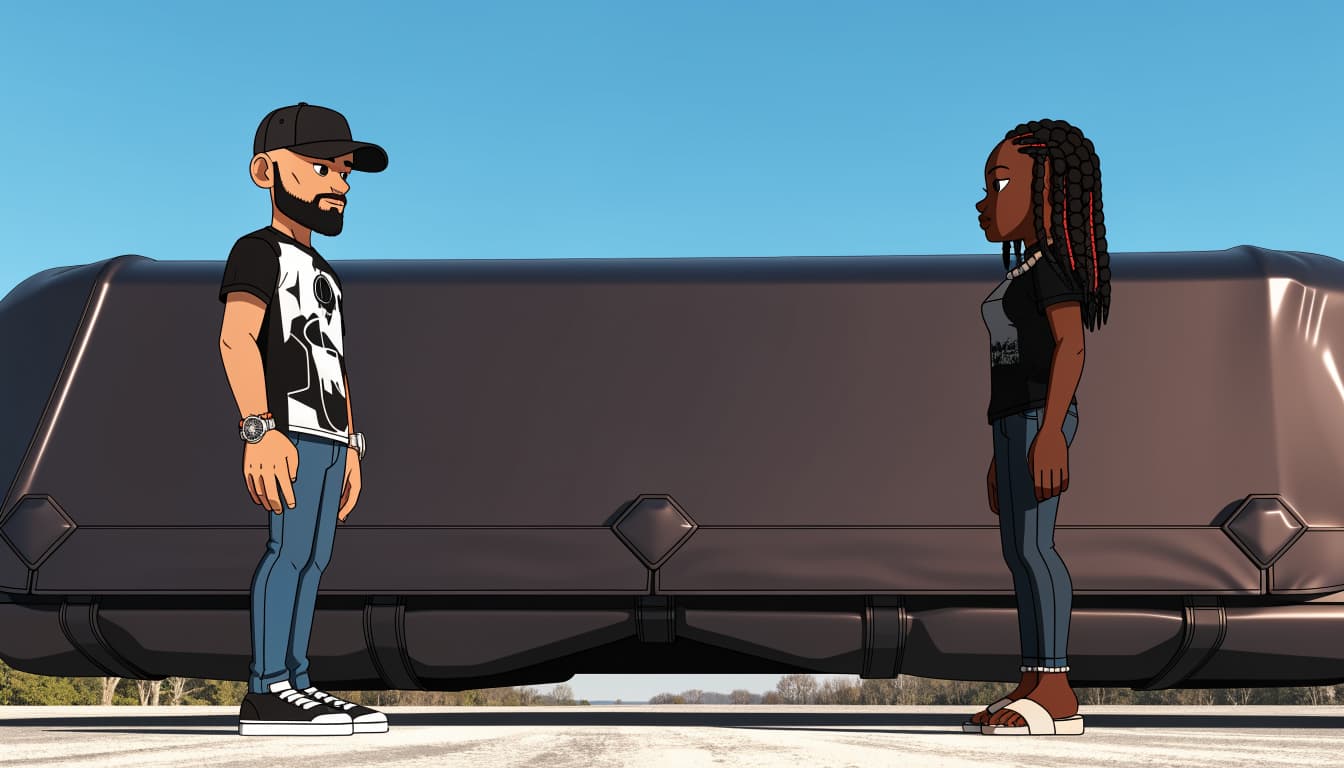
Convenience matters, too. Covercraft's dual-side door access lets you reach entry doors without removing the entire cover. That feature is useful when stored gear remains inside.
Before installation, wash away grit and let your trailer dry. Pad sharp corners, position the cover evenly, and secure its straps without overtightening.
After storms, inspect for shifted fabric, loosened attachments, abrasion, and pooled water. Remove debris before it becomes a wet pile against the fabric. When the cover comes off, let it dry before packing it away. Your storage bag doesn't need its own swamp ecosystem.
Streetwear & Casual Styling
Once your rig is secured, your campground downtime can have fewer straps and better graphics. Our Cyber-Brutalist Anime Graphic Tees pair with jeans and comfortable shoes for a relaxed camping-day look.
Choose the Reading Total System Crash Tee for book-in-hand downtime, or the Free Love Cyberpunk Tee for a bolder casual outfit.
Keep a removable layer nearby for cooler evenings. Your graphic tee handles personality; weather-appropriate layers handle the forecast. Gravel also favors supportive shoes over footwear selected purely for its character-design potential.
Frequently Asked Questions
Can you leave a travel trailer cover on all year?
You can use some storage covers for extended periods, depending on their design, local weather, and care instructions. Year-round coverage still needs regular inspections of both fabric and trailer. Don't treat installation as permission to ignore your rig until your next vacation.
Is a breathable cover better than a waterproof one?
For outdoor storage, you need moisture management as well as rain protection. Many RV covers combine water resistance with airflow, but neither term establishes a verified waterproof rating. Compare the stated construction with your storage conditions rather than choosing by one adjective.
Should a travel trailer cover touch the ground?
Your cover should sit as its particular fit instructions describe. Excess fabric resting on the ground can collect water and debris and make securement harder. A large puddle-catching skirt isn't a useful upgrade.
Can you use a travel trailer cover while it is being towed?
Don't tow with a storage cover unless its manufacturer designs and approves it for travel. Road-speed airflow can make loose fabric flap, shift, and tear. Remove an ordinary storage cover before you hitch up and leave.
Choose for Your Storage Setup, Not the Biggest Price Tag
The best cover for your trailer starts with accurate measurements. Match its material and airflow to your climate, then weigh fit adjustments, access, warranty coverage, and price.
You don't need the most expensive option by default. You need a cover that fits your actual rig and the way you store it. Install it carefully, inspect it regularly, and save the unnecessary spending for your next trip.