

Best Ultralight Backpacking Knife for Your Trail Tasks
TrendReactTees.STORE TeamThe best ultralight backpacking knife is the one that handles your likely trail jobs without taking up weight for tasks you'll never do. A knife may be optional on some trips, especially if your route and other gear leave little need for one.
For casual post-hike style, our Nature Is My WiFi hiking tee and Nature Is My Therapist hiking tee bring the trail mood without pretending to be technical backpacking gear. Graphic tees are for casual wear, not technical layers or knife-safety equipment.
This post may contain affiliate links. If you make a purchase through these links, I may earn a small commission at no extra cost to you.
Key Takeaways
- The Victorinox Classic SD suits tiny jobs, while the Bugout 535 gives you a longer folder blade.
- The ESEE Izula weighs about 2 ounces without its sheath.
- Compare complete carry weight, including sheaths, clips, scales, and spare blades.
- Pick a blade for packaging, cord, or simple food prep, not forceful woodwork.
- A knife is optional when your trip doesn't call for one.
Best ultralight backpacking knife options for different trips
There isn't one winner for every pack. The right pick depends on what you cut, how you carry it, and how much blade you actually need.
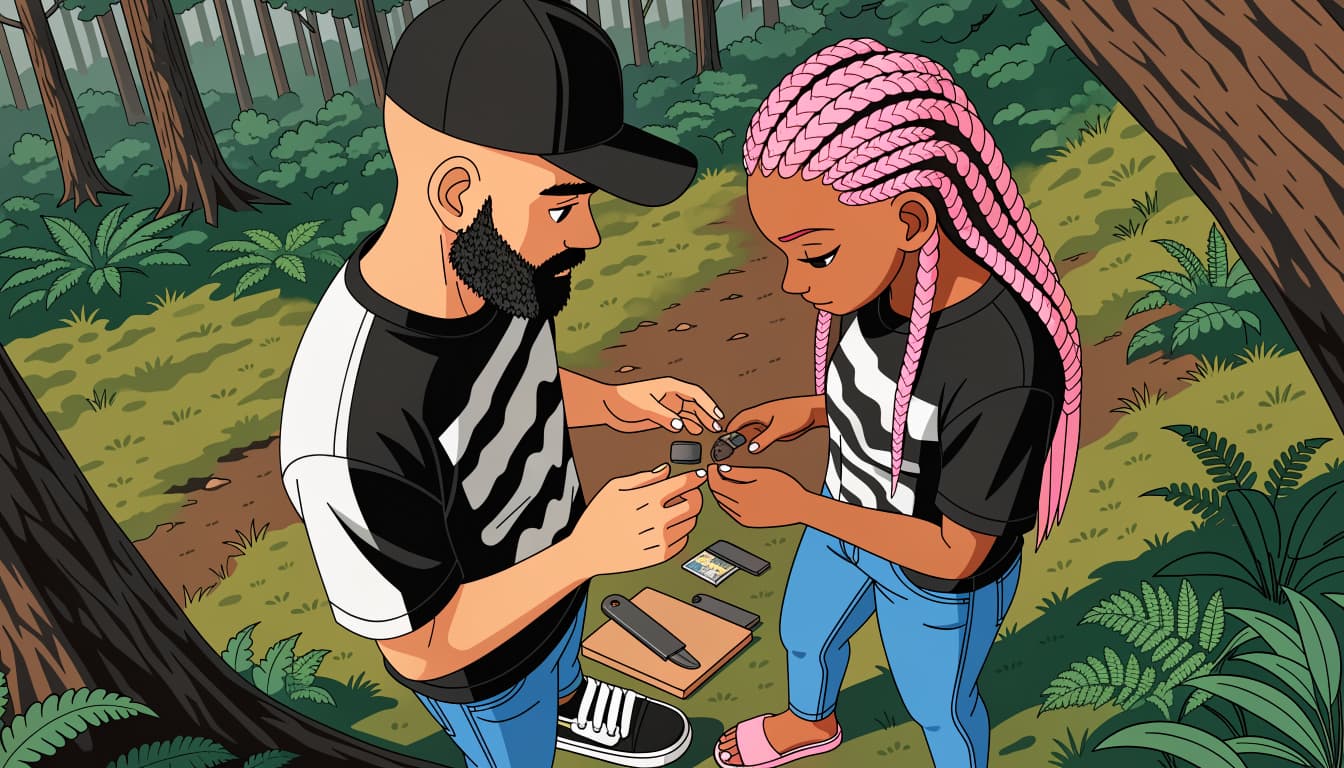
A tiny multitool for simple trail jobs
The Victorinox Classic SD is a 0.7-ounce option with a small blade, scissors, nail file, tweezers, toothpick, and key ring. Its compact size suits opening food packages, trimming a short piece of cord, and handling other light jobs. A reported U.S. listing price is $24, though that's a reference point, not a guaranteed current offer.
The blade is short, nonlocking, and not designed for one-handed opening. That's a sensible trade for a tiny pocket tool, but it limits leverage. Don't expect it to handle a stubborn knot or a task that calls for twisting pressure.
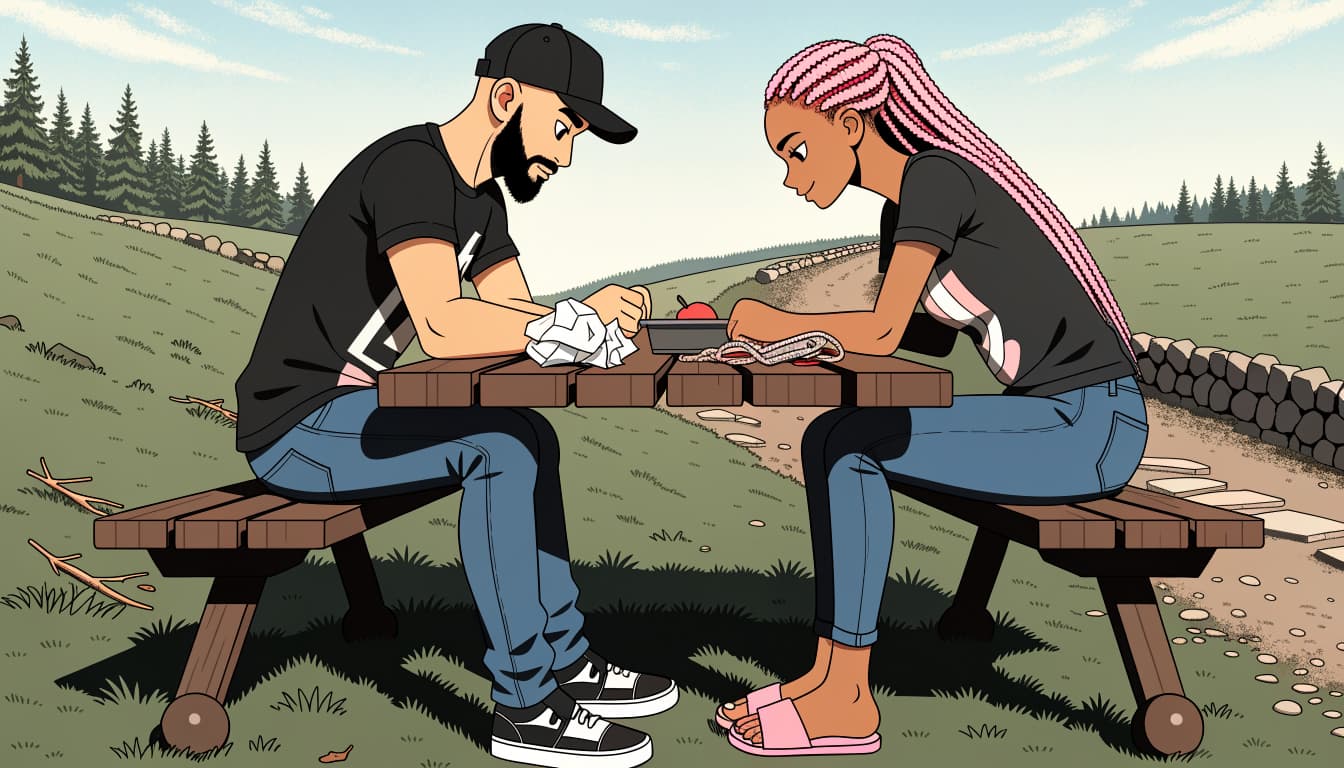
A light folder when you want a larger blade
The Benchmade Bugout 535 is a folding knife with a reported weight of 1.85 ounces and a 3.24-inch S30V stainless-steel blade. Benchmade's Bugout 535 specifications give the blade length and listed weight. One reported price is around $200, not a promise of today's offer.
Its slim build keeps weight down, and a folder doesn't need a separate fixed-blade sheath. That design isn't an invitation to pry, chop, or baton with it. The Bugout is a larger-blade choice for ordinary cutting jobs, not a miniature crowbar with a pocket clip.
A compact fixed blade with a separate sheath
The ESEE Izula is a small fixed-blade option made with 1095 carbon steel. Its knife-only weight is about 2 ounces, and the standard model's blade is 2.63 inches long. The sheath adds carry weight, as do optional handle scales, so the bare-knife figure doesn't tell you what the whole setup weighs.
A fixed blade may appeal if you want a simple design and are comfortable carrying a sheathed knife. Its short blade still has limits, and the carbon steel needs more attention to rust than stainless steel. There's no standard Izula price to quote here.
How to choose a backpacking knife without carrying extra weight
Start with your actual tasks, then compare the whole setup. A knife that weighs little on a product listing can add more once you include its sheath, scales, clip, or spare blades.
Match blade size and format to your real camp tasks
Think through the jobs you expect to do: opening food packaging, cutting cord, or preparing a simple meal. Those tasks usually don't call for a long blade. If you're bringing a knife mainly because every gear list says "knife," pause and ask whether it earns its place in your pack.
Bigger camp chores may need another tool, but a larger blade isn't automatically the answer. None of these lightweight options should be treated as a chopping or batoning tool. Choose a format you can carry securely and use with control.
Compare steel, upkeep, and the full carry system
Steel affects maintenance, but no material makes care disappear. The Bugout's S30V is stainless steel; the Izula's 1095 is carbon steel and needs more attention to rust, especially when your gear stays damp. Wipe your knife dry after use and store it according to its maker's guidance.
Compare listed weights on equal terms. Knife-only weight excludes the Izula's sheath, and optional scales add more. A folder's clip, a fixed blade's sheath, and any spare utility blades also belong in your total. Benchmade's 535 product specifications list the model's weight and dimensions, but your final carry weight depends on what you add.
Folding knife or fixed blade: which fits your pack better?
A folder closes into its handle and usually skips the separate sheath. That makes it easy to tuck into a pocket or pack pocket. It also has a pivot and locking mechanism to keep clean and working properly. The Classic SD is its own special case: its small blade does not lock.
A fixed blade has a simpler design, but it needs a fitted, secure sheath for carry. The sheath and any scales add weight, and their shape may be less comfortable against your body or inside your pack. In return, you don't have a folding joint to maintain.
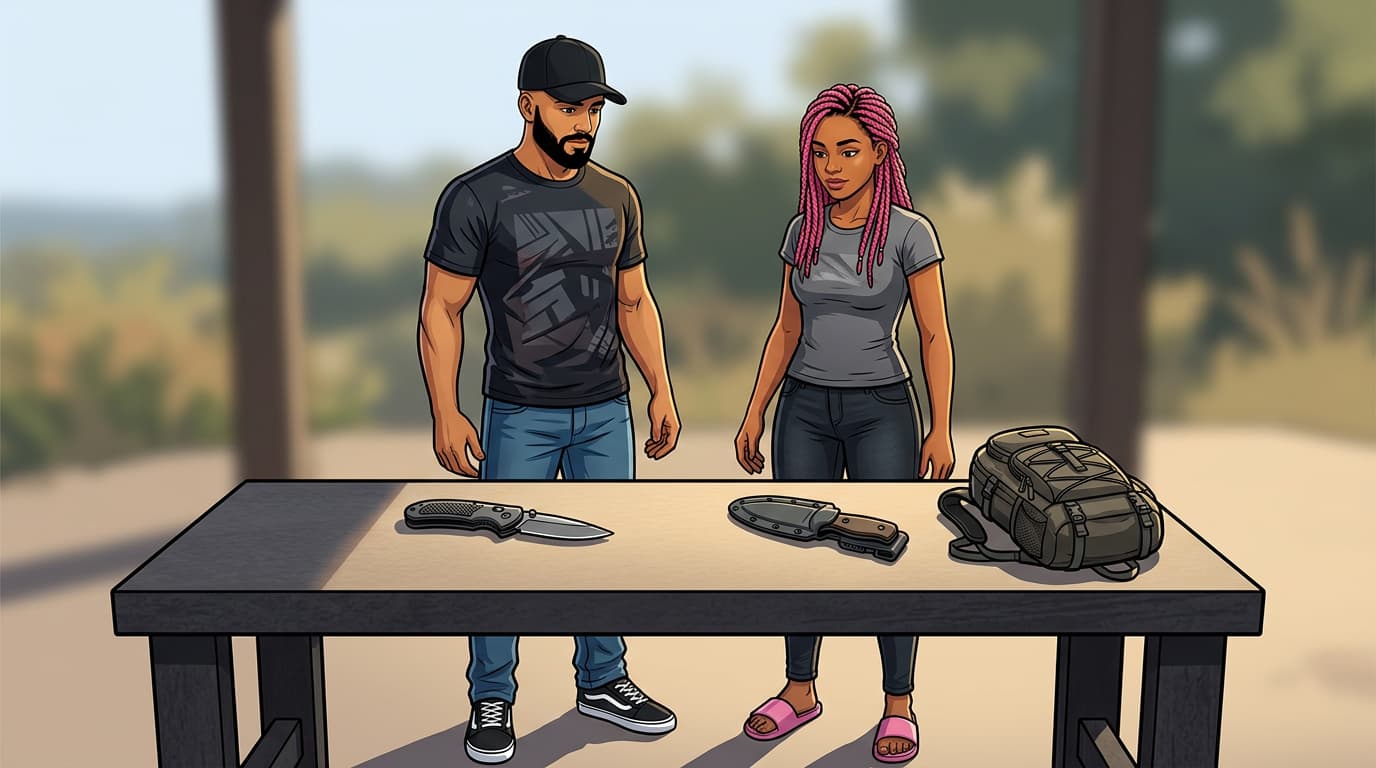
Choose a folder if you want compact pocket carry and your tasks are light. Choose a fixed blade if you prefer that format and are willing to carry its full sheath system. Either way, keep the knife secured and count every part, not only the blade.
A knife's advertised weight is only one line on the gear list. The weight you carry includes its entire carry setup.
Carry and use your knife safely on the trail
Cut away from your body, and stabilize the material on a firm surface before you start. Close a folder or sheath a fixed blade as soon as you're done. Keep a fixed blade secured in its sheath, and don't pass an open knife from hand to hand.
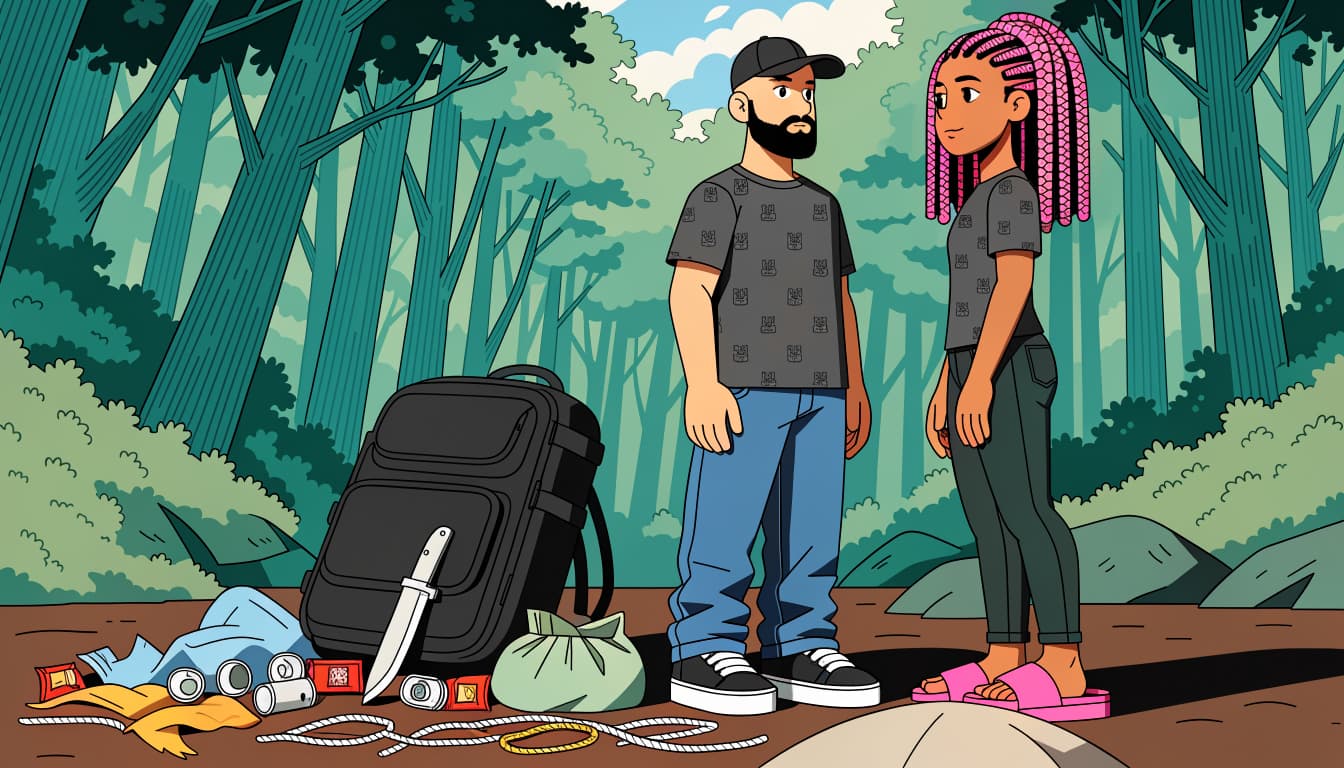
Use a knife only for tasks its maker allows. Check the rules for your route and any transport you'll use, since restrictions vary. Don't cut live plants, carve trees, or damage natural features. Pack out food wrappers, cord scraps, and other waste. Leave the campsite with the same trees and plants you found, not an unwanted knife-made souvenir.
Streetwear & Casual Styling
Trail gear has a job. Your off-trail fit can have a different one. Cyber-Brutalist Anime Graphic Tees bring bold graphics and internet-coded humor into a relaxed outfit, without claiming to be technical layers or safety equipment.

After the hike, pair a graphic tee with simple jeans and comfortable shoes. Keep pockets light, too: keys and a wallet don't need to stage a wrestling match with your cargo pockets. The My Cabin Is 404 tee and Wifi Down Send Snacks Cabin tee bring cabin-core humor to the post-trail coffee run.
Frequently Asked Questions
Do you need a knife for every backpacking trip?
No. It depends on your route, planned tasks, and the tools already in your pack. If you can name no likely job for it, leaving it at home is a perfectly ultralight decision.
Is a folding knife safer to carry than a fixed blade?
Both formats can be carried safely when secured and used with care. A folder should be closed and secured; a fixed blade belongs in a fitted sheath. Neither format removes the need to handle it thoughtfully.
Does the ESEE Izula weigh 2 ounces with its sheath?
No, the reported 2-ounce figure is for the knife alone. The sheath and any optional scales increase the weight of the carry system, so the bare knife figure isn't the pack total.
Can you use an ultralight knife for batoning wood?
Don't assume you can. Follow the manufacturer's guidance, and avoid forceful tasks with a small, lightweight knife unless the maker specifically approves them.
What knife steel needs the least care on a wet trip?
Stainless steels generally need less rust attention than carbon steel, but they still need care. The exact steel depends on the model and configuration, so don't assume every knife in a product family uses the same material.
Choose for the trip, not the spec sheet
Start with the jobs you expect to do, then count the full carry system. Pick a format you can secure, use safely, and maintain without fuss.
The best ultralight backpacking knife is the one that fits your trip, not simply the one with the lowest listed weight.