

Best Vans to Convert to a Camper: Pick Your Base
TrendReactTees.STORE TeamThe best van for your camper build depends on your floor plan, budget, driving needs, and how much work you're willing to take on. Start with the Ford Transit, Mercedes-Benz Sprinter, Ram ProMaster, or a used full-size van, then compare the exact configuration.
Your road-trip uniform is easier: our Nature Is My Wifi tee or Nature Is My Only Group Chat tee, comfortable pants, and a practical layer. For the van, start with usable space before a photogenic interior hijacks your decision.
This post may contain affiliate links. If you make a purchase through these links, I may earn a small commission at no extra cost to you.
Key Takeaways
- Your strongest van choice depends on your layout, driving routine, budget, and conversion skills rather than brand loyalty.
- Compare exact model years and configurations because roof height, length, drivetrain, equipment, and payload can differ substantially.
- Plan around finished interior dimensions and actual loaded weight, including passengers, water, batteries, cabinetry, and travel gear.
- Budget for the complete conversion and ongoing ownership, then arrange a mechanical inspection before buying a used van.
The best vans to convert to camper depend on your build
Your strongest candidates solve different problems. Compare layout flexibility, conversion support, driving needs, and service access before declaring a winner.
Mercedes-Benz Sprinter: a strong fit for roomy, full-time builds
For larger layouts, you get broad conversion support and several body choices. Mercedes-Benz lists 2027 Sprinter Cargo Van configurations with 144-inch and 170-inch wheelbases, plus a 170-inch extended body. Roof choices depend on wheelbase. Size, drivetrain, payload, and price vary by trim.
Ford Transit: a flexible choice with several roof and length options
Multiple bodies help you fit the van around your layout. Ford's 2026 Transit specifications list exterior roof heights of 82.4, 99.2, and 108.6 inches, plus long and extended lengths of 235.5 and 263.9 inches. These are exterior dimensions for listed configurations, not finished standing room.
Ram ProMaster: consider its layout and configuration
You may prefer its cab-to-cargo layout for a simple camper. Ram's 2026 ProMaster specifications separate configurations, so compare the chosen body's dimensions, payload, and equipment. One model name doesn't describe every available floor plan.
Used Nissan NV, Chevrolet Express, and GMC Savana vans
Research used Nissan NV Cargo vans alongside Chevrolet Express and GMC Savana examples. Nissan lists the NV as discontinued. Judge each van's year, body, roof setup, maintenance, rust, and parts access individually. These aren't interchangeable bargains.
Match the van's size and payload to your camper layout
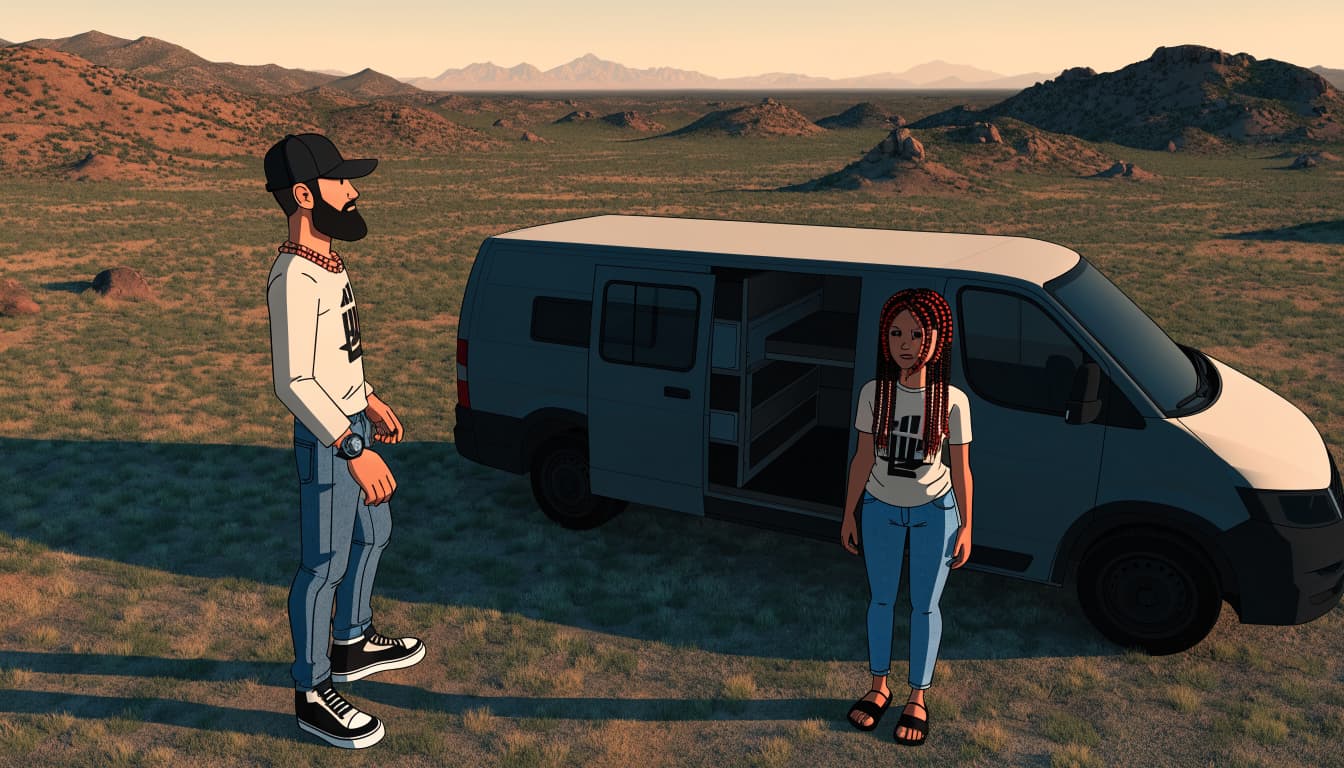
Published cargo volume doesn't tell you whether your bed fits. Maximum payload doesn't tell you what remains after your build. Your floor plan needs measurements and a weight budget, not blind faith in a brochure.
Check standing room, bed length, and everyday access
Sketch your bed, kitchen, storage, and walking space before choosing a wheelbase. Include cabinet doors, drawers, and the space needed to use them.
Measure interior width, wheel-well placement, door openings, and usable height. Flooring, insulation, wall panels, and ceiling finishes all consume space. A crosswise bed needs enough finished width for your sleeping position, not merely your height on paper.
Also picture wet shoes, groceries, and midnight bathroom access. Your layout should work when the weather refuses to cooperate.

Leave enough payload for people, water, and gear
Use the specific van's gross vehicle weight rating (GVWR) and axle ratings. Ram's 2026 payload and towing guide, for example, separates ratings by configuration.
Account for cabinetry, batteries, tanks, occupants, food, roof equipment, and luggage. Fuel and water belong in your loaded-weight calculation too. Use measured vehicle and axle weights to assess the finished camper.
You can stay below GVWR and still overload an individual axle.
Heavy equipment placement matters. Pinterest doesn't calculate axle loads.
Compare purchase price with the full camper conversion cost
Your asking price buys the starting point. The usable camper requires another budget, and that budget deserves more detail than "wood, battery, vibes."
Price the full build, not just the empty van
Include insulation, flooring, windows, roof openings, electrical equipment, heating, plumbing, cabinetry, and tires. Add registration and insurance rather than treating them as somebody else's problem.
Separate materials, labor, delivery, taxes, fabrication, wiring, and final setup in your written estimate. Include a road test where professional installation changes vehicle systems or handling.
A simple structure helps: purchase costs, required setup, recurring ownership, and contingency. Keep a repair reserve outside your dream-interior spending money. Your emergency fund isn't bonus build currency.
Decide whether to buy new, used, or hire a converter
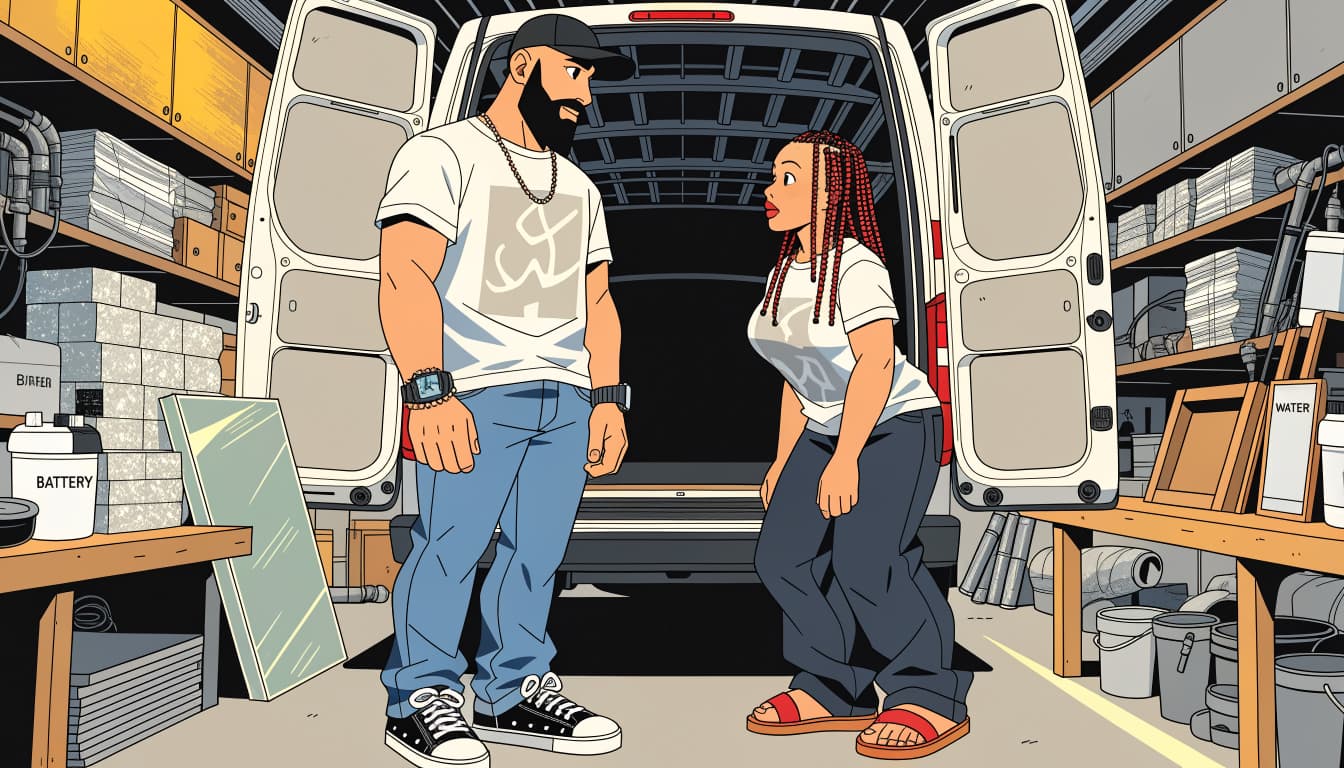
Buying new gives you a known starting point and factory warranty terms. Coverage for the base vehicle and aftermarket conversion can be separate.
A used van can reduce your entry cost, but deferred maintenance can erase that advantage. Compare its mechanical condition with the amount left for the build.
Professional conversion costs more upfront but can provide installation expertise, documentation, and a clearer service path. DIY saves labor only when you have the tools, skills, workspace, and time. Use qualified professionals for safety-sensitive electrical, fuel, structural, and vehicle-system work.
Use this checklist before you buy a camper conversion van
Apply the same standards to dealer stock and private listings. A polished advert doesn't replace documents, measurements, or an inspection. Neither does a seller saying it's "ready for adventure."
Check service records, rust, and conversion limits
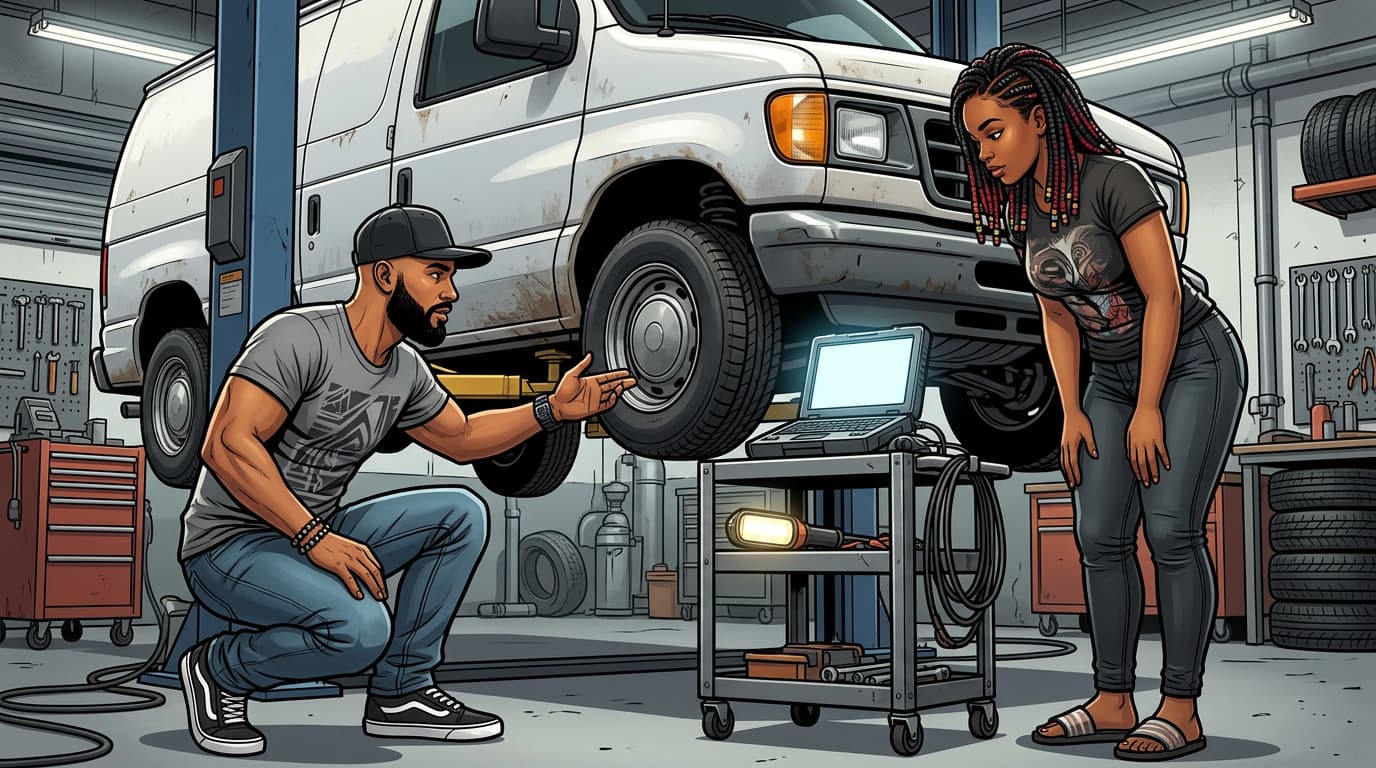
Review maintenance invoices, accident history, title documents, warning lights, and evidence of leaks or corrosion. Arrange an independent mechanic's inspection for a used van, including its drivetrain, brakes, suspension, and tires.
Before planning roof cuts, establish the body's permitted modification areas and structural limits. Those restrictions should shape your fan, window, and roof-equipment positions.
Keep the base-vehicle warranty, component warranties, and installer workmanship coverage separate in your paperwork. Identify service options for the engine, drivetrain, and camper systems. Retain manuals, parts lists, invoices, and inspection records together.
Compare quotes and test the van with your real routine
Compare itemized, like-for-like quotes using the same year, mileage, equipment, condition, and included work. Separate the advertised price from the out-the-door total. If financing, compare total repayment, not merely the monthly number.
Estimate fuel, insurance, scheduled maintenance, tires, storage, and repairs. Then test-drive the exact configuration you're considering.
Include parking, ordinary turns, uneven pavement, and highway driving where permitted. Judge visibility, steering effort, braking feel, and passenger comfort. Factor in your usual passengers, gear, and parking-height restrictions. An extended body still needs somewhere to exist when you aren't camping.
Streetwear & Casual Styling
Once your van decision has actual numbers behind it, you can give your travel outfit some personality. Our Cyber-Brutalist Anime Graphic Tees fit naturally into a compact road-trip wardrobe without requiring an entire suitcase of supporting characters.
Pair the Free Love Cyberpunk Tee with comfortable jeans, supportive sneakers, and an unbuttoned overshirt. For a food-stop-heavy travel day, the Pizza Is My Only Reality Tee works with relaxed pants and a lightweight zip layer.
Keep a rain shell accessible and choose shoes for the ground you'll actually walk on. Slides work around camp; uneven trails deserve secure footwear. Let your graphic tee handle the dramatic monologue.

Frequently Asked Questions
Is a high-roof van worth it for a camper build?
You'll appreciate standing room most when cooking, changing clothes, or spending rainy days inside. Balance that comfort against total vehicle height, parking clearance, and driving comfort. Roof fans, racks, and solar equipment also affect clearance.
Can you convert a passenger van into a camper?
You can, but the existing interior changes the work involved. Seat removal, window coverage, insulation, and factory wiring need a plan for that specific van. Local registration rules and any retained passenger seating also affect your conversion.
How much payload does a camper van build need?
Your requirement depends on the finished build, occupants, supplies, and equipment you carry. Add those loads to the van's starting weight, then compare the result with its GVWR and individual axle limits. Leave capacity for normal trip variations rather than designing around an empty-water-tank scenario.
Is a used van a good choice for your first conversion?
A used van can lower your starting cost and leave more money for the interior. Prioritize mechanical condition, maintenance records, rust, and immediate repair needs over mileage alone. Walk away if the seller refuses an independent inspection or can't document ownership.
Choose the van your finished build actually needs
Your right van balances floor-plan fit, usable payload, total cost, driving comfort, and service needs. A roomy shell loses its appeal if the finished camper exceeds its limits or makes everyday parking miserable.
Compare exact vehicles, arrange a used-van inspection, and total the complete build before buying. Give your layout and budget the deciding votes. The campsite photos can wait until your home on wheels actually works.