

Big Bear RV Camping: How to Choose the Right Site
TrendReactTees.STORE TeamBig Bear RV camping can be delightfully civilized or gloriously bare-bones. You can park beside the lake with full hookups, showers, and a store, or take a forest road to a simple site with no water and no restroom. The right choice depends on your rig's length, how much comfort you want, and whether your vehicle can handle the route.
Build your plan around that choice first, then match the campsite to the rig, not the other way around. For off-duty personality, the Nature Is My Wifi tee and Protect The Park tee make playful outfit ideas for camp downtime or a town stop. They're graphic tees, not technical camping gear, and the forest does not care about your fit check.
This post may contain affiliate links. If you make a purchase through these links, I may earn a small commission at no extra cost to you.
Key Takeaways
- Developed parks offer services such as full hookups, while forest campgrounds keep things simpler.
- Match your RV's length and turning needs to the actual site before you book.
- Yellow Post sites are free and first-come, first-served, but RVs and trailers are not recommended.
- Mountain roads, cold nights, fire rules, and waste plans all deserve a spot in your trip prep.
Big Bear RV Camping: Choose the Right Kind of Site
Your first decision is comfort versus simplicity. Developed RV parks are the better fit when you want utilities, nearby services, and a more predictable setup. Forest campgrounds can put you among the pines, but they may offer fewer amenities and trickier vehicle access. Neither option is automatically better. The right one is the site your rig can reach and your crew will enjoy.
Compare lakeside parks, hookups, and forest campgrounds
Holloway's Marina & RV Park is a lakefront option listed with full hookups, restrooms, showers, a convenience store, and marina access. Serrano is listed as offering full-hookup RV sites, while Pine Knot has no hookups. That difference affects how you use water and power, and how much self-sufficiency your setup needs.
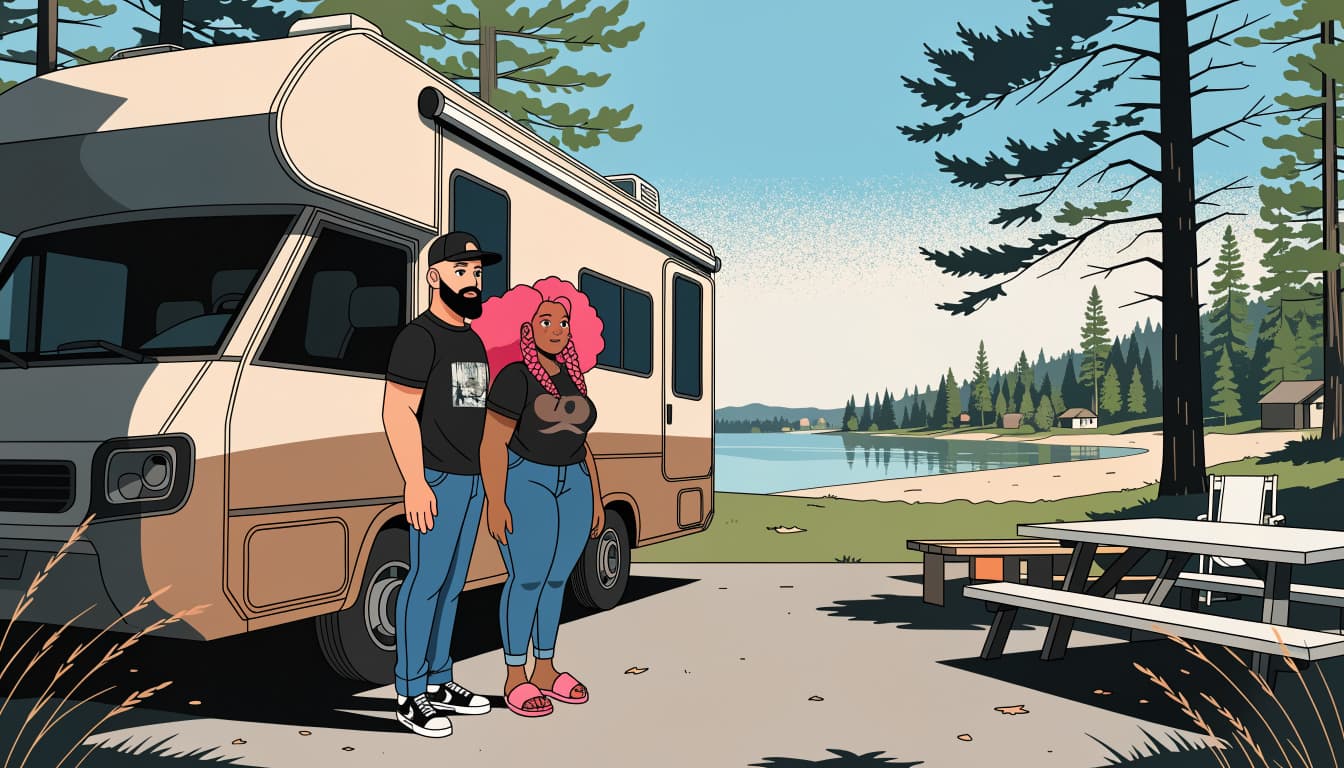
Names like "lakeside" and "full hookups" can sound like the whole answer, but site layout matters too. Look at the location, services, parking arrangement, and the dates you want. Rates, availability, operating dates, and services can change, so use the campground's current booking information or contact the provider for the details that apply to your stay.
Know why Yellow Post sites are not for most RVs
Big Bear Yellow Post Sites are free, first-come, first-served Forest Service sites. They have no drinking water or restrooms, and RVs and trailers are not recommended. Rough dirt roads, limited facilities, and uncertain access make them a poor fit for many rigs, especially larger ones.
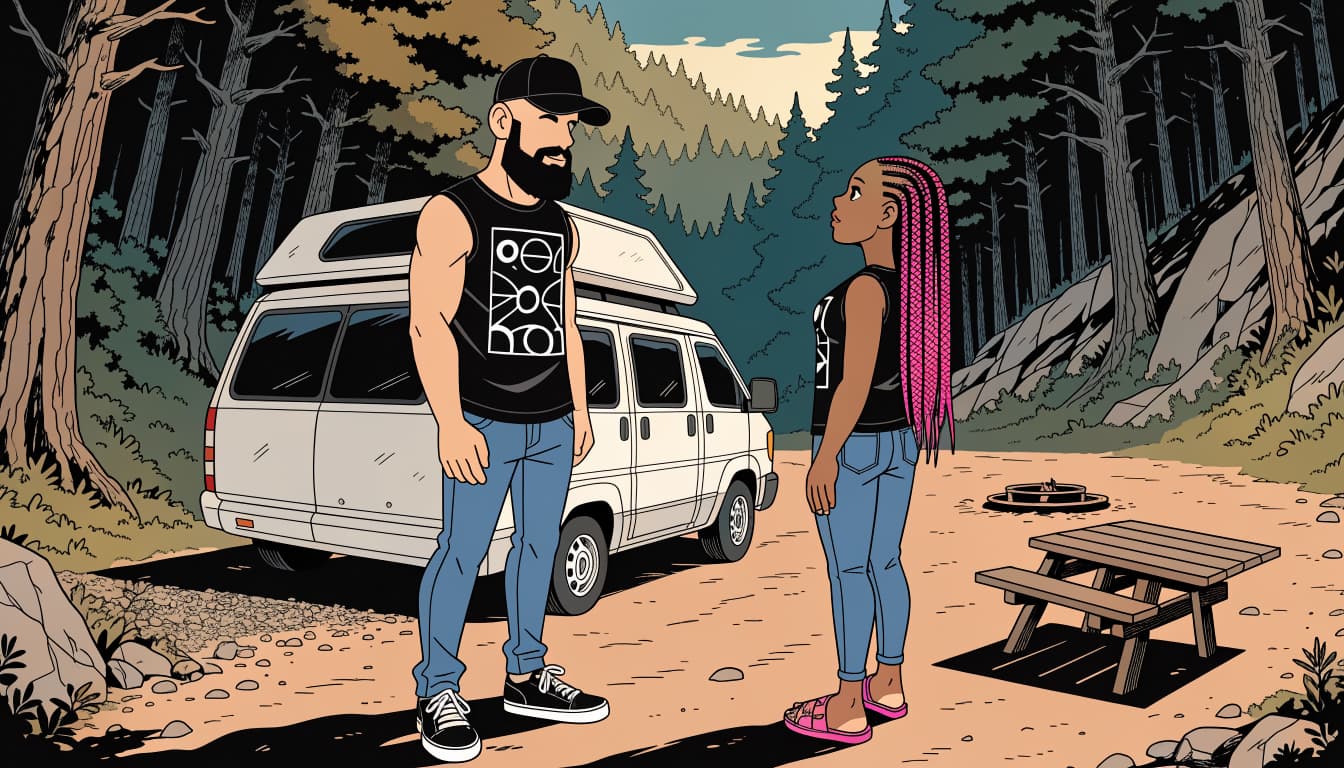
The stay limit is 14 days. The Forest Service recommends high-clearance vehicles, and four-wheel drive may be needed depending on road conditions. Read the Big Bear Yellow Post Sites information before setting out, especially if your idea of a rough road is a pothole in a grocery store lot.
How to Book a Big Bear RV Site and Match It to Your Rig
A reservation is only useful if your rig fits the site and the site has the services you expect. Big Bear campgrounds use different reservation methods, and details such as rules, availability, and rates can change. Treat the site description as a real part of the booking, not as fine print for a future version of you to decode in the parking lane.
Check reservations, site length, and hookups before paying
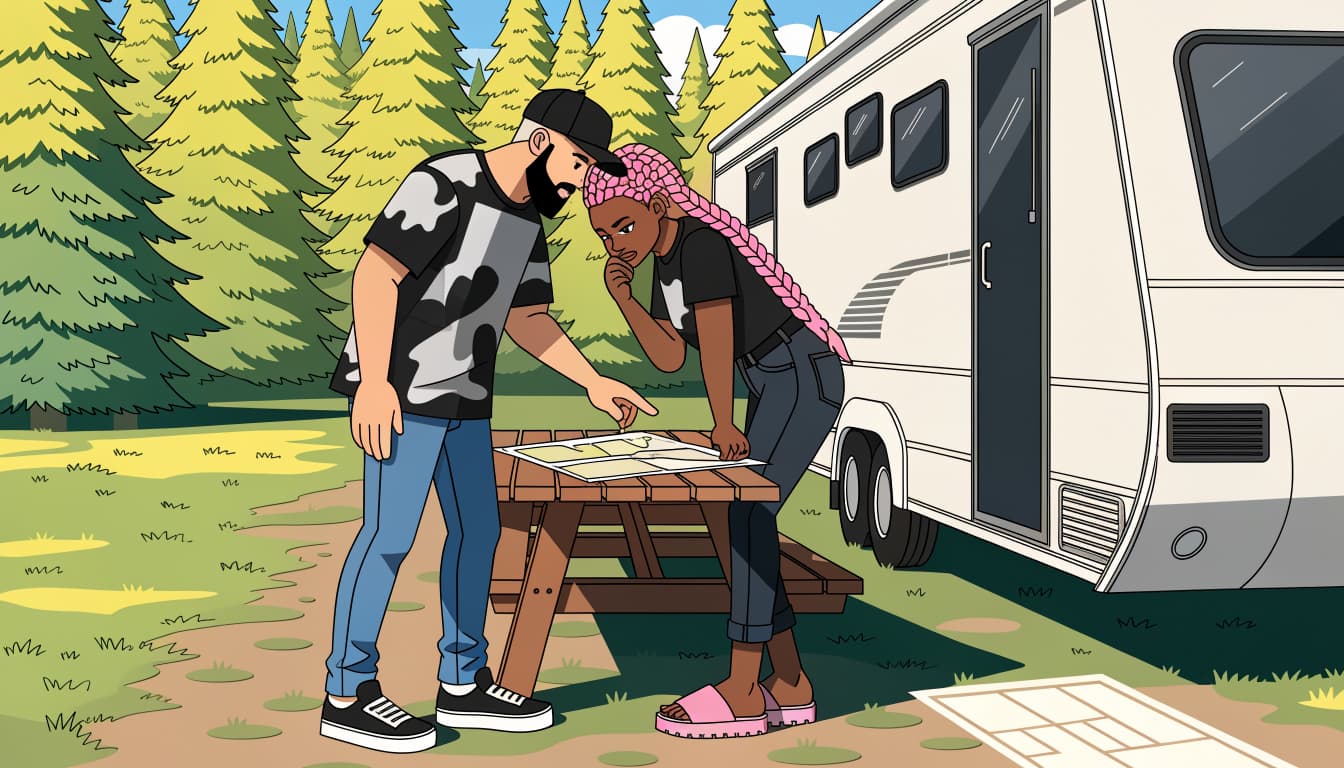
Pine Knot reservations are handled through Recreation.gov. Its limited turnaround space restricts RVs longer than 26 feet, and the site listing may set its own equipment limits. Measure the full vehicle and trailer combination, then compare that number with the site details. A tape measure is cheaper than discovering your trailer turns like a cargo ship.
Before booking, know what kind of hookup you need, whether your parking space fits, and what the cancellation terms say. Holloway's official listings don't publish an RV size limit, so contact the park about your specific rig. The same goes for any site detail that could turn a tidy arrival into a game of reverse-and-pray.
Compare posted costs and avoid assuming every site includes services
Big Bear Lake Elks Lodge #1787 lists hookup spaces at $40 per night, dry camping at $20 per night, and dump-station use at $10. Those are posted prices, not a guarantee of current rates. The difference between hookup and dry-camping rates is a reminder to compare what a fee actually includes.
A cheaper site can still cost you more effort if it doesn't meet your needs. Factor in power, water, waste disposal, parking, and the drive to places you want to visit. The lodge asks visitors to call about availability and road conditions, so put that step in your plan rather than relying on a hopeful guess.
Prepare Your RV for Big Bear Roads, Weather, and Campground Rules
Big Bear is a mountain destination, so the route and the campsite both deserve a little respect. A large RV that handles highways easily may have a harder time on a narrow or rough forest road. Weather can also feel different after sundown. Think through road access, temperature, fire rules, and waste before you leave, not after the last easy turnoff.
Check road access before driving a large RV into the forest
Forest roads can be narrow, steep, rough, or simply unsuitable for a large rig. Yellow Post access may require high clearance or four-wheel drive, and road conditions can change. Current closures and suitability matter, so ask the local Forest Service district about the route before driving a big RV into the woods.
Big Bear RV Rentals says it can deliver RVs to campsites, including Forest Service sites. Delivery still depends on access to the specific site, so discuss the exact location before counting on it. A campsite pin on a map is not a promise that a delivery vehicle can reach the pin.
Pack for cold nights and changing mountain conditions
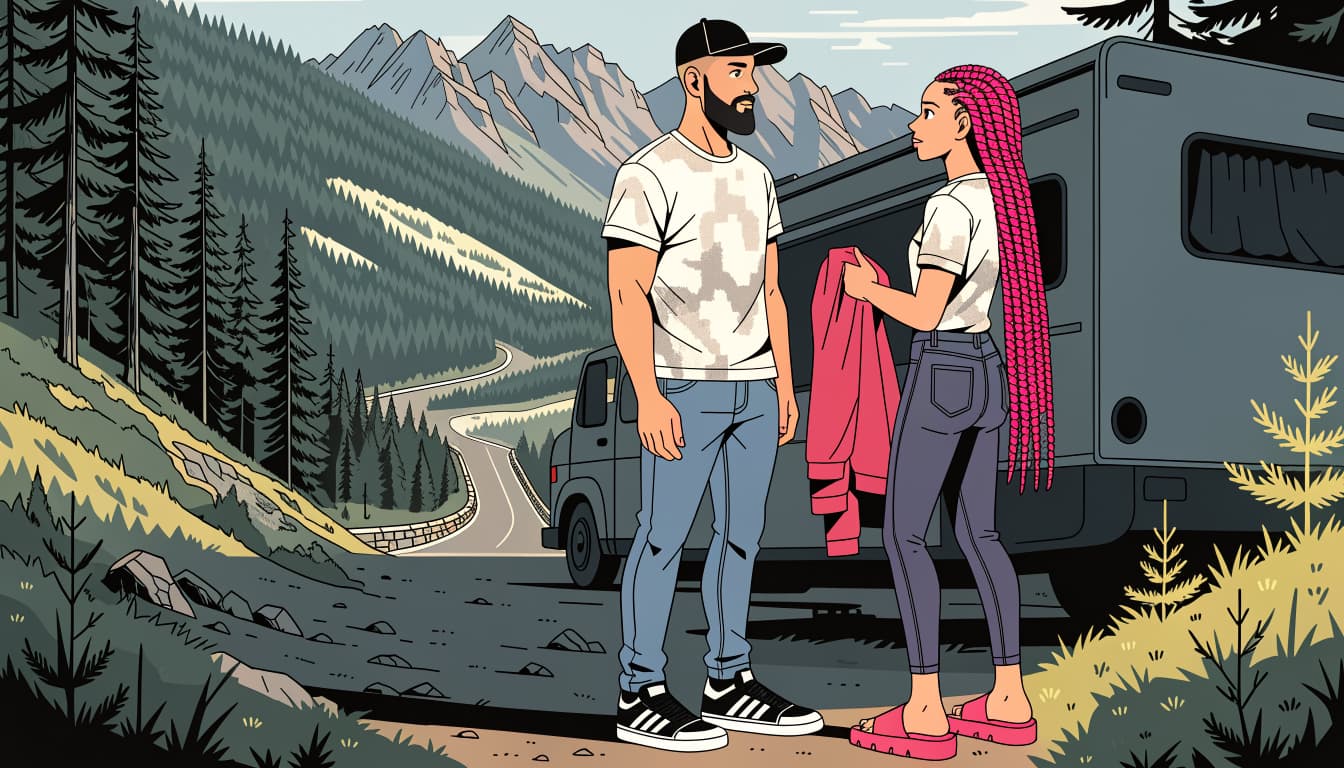
Check the forecast shortly before travel and pack for temperature changes, especially at night. Bring warm layers even if your daytime plan involves sunshine and a graphic tee. Think through water, power, and waste needs before you leave, too. A rustic campsite won't have a refill station waiting just outside the RV door.
Campground operating dates vary. A site appearing in a directory doesn't mean it will be open for your chosen dates. Use the campground's current seasonal information when you book, and build a backup plan if your first-choice site doesn't work.
Follow fire, waste, and length-of-stay rules
Forest Service dispersed camping has a general 14-day limit within a 30-day period. Keep vehicle wheels on or near roads, pack out trash and human waste, and follow current fire restrictions. The San Bernardino National Forest camping guidance covers dispersed camping rules, while Forest Service fire guidance explains fire restrictions and permits.
A California Campfire Permit is required for campfires and gas or propane stoves and lanterns. A permit doesn't override restrictions, and fires may still be prohibited. Check the current rules for your area and dates, then plan meals and lighting around what is allowed.
Make the Most of Your Big Bear RV Camping Stay
A good base makes it easier to balance lake time, town errands, and an evening at camp. Developed parks can put services or lake access closer at hand, depending on which one you choose. Rustic sites offer a quieter, simpler setup, but they ask you to arrive ready to manage without water or restrooms. Pick the kind of day you want, then build the campsite around it.
Use a developed campground as your base for lake and town time
A developed park can make an outing easier when its location and amenities line up with your plans. Holloway's, for example, lists marina access, and the nearby lake gives you a clear reason to consider a lakeside stay. Still, don't assume every park offers the same access or services. Check the actual location and plan outings around current local details.
Leave room in the schedule for the basics: parking the rig, settling in, and getting everyone oriented. RV trips have enough moving parts without turning every meal into a side quest for supplies.
Leave a light footprint at rustic sites
At a Yellow Post site, stay in established areas, keep vehicles on or near roads, and take all waste with you. Avoid disturbing wildlife and natural resources. The sites have no drinking water or restrooms, so arrive with the water, waste plan, and supplies your group needs.
Streetwear & Casual Styling
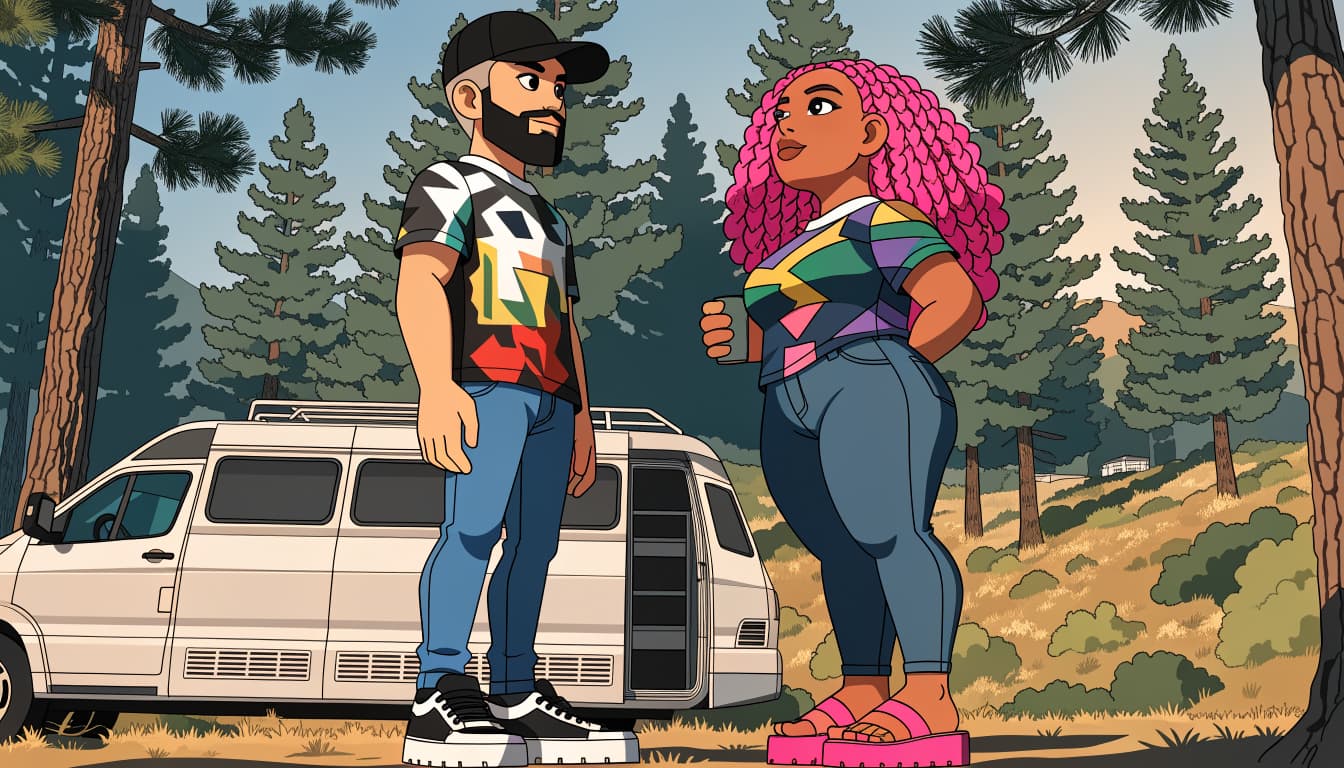
Camp clothes should be comfortable, and a graphic tee can bring a little personality to a low-key afternoon or a casual stop in town. Pair one with jeans and a warm layer when mountain temperatures dip. The joke on the shirt can do the socializing while you recharge from actual socializing.
For a playful outdoor mood, try the Nature Is My Therapist tee or Leave No Trace tee. They're expressive graphic tees for casual wear, not technical outdoor clothing.
Frequently Asked Questions
Can you camp in an RV at Big Bear Yellow Post Sites?
RVs and trailers are not recommended at Yellow Post sites. Rough access and limited facilities make them a poor match for many rigs, particularly larger ones. A developed RV park is a more practical choice if you need dependable services.
Do Big Bear RV campgrounds have full hookups?
Some options, including Holloway's and Serrano in available listings, offer full-hookup sites. Pine Knot has no hookups, so plan to manage your water and power accordingly. Services may vary by campground and reservation date.
When should you reserve an RV campsite in Big Bear?
Book as early as practical for summer, holidays, and other busy periods. Reservation methods differ by campground, and Pine Knot reservations go through Recreation.gov. Availability and rules depend on the site and dates you choose.
Can you camp for free near Big Bear Lake?
Big Bear Yellow Post Sites are listed as free and first-come, first-served. They have no drinking water or restrooms, and RVs and trailers are not recommended. Access, fire restrictions, and other Forest Service rules still apply.
Choose Your Site Before You Choose Your Route
Match your rig and comfort needs to a developed park or a rustic campsite, then sort out the site fit, reservation details, road access, and rules before leaving. That's the difference between a relaxing Big Bear stay and a high-altitude puzzle with a trailer attached.
Plan ahead, pack for the conditions, and leave the forest as good as you found it. Your future self, and the next camper, will appreciate the effort.