

BMW Symbol Meaning Dashboard: What Every Warning Light Means and What to Do
Key Takeaways
Dashboard symbols are easier to understand when you read their color, shape, and timing together. Use the light as an instruction to investigate, not as a substitute for the owner’s manual or a proper diagnosis.
- Red symbols usually call for immediate attention or a prompt stop.
- Yellow symbols generally indicate a fault or service need that should not be ignored.
- Green, blue, and white symbols commonly report an active function or operating condition.
- A flashing symbol can be more urgent than a steady one.
- If the message is unclear, stop safely and read the vehicle’s detailed information.
How to read BMW dashboard symbols
When you search for the bmw symbol meaning dashboard, begin with the color and then look at the shape of the icon. The same general symbol can have different urgency depending on whether it is steady or flashing, and the accompanying message may add a critical detail. Your model year, equipment, and market can also affect which symbols appear. A useful overview of BMW dashboard warning lights can help you recognize common patterns, but your own vehicle’s manual remains the final reference.
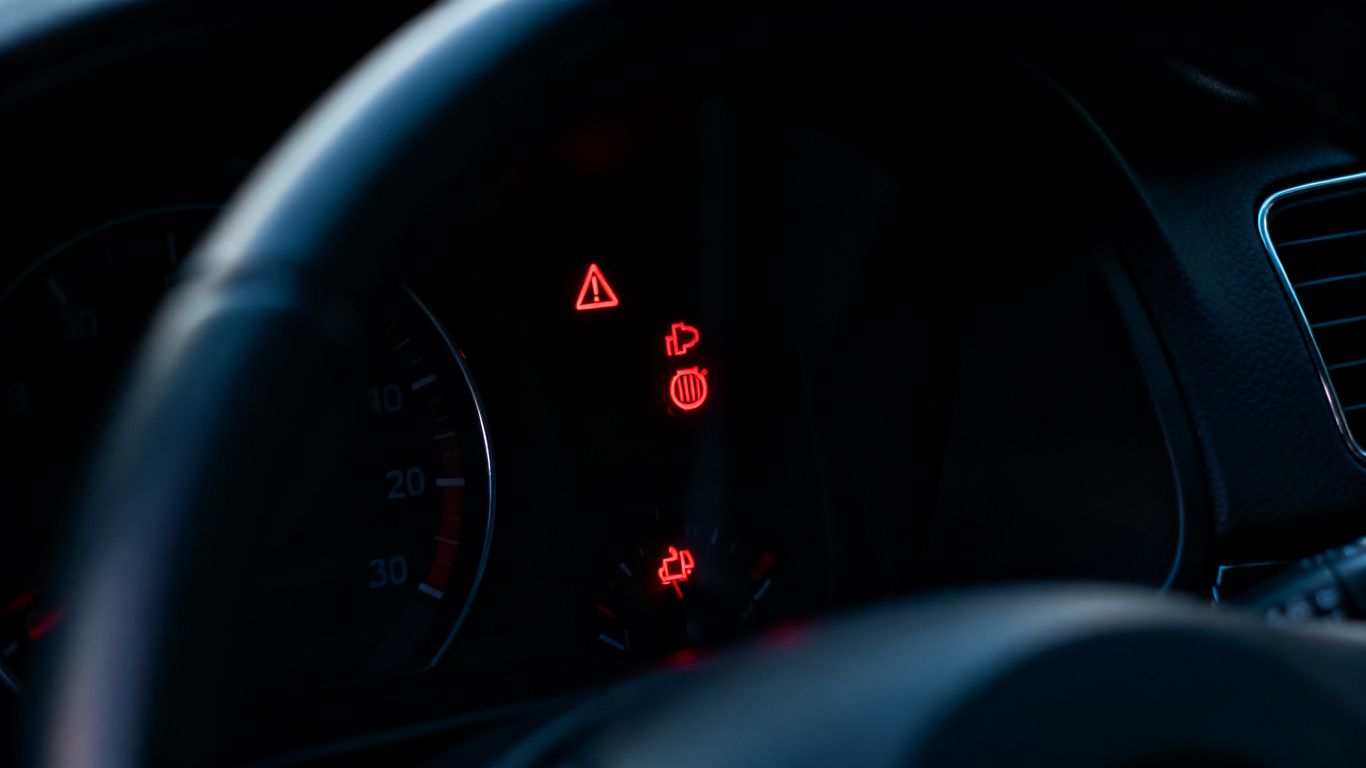
What the color of each symbol indicates
Red generally signals a condition that may affect immediate safety or vehicle operation, such as a brake, temperature, oil-pressure, or restraint warning. Yellow or amber commonly means that a system needs attention, diagnosis, or service soon. Green and blue lights usually confirm that a function is active, while white symbols often provide status information. Treat color as a first filter rather than a complete diagnosis.
The difference between warning lights and indicator lights
A warning light tells you that something may require action, while an indicator light often confirms what the vehicle is doing. A green turn-signal arrow, for example, is normally an operating indicator; a red brake warning is a caution that deserves a different response. Some symbols can change meaning with a flashing pattern, so do not rely on color alone. The goal is to connect the icon with the driving symptom, message, and timing.
Why symbols may appear briefly during startup
Many dashboard lights illuminate briefly when you switch on the ignition or start the engine. This allows the vehicle to check that the warning system and related sensors can communicate with the display. If a light goes out after startup, it may simply have been part of that check. If it remains on, returns while driving, or begins flashing, read the message and assess whether continuing is safe.
How the iDrive system adds more information
The dashboard icon is often only the short version of the message. The vehicle display may provide text, operating limits, or a recommendation such as driving cautiously, stopping, or arranging service. Read that message while parked rather than trying to interpret several screens in motion. If you enjoy notification-style visual language, the System Alert Book Club Tee uses a fictional warning-message concept; your dashboard, however, should always be interpreted through the vehicle’s own instructions.
Red BMW dashboard symbols that require immediate attention
Red symbols deserve a calm but prompt response because they can relate to braking, lubrication, temperature, charging, or occupant protection. Pull over as soon as traffic and road conditions allow, and avoid treating the light as a minor maintenance reminder. Some red symbols may be caused by a simple condition, but you cannot safely assume that from the color alone. The safest next step depends on the exact icon and the accompanying message.
Brake system and parking brake warnings
A red brake symbol may mean that the parking brake is engaged, but it can also point to a brake-system problem or a low fluid condition, depending on the vehicle and message. Confirm that the parking brake is fully released, then test the pedal gently only in a safe location. A soft pedal, increased stopping distance, grinding, or a warning that remains on calls for immediate assistance rather than continued travel.
Engine oil pressure and overheating alerts
Oil-pressure and overheating warnings can indicate conditions that damage the engine if you keep driving. Turn off the engine when it is safe, especially if the temperature is rising, steam is visible, or the vehicle is losing power. Do not open a hot cooling system, and do not assume that adding fluid will solve the underlying problem. Let the vehicle cool only in a safe place and arrange qualified help when the warning persists.
Battery charging and electrical system warnings
A battery-shaped warning while driving can indicate that the charging system is not maintaining the vehicle’s electrical supply. Accessories may stop working, and the engine may eventually shut down once available power is depleted. Reduce unnecessary electrical loads, avoid an isolated destination, and arrange assistance rather than assuming a later restart will fix the issue. A diagnostic check is needed to identify the actual cause.
Airbag and safety restraint notifications
An airbag or restraint warning means that a safety system may not be ready to operate as intended in a collision. Check that belts are fastened correctly and that nothing is obstructing a seat or buckle, but do not attempt to repair restraint wiring yourself. Because the issue concerns occupant protection, schedule professional diagnosis promptly and follow any instruction to stop driving.
Yellow BMW dashboard symbols that need prompt diagnosis
Yellow symbols are often less immediately severe than red ones, but they still deserve attention. They can identify a stored fault, reduced system availability, a pressure problem, or wear that will worsen with time. A steady light may allow careful travel to a safe destination, while a flashing light, rough running, or another symptom raises the urgency. Record what happened when the symbol appeared so a technician has useful context.
Check engine and drivetrain warnings
A check-engine or drivetrain symbol can relate to many different systems, so the icon alone cannot tell you which component has failed. Notice whether the engine is shaking, hesitating, smoking, or losing power. A flashing engine warning or severe change in how the vehicle runs should lead you to stop driving when safe. A steady warning with normal operation still merits diagnosis rather than indefinite delay.
ABS, traction control, and stability control symbols
ABS, traction-control, and stability-control warnings may mean that one or more assistance functions are unavailable. The vehicle may still move normally, but braking and handling behavior can change, particularly on wet, loose, or slippery roads. Reduce speed, leave extra space, and avoid testing the system aggressively. If several warnings appear together, read the detailed message and arrange service soon.
Tire pressure monitoring system alerts
A tire-pressure warning calls for a physical check of every tire, including the possibility of a slow puncture. Compare the pressures with the values specified for your vehicle, not a generic number printed elsewhere. If a tire is visibly damaged or rapidly losing air, do not continue driving on it. After correcting pressure, follow the vehicle’s procedure for confirming or resetting the monitoring system.
Steering, suspension, and brake pad indicators
Steering, suspension, and brake-pad symbols can range from a service reminder to a fault that changes vehicle control. Pay attention to pulling, unusual noise, vibration, uneven ride height, or a steering wheel that suddenly feels heavy. These symptoms matter as much as the yellow icon itself. Arrange an inspection promptly, and stop if control or braking is noticeably impaired.
Common green, blue, and white BMW indicators
Not every illuminated symbol is a fault. Green, blue, and white indicators often tell you that a light, setting, or operating state is active. Even so, an indicator can become distracting if you do not know why it appeared, particularly after another driver has used the vehicle. Learning these routine symbols helps you reserve urgent attention for warnings that actually require it.

Turn signal and exterior lighting indicators
Green arrows normally show that the turn signals are operating. Green exterior-light symbols can confirm that a lighting function is switched on, while a separate warning may appear if a lamp is faulty. If an arrow flashes unusually fast or a lighting warning accompanies it, inspect the exterior lamps when safely parked. Clear lighting communication matters to everyone sharing the road.
High-beam and fog-light symbols
A blue high-beam symbol generally confirms that the high beams are active. Switch them off when approaching another road user or when following a vehicle closely. Fog-light indicators identify a selected lighting function, but their usefulness depends on conditions and local driving rules. If a light symbol remains on unexpectedly, check the stalk or switch before assuming there is an electrical fault.
Cruise control and driver assistance indicators
Cruise-control and assistance indicators typically show that a feature is available, selected, or actively controlling speed or distance. They do not remove your responsibility to watch traffic and the road. A change in color or an additional message may indicate that the function is unavailable or that conditions have interrupted it. Keep your attention on the driving task even when the display looks reassuring.
Cold engine and operating-status notifications
Some white or blue notifications describe a temporary operating condition, such as a cold engine or a function that is preparing to operate. Drive gently until normal temperature and system conditions are reached. If the notification stays on far longer than expected or appears with a red or yellow warning, treat the combined message as the more serious signal. Context prevents a harmless status light from being mistaken for a failure.
BMW symbols related to driver assistance and vehicle systems
Modern vehicles can display symbols for several systems at once, and these messages may change as road conditions change. A driver-assistance icon usually describes availability or intervention, not a guarantee that the system will detect every hazard. Sensors can be affected by weather, dirt, blocked cameras, or unclear lane markings. Read the message and continue to scan the road yourself.
Lane departure and blind-spot monitoring alerts
Lane-departure and blind-spot alerts are designed to provide information about lane position or nearby traffic, but their availability depends on the conditions and the system’s detection limits. A warning may be triggered when markings are unclear or when a sensor is obstructed. Keep both visual and physical checks in your routine. If the system reports that it is unavailable, drive without relying on that assistance until the message clears or the issue is checked.
Parking sensors and parking assistant messages
Parking sensors can warn you as you approach an object, while parking-assistance messages may describe whether the system is ready, interrupted, or unavailable. Move slowly and check mirrors, windows, and the area around the vehicle rather than following sound alone. Dirt, snow, a trailer, or an unusual object can affect readings. You remain responsible for confirming that the path is clear.
Adaptive cruise control and collision warnings
Adaptive cruise and collision-related warnings can change with traffic, speed, visibility, and sensor conditions. A warning may call for immediate braking, while another message may simply say that a feature is unavailable. Keep a safe following distance even when the system is active. If the vehicle intervenes unexpectedly or repeatedly reports a sensor issue, end the feature’s use and seek diagnosis when appropriate.
Auto start-stop and driving mode indicators
Auto start-stop and driving-mode symbols generally report a selected setting or a temporary operating decision. The system may not activate when battery state, temperature, climate demand, or other conditions do not suit it. That does not automatically mean there is a fault. Read the message before changing settings repeatedly, and notice whether a separate warning light appears.
What to do when a BMW dashboard symbol appears
Your first job is to keep control of the vehicle and avoid making a complicated diagnosis while moving. Look for a safe place, note the symbol’s color and whether it is flashing, and read the accompanying message once parked. A simple decision tree can prevent both unnecessary panic and risky delay. When uncertain, choose the safer response.
When it is safe to keep driving
You may be able to continue carefully when the symbol is a routine indicator, the vehicle feels normal, and the message does not instruct you to stop. Reduce distractions, avoid hard acceleration, and head toward a safe destination or service location. Use the following quick checks before proceeding:
- Confirm whether the symbol is steady or flashing.
- Check for changes in braking, steering, temperature, power, or engine sound.
- Read the detailed dashboard or vehicle-display message while parked.
- Plan a prompt inspection if the warning remains after a restart.
These checks are not a repair diagnosis, but they help you decide whether a short, cautious trip is reasonable. If the vehicle behaves differently from normal, treat that change as a reason to stop rather than relying on the color alone.
When to stop the vehicle immediately
Stop as soon as safely possible for a red warning involving brakes, oil pressure, overheating, charging, or restraint systems, especially when the light flashes or the vehicle’s behavior changes. Pull away from traffic if possible, switch on hazard lights when appropriate, and keep occupants away from moving traffic. Do not continue simply because the vehicle still starts or rolls. Call for assistance if you cannot identify a safe next step.
How to check the owner’s manual and iDrive message
Use the owner’s manual for the exact symbol, model-specific instructions, and any limits on driving. Then compare it with the message shown in the vehicle display, since the text may identify a sensor, fluid, or operating condition that the icon cannot. Save or photograph the message only after parking safely. A visual warning is a prompt to gather information, not permission to guess.
When to schedule diagnostics or professional service
Schedule service when a warning remains on, returns repeatedly, or appears with a symptom even if the car still feels usable. Seek help sooner for braking, steering, overheating, oil pressure, charging, airbag, or flashing engine warnings. Keep track of the mileage, weather, driving conditions, and recent work; these details can shorten the diagnostic process. A useful reference such as this dashboard symbol guide can help you describe the issue, but it cannot replace an inspection.
For readers who appreciate warning-message aesthetics outside the car, the Your Anxiety Operating System Tee uses a documented cyber-brutalist anime graphic concept. On the road, though, the practical rule is simpler: understand the message, protect your safety, and arrange qualified help when the vehicle calls for it.
Conclusion
A dashboard symbol is a small piece of information with a job to do. By reading its color, timing, message, and effect on the vehicle together, you can make a calmer decision about whether to continue, stop, or schedule service. When the warning concerns a safety-critical system or you are unsure what it means, caution is the better choice.
Frequently Asked Questions
What does a red dashboard symbol usually mean?
A red symbol generally indicates a condition that may require immediate attention. Stop safely and read the detailed message, particularly if the vehicle’s braking, steering, temperature, oil pressure, or electrical behavior has changed.
Are yellow dashboard symbols safe to ignore?
No. Yellow symbols are often less urgent than red ones, but they usually indicate a fault, service need, or reduced system availability. Arrange diagnosis promptly and stop sooner if the light flashes or the vehicle behaves unusually.
Why do dashboard lights turn on when the vehicle starts?
Many lights illuminate briefly during startup as part of a system check. A light that goes out may be normal, while one that remains on, returns, or flashes should be investigated.
What should you do if a warning light flashes?
Treat a flashing warning as more urgent than a steady light. Reduce speed, find a safe place to stop, and follow the vehicle’s message or manual rather than continuing without understanding the risk.
Can a dashboard symbol disappear by itself?
It can disappear if a temporary condition clears, but that does not always prove the underlying issue is resolved. Note what happened and arrange a check if the symbol returns or was accompanied by a noticeable symptom.
Is it safe to drive with a tire-pressure warning?
Check the tires as soon as possible and compare their pressure with the vehicle’s specified values. Do not drive on a visibly damaged or rapidly deflating tire, and seek assistance if you cannot correct the problem safely.
When should you call for roadside assistance?
Call for assistance when the vehicle has a critical red warning, loses braking or steering performance, overheats, loses power, shows serious electrical symptoms, or behaves in a way that makes continued driving uncertain.