

How Many Botox Units Do You Need? A Safe Guide
Botox dosing isn't a character-creation slider where you copy someone else's settings and press confirm. The answer to how many units of Botox do I need depends on your treatment area, muscle strength, facial anatomy, desired look, prior results, and the exact botulinum toxin product being used.
FDA-labeled BOTOX Cosmetic amounts give you useful context, but they aren't a personal prescription. A qualified injector needs to watch your face move, hear what you want, and map a plan that doesn't turn your brows into a side quest.
Key Takeaways
- FDA-labeled BOTOX Cosmetic dosing lists 20 units for glabellar lines and 24 units for crow's feet.
- Forehead and glabellar lines are often assessed together, with a labeled total of 40 units.
- Your muscle movement, facial anatomy, goals, and prior response all change the plan.
- Units from different toxin brands are not interchangeable.
- Choose a trained medical injector, not the cheapest unit count on the internet.
How Many Units of Botox Do You Need for Each Treatment Area?
For BOTOX Cosmetic, which is onabotulinumtoxinA, the FDA label gives clear starting reference points for approved facial areas. Glabellar lines, the vertical "11s" between your brows, have a labeled total of 20 units. Crow's feet have a labeled total of 24 units.
For forehead lines treated with glabellar lines, the label describes 20 units in the forehead plus 20 units in the glabella, for 40 units total. Treat all three approved areas at once, forehead, glabella, and crow's feet, and the labeled total is 64 units.
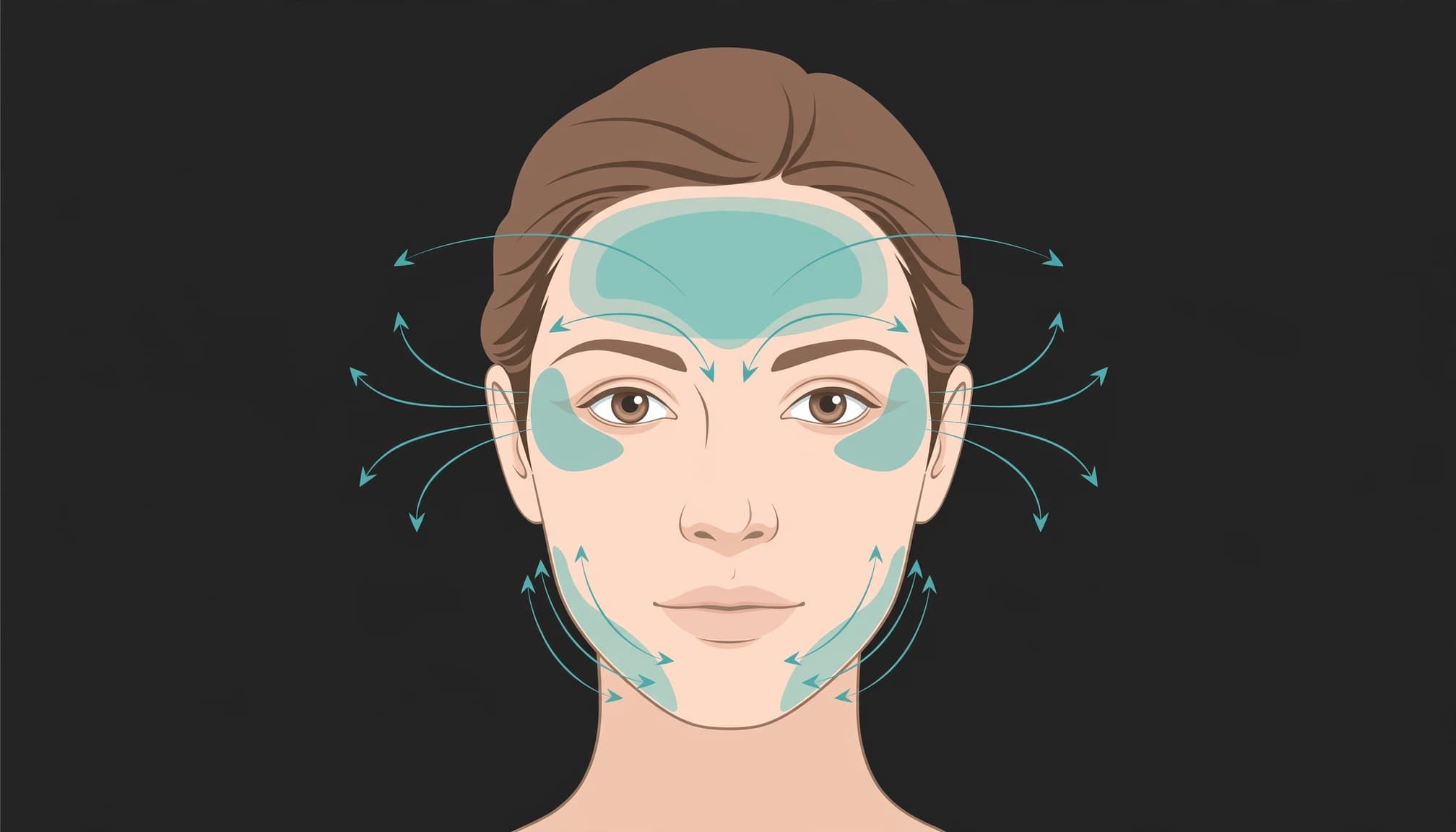
Those numbers are context, not a checkout-cart recommendation. Your injector may adjust the plan based on muscle size, expression patterns, age-related skin changes, sex, treatment goals, and technique. The FDA-approved BOTOX Cosmetic prescribing information is the source for these labeled doses.
Forehead lines and the area between your eyebrows
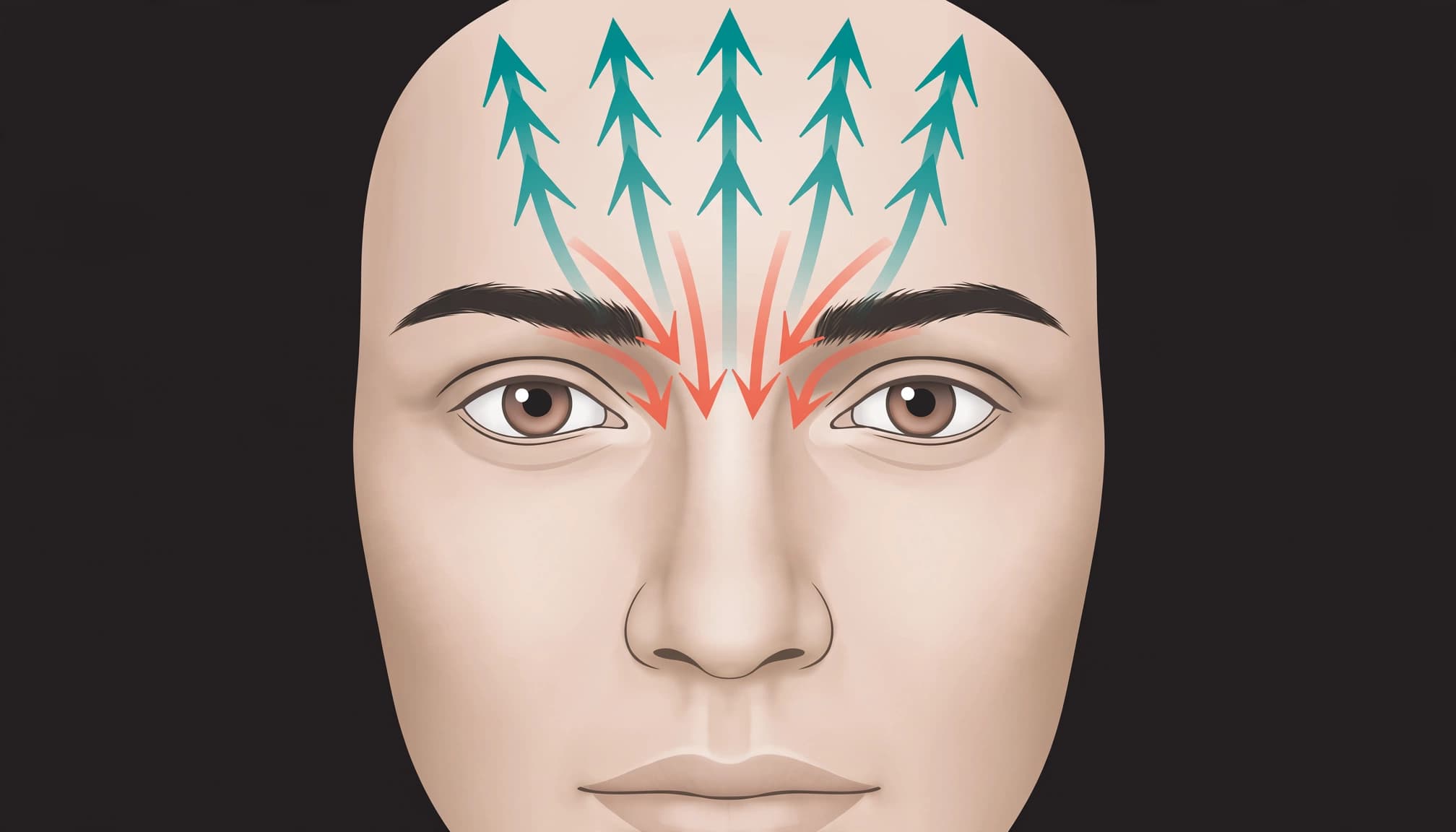
Your forehead isn't operating alone. The frontalis muscle lifts your brows, while muscles in the glabellar area pull them downward. Treating one zone without accounting for the other can create an awkward balance, including a heavy brow or brow ptosis.
That is why providers often assess forehead lines and frown lines together. The labeled 40-unit example includes 20 units for forehead lines and 20 for glabellar lines, but it doesn't mean 40 is automatically your number. Your brow position, eyelid anatomy, and muscle pull all matter.
Crow's feet around the eyes
The labeled BOTOX Cosmetic dose for crow's feet is 24 units. It is commonly placed as 4 units at each of three sites on each side of the face.
Your injector should watch you smile before choosing those points. Some people pull hard upward, some outward, and some have asymmetrical movement that only appears when they grin. The eye area has zero patience for sloppy placement. Small changes can affect expression or cause unwanted weakness.

Masseter Botox and other off-label areas
Masseter treatment for jaw clenching or facial slimming is not among the FDA-labeled cosmetic indications for BOTOX Cosmetic in the United States. Online unit charts for the jaw are everywhere, usually delivered with the confidence of a wiki edited at 3 a.m. They aren't a substitute for an exam.
Neck bands, lip lines, gummy smile treatment, and jaw muscles all need a custom assessment. The product, placement, anatomy, and goal can change the approach. Ask directly if any part of your plan is off-label and why your injector recommends it.

What Changes the Botox Dose You May Need?
Two people can show up with the same forehead lines and leave with different plans. That isn't inconsistency. It's facial anatomy doing what facial anatomy does, which is refusing to become a spreadsheet.
Your injector considers the size and strength of the muscle, the treatment area's width, how deep your lines are, and whether they appear only with movement or remain at rest. Age-related changes, brow position, past results, and prior side effects also matter.
A first treatment may be more conservative. Your clinician can assess the result later instead of dropping an aggressive dose on day one and hoping the plot resolves itself.
The right dose is the lowest amount that meets your goal without creating unwanted weakness.
Your goals matter more than a standard number
You may want softened lines while keeping a little expression. Someone else may want stronger smoothing and barely any movement. Neither preference is wrong, but they aren't the same plan.
More units do not automatically create a better result. Strong muscles and deeper movement lines may need a different approach than light lines with subtle movement. Bring clear references to your consultation, such as "I still want to raise my brows" or "I don't want my smile to look different."
Botox units are not interchangeable between brands
A unit is not a universal cosmetic currency. BOTOX Cosmetic, Dysport, Xeomin, Jeuveau, and Daxxify use product-specific units that cannot be directly converted.
When comparing clinics, ask which product they use, which areas they are treating, and what the total price covers. Comparing unit counts alone is like comparing game stats from different titles and pretending the numbers mean the same thing. They don't. Review official BOTOX Cosmetic dosing information when you want to see its approved facial indications.
How to Plan a Safe Botox Treatment
An online calculator cannot see your brow shape, feel your masseter tension, or catch an uneven smile. The clinician injecting you should decide the dose and injection map.
Look for a licensed medical professional with training in facial anatomy and experience in your requested area. You deserve to know the product name, the recommended number of units, expected results, likely risks, follow-up policy, and whether your treatment is off-label.

What to discuss before your appointment
Tell your provider about medical conditions, allergies, medications, supplements, prior cosmetic injections, pregnancy or breastfeeding status, and neuromuscular conditions. Mention any history of trouble swallowing or breathing, too.
They should assess the treatment area and set realistic expectations before anything happens. Don't choose a dose because your friend got it, or because a clinic's ad screams the lowest price per unit. Your face is not a flash sale.
Warning signs and common mistakes to avoid
Skip unlicensed injectors, suspiciously cheap offers, counterfeit products, and injections in nonmedical settings. Common effects can include bruising, headache, asymmetry, eyelid or brow drooping, and unwanted weakness.
Contact your treating clinician if something feels off. Seek urgent medical attention for trouble breathing, swallowing, or speaking, or for widespread weakness. Product guidance also says treatments should not be repeated more often than every three months. The BOTOX Cosmetic prescribing information lists these warnings and repeat-treatment guidance.
What Will Your Botox Consultation and Cost Look Like?
A solid consultation is part facial movement test, part planning session. Your provider should review your history, watch your expressions at rest and in motion, mark possible treatment points, give a unit estimate, and explain follow-up.
Clinics may charge by the unit, by treatment area, or through a package. That makes price comparisons messy unless you know the product and total units. A higher count isn't automatically better value. It may mean more areas, stronger muscles, or a plan you don't even want.
Questions to ask before you agree to treatment
Bring these questions with you:
- Which product will you use for my treatment?
- How many units do you recommend for each area?
- Is any part of this plan off-label?
- Who will perform the injections?
- What results and side effects should I expect?
- When should I contact you, and what happens at follow-up?
You should not feel rushed into a plan. Get a second consultation if the answers are foggy, the product is unclear, or the injector treats your questions like hostile NPC dialogue.
Results need time, not panic additions
Botox results do not appear the second you leave the chair. Your provider should tell you when they want to assess the outcome and whether a follow-up is appropriate.
Don't add more injections immediately because one brow seems dramatic in a bathroom mirror. Give the product time to work, then discuss any concern with the clinician who treated you. The official BOTOX Cosmetic treatment-area dosing page shows the standard approved-area examples, but your face still gets its own plan.
Frequently Asked Questions
Is 20 units of Botox a lot?
Twenty units is the labeled total for glabellar lines with BOTOX Cosmetic. Whether it is a lot depends on the treatment area, product, muscle strength, and your goal. Unit counts without context are just numbers wearing a lab coat.
How long does Botox last?
How long results last varies by person, treatment area, muscle activity, product, and dose. A future appointment does not mean the original treatment failed. Your injector can explain what follow-up timing makes sense for your plan.
Can you get Botox with fewer units?
A clinician may recommend fewer units for a subtle look, a smaller area, or a first treatment. Fewer units can also create a lighter or shorter-lived result. The goal is not the smallest number, it is the safest plan that matches what you want.
Does more Botox make wrinkles disappear faster?
No. More units do not guarantee faster or better results. Botox reduces muscle activity, but it does not fill deep etched lines, repair sun damage, or replace skincare and other treatments.
How often can you safely repeat Botox?
BOTOX Cosmetic product guidance recommends waiting at least three months between treatments. Treating too often can raise the chance of unwanted weakness and makes it harder to judge your true result.
The Number Is Only the Starting Point
Common labeled amounts can help you understand the conversation. For BOTOX Cosmetic, that includes 20 units for glabellar lines, 24 units for crow's feet, and 40 units for combined forehead and glabellar treatment.
But no label can map your exact muscle pull, brow position, or preferred amount of movement. Choose a qualified injector, ask for a clear plan, and prioritize a safe, natural-looking result over the highest or lowest unit count.