

Boudoir Outfits That Feel Like You, Lingerie Optional
You don't need a drawer full of lingerie to feel confident in boudoir photos. If a lace set feels like a costume you didn't audition for, leave it in the drawer. The best boudoir outfits give you room to move, breathe, and recognize yourself in the pictures.
That might mean a bodysuit, a satin robe, your favorite oversized tee, or a little of each. You get to choose the coverage and the mood. Start with clothes you'd be happy to put on before anyone picks up a camera.
Key Takeaways
- Lingerie is optional. Robes, slips, sweaters, tees, and meaningful everyday clothes can all work.
- Choose pieces that fit your body now, rather than trusting the size on a tag.
- Try each look while sitting, standing, and moving before you pack it.
- Bring three to five options for variety, then confirm how many changes your session allows.
- Loose clothes on the way to the studio can help you avoid tight-band marks.
Boudoir Outfits That Work With Your Personal Style
Your session doesn't need a dress code handed down by the lingerie council. Pick clothes that match how you want to feel: polished, cozy, dramatic, playful, or somewhere between. A few different silhouettes give you more range without asking you to become a different person.
If you want a look at the preparation before sorting through your closet, Mike Lloyd's boudoir shoot walkthrough is a useful place to start.
Try lingerie sets, bodysuits, and corsets for a classic look
A matching bra-and-panty set creates a clean, coordinated look. Lace adds detail, while a simpler fabric lets the shape of the outfit lead. If separates keep shifting when you move, a bodysuit gives you one piece to manage instead of two.
Corsets and bustiers bring more structure. Check that you can sit, turn, and breathe comfortably in yours. You shouldn't have to spend the session negotiating with a waistband. A piece that fits today will photograph better than one you're hoping to fit into later.
Use robes, slips, and oversized shirts for softer coverage
A silk or satin-like robe adds movement and gives you control over how much you show. Wear it closed for more coverage, partly open over a set, or loose over a slip. A lace kimono brings a lighter, more detailed feel; a nightgown can keep the whole look soft and simple.
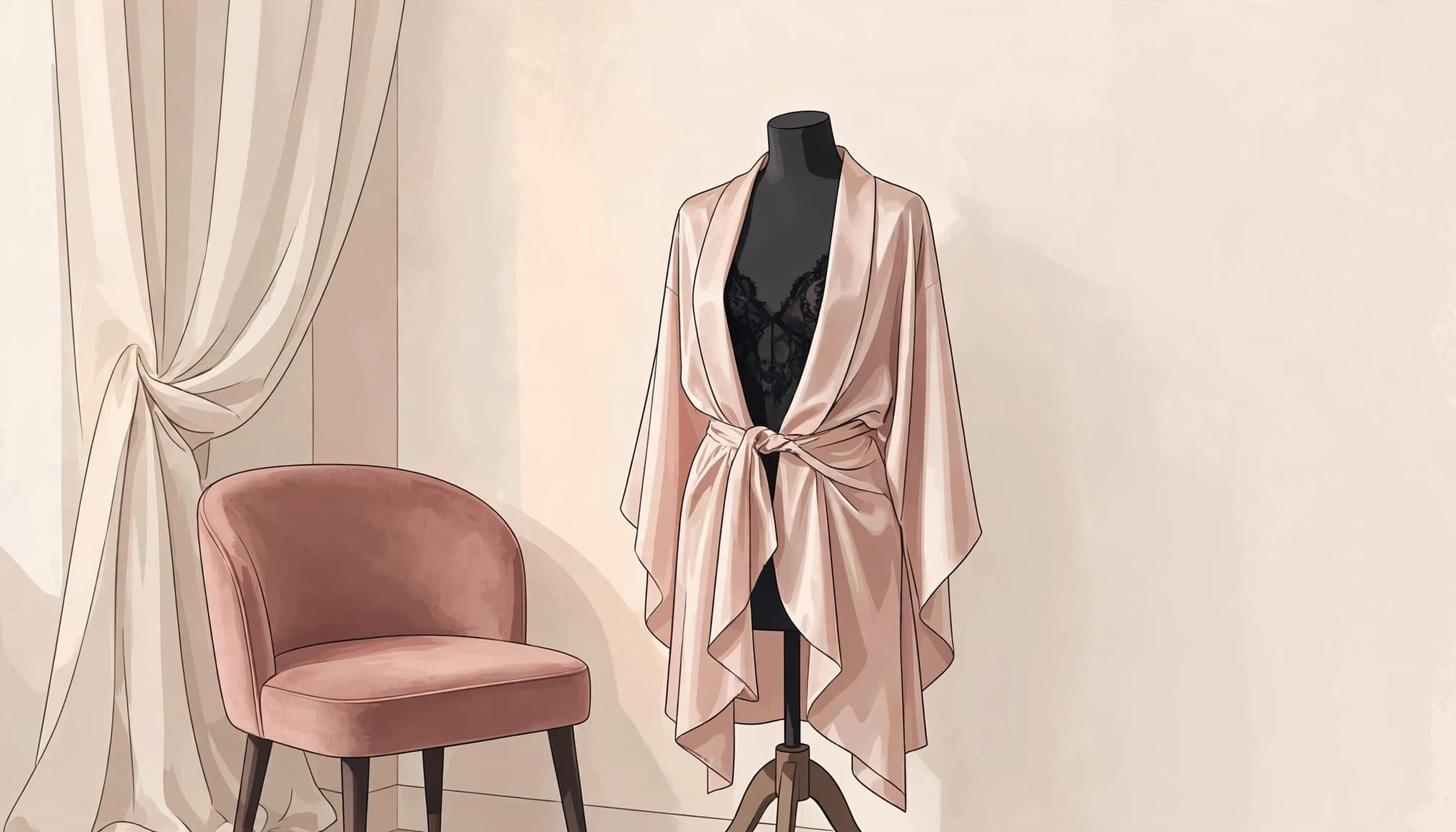
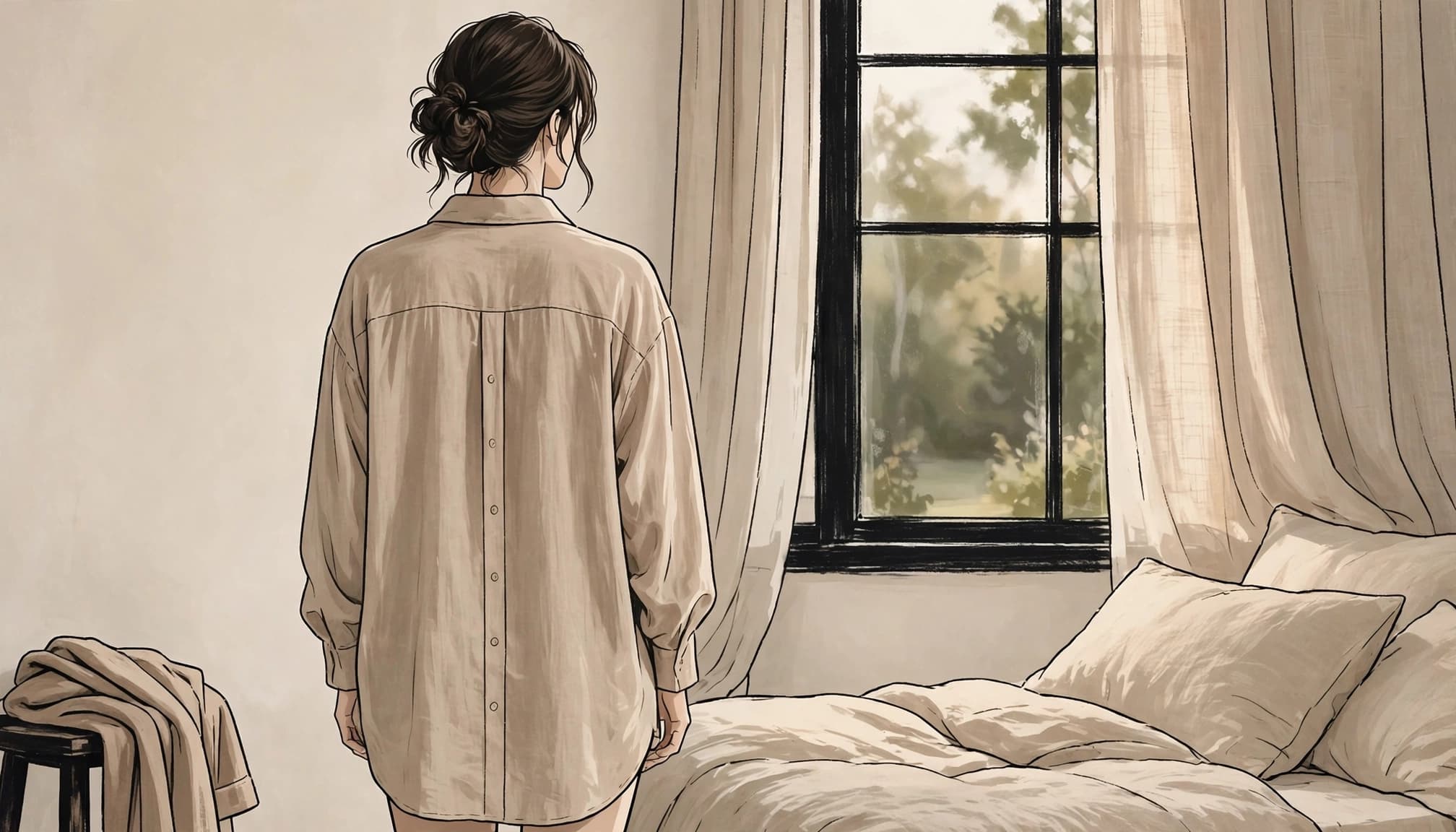
An oversized button-down works when you want less fuss. Leave it untucked, roll the sleeves, or layer it over something else. You're allowed to decide how open it stays, including completely buttoned. Coverage is your call, not a test you have to pass.
Make a personal look with knitwear, a tee, or meaningful clothing
A slouchy sweater or cardigan can make a portrait feel intimate without showing much skin. A favorite T-shirt with jeans brings a relaxed look. A tank with unbuttoned jeans gives you another casual option without requiring a sudden personality update.
Wear something with a story if you want the pictures to feel unmistakably yours. Your favorite fandom tee counts, as does a shirt you keep borrowing from someone you love. If a graphic tee already does the talking for you, choosing designs that match your style can help you pick one that belongs in these photos, too.
How to Choose Boudoir Photo Outfits That Feel Good on You
Once you have a few ideas, put them on. An outfit can look incredible on a hanger and become a full-time maintenance task on your body. Fit, support, and freedom to move matter more than any rule about what a particular body shape should wear.
Prioritize fit, support, and comfort over the size on the tag
Check each piece as it fits right now. If straps dig into your shoulders, a band pinches, or a neckline slips whenever you lean forward, you can choose something else. Your photos don't need a running subplot about adjusting your clothes.
Supportive straps or high-waisted bottoms might feel good to you; a looser layer might feel better. Neither choice is a rule. For an oversized shirt, compare it with one you already love wearing. If you're buying a new one, measure a favorite tee to find your size instead of guessing what "oversized" means on a product page.
Choose colors and textures that match your mood
Black can feel graphic and pared back. Jewel tones can bring more color to a set. Soft neutrals keep the look gentle, especially if you like quieter pictures. Pick the shades you enjoy wearing, rather than hunting for a color someone online declared universally flattering.
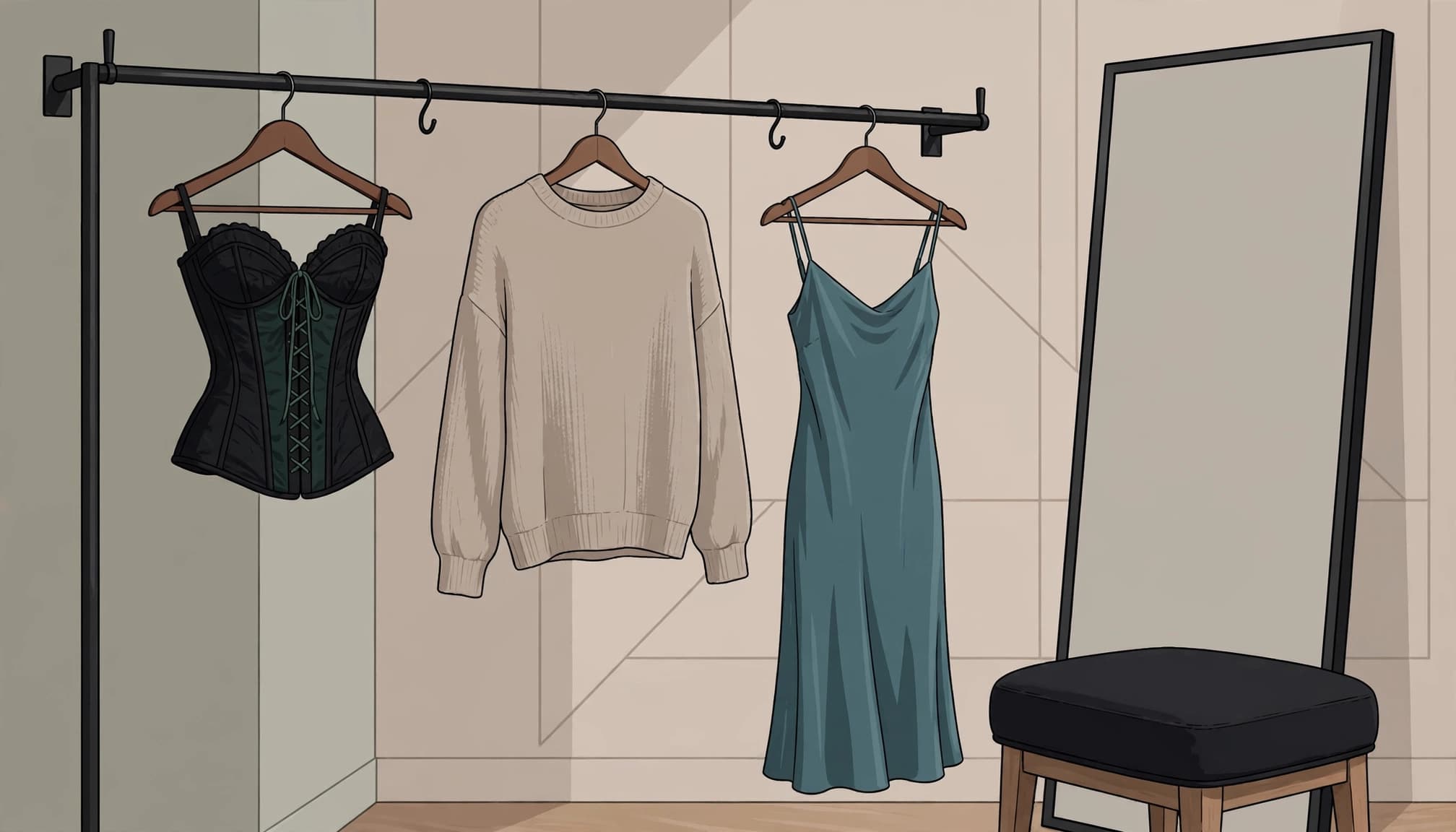
Texture changes the mood, too. Lace shows more pattern; satin-like fabric catches light; a ribbed knit feels casual and tactile. Try holding your options together in daylight. If two pieces look almost identical, swap one for a different fabric or silhouette. You'll get more variety without packing your entire closet.
Test every look from more than one angle
Do a quick trial at home. Stand, sit, bend, turn, and walk around in each outfit. Then look in a mirror from the front and side, or take a few private photos if that helps you decide. You don't need to judge your body; you're checking what the clothes do.
Notice whether a slip twists, a bodysuit rides up, or a shirt opens farther than you want. Try any shoes or accessories you plan to wear with the look. If something needs constant fixing, leave it out. Feeling like yourself beats spending every pose on outfit patrol.
Plan Outfit Changes and Get Ready for Your Boudoir Session
A good outfit plan gives you choices without turning the studio into a chaotic fitting room. Once you've tried everything on, group complete looks together and ask your photographer what the session has room for.
Build a balanced lineup of three to five looks
Bring three to five options if your photographer hasn't given you a different number. You may use fewer. For example, Meghan Blanton's boudoir session preparation advice recommends one to three outfits for a one-hour shoot. Your session length and outfit-change time decide what fits.
Start with the look you're most excited to wear. Add a more covered option, then something with a different texture or shape. If your first pick is a lace set, a robe and a knitwear look create clear variety. You're bringing options, not assigning yourself five costume changes.
Pack thoughtfully and prevent clothing marks
Inspect every piece before it goes in the bag. Check for loose threads, missing hooks, visible tags, and stickers you forgot were there. Pack the matching bottoms, jewelry, shoes, or other accessories with each outfit. A separate pouch for small items beats digging through the bag while everyone waits for one earring.
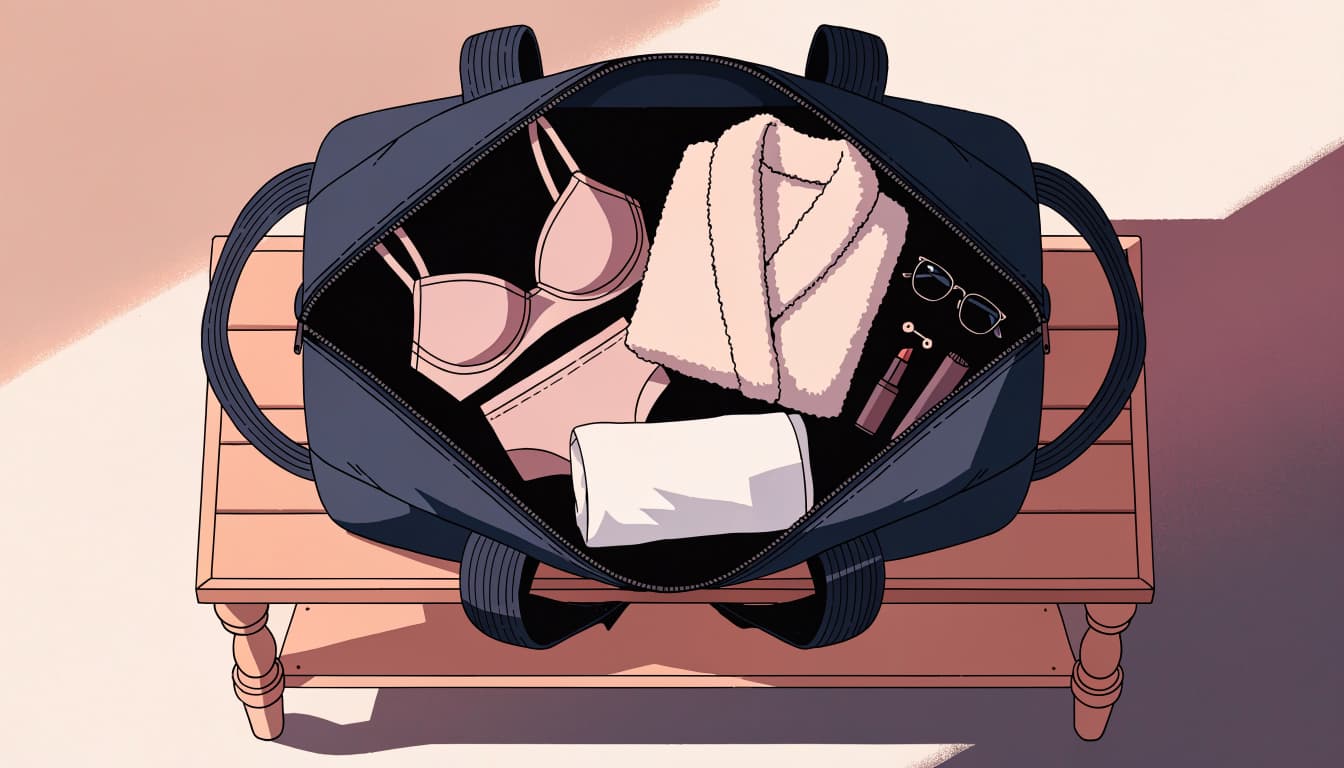
Wear loose, comfortable clothes to the studio if you can. Tight socks, bras, and waistbands can leave temporary marks on your skin. Black Kat Studios' boudoir outfit advice also recommends loose clothing on your way to the session. Bring a robe or cover-up for the time between looks, especially if you'd rather stay covered while you decide what's next.
Coordinate your choices with your photographer
Send your photographer a few outfit photos ahead of time. Ask what backdrops and lighting they'll use, whether you'll have a private changing space, and how many outfit changes fit your booking. These are normal questions, even if your brain insists you should somehow know the studio's floor plan.
Tell them which pieces you're excited about and which ones you're unsure of. They can plan around your choices and suggest poses that work with a long robe, a structured piece, or an oversized shirt. You can also say what level of coverage you want throughout the shoot. Clear preferences make the day easier than hoping your photographer can read your mind.
Frequently Asked Questions
Do you have to wear lingerie for a boudoir shoot?
No. You can wear a robe, an oversized shirt, a sweater, or an outfit pulled from your everyday closet. Choose what lets you feel comfortable in front of the camera.
How many outfits should you bring to a boudoir session?
Three to five options give you flexibility, but you might wear only some of them. Ask your photographer how many changes fit your session before you pack five fully accessorized looks.
What should you wear to the studio before your shoot?
Loose, comfortable clothes are a good choice because tight bands can leave marks. You can also bring a robe or cover-up for the time between outfit changes.
Can you wear an outfit that is not lingerie?
Absolutely. A tee, jeans, cardigan, or meaningful piece of clothing can make the photos feel more personal. Pick something you enjoy wearing and can move in without constantly adjusting it.
Choose the Outfits You Want to See in Your Photos
You don't need traditional lingerie to feel confident in a boudoir shoot. The strongest choice is the one that fits comfortably and feels like you, whether that's lace, a favorite tee, or a robe you've worn on repeat.
Choose a few different looks and try them on before you pack. Then ask your photographer any questions you still have. You can walk in knowing your clothes are there to support the photos, not give you one more thing to worry about.