

What to Wear After Breast Reduction Surgery Without Fighting Your Clothes
Getting dressed when your chest is sore can make a button feel like a boss fight. If raising your arms or twisting feels uncomfortable, your usual hoodie may be off the roster for a while. Deciding what to wear after breast reduction surgery starts with the support garment your surgeon prescribes, then clothes you can put on without a struggle.
Your clothing needs will change as tenderness and swelling ease. Your surgeon's instructions come first, especially for bras, dressings, and showers. The rest is about making ordinary mornings a little less annoying.
Key Takeaways
- Wear the surgical bra, support bra, or bandage your care team prescribes, for the schedule they give you.
- Keep loose button-front or zip-front clothes within reach while lifting your arms feels uncomfortable.
- Choose soft garments that don't pinch, rub, or press against healing incisions.
- Wait for your surgeon's approval before switching bras or wearing underwire.
- If clothing causes pain or irritates an incision, contact your care team rather than trying to tough it out.
What to wear after breast reduction surgery in the first weeks
Your first outfits have a simple job: provide the support you've been prescribed and let you get dressed without extra reaching. Your care team may send you home with dressings and an elastic bandage or support bra. The American Society of Plastic Surgeons' recovery guidance explains that these garments support your breasts as they heal.
Before surgery, ask what you'll be wearing when you leave and whether you need a spare. That beats shopping in a post-anesthesia haze.
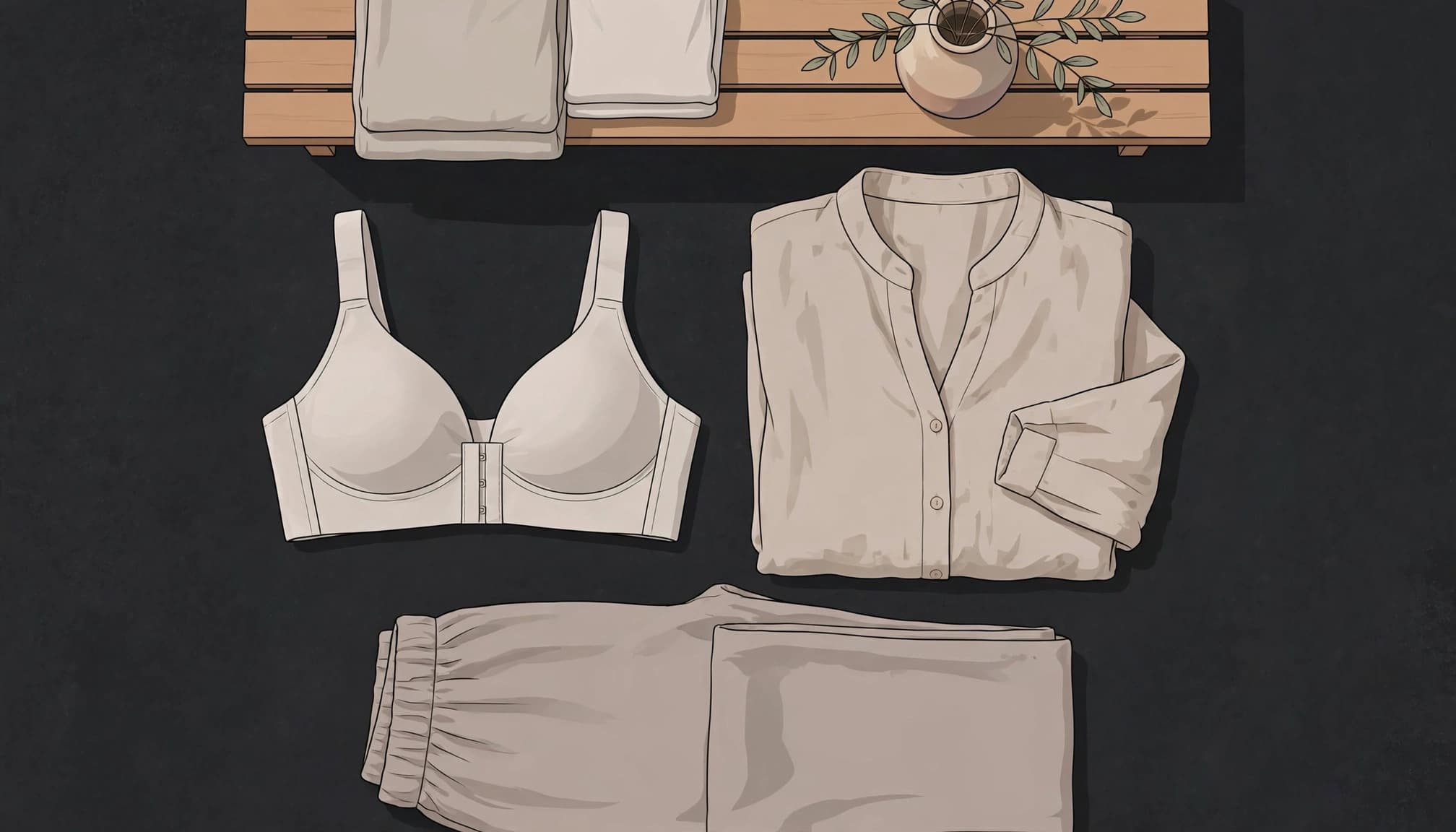
Choose the surgical bra your care team recommends
You may be told to wear a surgical or supportive compression bra day and night for a period your surgeon sets. Follow that schedule, including any instructions about when you can remove it. A general recovery timeline online doesn't know how your incisions are healing.
Your bra should feel supportive without squeezing you. Soft, breathable fabric, wide straps, and a band that doesn't press on your incisions can make long wear more comfortable. If the garment you were given digs in, ask your care team about the fit before replacing it. A random sports bra isn't automatically an approved substitute, even if it looks close enough in a product photo.
Wear front-opening tops that do not pull over your head
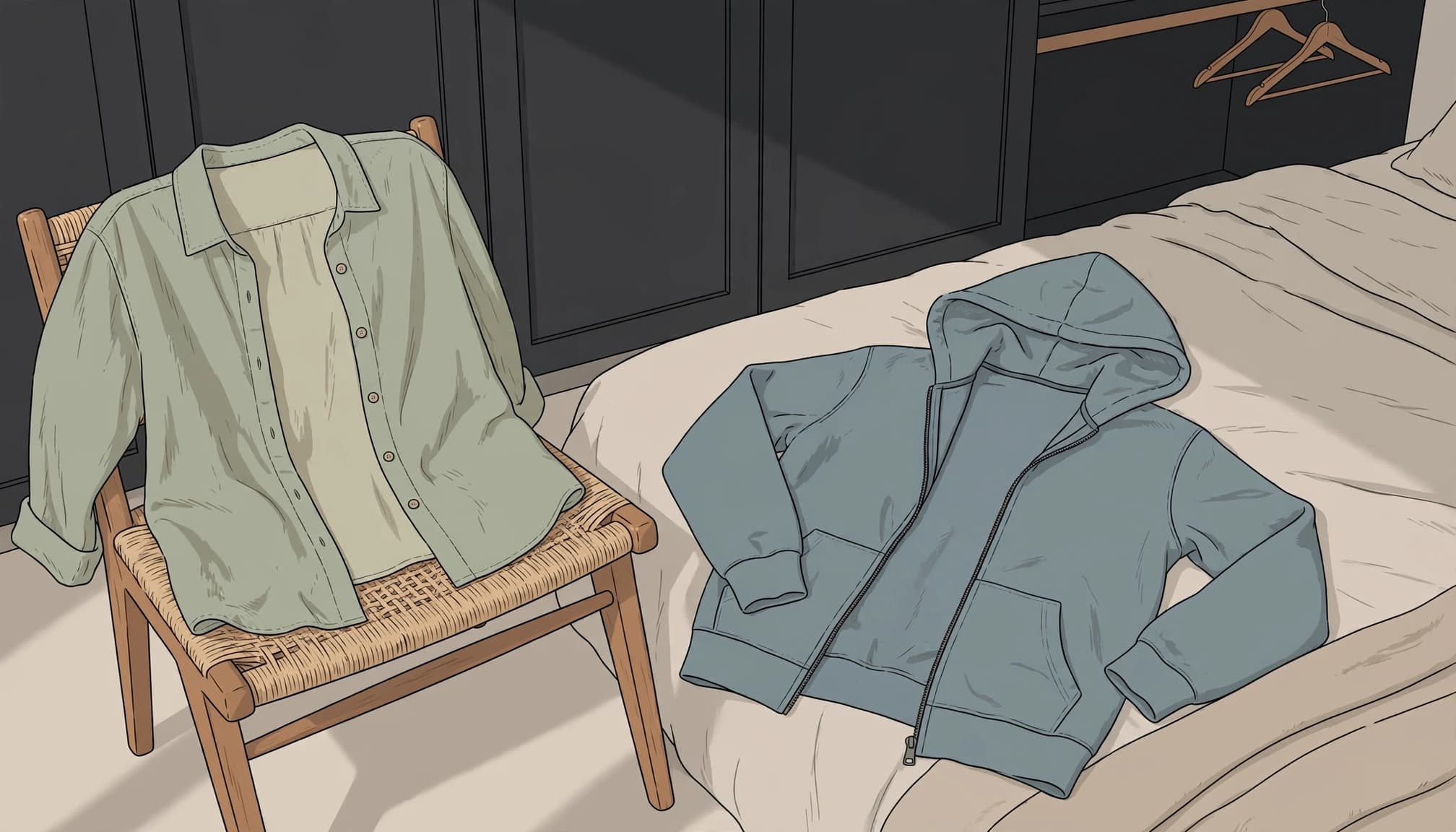
Loose button-front shirts, zip-front layers, and front-opening pajamas let you dress with less reaching and twisting. Pick pieces with room through the chest so the fabric doesn't drag across tender areas.
Set out a few complete outfits before surgery, including bottoms that are easy to pull on. Put them somewhere you won't need to reach overhead to grab them. Your favorite graphic tee can wait for its comeback episode.
An overhead top may look roomy once it's on, but getting it there is the tricky part. Choose the outfit that's easy to put on and take off.
For a surgeon's perspective on breast reduction recovery habits, you can watch this video alongside your own post-op instructions:
How to choose bras and clothes that protect healing incisions
Once you've got the right type of bra, pay attention to where every edge sits. A garment can feel fine at the shoulders and still rub at the breast fold. Comfort here is a fit question, not a reason to ignore your prescribed support.
Look for soft fabric, gentle support, and easy closures
Choose smooth, breathable material that feels comfortable against tender skin. Wide straps can spread support across your shoulders, while a front closure may spare you the reach behind your back. Neither feature overrides the instructions for the bra your care team gave you.
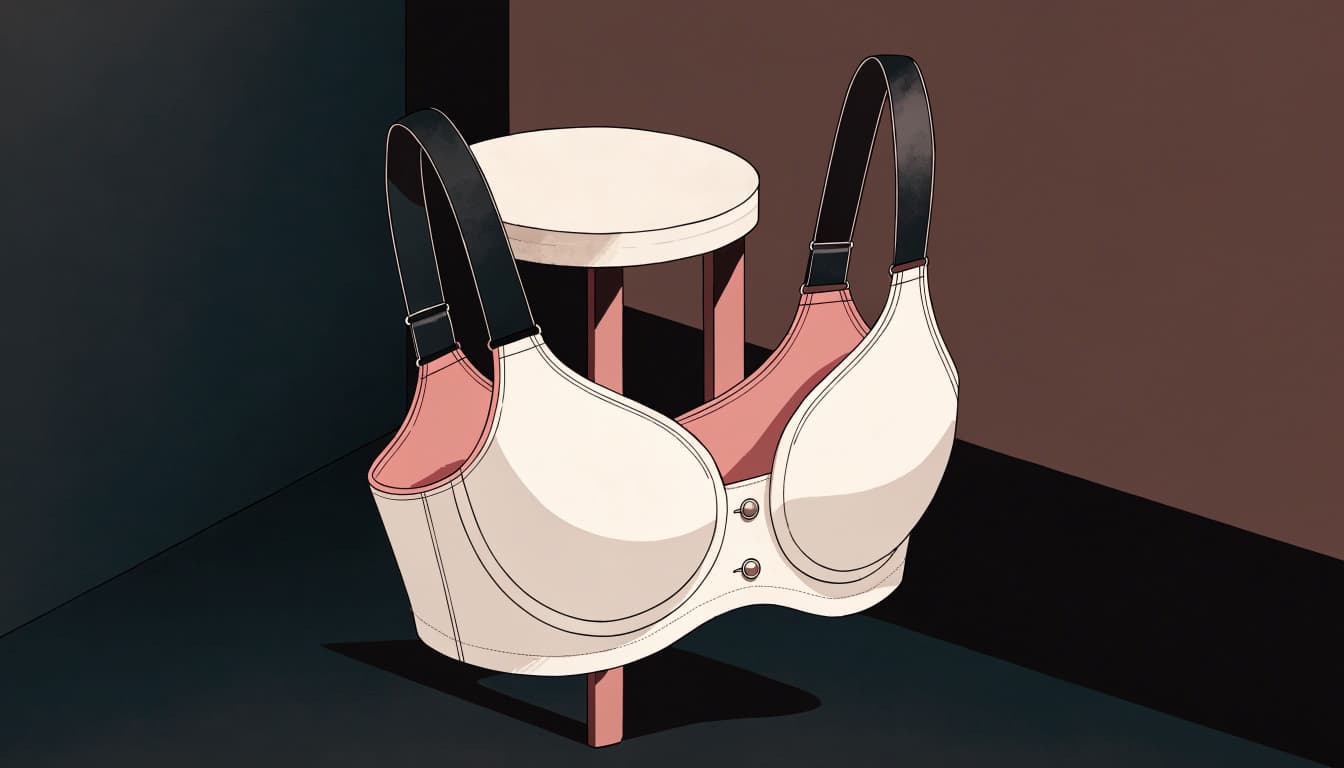
Check the band when you're upright and again after you've been sitting. Does it stay put without digging into the breast fold or pressing on an incision? The American Society of Plastic Surgeons' guide to postsurgical garments is useful context for judging support and comfort. If your bra causes pain or leaves marks that concern you, tell your care team.
Skip underwire and tight, restrictive clothing until cleared
Underwire can press against healing incisions, so leave it out until your surgeon says it's safe. The same goes for tight tops that pull across your chest. Rough seams, stiff fabric, and snug elastic may feel like background details in normal life. During recovery, they can become impossible to ignore.
Try an outfit while you're standing and sitting. If fabric rides up, bunches beneath the breasts, or catches on a dressing, change it. You don't get bonus recovery points for tolerating a waistband or seam that's driving you up the wall.
Plan for sleep, showers, and getting dressed
Some care plans call for a supportive bra while you sleep. Showering may mean removing it, or following instructions for dressings. Check your own written plan rather than copying someone else's routine.
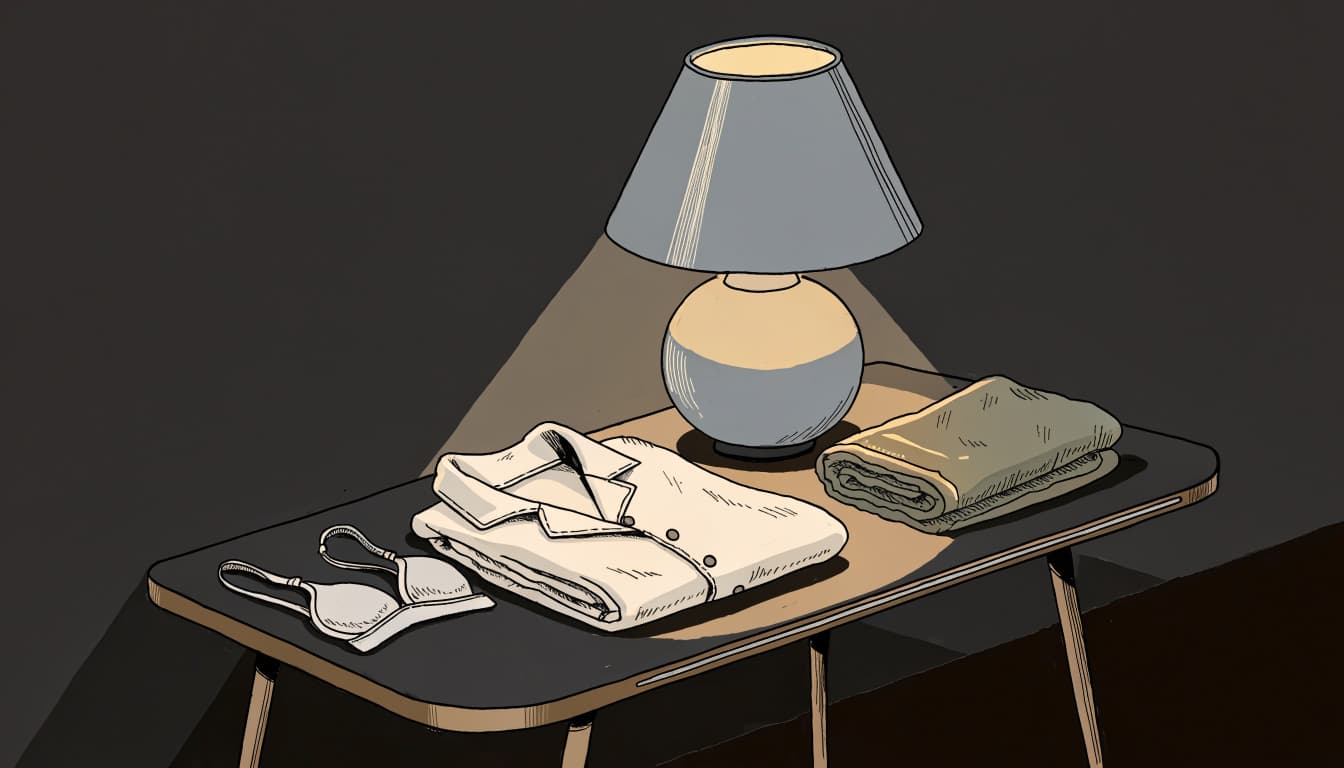
Keep clean sleepwear and an approved spare bra handy if your care team recommends one. Ask what to do if a garment or dressing gets wet or soiled, and when you're allowed to shower. Those answers are more useful than discovering the question with wet hair and no clean shirt.
When an outfit needs a second opinion
A little trial and error with shirts is normal. Trying to solve a painful prescribed bra by guessing at a different size is another story. If a band presses on an incision, a strap causes persistent pain, or a dressing catches on fabric, contact your surgical team. Tell them exactly where the problem is and when it happens.
That detail matters. "It hurts" gives them less to work with than "the lower band presses against my incision when I sit down." You can also ask whether the garment needs adjusting, replacing, or checking in person. Don't add padding, change dressings, or stop wearing prescribed support unless your care team tells you to.
Keep your discharge instructions where you can find them. They should guide what you wear, how you care for dressings, and whom you call with concerns. The American Society of Plastic Surgeons' post-surgery recovery information describes the role of a support bra or bandage, but your own instructions set the rules for your recovery.
If the garment prescribed to help you heal is hurting an incision, ask for a fit check. You shouldn't have to guess your way around it.
How your post-surgery wardrobe can change as you recover
Recovery doesn't come with a wardrobe-change notification. Swelling, tenderness, and incision healing can affect what feels comfortable, sometimes differently from one day to the next. Let your care plan set the pace.
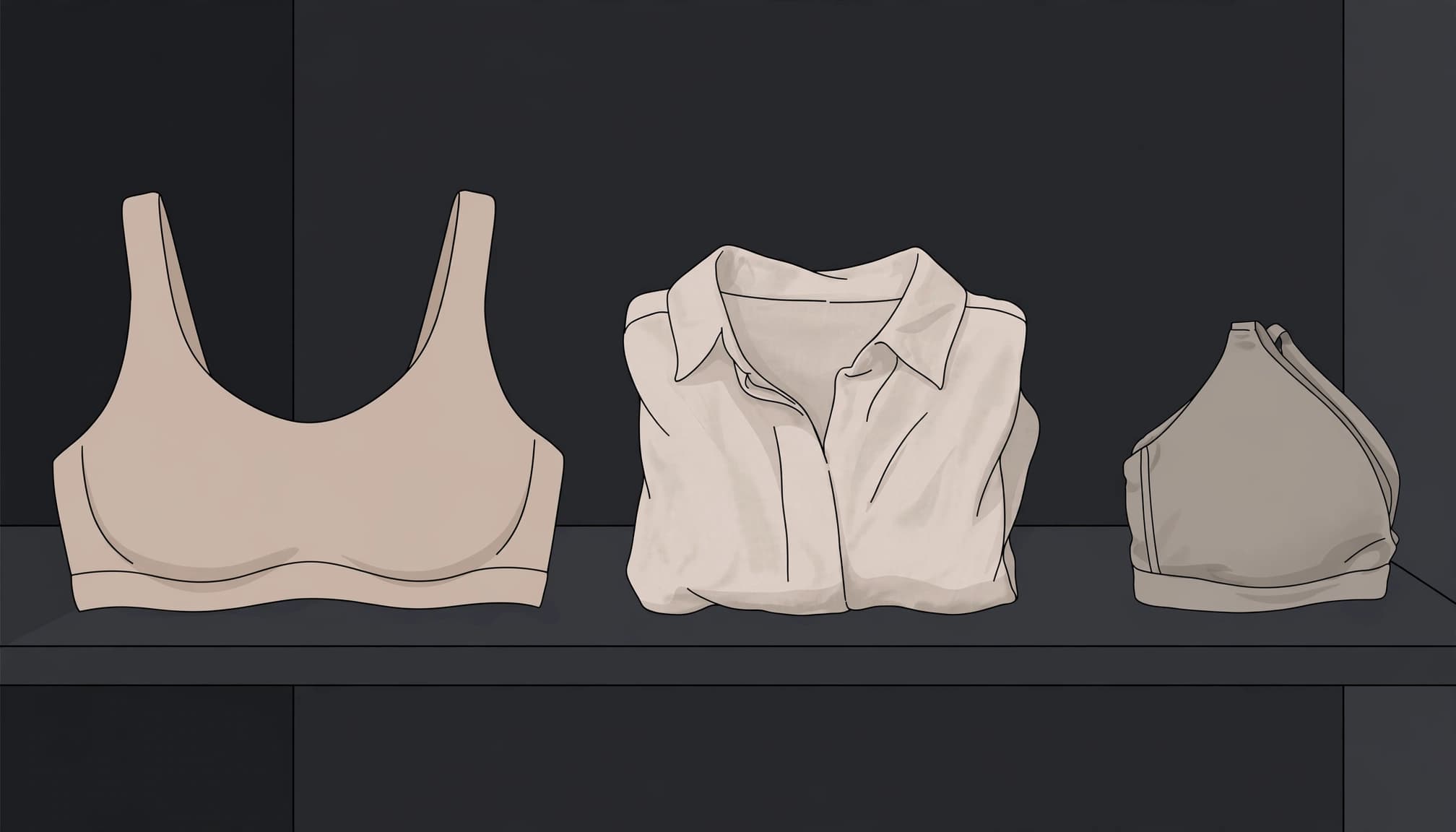
Use comfort and your surgeon's guidance to decide when to switch
Support-bra instructions can last several weeks or longer. Feeling better on Tuesday doesn't mean your prescribed wear schedule expires on Wednesday. Keep using the garment for as long as your surgeon directs, and ask before switching to a different bra.
You can still adjust the rest of your outfit as dressing gets easier. A loose overhead shirt may eventually feel manageable again. Start with something soft that won't snag a dressing or cling to your chest. If taking it off requires an elaborate escape sequence, give the front-opening shirts another day.
Wait for clearance before returning to underwire or fitted bras
Save underwire and newly fitted bras until your incisions have healed and your surgeon approves the change. Your breast shape and measurements may keep shifting as swelling settles. The American Society of Plastic Surgeons' breast reduction recovery article discusses measuring for new bras around a month after surgery, while noting that some swelling can remain. That's context, not a deadline for you.
Hold off on an expensive lingerie haul or replacing every fitted top at once. When you're ready to buy everyday shirts, compare their measurements with one that feels comfortable now. A shirt sizing guide can help you check room through the chest without relying on the size printed on a tag.
Frequently Asked Questions
Can you wear a regular bra after breast reduction surgery?
Eventually, you may be able to, but get clearance before leaving your prescribed support bra behind. The timing depends on how your incisions are healing and what your surgeon wants you to wear. Ask about the specific bra you have in mind, since "regular bra" could mean soft wireless support or a firm underwire.
How long should you wear a surgical bra after breast reduction?
Follow the schedule your surgical team gives you. Some care plans call for day-and-night support for several weeks, while other instructions differ. If you forgot the schedule or aren't sure whether it includes sleep, call your team before changing it.
What should you wear home from breast reduction surgery?
Choose a loose button-front or zip-front top and easy pull-on bottoms. You should be able to put the outfit on without raising your arms high or pulling fabric across your chest. Your care team may put a surgical bra on you before you leave, so give that garment room beneath your shirt.
Is it okay to sleep without a bra after breast reduction?
Don't assume it is during early recovery. Some surgeons want you to sleep in a supportive bra, and your instructions should say when you can remove it. If yours don't, check with your surgical team rather than testing a bra-free night on your own.
Keep the outfit simple while you heal
Getting dressed shouldn't become the hardest part of your morning. Wear the support garment your surgeon prescribed, keep easy front-opening clothes close, and avoid anything that presses on healing areas. Wait for approval before changing bras, especially if you're eyeing underwire.
If a garment causes pain, rubs an incision, or simply doesn't seem to fit right, contact your care team. Your favorite clothes will still be there when you're ready for them.