

Bronzing Bed vs Tanning Bed: What the Names Don't Tell You
Is a bronzing bed different from a tanning bed, or did the salon menu get a cosmetic rebrand? If you're comparing a bronzing bed vs tanning bed, "bronzing" usually means a UV bed marketed to emphasize UVA, while "tanning bed" is the broader term.
Neither name tells you the machine's UV dose or whether it's safe. The useful comparison starts with actual UV output, health risks, and your options for getting cosmetic color without a tanning bed.
Before you book anything, separate the equipment facts from the salon vocabulary.
Key Takeaways
- "Bronzing bed" is usually a marketing label, with no standardized UVA/UVB ratio or guarantee of lower UV exposure.
- Both UVA and UVB can damage your skin, even when you don't notice redness after a session.
- Indoor tanning carries risks of burns, premature skin aging, skin cancer, and eye injury.
- Sunless lotions and spray tans offer cosmetic color without tanning-bed UV, but they don't replace sunscreen.
- Your streetwear choices don't require a tan. Wear the graphic, skip the appearance prerequisite.
Bronzing bed vs tanning bed: what actually differs?
The main difference is usually how the machine is marketed. "Bronzing bed" isn't a standardized medical category or an FDA-defined class with a required UV mix.
A salon may use the label for UVA-heavy equipment. Another may use it for a premium session. That ambiguity matters when you're trying to compare exposure.
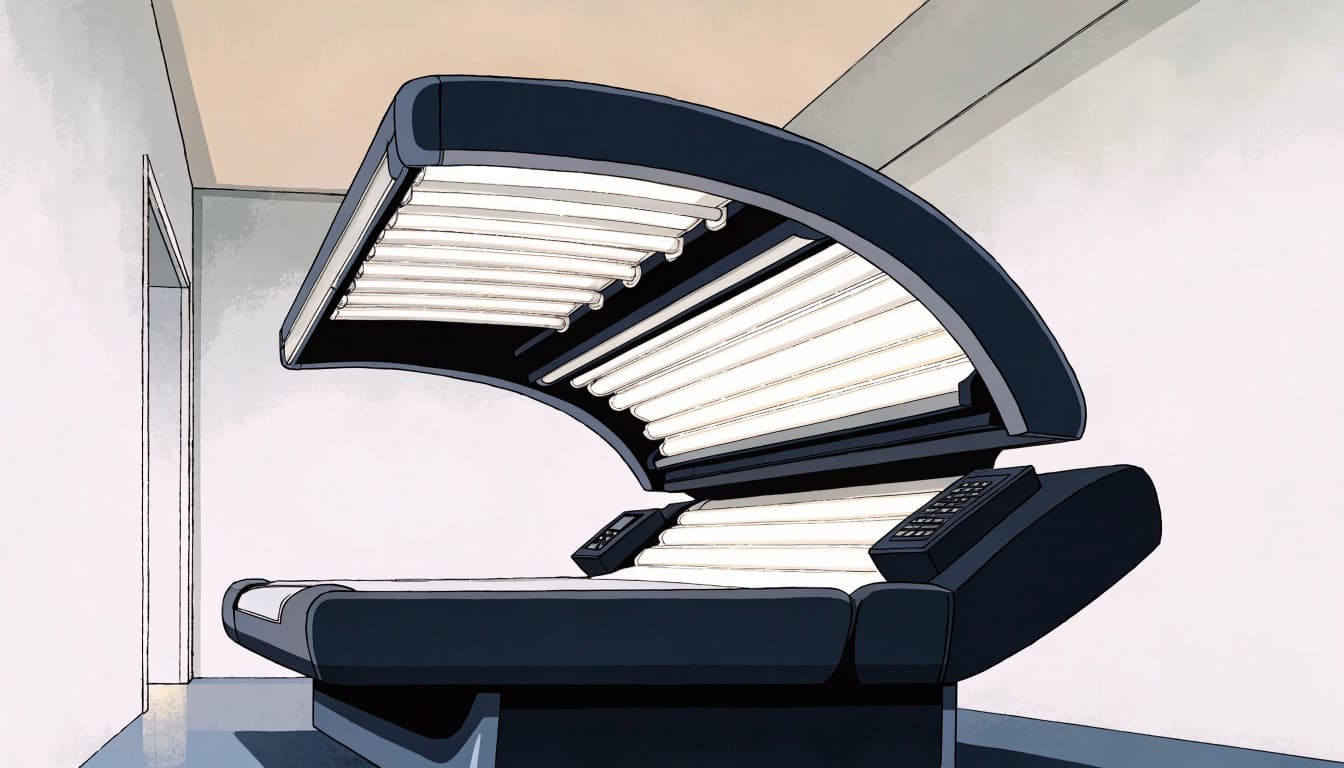
Why the names don't tell you the UV output
"Tanning bed" describes UV-emitting equipment, including beds and booths. "Bronzing" adds a marketing description rather than a dependable technical specification.
Lamp type, filters, settings, upkeep, and exposure time affect what reaches your skin. Replacement lamps also need to match the device's specifications.
Don't read "high-pressure," "advanced," or "bronzing" as proof of a particular dose. Those words aren't a safety buff. You need information about the actual machine, not confidence delivered in salon-menu font.
How UVA and UVB affect the color you see
UVA contributes to faster visible darkening by changing existing pigment. UVB helps trigger delayed melanin production and is a major cause of sunburn. These effects overlap; neither wavelength gets a harmless designation.
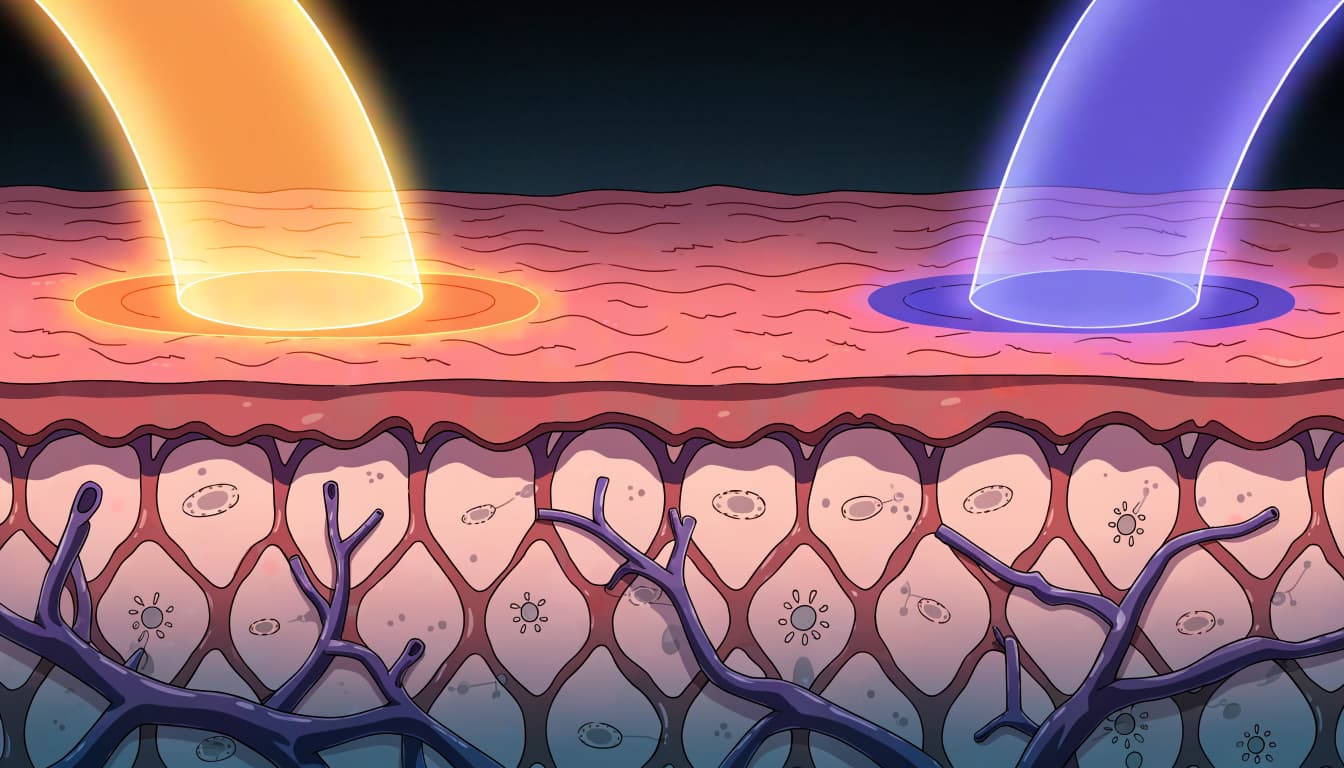
The FDA's tanning-product guidance explains that most tanning beds emit both UVA and UVB, while some emit UVA alone.
Your visible result depends on the equipment and your skin's response. Immediate darkening doesn't establish how much damage occurred, and delayed color doesn't make UV exposure safer. A tan also provides little protection against later UV exposure.
What to ask before considering a tanning session
The health recommendation is to avoid indoor UV tanning. If you're assessing a salon's claims anyway, ask for the unit's manufacturer, model, and lamp specifications.
Ask how the lamps are maintained and whether replacements match the manufacturer's requirements. A vague answer about "stronger bulbs" should prompt more questions, not excitement.
Request the device's exposure schedule and ask how it accounts for skin type. Don't accept a session length based only on how dark you want to look.
You should also know where the timer and emergency stop are, how to leave the unit, and which protective goggles it requires. Regular sunglasses aren't a substitute.
Mention medications or skin products that might increase UV sensitivity. If you're unsure, check with your pharmacist or clinician before exposure.
A complete set of answers helps you identify avoidable equipment and operating problems. It doesn't turn UV tanning into a risk-free activity. Neither does a warning label, consent form, or reassuring employee.
Are bronzing beds safer or faster than regular tanning beds?
A UVA-heavy bed may produce visible darkening with less obvious immediate redness. That doesn't establish a safer tan or a reliably faster result.
For a short overview of the concerns, this AP Archive coverage features the American Academy of Dermatology's indoor-tanning awareness efforts.
A faster-looking tan isn't a safer tan
Visible color measures appearance. It doesn't measure DNA damage, cumulative exposure, or future cancer risk.
UVA contributes to premature skin aging and skin cancer risk. UVB can burn your skin and also contributes to cancer risk. Both can cause harm.
Claims such as "safe tanning," "no burn," and "no harmful rays" aren't supported by a bronzing label. Your skin doesn't check the package name before responding to radiation.
Less visible redness can make an exposure seem gentler without showing whether your skin escaped damage.
Know the risks to your skin and eyes
You face risks of burns, premature wrinkles, uneven pigmentation, and skin cancer. UV exposure can also cause painful short-term eye injury and contribute to longer-term eye problems, including cataracts.
The American Academy of Dermatology's risk figures link indoor tanning with 58% higher squamous cell carcinoma risk and 24% higher basal cell carcinoma risk. It also reports a 47% increase in melanoma risk associated with tanning before age 20.
These are population-level associations, not predictions of your personal outcome. Your history and other risk factors matter, but they don't cancel the association.
Research on early-onset basal cell carcinoma also connects indoor tanning with cancers diagnosed at or before age 50.
Sunless color and the limits of UV-bed precautions
You can separate the cosmetic goal from UV exposure. If you want bronze color, a tanning bed isn't required.
Choose a sunless option for cosmetic color
Sunless lotions, mousses, and professional spray tans can darken your skin without tanning-bed UV. Many use dihydroxyacetone, usually called DHA, which reacts with the outer skin layer to create temporary color.
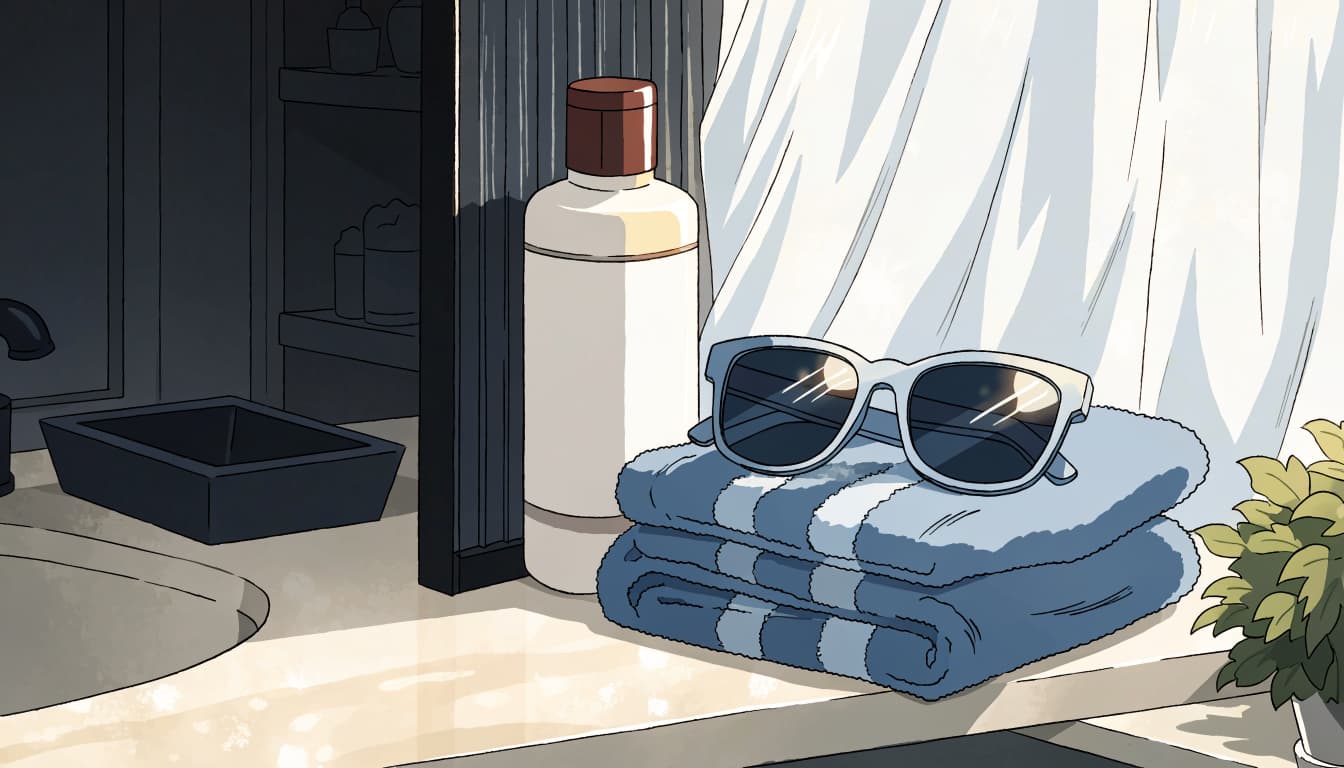
Follow the product's directions. With spray tanning, protect your eyes, lips, and mucous membranes and avoid inhaling the mist.
Sunless color doesn't replace sun protection unless the product includes sunscreen. Outdoors, use broad-spectrum SPF 30 or higher, shade, and protective clothing. Reapply sunscreen as directed, especially after swimming or sweating. Bronze is a color setting, not armor.
If you use a UV bed, understand the limits of precautions
FDA and AAD guidance advises against indoor UV tanning. The FDA says people under 18 shouldn't use tanning devices.
The under-18 warning is a device-labeling requirement. It isn't, by itself, a nationwide access ban. References to proposed federal operator restrictions shouldn't be confused with final requirements; state and local access laws can differ.
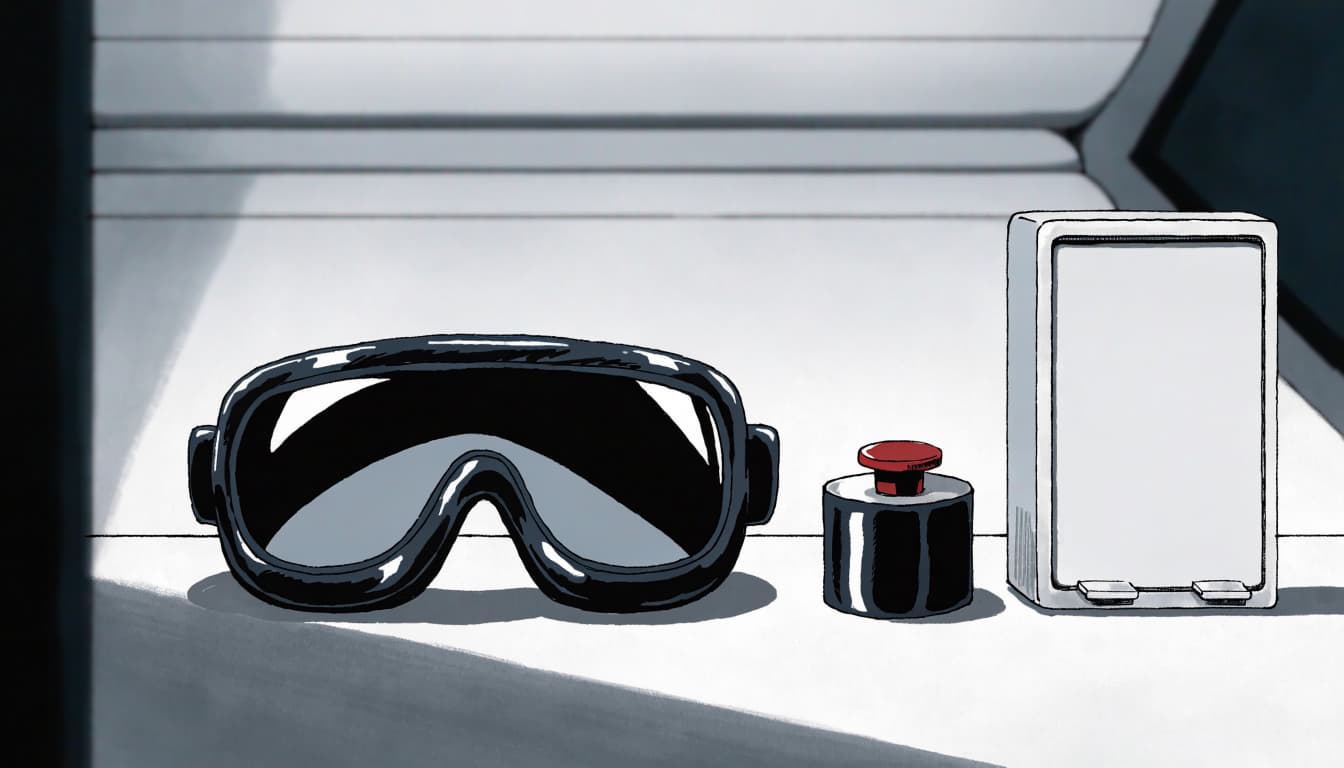
If you proceed despite the advice, follow the device's exposure schedule and use its required protective goggles. Stop if injury occurs, and seek medical care for significant burns, eye pain, or vision changes.
The FDA's information on tanning and UV exposure makes the central limitation clear: following instructions doesn't eliminate skin-cancer risk. Precautions can reduce avoidable mistakes, but they can't make the exposure safe.
Streetwear & Casual Styling
Your outfit doesn't need a bronzed-skin prerequisite. You can build a confident casual look around TrendReactTees.STORE's Cyber-Brutalist Anime Graphic Tees at whatever skin tone you already have.
Build an easy outfit around a bold graphic tee
Pair bold anime artwork with relaxed black cargos and simple sneakers. Let the graphic handle the visual chaos while the rest stays easy to wear.
For a cleaner combination, try dark-wash straight-leg denim with an open overshirt. Keep the front visible so the artwork doesn't disappear beneath your layers.

Keep color and layers intentional
Pull one accent color from the print for your socks, cap, or sneakers. You don't need every item competing for protagonist status.
Choose layers that leave room through the shoulders and sleeves. An open zip hoodie or lightweight jacket adds texture without swallowing the tee. For more combinations, try these ideas for styling cyber brutalist graphic tees.
Frequently Asked Questions
Does a bronzing bed use only UVA?
You can't assume that from the name. Check the manufacturer's specifications for the particular model and installed lamps. If the salon can't provide them, you don't have enough information to identify the UV mix.
Can a bronzing bed cause a sunburn?
Yes, your risk depends on the unit's output, exposure time, and your skin's sensitivity. Some units emit UVB alongside UVA, and redness can develop after you leave. Don't use an immediate mirror check as permission for more exposure.
Do goggles make indoor tanning safe?
Protective goggles help reduce eye exposure, but they don't protect the rest of your skin. Closing your eyes or wearing ordinary sunglasses doesn't replace the device's required goggles. Even correctly used protective equipment doesn't remove every eye risk or make tanning safe.
Does a spray tan protect you from the sun?
Cosmetic spray-tan color doesn't provide reliable sun protection. Check sunscreen information rather than judging protection by how dark your skin looks. If a product contains sunscreen, you still need to follow its application and reapplication instructions.
Choose the Look Without Trusting the Label
A bronzing bed usually reflects a marketing distinction within UV tanning equipment. The name doesn't establish a fixed UV mix, a faster result, or a safer session.
Your decision should account for UV risk, not how premium the salon's menu sounds. All UV tanning carries risk, even when you follow the device's instructions.
If you want cosmetic color, sunless products offer an option without tanning-bed UV. If you want a stronger outfit, your favorite graphic tee already works. Your skin doesn't need a pre-launch update.