

Cab Sav vs Pinot Noir: How to Pick Your Next Red
You're choosing a red wine, and the menu gives you two familiar options: a bold Cabernet Sauvignon or a lighter Pinot Noir. One sounds ready for steak. The other sounds less likely to take over dinner. But grape names alone won't tell you everything in the glass.
The cab sav vs pinot noir choice gets easier when you compare how each wine tastes, feels, and works with food. You'll also want to know when to give the bottle a slight chill. Start with the difference you'll notice first: texture.
Key Takeaways
- Cabernet Sauvignon is usually fuller-bodied, with firmer tannins and dark-fruit flavors.
- Pinot Noir is generally lighter, with softer tannins, brighter acidity, and red-fruit notes.
- Choose Cabernet for rich beef or lamb; try Pinot with chicken, salmon, pork, or mushrooms.
- A slight chill helps both wines. Pinot Noir usually tastes best a little cooler than Cabernet.
- Region, alcohol level, and winemaking can change either wine's style, so check the bottle.
Cab Sav vs Pinot Noir: What Sets Them Apart
The quickest comparison is a sip of each. Cabernet tends to feel weightier and more drying. Pinot Noir tends to feel lighter and livelier. Think of those as character descriptions, not rules every bottle has to follow.
If you'd like to see the two grapes placed alongside other familiar reds, this video offers a useful visual starting point.
Body, tannin, and acidity shape how each wine feels
Body is the wine's sense of weight in your mouth. Cabernet Sauvignon is usually medium to full-bodied. Pinot Noir is generally light to medium-bodied. If Cabernet feels like a heavier jacket, Pinot is the layer you reach for when you want to move around.
Tannin creates the drying, slightly grippy feeling you might notice along your gums after a sip. Cabernet commonly has firmer tannins. Pinot's are usually softer, so it can feel silkier even when its flavor is pronounced.
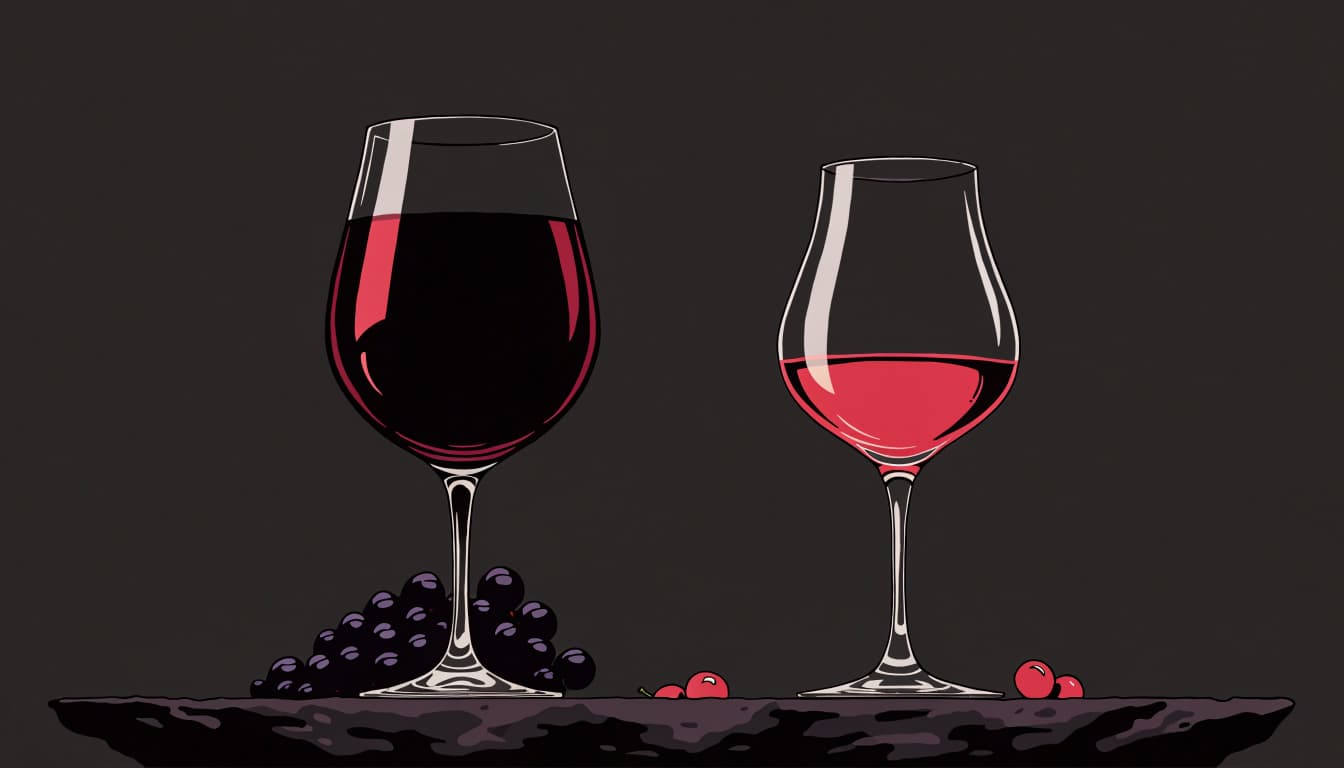
Acidity adds a mouthwatering edge. It's often easier to notice in Pinot Noir, where it keeps the fruit feeling bright. Cabernet has acidity too, but its tannin and weight may grab your attention first. Napa Valley Wine Academy's red wine tasting chart is handy if you want to compare these sensations across other reds.
Neither texture wins by default. You might love Cabernet's grip with dinner and prefer Pinot's lighter touch when you're having a glass on its own.
Climate and grape skins help explain the difference
Cabernet Sauvignon grapes have relatively thick skins. During winemaking, contact with those skins helps give the wine its deeper color and firmer tannins. Cabernet does well in warmer growing areas, including many parts of Napa Valley. Bordeaux is another classic Cabernet reference, although its wines often blend Cabernet with other grapes.
Pinot Noir has thinner skins and is more sensitive to growing conditions. It's closely associated with Burgundy and Oregon, where cooler sites can help preserve the freshness people seek in the grape. Pinot often looks more translucent in the glass than Cabernet, though color alone won't identify a wine.
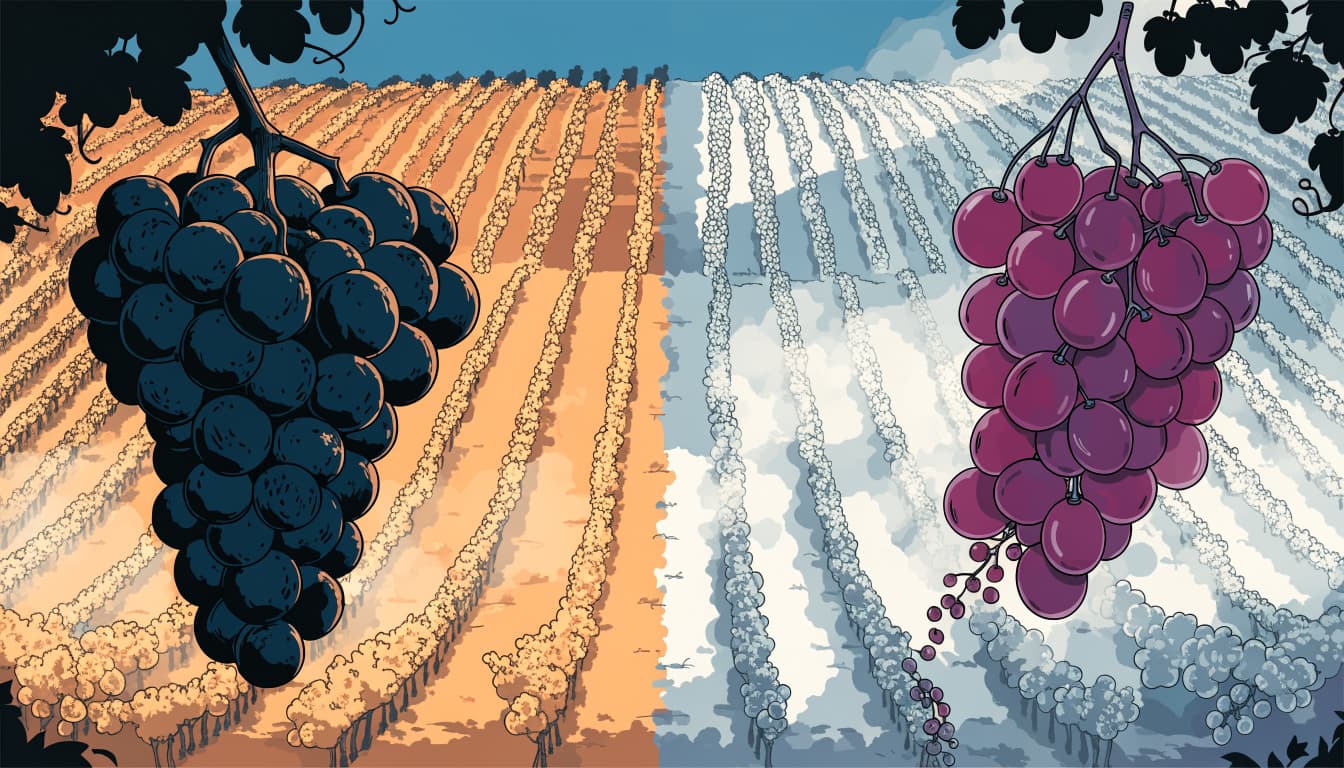
Climate isn't the whole plot. A warm vintage can make a wine taste riper, while a cooler site can keep it taut. A winemaker can also change the result through grape picking, skin contact, and aging choices. Wine Folly's Pinot Noir grape guide explains why that thin-skinned grape can produce noticeably different wines.
How Cabernet Sauvignon and Pinot Noir Taste in the Glass
Flavor descriptions are clues, not a bingo card your bottle must complete. Your glass might deliver one clear fruit note or a mix you can't pin down. That's normal; you don't need a dramatic tasting monologue to know what you like.
Expect dark fruit in Cabernet and red fruit in Pinot Noir
Cabernet Sauvignon often suggests blackcurrant and blackberry. You might also pick up cedar, mint, or a pencil-lead note often called graphite. Some bottles smell more herbal than fruity, particularly when the fruit tastes less ripe.
Pinot Noir usually heads toward cherry, raspberry, or cranberry. Earthy notes can show up too, sometimes as mushrooms or a damp-forest smell. A floral hint is possible. If "forest floor" sounds suspiciously like someone dropped a leaf in your glass, focus on the simpler question: does the wine smell fresh and inviting to you?
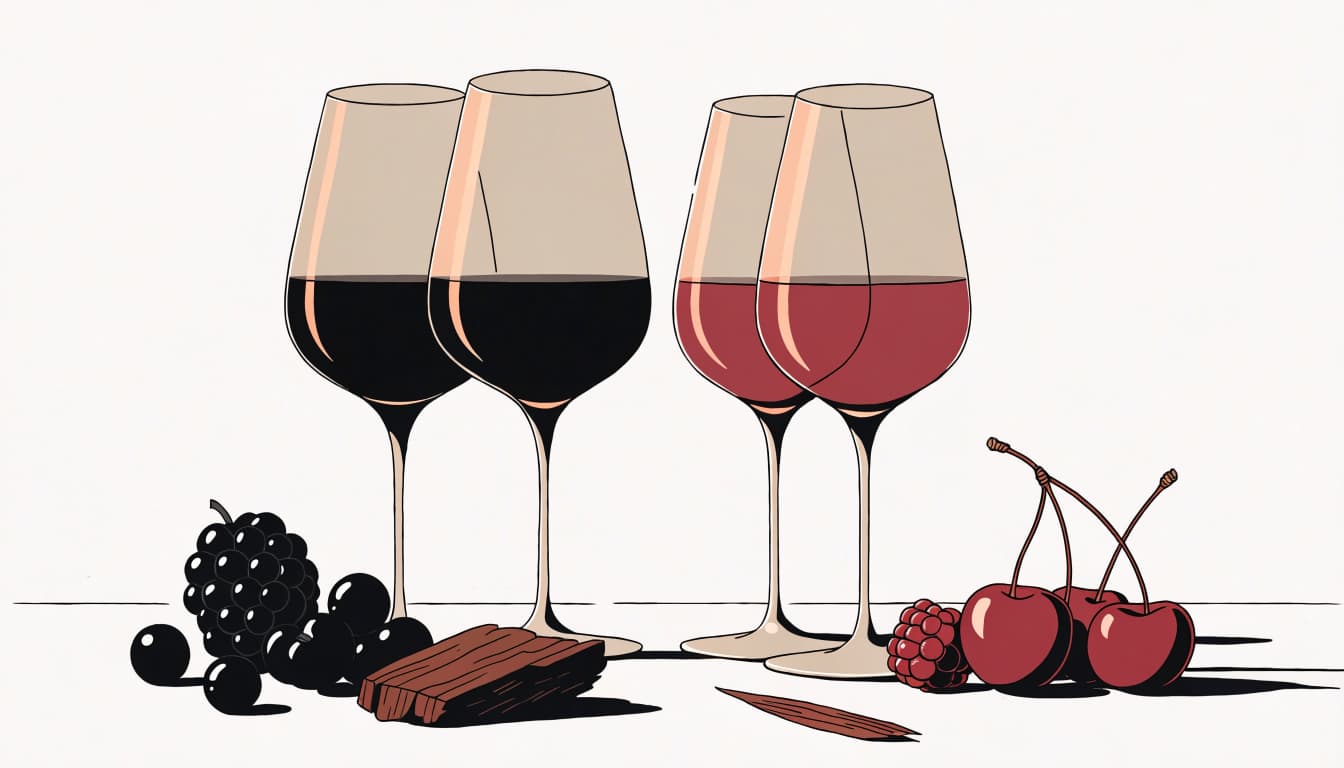
Smell before you sip, then notice what stays after you swallow. A fruit aroma may stand out first, while cedar or earth appears later. You don't have to detect every suggested note. The list on a bottle is a set of possibilities, not your homework.
Alcohol, oak, and region can change the style
Pinot Noir often lands around 12% to 14% alcohol by volume, or ABV. Cabernet can be higher, but the ranges overlap. Ripeness matters: grapes that develop more sugar can produce a wine with more alcohol after fermentation. The percentage printed on the label tells you more about that particular bottle than the grape name does.
Oak can complicate the first impression. Depending on how it's used, it may add vanilla, spice, or toasty flavors and make a wine seem richer. A ripe Pinot from a warmer site can feel fuller than the delicate version you expected. A cooler-climate Cabernet may taste more restrained than a plush Napa example.
Place matters within regions, too. California Pinot doesn't have one fixed flavor, and neither does Burgundy Pinot. The guide to Pinot Noir styles is a useful reminder that growing site and production choices can shift the grape's character. If you find a producer whose style you like, remember the name for your next bottle.
Which Red Wine Should You Choose for Dinner?
Start with the meal and the flavors you enjoy. A grape name gets you into the right neighborhood; the dish helps you pick the door.
Match Cabernet with rich dishes and Pinot Noir with lighter fare
Cabernet Sauvignon works well with steak, burgers, lamb, and braised beef. Those dishes have enough richness to meet its weight. Fat and protein can also soften your perception of firm tannins, so a Cabernet that feels stern on its own may settle in nicely beside dinner. Aged hard cheeses are another good match.
Pinot Noir gives you more room when the menu is lighter. Try it with roast chicken, duck, pork, mushrooms, or salmon. Its acidity can lift rich poultry and oily fish, while its softer tannins are less likely to overpower them. Soft cheeses can work well, too.
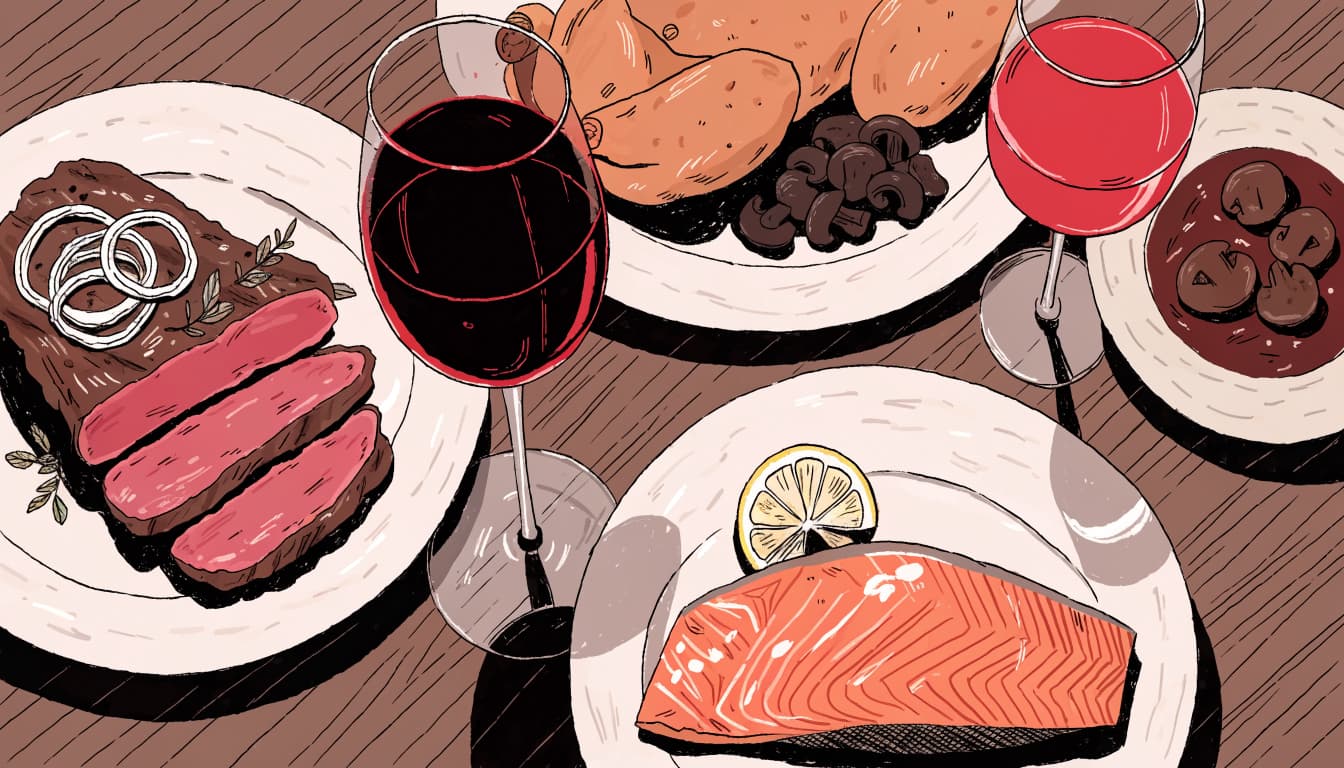
Your cooking method changes the call. A simple roast chicken may point you toward Pinot; a heavily charred piece of meat may make Cabernet more appealing. Mushroom sauce can pull a pork dish toward an earthy Pinot. If dinner has several plates, pick the wine that suits the main flavor on the table, not every ingredient.
For another look at how the two grapes behave with food, see Sommsation's Pinot Noir and Cabernet comparison.
Serve each wine at a temperature that keeps it fresh
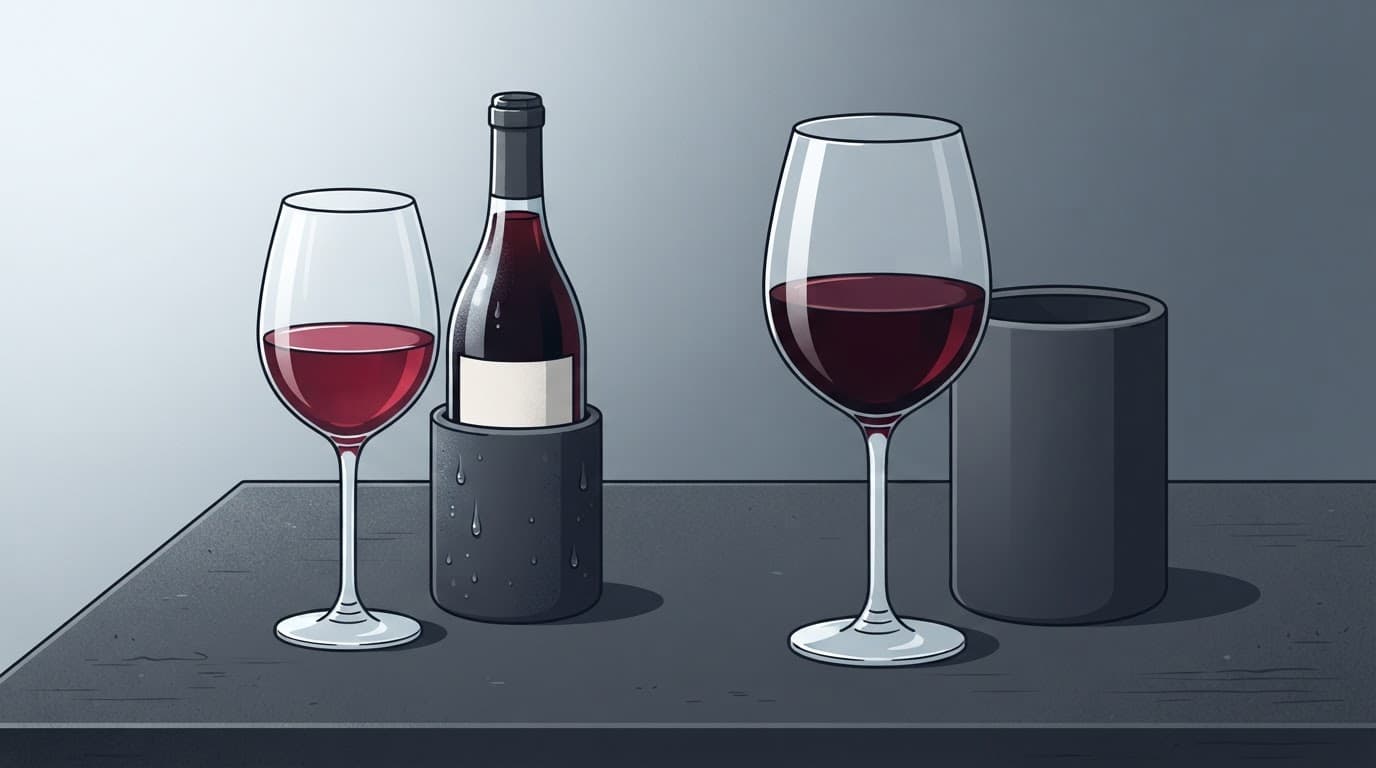
Red wine doesn't need to be warm. Try Cabernet Sauvignon around 60 to 65°F and Pinot Noir around 55 to 60°F. Those are useful targets, not a temperature boss fight. If your room is warm, both bottles may benefit from a little time in the fridge.
A slightly cooler Pinot can taste brighter and keep its red fruit lively. Serve Cabernet too warm, and its alcohol may stand out more than you'd like. If either wine seems muted straight from the fridge, leave the glass alone for a few minutes and taste again as it warms.
You don't need a thermometer to enjoy dinner. Aim for cool rather than cold, then let your palate make the final adjustment.
Use your taste and the label to make the final call
Pick Cabernet when you want dark fruit, more weight, and a firm finish. Pick Pinot when you want red fruit, a gentler grip, and a fresher feel. That's the fast answer to cab sav vs pinot noir, but labels offer useful extra hints.
Check the region and ABV, then read any producer notes. A bottle described as ripe and oak-aged may feel richer than one described as bright or restrained. Bordeaux may also be a blend rather than a solo Cabernet performance. If you're buying at a wine shop, tell the staff what you're eating and which texture you prefer. "Red, but not too grippy" is a perfectly useful request.
When a grape name and your dinner seem to disagree, trust the meal and the bottle's style clues before the stereotype.
Frequently Asked Questions
Is Pinot Noir always lighter than Cabernet Sauvignon?
Usually, but you can run into exceptions. A ripe Pinot Noir from a warmer site can feel fuller than you expected. A Cabernet from a cooler site may seem leaner and less forceful. If weight matters to you, compare the producer's style description rather than relying on the grape alone.
Is Cabernet Sauvignon always higher in alcohol?
Cabernet often has a higher ABV, but individual bottles overlap with Pinot Noir. Growing conditions and picking decisions affect how much sugar is in the grapes before fermentation. Look for the ABV on the bottle label if alcohol level is part of your choice. It's the clearest answer for the wine you're holding.
Which wine is easier for a new red wine drinker?
Many new red-wine drinkers find Pinot Noir approachable because its tannins are usually softer. You might prefer Cabernet immediately if you already like bold flavors and a drying finish. Try each with a food pairing you enjoy. Your reaction to the sip matters more than anyone else's beginner recommendation.
Can you chill Cabernet Sauvignon or Pinot Noir?
Yes, you can chill both briefly, especially if they're sitting in a warm room. Pinot Noir is generally served cooler, while Cabernet usually needs less chilling. Skip ice in the glass if you want to preserve the wine's flavor and texture; melting ice will water it down. Give an over-chilled glass a few minutes to warm up.
The Bottle That Fits Your Night
Cabernet Sauvignon is usually bolder and more structured. Pinot Noir is usually lighter and brighter. That simple split can get you past the menu stare-down, but it doesn't decide the whole meal for you.
Use your preferred flavors, the food on your plate, and the details on the label to choose. Then try the other grape another night. The most useful cab sav vs pinot noir comparison is the one you make in your own glass.