

Can a 2-Week-Old Puppy Drink Water?
TrendReactTees.STORE TeamA healthy 2-week-old puppy usually gets the fluids it needs from nursing or correctly prepared puppy milk replacer. A shallow water dish can be offered for supervised exploration if your veterinarian or caregiver advises it, but milk remains the priority.
When you're caring for a puppy this small, it's normal to have questions about every tiny change. Newborns can become unwell quickly, so knowing what to watch for matters more than getting them to drink from a bowl.
If your dog-parent wardrobe needs an upgrade while you're on puppy duty, our Best Dog Mom Tee and My Therapist Is A Dog Tee have the right energy. First, let's cover what your puppy needs at two weeks.
This post may contain affiliate links. If you make a purchase through these links, I may earn a small commission at no extra cost to you.
Key Takeaways
- A healthy 2-week-old puppy generally gets hydration from its mother's milk or correctly prepared puppy milk replacer.
- You can offer a shallow dish under supervision if advised, but drinking from it isn't required at this age.
- Weaning often begins around 3 to 4 weeks, with water becoming more important as milk intake decreases.
- Never force water or milk into a puppy's mouth. Fluid can enter the airway.
- Contact a veterinarian promptly if your puppy isn't feeding, seems weak, loses weight, or shows other signs of illness.
Can a 2 week old puppy drink water?
Yes, a 2-week-old puppy can be offered a little water in a shallow dish for supervised exploration, if your veterinarian or caregiver recommends it. Most healthy puppies this age don't need a separate water-drinking routine because they get fluids through milk.

Nursing puppies get fluids from milk
If your puppy is nursing well, its mother's milk provides both nutrition and fluids. The American Kennel Club's puppy hydration guidance notes that very young puppies meet their hydration needs through nursing.
A dish of plain water won't provide the calories and nutrients a growing puppy needs. Keep your attention on regular nursing, steady weight gain, and your puppy's overall behavior rather than whether it laps from a bowl.
If you're caring for a litter, watch each puppy individually. One puppy may have trouble feeding even when the others seem content. Your veterinarian can help if you're unsure whether a puppy is getting enough milk.
Orphaned puppies need puppy milk replacer
An orphaned puppy generally needs a commercial canine milk replacer and a feeding plan suited to its age, weight, and health. VCA Animal Hospitals' feeding guidance explains how milk replacer supports orphaned puppies.
Prepare the replacer according to its directions or your veterinarian's instructions. Plain water alone can't take its place, and there isn't one universal amount of extra water that fits every 2-week-old puppy.
For a closer look at newborn care, Dr. Marty Greer discusses neonatal puppies in this Pure Dog Talk video:
When should your puppy start drinking water regularly?
Water becomes part of the routine as your puppy begins weaning and relies less on milk. That change happens gradually, and puppies don't all hit the same milestone on the same day.
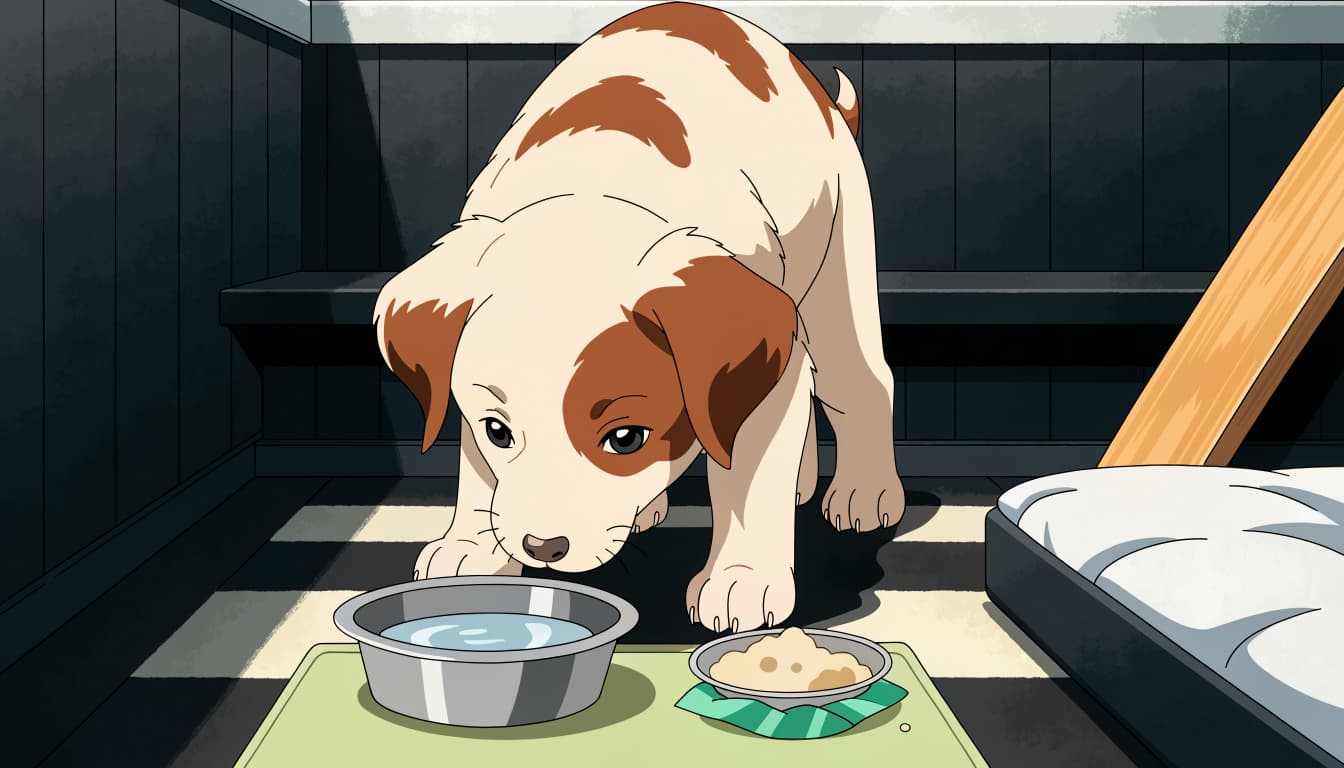
Weaning often begins around 3 to 4 weeks
At around 3 to 4 weeks, puppies may start exploring food while they continue to nurse or receive milk replacer. VCA describes the transition from nursing to weaning as a gradual process that typically begins as puppies develop teeth.
Your veterinarian can help you decide when and how to introduce an appropriate softened puppy food. Early meals are practice, so expect some curiosity and some mess. Your puppy still needs its established milk feedings during the transition.
Avoid rushing the process because one littermate looks ready. A smaller puppy, an orphaned puppy, or a puppy with a health concern may need a different plan.
Fresh water matters more as food increases
As your puppy eats more food and takes less milk, provide access to fresh water in a suitable shallow dish. You'll be helping it learn a new skill while supporting its changing hydration needs.
Keep the dish clean and change the water when it becomes soiled. During early weaning, food-covered paws and enthusiastic faces can turn a water bowl into a tiny splash zone.
Your veterinarian can advise you if your puppy isn't progressing with food or seems unable to lap. The goal is a gradual shift that fits your puppy, not a speedrun through every developmental stage.
How to offer water safely to a very young puppy
At two weeks, a water dish is optional exploration when your veterinarian or caregiver recommends it. It doesn't replace nursing, formula feedings, or a veterinary feeding plan.
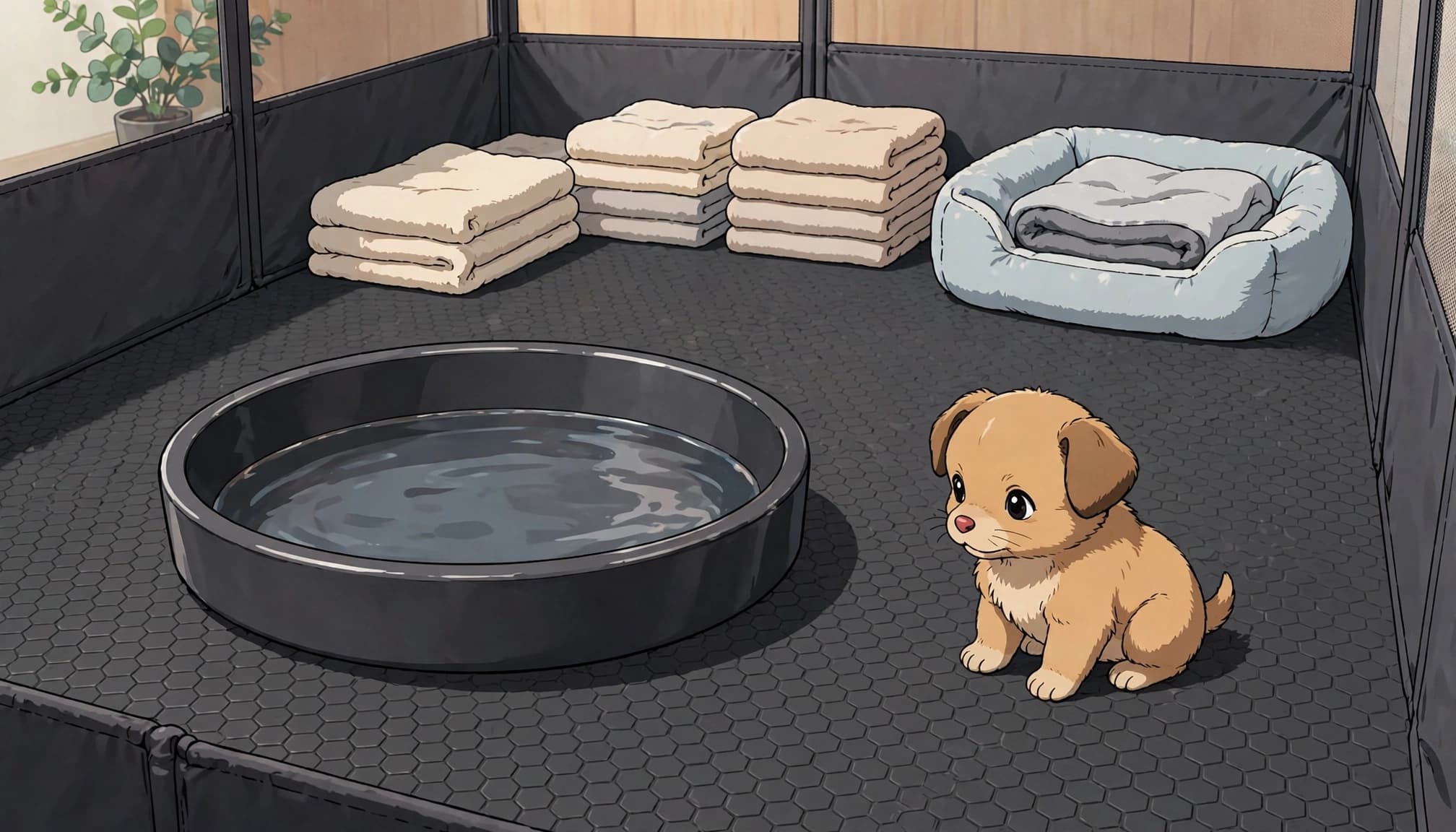
Choose a shallow dish and stay close
Use a clean, low-sided, stable dish with a small amount of fresh water. Place it on a level, non-slip surface where you can watch your puppy the entire time. The dish should be shallow enough that a puppy can't fall into deep water.
Let your puppy investigate at its own pace. It may sniff the water, lick it, or ignore the dish altogether. If it isn't interested, there's no need to make drinking practice a requirement.
Remove the dish after the supervised introduction. Dry any spills and replace damp bedding so your puppy has a clean, comfortable resting area. A quiet space also gives the mother and litter room to settle between feedings.
Keep the feeding plan separate
Don't pour water into your puppy's mouth or use a syringe to make it drink. Fluid delivered too quickly can enter the airway, and a puppy that can't feed normally needs veterinary assessment.
The same caution applies to milk. If your puppy struggles to suckle, don't improvise a force-feeding method. Ask your veterinarian for help with a safe feeding plan.
Wash your hands before handling the puppies, and clean feeding equipment as directed. If you plan to change formula, feeding amounts, or the schedule, speak with your veterinarian first. A tiny puppy has specific nutritional needs, and its feeding routine deserves more care than a guess.
Signs your puppy may need urgent veterinary care
A 2-week-old puppy can decline quickly. Contact your veterinarian promptly if your puppy isn't nursing well, seems weak, or behaves differently than usual. If your regular clinic is closed, contact an emergency veterinarian.
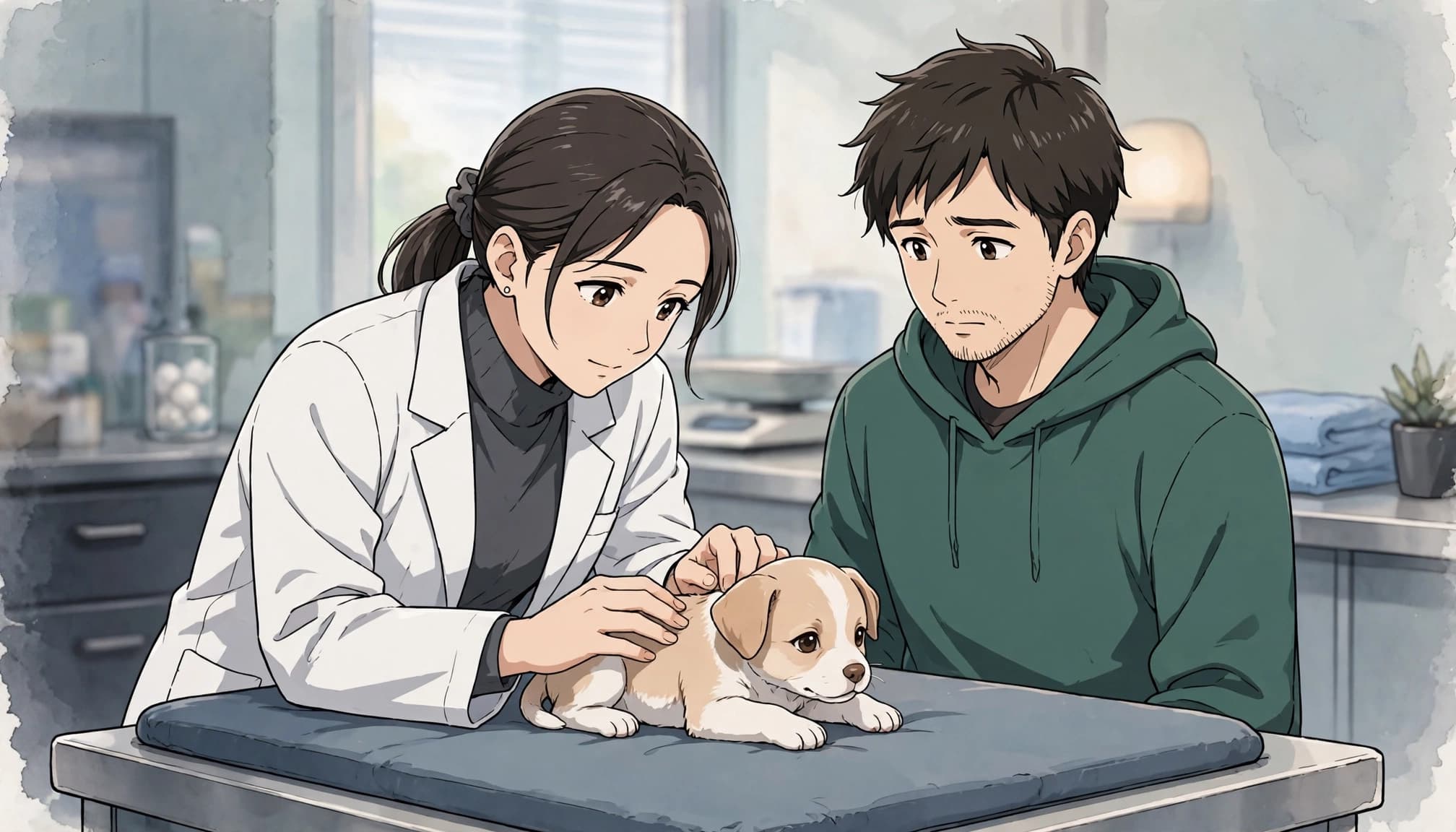
Changes that deserve a prompt call
Poor or absent nursing, unusual sleepiness, weakness, and persistent crying all warrant attention. So do diarrhea, repeated vomiting or regurgitation, weight loss, and poor weight gain. A dry or tacky mouth can also be a warning sign.
The AKC's neonatal care resource lists feeding problems, weakness, crying, and digestive symptoms among concerns in newborn puppies.
Track your puppy's weight daily and share the record with your veterinarian. Don't wait for a routine appointment if the puppy stops gaining or loses weight.
Don't rely on a home hydration check
A mouth that looks moist or skin that seems normal doesn't rule out illness in a neonate. Home checks can miss problems, so use changes in feeding, weight, and behavior as reasons to call.
If your puppy feels cold, tell the veterinarian right away. The Merck Veterinary Manual's neonatal guidance explains that chilling can interfere with nursing and digestion. Follow your veterinarian's instructions for warming and feeding.
Streetwear & Casual Styling
Puppy duty calls for clothes you can move in. Pair our Dog Eats Custom Kibble Tee with relaxed jeans, or style the Scream At Void Tee with joggers. Both bring our Cyber-Brutalist Anime Graphic Tee style to an easy, dog-parent look.
Frequently Asked Questions
Can a two-week-old puppy drink from a bowl?
You can offer a shallow dish for supervised exploration if your veterinarian or caregiver advises it. Milk remains the main source of fluids, and your puppy doesn't need to drink from a bowl at this age.
Should you give an orphaned puppy plain water?
An orphaned puppy generally needs an appropriate puppy milk replacer and a feeding plan from a veterinarian. Plain water alone doesn't supply the nutrition your puppy needs to grow.
What if your puppy refuses to nurse?
Contact a veterinarian promptly, especially if your puppy is weak, cold, or unusually quiet. Don't force water or milk into its mouth while you wait for advice.
Can you add extra water to puppy milk replacer?
Follow the product directions or your veterinarian's instructions exactly. Changing the mixture can affect the nutrition and fluid your puppy receives, so don't adjust it on your own.
How often should you weigh a newborn puppy?
Weigh your puppy daily and record the result so you can spot a change. Use the same scale when possible, and tell your veterinarian promptly if your 2-week-old puppy loses weight or isn't gaining.
Can a two-week-old puppy have cow's milk?
Choose a canine milk replacer rather than cow's milk for an orphaned puppy. Your veterinarian can recommend a suitable product and explain how to prepare and feed it.
Keep Milk First and Your Veterinarian Close
At two weeks, your healthy puppy usually gets the fluids it needs through nursing or correctly prepared milk replacer. A supervised shallow dish can be a gentle introduction, but there's no need to push it.
Keep watching for changes in feeding, weight, and behavior. If something seems off, a prompt call to your veterinarian gives your puppy the best chance of getting the care it needs.
As weaning begins, follow your veterinarian's guidance and let your puppy progress at its own pace. The water bowl can wait for its moment.