

Can Puppies Eat Crackers? What to Know Before Sharing
TrendReactTees.STORE TeamCan puppies eat crackers? A tiny bite of a plain cracker is not the same as a toxic exposure, but crackers aren't a useful puppy treat and shouldn't replace balanced puppy food. For your own dog-parent rotation, there's the Golden Retriever Luck Tee and the Best Dog Mom Tee. They belong in your closet, while your puppy's menu stays focused on food made for growth.
Cracker ingredients and the amount eaten matter. Veterinary sources don't give crackers a specific safe serving size, so "just a little" describes what happened, not a medically approved dose. A seasoned or sweetened cracker can change the risk, so check the package before deciding what to do.
This post may contain affiliate links. If you make a purchase through these links, I may earn a small commission at no extra cost to you.
Key Takeaways
- A tiny piece of a plain cracker may not cause harm, but crackers aren't a recommended puppy treat.
- Salt, onion, garlic, chives, and xylitol can make a cracker dangerous.
- Keep the package and call a veterinarian or animal poison control if ingredients or amount are concerning.
- Use regular puppy food or age-appropriate dog treats instead of snack foods.
Can Puppies Eat Crackers, or Should You Skip Them?
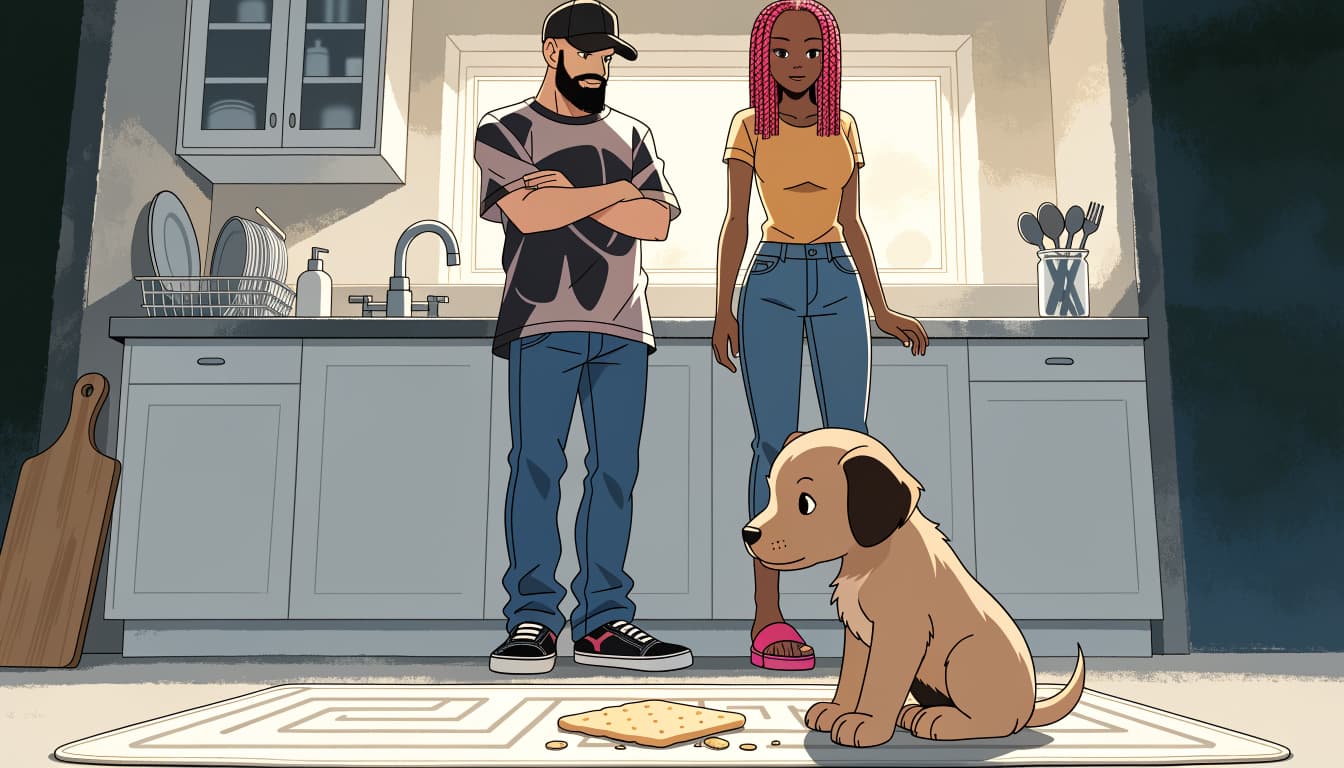
If your puppy stole a crumb of a plain cracker, don't assume that means poisoning. A small bite is different from eating a cracker with a harmful ingredient, and many plain crackers don't contain the ingredients that cause toxic reactions. Still, crackers are salty, refined snack food with little value for a growing dog.
The bigger issue is making them a habit. Puppies need a complete, balanced food made for their life stage. Human snacks can add salt and calories without supplying the nutrition your puppy needs, and they can crowd out meals that do.
There's no veterinary-approved cracker serving size for puppies. A puppy's size, health, the cracker's ingredients, and the amount eaten all matter. So don't turn a tiny accidental nibble into a routine treat, or assume a larger amount is harmless because the cracker looks plain.
Which Cracker Ingredients Can Put Your Puppy at Risk?
Crackers vary, so check the ingredient list instead of relying on the product name. A plain cracker, a seasoned snack cracker, and a sweetened cracker can have very different ingredients. The ASPCA's list of foods to avoid feeding pets covers several ingredients that may turn a snack into a veterinary concern.
Salt is one common problem. Too much can cause increased thirst and urination, vomiting, diarrhea, weakness, difficulty walking, tremors, or seizures. The risk depends on how much salt your puppy ate and other circumstances, so there isn't a universal threshold to apply at home.
Watch for onion, garlic, chives, and related ingredients, including powders and concentrated seasonings. These can irritate the digestive system and damage red blood cells. Signs may include vomiting, diarrhea, weakness, pale gums, or collapse, and they can be delayed. The ASPCA's poison-prevention guidance notes that too much onion or garlic can damage a pet's red blood cells.
Xylitol deserves urgent attention. It may also appear on labels as birch sugar or wood sugar. In dogs, it can quickly lower blood sugar and may also harm the liver. Weakness, lethargy, poor coordination, vomiting, and seizures are possible signs. Don't assume every cracker contains these ingredients. Check the actual label and consider both what's in it and how much your puppy ate.
What Should You Do if Your Puppy Ate Crackers?
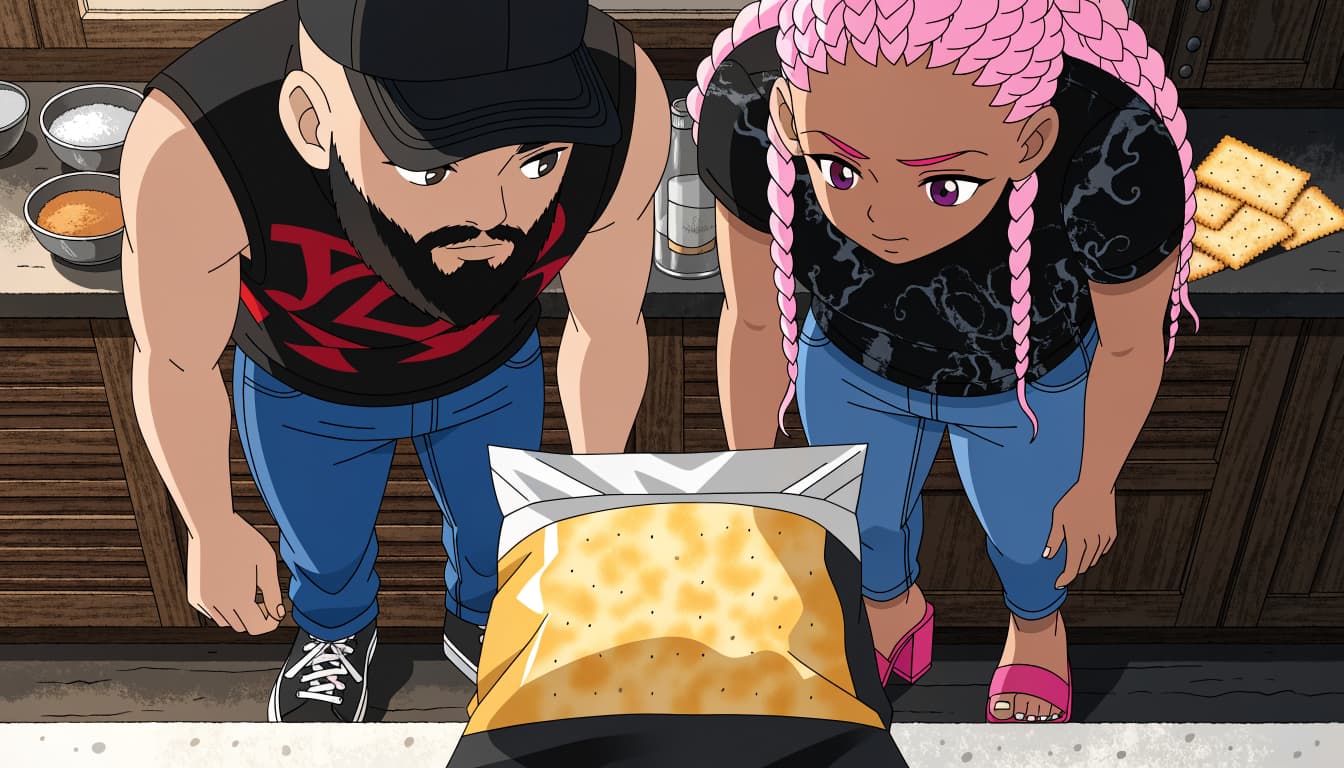
First, move the remaining crackers out of reach and keep the wrapper or package. Note the product name, ingredient list, estimated amount eaten, and when it happened. Those details help a veterinarian or poison-control professional assess the situation.
Call your veterinarian promptly if the cracker contains xylitol, onion, garlic, or another concerning ingredient. Do the same if you can't identify the ingredients or don't know how much your puppy ate. Don't wait for symptoms after a possible xylitol exposure, since its effects can develop quickly.
For poisoning concerns in the United States, you can contact the ASPCA Animal Poison Control Center at 1-888-426-4435 or Pet Poison Helpline at 1-855-764-7661. Fees may apply. The ASPCA also provides direct access to its Poison Control Center.
Don't induce vomiting or try a home remedy unless a veterinarian or poison-control professional tells you to. Those steps aren't always safe, and they can waste time when your puppy needs care.
Get urgent veterinary help if your puppy has vomiting, diarrhea, unusual thirst, weakness, poor coordination, pale gums, tremors, seizures, collapse, or trouble walking. Severe symptoms need immediate attention. If your puppy seems unwell after eating a cracker, give the clinic the wrapper and the details you collected.
What Can You Give Your Puppy Instead of Crackers?
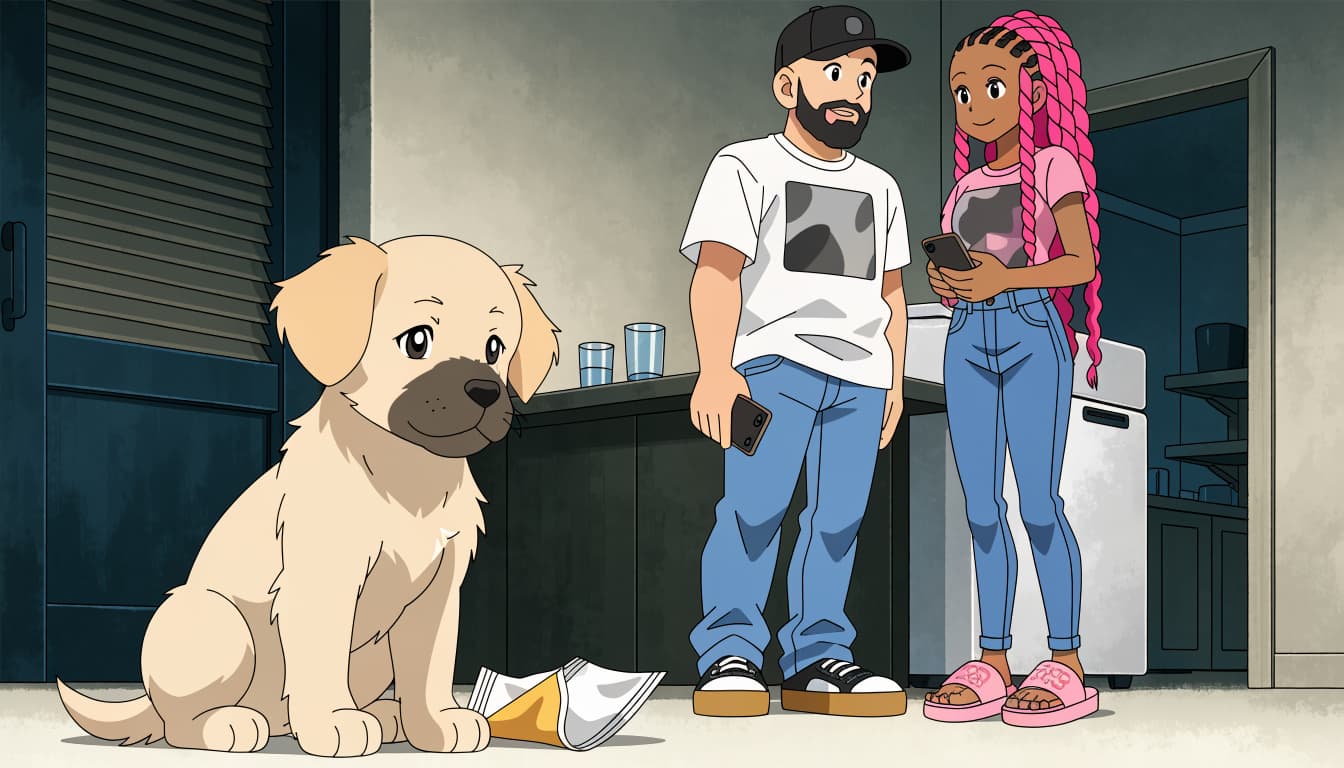
For training, use a few pieces of your puppy's regular food. That keeps rewards familiar and avoids turning salty human snacks into the expected prize. You can also choose a dog treat made for your puppy's age and size. Keep treats modest so they don't crowd out balanced meals.
If you'd like to offer a human food, stick with a plain option without added salt, sugar, oil, butter, or seasoning. Ask your veterinarian what fits your puppy, especially if they're very young or have a health condition or special diet. A tiny piece of plain, fully cooked, boneless meat may work as an occasional treat if your veterinarian agrees.
A puppy who acts like every snack is a legendary loot drop can make portion control feel like a boss fight. Keep rewards small and count them as part of the day's food rather than adding a steady stream of extras.
Streetwear & Casual Styling for Dog-Loving Days
Once your puppy's snack situation is handled, your own dog-walk fit can stay easy. A Cyber-Brutalist Anime Graphic Tee works with relaxed jeans and comfortable shoes, so you're ready for a quick walk that somehow becomes a full side quest. Try the My Therapist Is A Dog Tee or the If They Could Use Internet We'd Be In Trouble Tee. Your outfit can do the talking. Your puppy's food still needs to be puppy food.

Frequently Asked Questions
Can puppies eat saltine crackers?
Saltines are still salty snack food, so they aren't a good regular treat for your puppy. Choose puppy food or a dog treat instead, and contact a veterinarian if your puppy ate a concerning amount or seems unwell.
Are whole-grain crackers safer for puppies?
Whole grains don't automatically make a cracker suitable for dogs. Check the full ingredient list for added salt, seasonings, and sweeteners, and don't use whole-grain crackers as a regular puppy reward.
Can a puppy have crackers as a training reward?
Use pieces of your puppy's regular food or a treat made for dogs rather than making crackers part of training. That keeps rewards consistent with your puppy's diet and avoids building a habit around salty snacks.
When should you call a vet after a puppy eats a cracker?
Call promptly if the cracker contains xylitol, onion, garlic, another concerning ingredient, or if you're unsure what or how much your puppy ate. Seek urgent care for serious symptoms such as seizures, collapse, severe weakness, or trouble walking.
Keep Crackers Off the Puppy Menu
A tiny bite of a plain cracker isn't automatically an emergency, but crackers don't belong on your puppy's regular treat list. Check the label if your puppy gets into one, and choose puppy food or suitable dog treats for everyday rewards.
When ingredients or symptoms raise concern, call your veterinarian or an animal poison-control service. Your puppy's snack menu can stay boring in the best way: balanced food, sensible treats, and no mystery ingredients.