

Can Puppies Eat Nectarines? A Guide to Safe Treats
TrendReactTees.STORE TeamYes, your puppy can have a little ripe nectarine flesh as an occasional treat, but never the pit. Remove it completely, cut the fruit into small pieces, and call your veterinarian promptly if your puppy swallows the pit.
This post may contain affiliate links. If you make a purchase through these links, I may earn a small commission at no extra cost to you.
For your puppy-parent uniform, our Dog Eats Custom Kibble Tee and Best Dog Mom Tee bring some personality to snack duty. First, let's make sure your puppy's fruit is ready to serve.
Key Takeaways
- Most healthy puppies can have a little fresh, ripe nectarine flesh as an occasional treat.
- Remove the entire pit, along with the stem and leaves, before offering any fruit.
- A swallowed pit can cause choking or a blockage, and a chewed pit may also release cyanide.
- Introduce a tiny taste and watch for digestive upset.
- If your puppy swallows a pit, contact a veterinarian promptly without waiting for symptoms.
Can puppies eat nectarines? The safe answer
Most healthy puppies can eat a small amount of fresh nectarine flesh, provided you remove the whole pit first. Think of it as an occasional bonus snack, not a required upgrade to your puppy's menu.
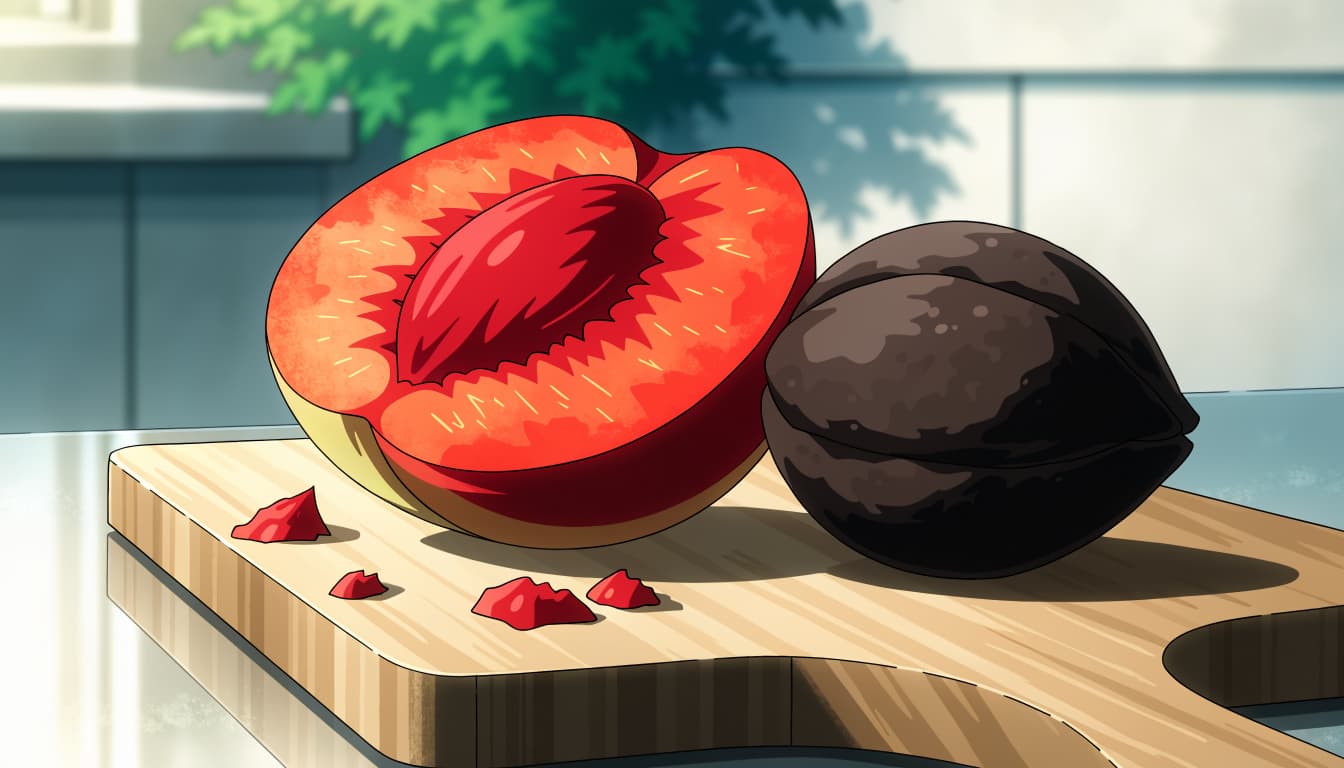
For a look at a closely related fruit, this video covers peach safety for dogs:
Why the flesh and the pit are different
The soft flesh is the part you can offer. The hard pit is a separate hazard: your puppy could choke on it, or it could become stuck in the digestive tract.
Stone-fruit pits also contain amygdalin, a compound that can release cyanide when the pit is chewed or digested. The American Kennel Club discusses this risk in its guidance on peach pits. Ordinary contact between intact nectarine flesh and its pit isn't the same as chewing the pit.
Keep the stem and leaves off your puppy's plate, too. Your puppy doesn't need a whole-fruit challenge.
Keep complete puppy food on the menu
Your puppy's regular food should provide complete nutrition for growth. Fruit can't replace that balance, even when your puppy looks personally offended by the portion size.
Check the food label for a statement that it's complete and balanced for growth or all life stages. If you have questions about your puppy's diet, your veterinarian can help you choose an appropriate food.
How to prepare a nectarine for your puppy
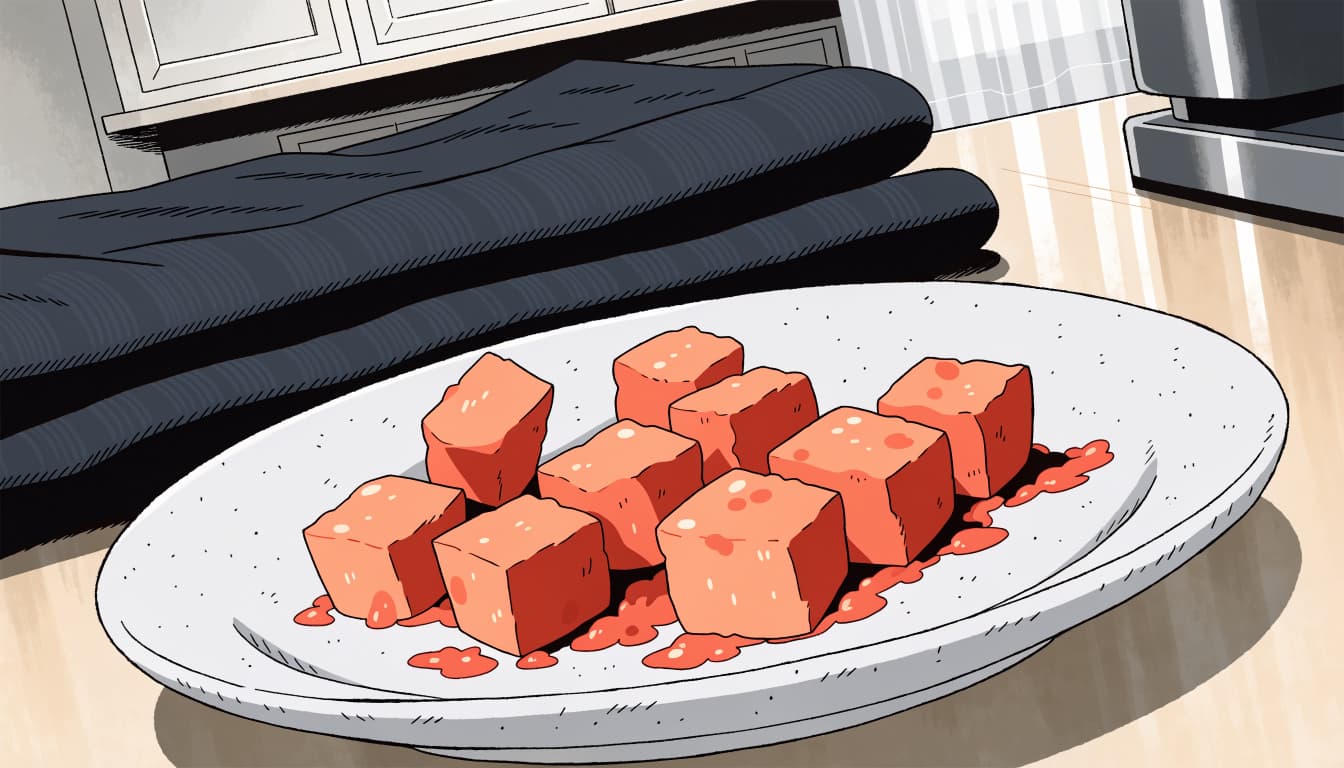
Start with a fresh, ripe nectarine. Wash it under running water, then remove the stem and cut the flesh away from the entire pit. Cut the flesh into small pieces suited to your puppy's size.
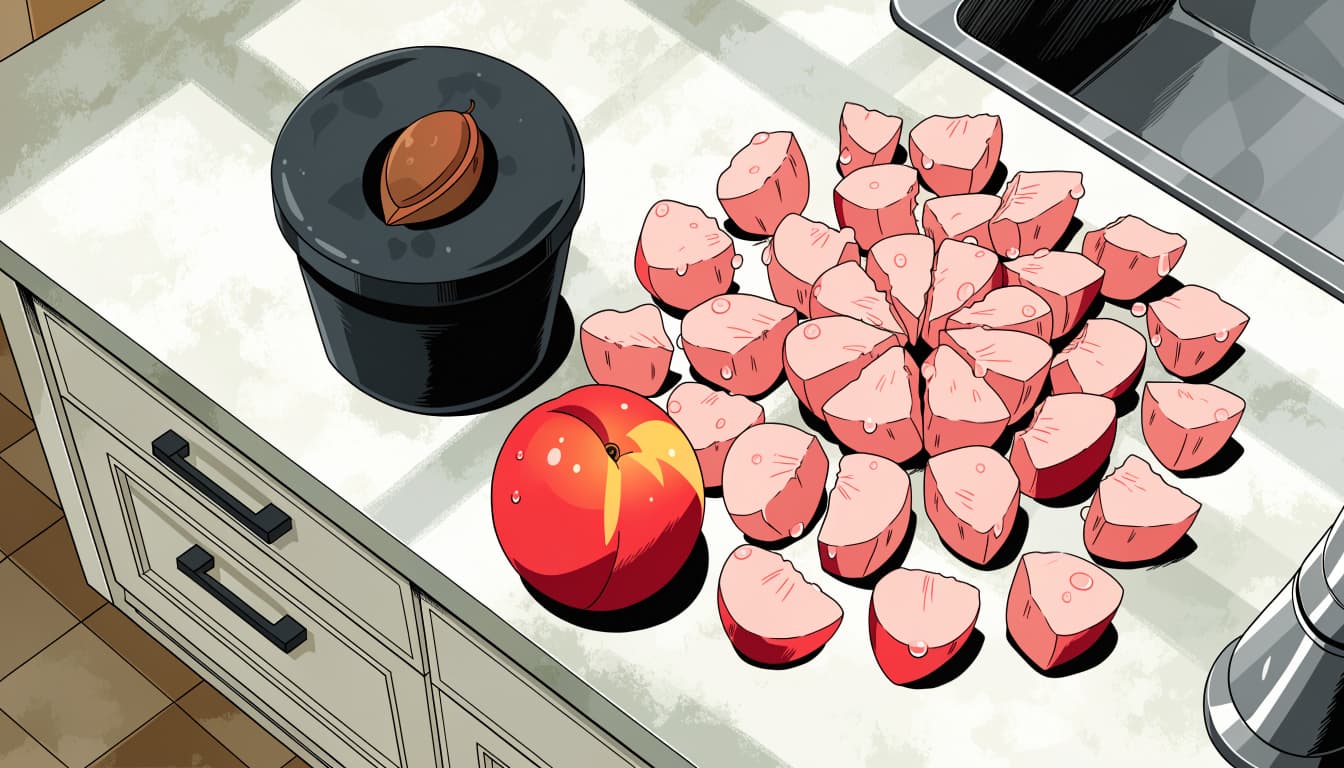
Choose plain fruit, without sugar or other additions. The AKC recommends fresh peaches in small cubes with the stem and pit removed. That guidance offers a useful preparation model for nectarines, although it doesn't establish a nectarine-specific serving size for puppies.
Start with a tiny taste and watch your puppy
Offer a little fruit first rather than making a full snack bowl. Puppies can react to unfamiliar foods with an upset stomach, even when the food itself is generally safe.
There's no validated nectarine portion for puppies in the cited guidance. Your puppy's size and health matter, so resist the urge to turn a cute response into a refill request.
Stop offering the fruit if your puppy develops vomiting or diarrhea. Contact your veterinarian if the signs are severe, continue, or concern you.
If your puppy has a medical condition, follows a special diet, or has recurring stomach problems, ask your veterinarian before adding nectarine or another new food.
Put the pit and scraps out of reach
A pit left on the counter can become a problem fast, especially if your puppy has mastered the art of appearing exactly where food falls.
Put the pit, stem, and other scraps in a closed trash container your puppy can't access. Check the floor and preparation area before your puppy returns to the kitchen. You can save the remaining flesh for yourself without leaving the hazardous parts within reach.
What risks should you watch for?
The main risk depends on which part your puppy eats. A small piece of flesh may cause stomach upset, while the pit can create physical hazards and potential cyanide exposure.
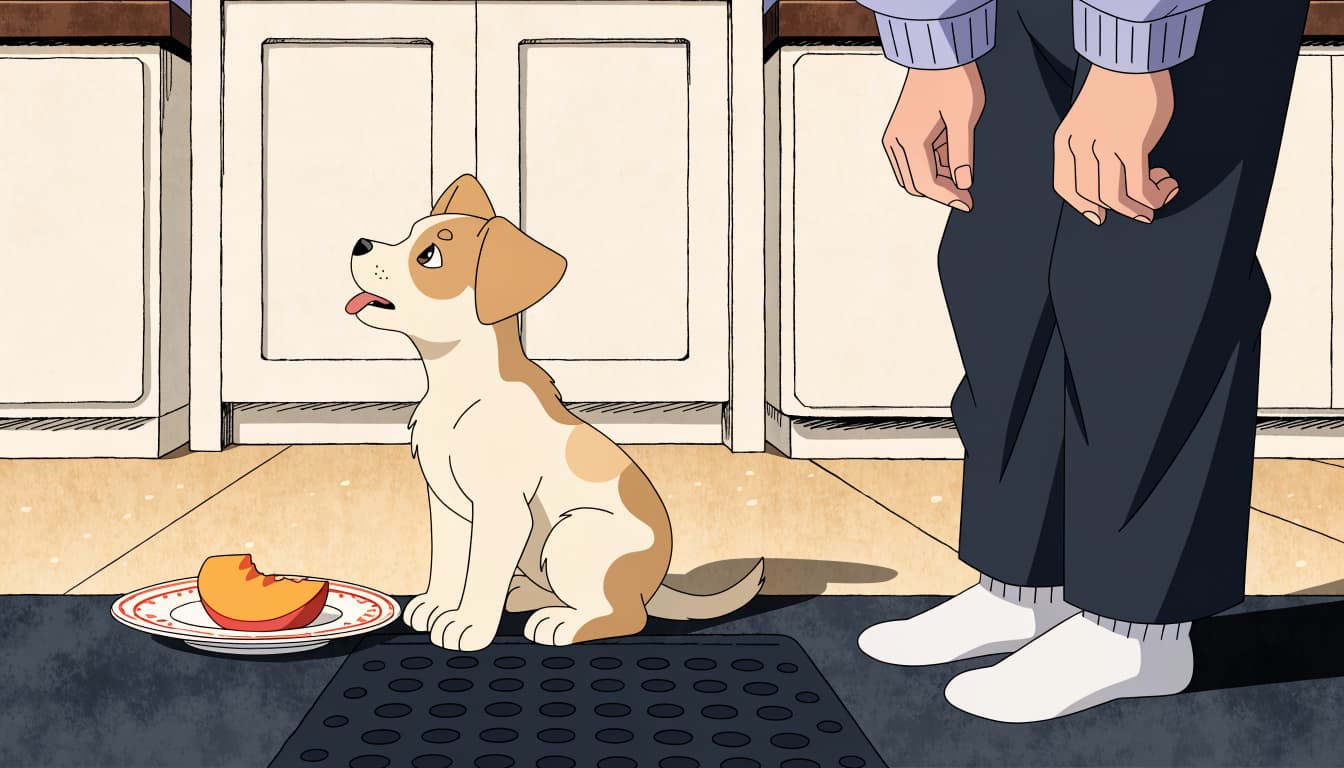
Choking and stomach trouble are different problems
A pit can lodge in your puppy's throat or digestive tract. That physical danger exists even if the pit remains intact and cyanide poisoning isn't expected. Chewing the pit adds a separate concern because it can release compounds associated with cyanide exposure.
Large or hard pieces of fruit can also be difficult for a small puppy to manage. Cutting the flesh into appropriately small pieces helps you avoid turning snack time into a choking risk.
Fresh flesh can still disagree with your puppy's stomach. Sweetened fruit adds extra sugar, so skip syrup and choose plain nectarine instead. The AKC's fruit guidance for dogs also favors small amounts of fresh fruit over syrup-packed options.
Signs your puppy may not be tolerating the fruit
Vomiting, diarrhea, unusual tiredness, and reduced appetite are reasons to stop feeding nectarine. These signs don't prove poisoning, and other health issues can cause them too.
Contact your veterinarian if symptoms are severe, continue, or worry you. Puppies are small, so it's sensible to ask for help rather than guess how much stomach upset is too much.
If your puppy may have eaten the pit, call promptly even if there are no symptoms. The possible blockage risk changes the situation.
What to do if your puppy eats a nectarine pit
Contact your veterinarian promptly if your puppy swallows a pit. Call especially quickly if your puppy is small, the pit was chewed, or you aren't sure how much was eaten.
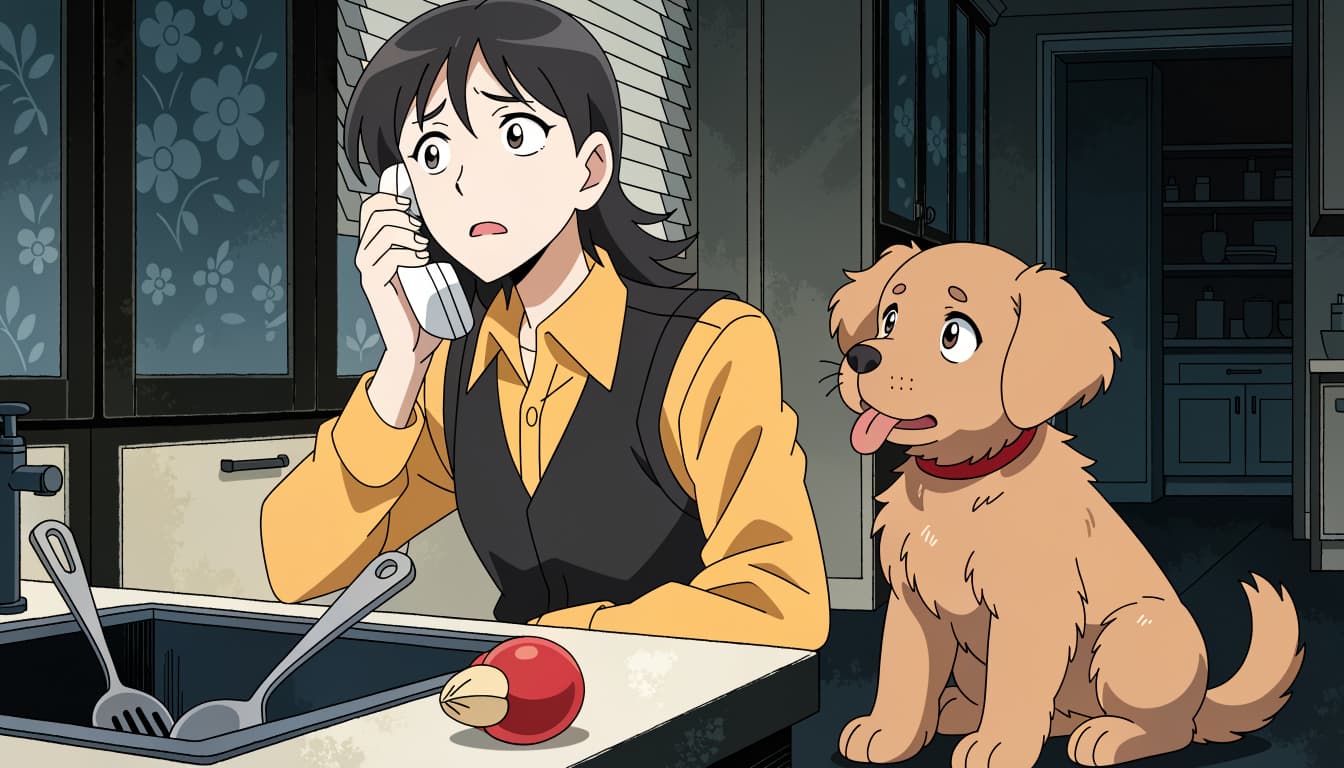
Don't wait for symptoms to appear. A veterinary professional can assess the physical risk and any possible toxic exposure based on your puppy and the details of the incident.
Don't induce vomiting unless a veterinary professional directs you to do so. Skip home remedies, too. The right response depends on what happened, and attempting treatment yourself can complicate the situation.
What to tell your veterinarian
Have your puppy's weight ready, along with the time of the incident. Explain what was eaten, whether the pit was swallowed whole or chewed, and the amount if you know it.
If you aren't sure, say so. An honest "I didn't see it happen" gives your veterinarian better information than a confident guess.
For suspected toxic ingestion in the United States, you can also contact Pet Poison Helpline at 855-764-7661. Keep the remaining fruit or pit fragments out of your puppy's reach while you make the call.
Know when it is an emergency
Choking, trouble breathing, collapse, tremors, or seizures call for urgent veterinary help. Head to an emergency veterinary clinic rather than waiting to see whether your puppy improves.
After pit ingestion, repeated vomiting, reduced appetite, constipation, or passing less stool can also warrant prompt assessment. Those signs may occur with an intestinal blockage, though they don't confirm one on their own.
Streetwear & Casual Styling
Once the fruit is prepared and the pit is safely away, your puppy-parent outfit can stay low effort. Our Cyber-Brutalist Anime Graphic Tees bring the personality; jeans and comfortable sneakers handle the rest.
Pair the If They Could Use the Internet Tee with relaxed jeans and a dark overshirt for a casual dog-walk look. The dog-lover humor does the talking while the rest of the outfit stays easy to wear.
For another option, style the Scream at the Void Tee with straight-leg pants and sneakers. Add a lightweight layer when you need one, and you're ready for the walk without treating your closet like a boss battle.
Frequently Asked Questions
Can puppies eat nectarine skin?
The cited guidance doesn't establish a nectarine-specific rule for the skin, and it doesn't identify the skin as toxic. Wash the fruit, remove the pit completely, and cut the flesh into small pieces. If you're concerned about how your puppy handles the skin, ask your veterinarian.
Are canned nectarines safe for puppies?
Fresh nectarine is the better choice for your puppy. Canned fruit may be packed in syrup or contain more sugar than your puppy needs, so skip the sweetened version. Plain, ripe flesh gives you more control over what goes into the treat.
Can your puppy eat frozen nectarine?
You can offer plain nectarine flesh with the pit removed, cut into small pieces that suit your puppy. Avoid frozen chunks that are too hard or large, since they can pose a choking risk. If a piece is difficult for your puppy to manage, let it soften before offering it.
Can a puppy be allergic to nectarines?
A puppy can have a concerning reaction to a food, but that doesn't mean nectarine allergies are common. Stop offering the fruit and contact your veterinarian if you notice a reaction that worries you. Swelling or trouble breathing needs urgent veterinary help.
Keep the Treat Small and the Pit Away
A little fresh nectarine flesh can be an occasional treat for your puppy. Keep the portion small, remove the entire pit, and make complete puppy food the foundation of your puppy's diet.
Pay attention to how your puppy responds. If there's a swallowed pit or symptoms that concern you, contact your veterinarian promptly. That call matters more than any enthusiastic request for another bite.