

Can Puppies Eat Tortillas? What to Do After a Bite
TrendReactTees.STORE TeamA tiny accidental bite of a plain, fully cooked tortilla is usually low risk for a healthy puppy, but tortillas aren't recommended treats. Ingredients matter: a plain corn tortilla and a tortilla covered in garlic salsa are two different situations.
Your puppy has a small body and needs complete puppy food to support growth. If you're asking, "Can puppies eat tortillas?" start by checking what was in the bite.
This post may contain affiliate links. If you make a purchase through these links, I may earn a small commission at no extra cost to you.
For your own dog-parent uniform, our Dog Eats Custom Kibble Living On Ramen Tee and My Therapist Is A Dog Tee capture the dynamic.
Here's how to assess that tortilla incident without turning it into a panic spiral.
Key Takeaways
- A tiny bite of plain, fully cooked corn tortilla is generally low risk for a healthy puppy, but it isn't a recommended treat.
- Onion, garlic, chives, and leeks can harm dogs, including when they're cooked or powdered.
- Check the ingredients, your puppy's size, the amount eaten, and when it happened before calling your veterinarian.
- Breathing trouble, collapse, seizures, marked weakness, and repeated vomiting need immediate veterinary care.
- Regular puppy kibble or a veterinarian-approved puppy treat is a better snack choice.
Can puppies eat tortillas? Here's the safest answer
If your healthy puppy snatched a tiny piece of a plain, fully cooked corn tortilla, that accidental bite is generally low risk. Take a breath, remove the rest, and check what else might have been on it.
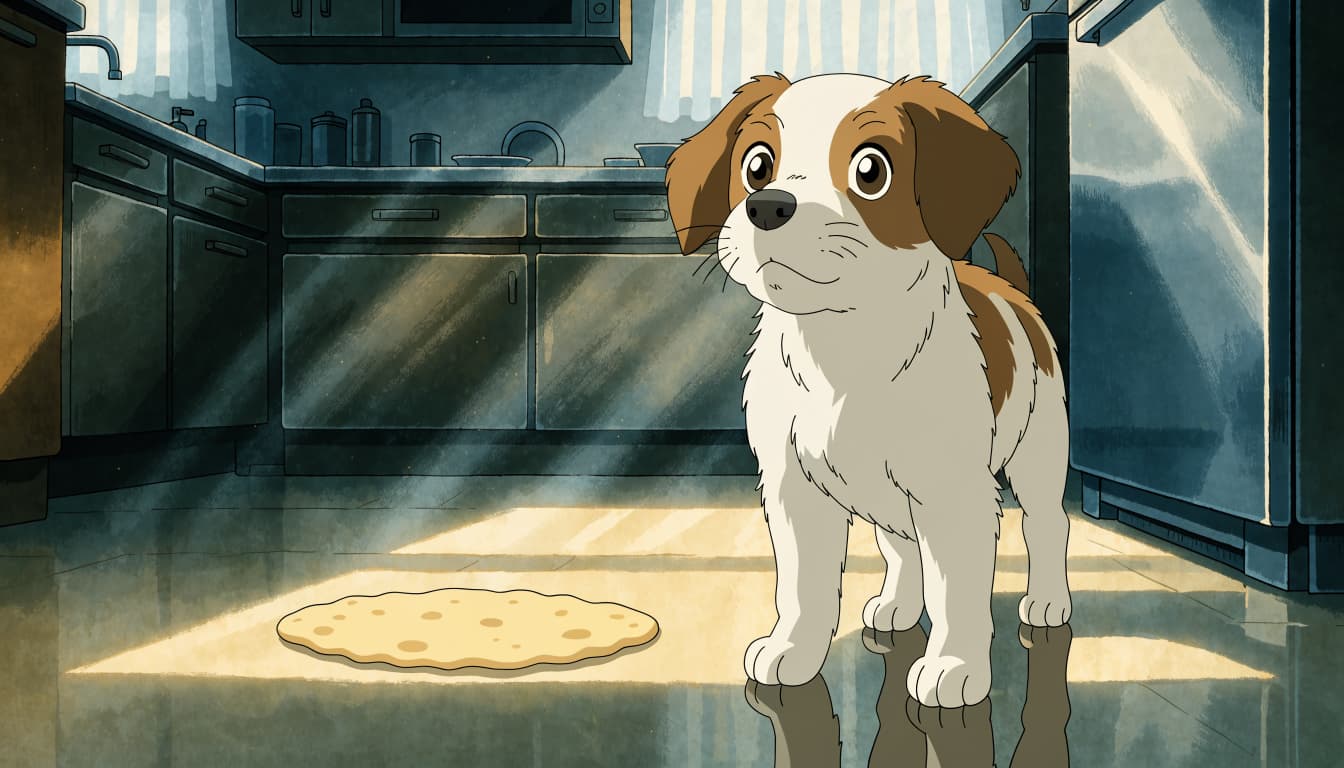
That reassurance has limits. There isn't an established veterinary-approved tortilla serving size, and a bite that looks tiny to you can be more substantial for a small puppy. Your veterinarian can help assess the situation if you don't know how much disappeared.
Your puppy also needs a complete, balanced food made for growth. Tortillas aren't formulated to provide that nutrition, so they shouldn't become a regular snack. The pleading eyes may have excellent animation, but they don't change the menu.
Consider the whole bite, too. A tortilla that touched a plate of seasoned meat, salsa, or dip isn't the same as one taken straight from a plain package. If you're unsure what your puppy ate, call your veterinarian rather than guessing.
For a closer look at one common seasoning concern, veterinarian Dan explains what to expect after a dog eats onion or garlic:
Which tortilla ingredients can put your puppy at risk?
A tortilla's ingredient list tells you more than its shape. Check the package, then account for anything added during cooking or serving.
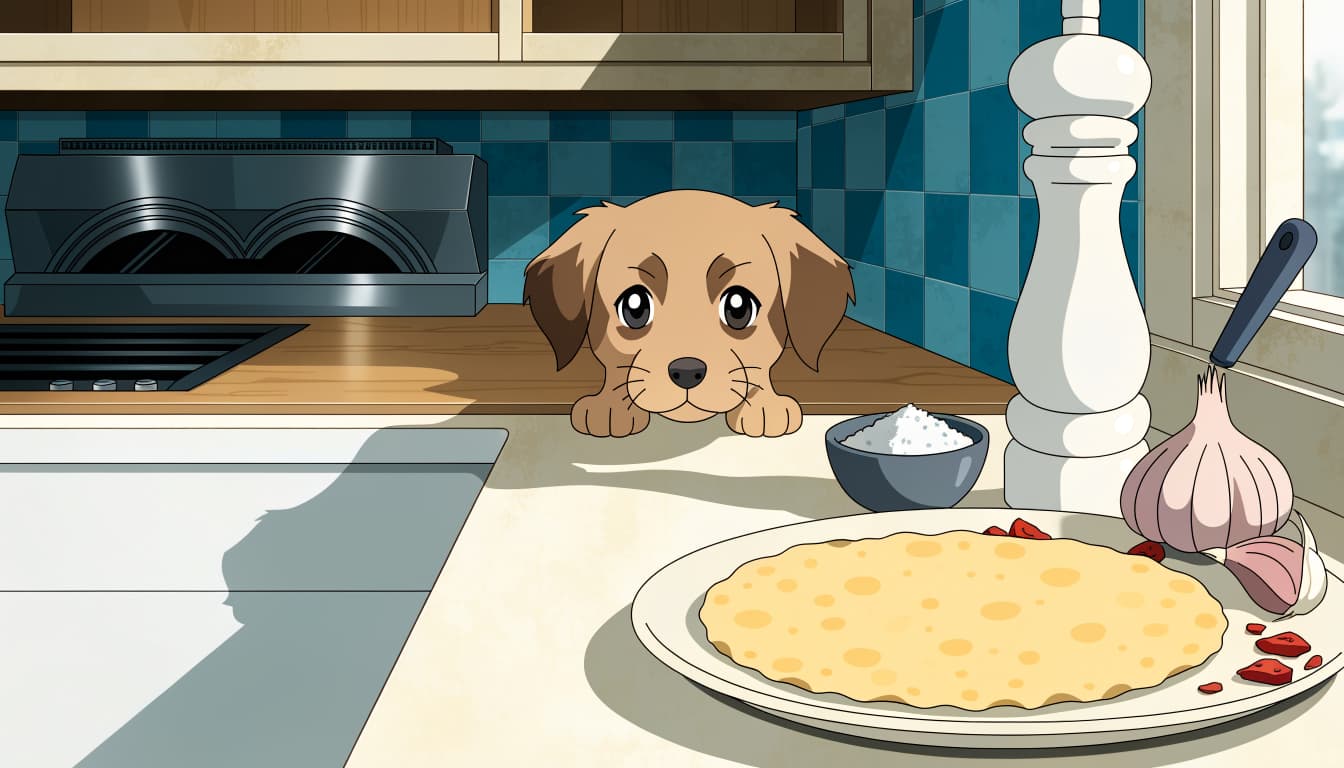
Avoid onion, garlic, chives, and leeks
These ingredients can be harmful to dogs in fresh, cooked, dried, or powdered forms. VCA Animal Hospitals' toxicity guidance also identifies liquid forms as poisonous, so a sauce or broth deserves the same attention as a visible piece.
Exposure can cause drooling, vomiting, diarrhea, or belly pain. Larger exposures can damage red blood cells and lead to weakness, pale gums, rapid breathing, or red-colored urine.
If your puppy ate any of these ingredients, call your veterinarian promptly. Don't wait for symptoms to appear before asking for advice.
Skip heavy salt, seasoning, and added fats
Oil, butter, lard, heavy salt, and spicy seasonings aren't suitable additions to your puppy's food. They can upset a sensitive stomach, and your veterinarian may need to consider the amount eaten alongside your puppy's size.
There isn't a tortilla-specific salt threshold you can use to declare a bite safe. Keep the wrapper or recipe handy if you need to make that call.
Corn and flour tortillas are not puppy treats
Plain corn and plain flour tortillas differ in their main ingredients, but neither is a useful addition to a puppy's regular diet. The available guidance doesn't establish an approved portion for either kind.
Treat a plain accidental nibble as an exposure to assess, not an invitation to share the next wrap. Your puppy has enough nutritional needs without a surprise tortilla expansion pack.
What should you do if your puppy ate a tortilla?
First, move the remaining food out of reach. Save the package and ingredient list, or note what went into the meal if it was homemade.
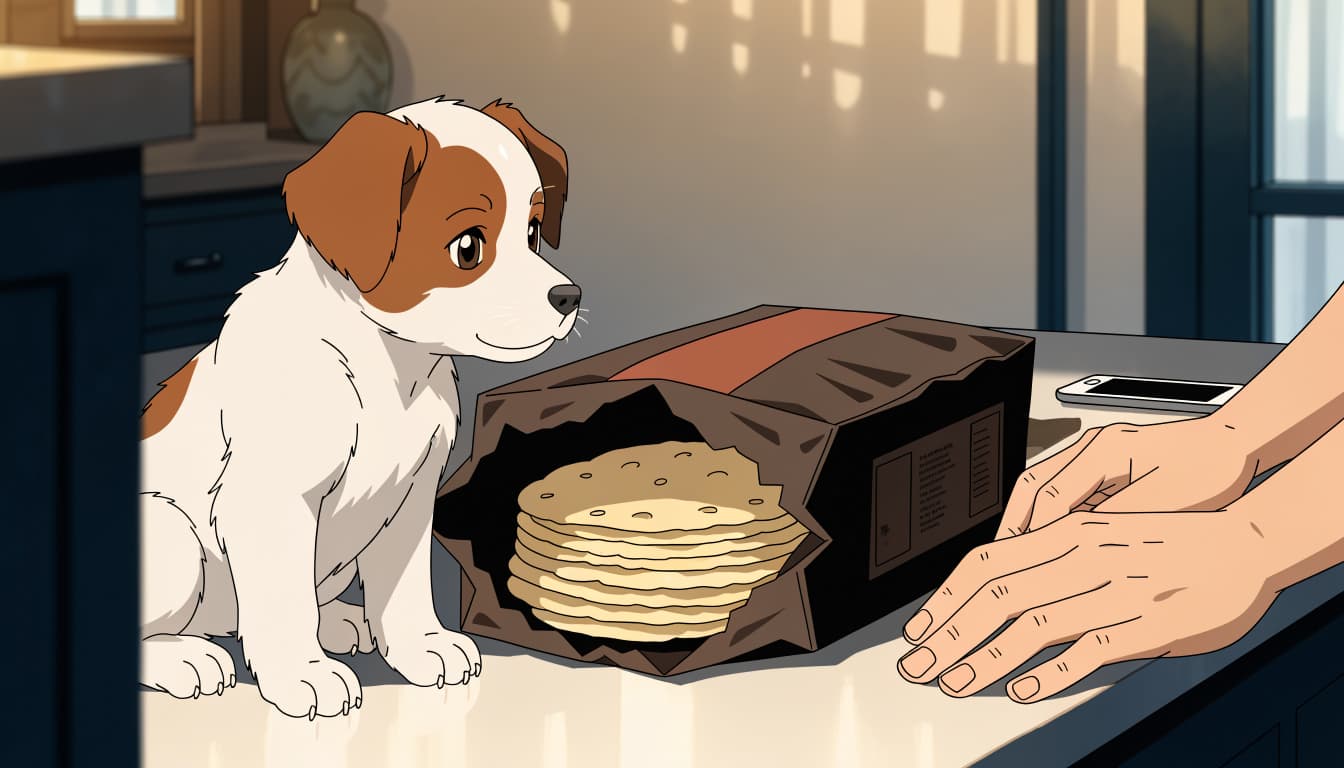
Write down your puppy's approximate weight, what was eaten, how much may be missing, and when it happened. If the tortilla contained onion or garlic, or you can't identify the ingredients, call your veterinarian promptly.
Watch for stomach upset and poisoning warning signs
Watch for drooling, vomiting, diarrhea, or signs of belly pain. Even mild stomach upset is worth discussing with your vet if you're concerned, your puppy seems uncomfortable, or you don't know what was eaten.
Get immediate veterinary care for breathing trouble, collapse, seizures, marked weakness, pale gums, repeated vomiting, or red-colored urine. Rapid breathing can also be a warning sign, especially after a suspected exposure to onion or garlic.
Your puppy may look normal at first, so don't use the absence of symptoms to dismiss a known toxin exposure. Call for advice about the ingredients and follow the instructions you receive.
Know when to call your veterinarian
If the amount, ingredients, or your puppy's condition are unclear, your vet can help you decide what happens next. Have your notes and the packaging nearby so you can answer questions without reconstructing dinner from memory.
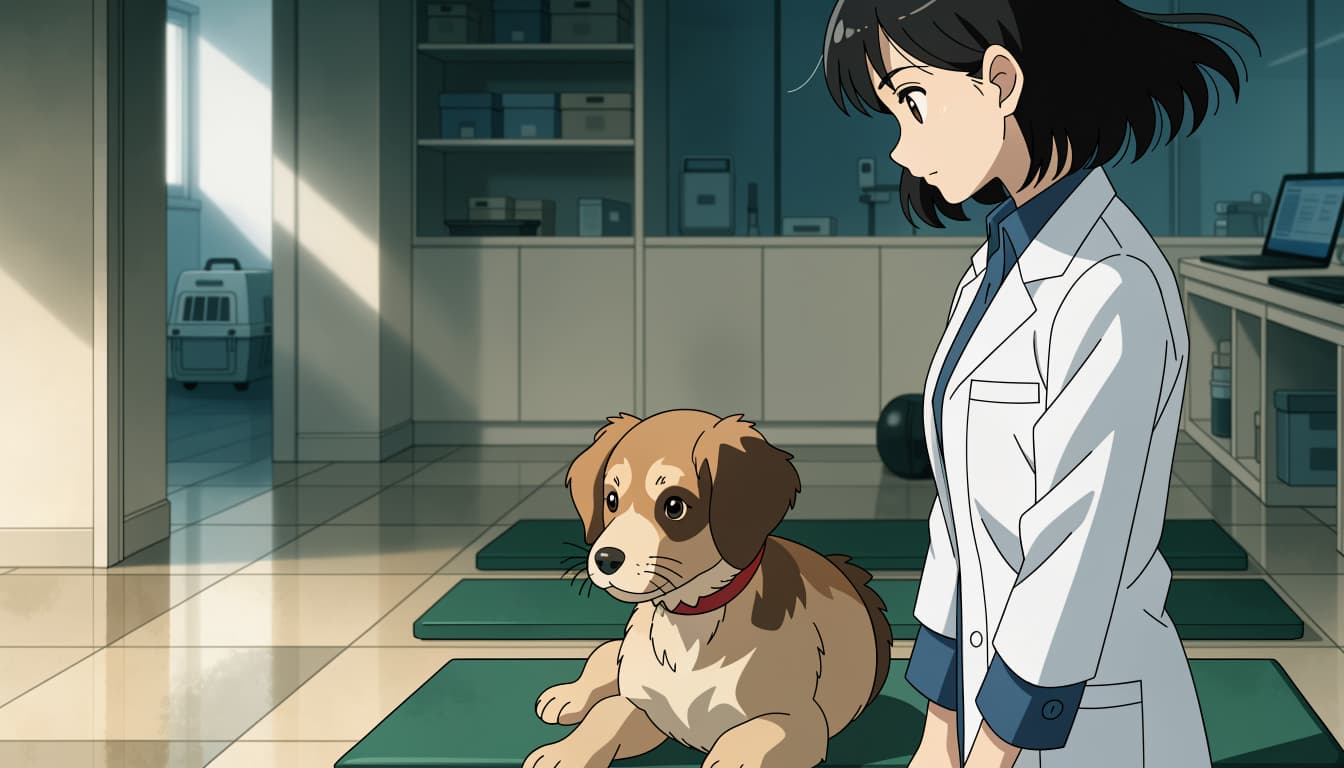
You can also contact Pet Poison Helpline at 855-764-7661 or 1-800-213-6680 for toxin guidance. If your puppy has severe symptoms, seek emergency veterinary care immediately rather than waiting for a callback.
Don't induce vomiting unless a veterinarian directs you to. A home remedy can create additional risks, and the right response depends on what your puppy ate and how they're doing.
Choose safer snacks that suit your puppy
You can reward your puppy without sharing your lunch. A few pieces of their regular kibble or a veterinarian-approved puppy treat fit more naturally into a feeding routine.
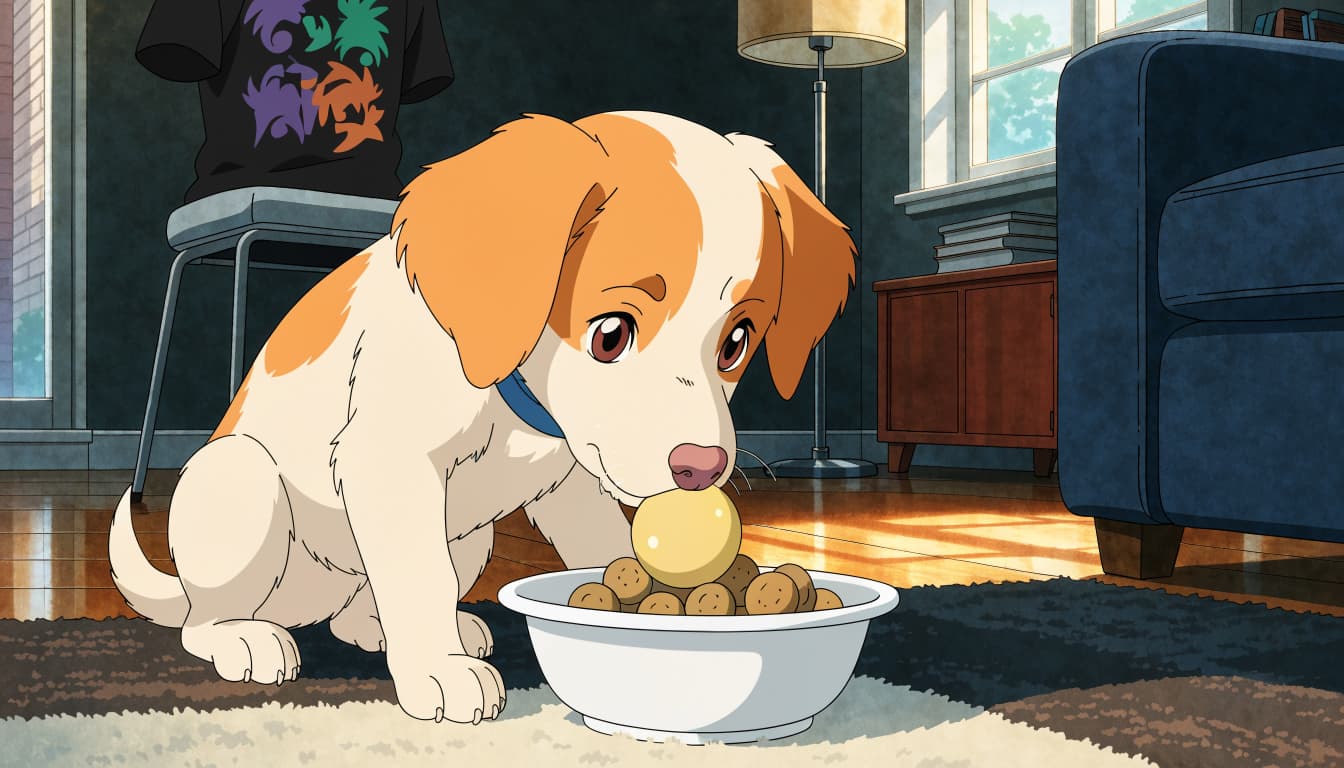
Make treats work with puppy meals
Set aside some of your puppy's measured daily kibble for training. That gives you a ready supply of rewards while keeping those pieces accounted for in the day's food intake.
If you use a separate puppy treat, keep pieces small and count them toward daily intake. Ask your veterinarian how treats fit your puppy's age, size, growth, and individual needs.
Human foods aren't automatically suitable because they're familiar to you. Preparation and the individual puppy matter, so ask your vet before adding a new food to the routine.
Your puppy's snack negotiations may be award-worthy. The regular meal plan still gets the final vote.
Streetwear & Casual Styling
Once the snack situation is handled, your dog-parent outfit can have its own personality. Our Cyber-Brutalist Anime Graphic Tees bring the internet humor, while jeans and sneakers keep the look easy for a casual day with your puppy.
Pair the If They Could Use Internet We'd Be In Trouble Tee with dark denim for a low-effort fit. For a louder dog-parent statement, style the Scream At Void My Human Understands Tee with relaxed jeans and your favorite sneakers.
Keep the tortilla on your plate and the puppy rewards in your pocket. Your outfit can handle the chaos; your puppy's stomach doesn't need to.
Frequently Asked Questions
Can puppies eat a small piece of plain tortilla?
A tiny accidental bite of plain, fully cooked tortilla is generally low risk for a healthy puppy. That doesn't make it a useful routine treat, and there isn't an established veterinary-approved portion. If you're unsure how much your puppy ate or what's in it, call your vet.
Are tortilla chips safe for puppies?
Tortilla chips often contain added salt or fat, so they aren't a good puppy snack. Seasoned chips may also contain onion or garlic powder. If your puppy ate a large amount or has symptoms, contact your veterinarian for advice.
Can puppies eat tortillas with cheese or salsa?
Avoid sharing tortillas with cheese or salsa. Cheese and other rich toppings may upset your puppy's stomach, while salsa can contain onion or garlic. If your puppy has already eaten a topped tortilla, check the ingredients and call your vet when you're unsure about the exposure.
Should you make your puppy vomit after a tortilla bite?
Don't make your puppy vomit unless a veterinarian specifically tells you to. Call for advice and describe the ingredients, amount, and timing. Seek immediate veterinary care if your puppy has severe symptoms such as breathing trouble, collapse, or seizures.
Keep the puppy snacks simple
A tiny plain tortilla bite usually isn't a reason to panic. Seasonings and toppings can change the situation, though, and tortillas don't meet your growing puppy's nutritional needs.
Stick with puppy food and appropriate treats for planned snacks. If a tortilla disappears, check the ingredients and call your veterinarian whenever you're unsure what your puppy ate or how they're doing.