

Can Puppies Have Marrow Bones? What to Know
TrendReactTees.STORE TeamCan puppies have marrow bones? The safest answer is no, whether the bone is raw or cooked. Hard bones can break teeth, and swallowed pieces can cause choking or internal injuries.
This post may contain affiliate links. If you make a purchase through these links, I may earn a small commission at no extra cost to you.
If your dog-parent wardrobe needs an upgrade, our Dog Eats Custom Kibble Tee and My Therapist Is a Dog Tee are made for humans who take their pet obsession seriously. For your puppy, a supervised, age-appropriate chew is a better choice.
Here's how to pick one and what to do if your puppy has already gotten hold of a bone.
Key Takeaways
- Skip raw and cooked marrow bones for puppies. Raw bones still present physical and bacterial hazards.
- Cooked bones can splinter, while any hard bone can damage teeth or break into pieces your puppy swallows.
- Choose a puppy-specific chew toy suited to your dog's size, and supervise every chewing session.
- Call your veterinarian promptly if your puppy swallows bone. Choking or trouble breathing requires immediate emergency care.
- Your veterinarian can help you choose a chew based on your puppy's teeth, health, and chewing habits.
Can puppies have marrow bones? The safest answer is no
A marrow bone might look like a natural way to keep your puppy occupied, but its risks aren't worth treating it as a puppy chew. Avoid cooked bones entirely. Cooking can make bones more brittle, increasing the chance of sharp splinters.
Raw bones avoid that cooking-related change, but they can still break teeth, cause blockages, and carry bacteria. The American Kennel Club's bone guidance also discusses hazards to consider before giving a dog a bone.
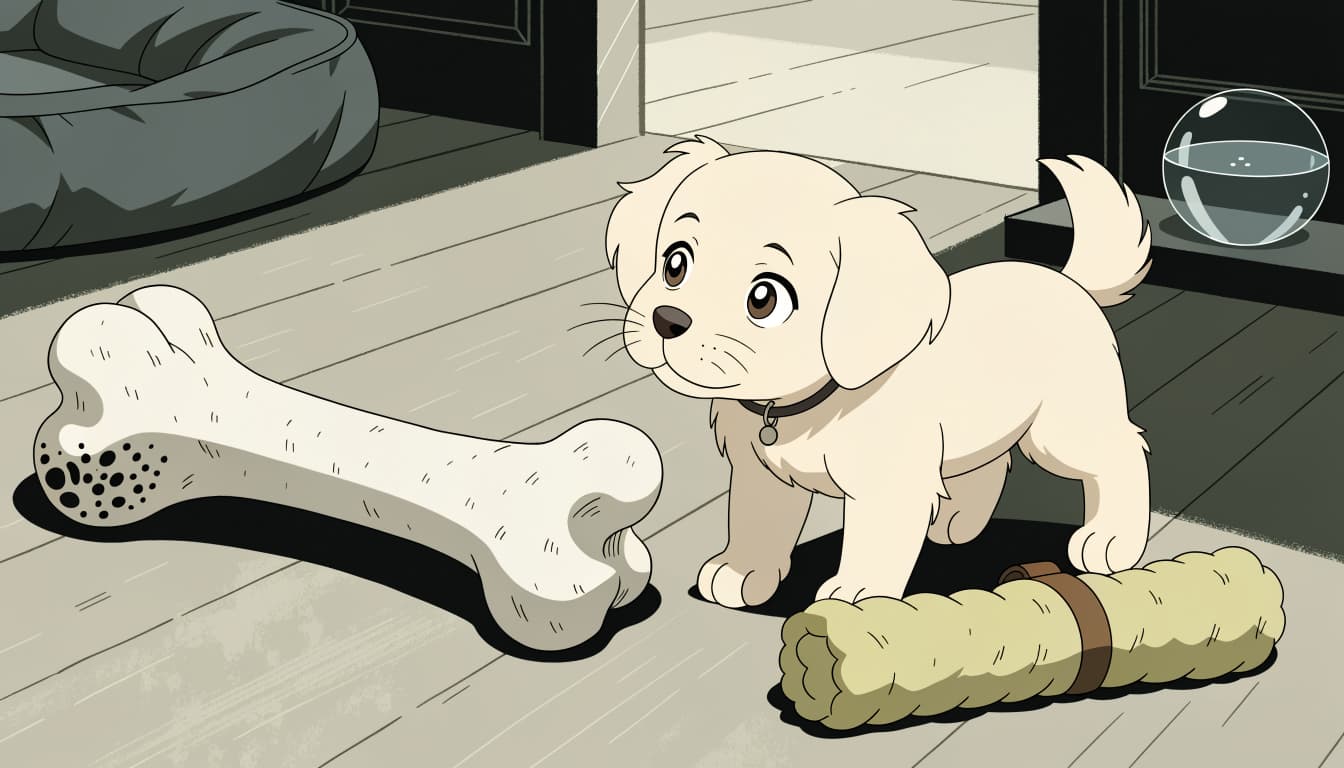
Why a hard bone can crack a puppy's teeth
A bone that's harder than your puppy's teeth can cause a fracture when your puppy bites down. The damage may be difficult to spot, especially toward the back of the mouth.
A fractured tooth can be painful and may need veterinary treatment. If you notice a chipped tooth, bleeding, or a change in how your puppy eats, call your veterinarian. Don't assume your puppy will make a dramatic announcement about a sore tooth.
How bone pieces can cause choking or internal injury
A sharp piece can cut your puppy's mouth or throat. A swallowed fragment can also become stuck or damage the stomach or intestines. A blockage may need urgent treatment.
Round bones have another problem: They can become trapped around a dog's lower jaw. If that happens, contact a veterinarian immediately rather than forcing the bone off yourself.
Raw marrow still has risks, including bacteria and rich fat
Raw bones can carry bacteria, including Salmonella, E. coli, and Listeria. Handling the bone can spread contamination to surfaces and hands as well as expose your puppy.
Marrow is also rich in fat. If you're considering offering it separately, ask your veterinarian whether it suits your puppy's diet and health needs. Finishing teething doesn't make the bone safe, either. There's no established age when those hazards disappear.
Choose a safer chew for your puppy's age and size
Puppies need appropriate outlets for chewing. Look for a puppy-specific toy, such as a soft rubber option sized for your dog, rather than reaching for a marrow bone.
The right choice depends on more than a cute package. Your puppy's size, teeth, and chewing style matter, and no toy is risk-free.
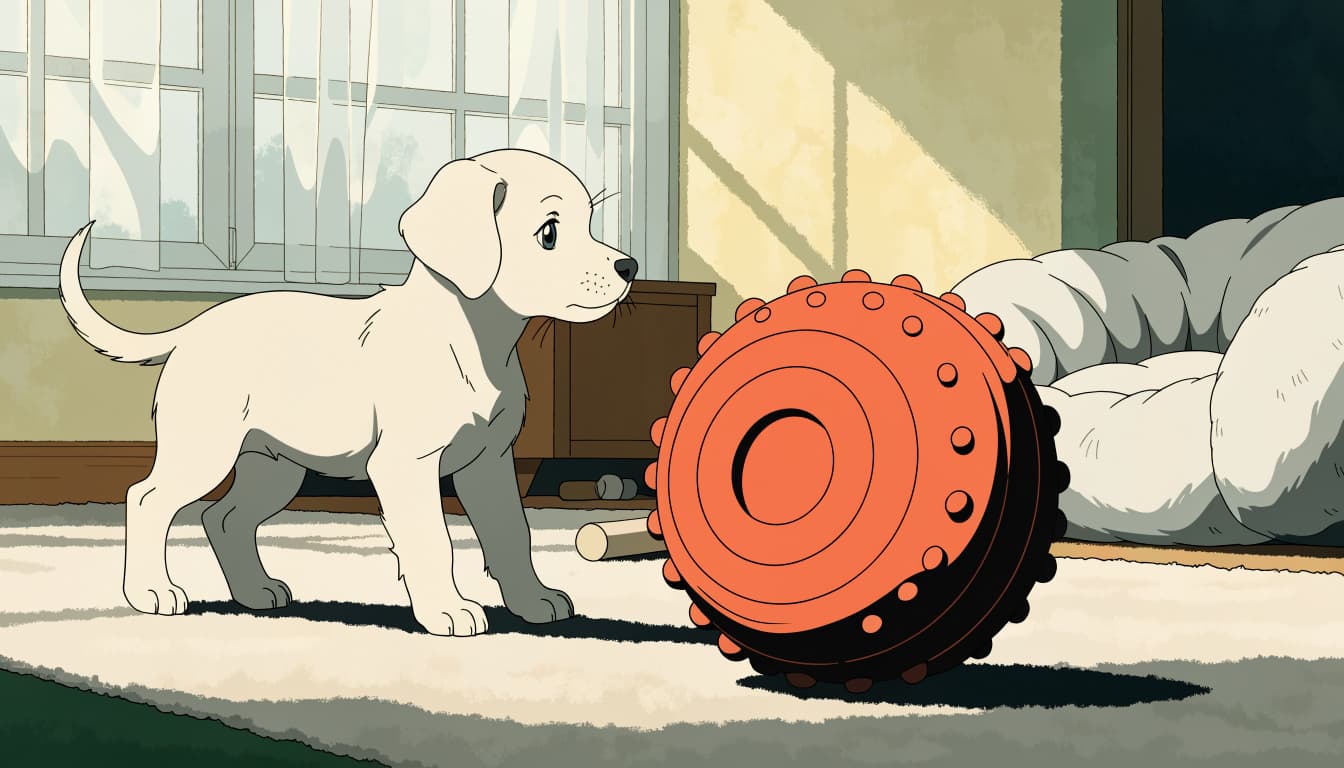
Check the chew while your puppy uses it
Follow the maker's age and size guidance, and choose a toy that isn't small enough for your puppy to swallow. Watch how your puppy uses it, especially during the first few sessions. A chew that suits a gentle nibbler may not hold up to a determined little demolitions crew.
Take the toy away if it cracks, breaks, or becomes damaged. Remove loose pieces before your puppy can swallow them, and replace a toy when it becomes too small.
Supervision matters even when a toy is labeled for puppies. If you need to leave the room, put the chew away until you can watch again. A few minutes of observation can also tell you whether your puppy is enjoying the toy or trying to tear it apart.
Ask your veterinarian about individual needs
Bring your questions to your puppy's next veterinary visit, or call sooner if you're unsure about a chew. Tell your veterinarian your puppy's age, approximate size, health concerns, and whether they tend to nibble, gnaw hard, or swallow pieces.
Mention any sore teeth or trouble eating. Your veterinarian can help you choose an appropriate option without relying on a generic age cutoff.
Chews also don't replace regular tooth brushing. Ask about a dental-care routine suited to your puppy, including how to introduce dog toothpaste and when to have teeth checked.
What to do if your puppy chews or swallows a marrow bone
If your puppy gets hold of a bone, stay calm and remove access to any remaining pieces if you can do so safely. You don't need to solve the whole situation yourself.
Seek emergency veterinary care immediately for choking, trouble breathing, inability to walk, or sudden severe distress. Call the emergency clinic while you're on your way if someone else can make the call.
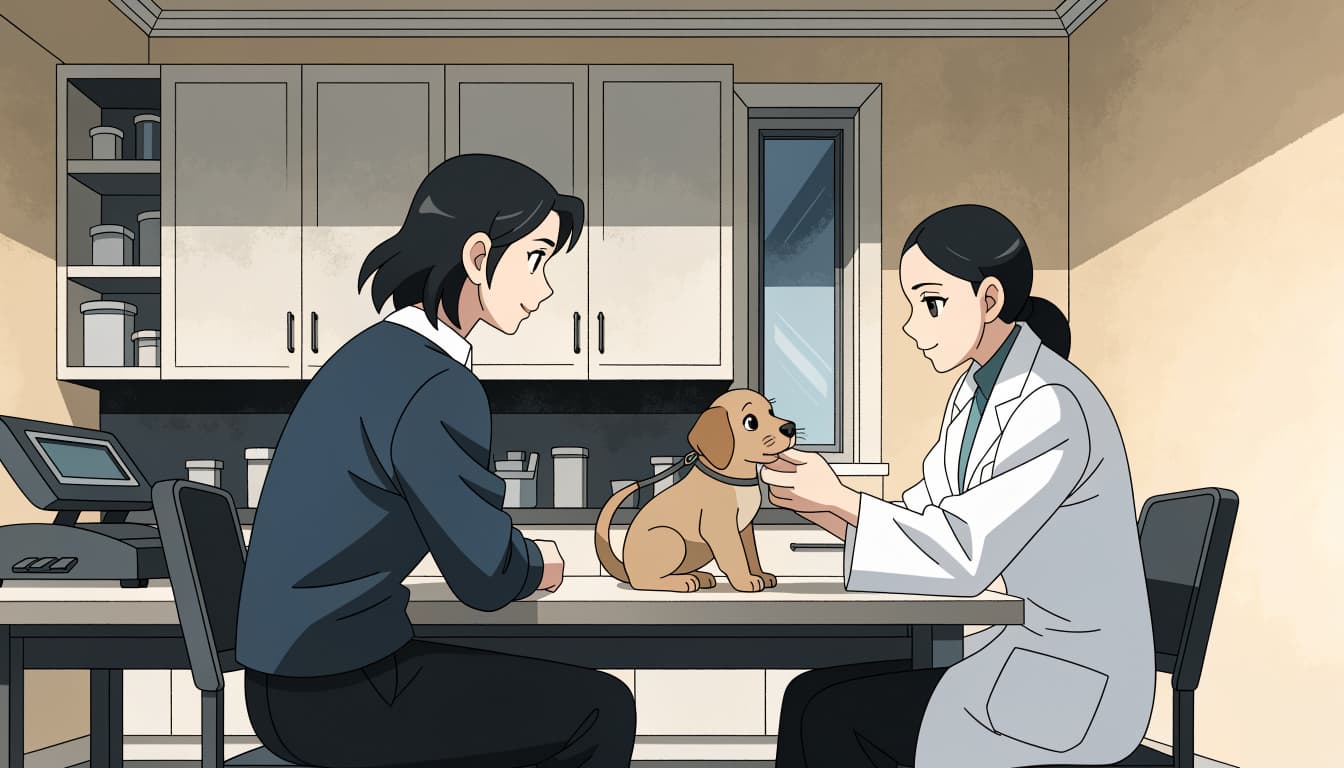
Contact your veterinarian promptly
If your puppy swallowed bone, call your veterinarian promptly, especially if the bone was cooked. The AKC's cookout food safety advice warns against giving dogs cooked bones.
Be ready to describe the bone, whether it was raw or cooked, when the incident happened, and how much may be missing. If you're unsure what was swallowed, say so. Your veterinarian can decide what care your puppy needs.
Don't induce vomiting or give human pain medicine unless a veterinarian directs you to do so. Avoid home fixes that could delay the right care.
Watch for warning signs after a bone incident
Call your veterinarian promptly if you notice repeated vomiting, belly pain, trouble passing stool, blood, unusual tiredness, or loss of appetite. These signs can point to injury or a blockage, so don't manage them by waiting without veterinary guidance.
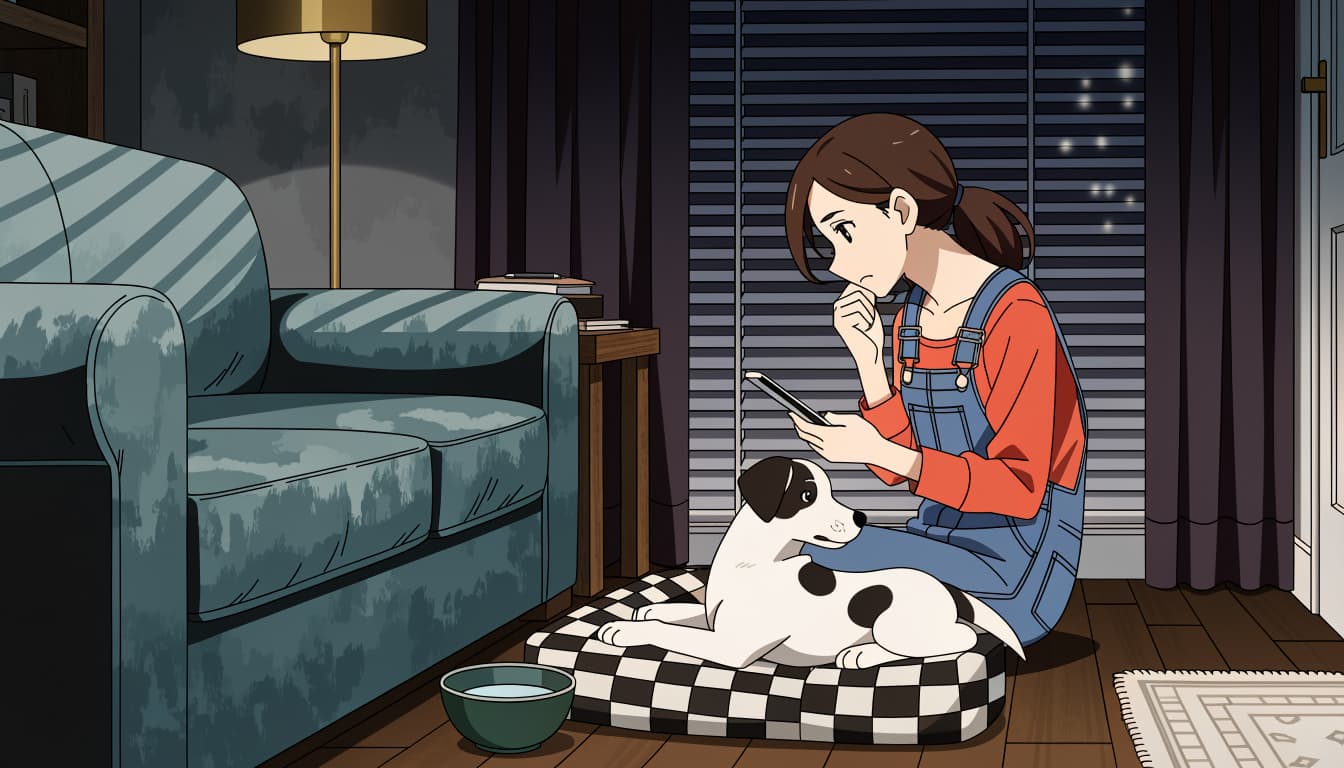
Your puppy may seem comfortable at first, which is why reporting a suspected ingestion matters even before symptoms appear. Follow your veterinarian's instructions about what to watch for and when your puppy needs an examination. If breathing becomes difficult or your puppy is in sudden severe distress, head to emergency care.
Streetwear & Casual Styling
Your puppy's chew choices and your wardrobe are separate decisions. Your outfit, however, can absolutely announce that a dog runs your household.

For an easy Cyber-Brutalist Anime Graphic Tee fit, pair the If They Could Use the Internet We'd Be in Trouble Tee with relaxed dark jeans and black-and-white skate shoes. Add a simple jacket when you want another layer, and let the graphic do the talking.
The Scream at the Void My Human Understands Tee works with the same outfit if your taste runs toward high-volume husky energy. Pick the design that matches your sense of humor, then keep the rest of the look comfortable and uncomplicated.
Frequently Asked Questions
Are marrow bones safer when they are raw?
Raw bones avoid some cooking-related splinter risk, but they aren't a safe puppy chew. Your puppy can still fracture a tooth, choke, swallow a fragment, or encounter harmful bacteria. Skip the bone and ask your veterinarian about a suitable alternative.
Can puppies lick the marrow without chewing the bone?
Marrow is rich in fat and can upset some dogs' stomachs. Ask your veterinarian before offering it, particularly if your puppy has health concerns or needs a restricted diet. Licking also keeps your puppy close to a hard bone you want them to avoid chewing.
Does finishing teething make a marrow bone safe?
No. Adult teeth can still fracture on hard bones, and swallowing fragments or exposure to bacteria remains a concern. You can't rely on a birthday or the end of teething as a safety cutoff.
What if my puppy only chewed the bone briefly?
A short chew doesn't guarantee that your puppy avoided injury or swallowed nothing. Contact your veterinarian for advice if fragments may be missing or if you notice concerning signs. Describe what happened, including whether the bone was cooked, so your veterinarian can guide you.
Give Your Puppy a Better Chew
You don't need a marrow bone to give your puppy something satisfying to chew. Choose a puppy-appropriate toy, watch how your puppy uses it, and replace it when it becomes damaged.
If your puppy may have swallowed bone or shows warning signs, contact your veterinarian. With a safer chew and a little supervision, your puppy can get back to the important business of being an adorable agent of chaos.