

Can Puppies Eat Beef Jerky? What to Do After a Bite
TrendReactTees.STORE TeamPuppies should not eat human beef jerky. A tiny bite won't always cause illness, but the risk depends on the ingredients, the amount eaten, and your puppy's size.
If your puppy got into your snack, you don't need to panic. You do need the package, a clear idea of what happened, and veterinary advice when the ingredients or amount raise concern.
This post may contain affiliate links. If you make a purchase through these links, I may earn a small commission at no extra cost to you.
For the humans who have accepted that their dog's needs outrank their own snack budget, our Dog Eats Custom Kibble Living On Ramen Tee and My Therapist Is A Dog Tee understand the assignment. Your puppy's actual food choices deserve a closer look.
Key Takeaways
- Human beef jerky isn't a recommended puppy treat because it can be salty, heavily seasoned, and difficult to chew.
- Onion and garlic, including powdered forms, can harm dogs. Signs of red blood cell damage may appear later.
- Save the package and call a veterinarian promptly if the ingredients or amount eaten are uncertain.
- Breathing trouble, collapse, seizures, pale gums, and repeated vomiting require emergency veterinary care.
- Choose appropriately sized puppy treats or small pieces of plain, fully cooked beef when suitable for your puppy.
Can puppies eat beef jerky? Here's why it's best to say no
No, you shouldn't give your puppy beef jerky made for people. The word "beef" might make it sound like a straightforward treat, but human jerky often comes with a supporting cast of salt, spices, and other ingredients your puppy doesn't need.
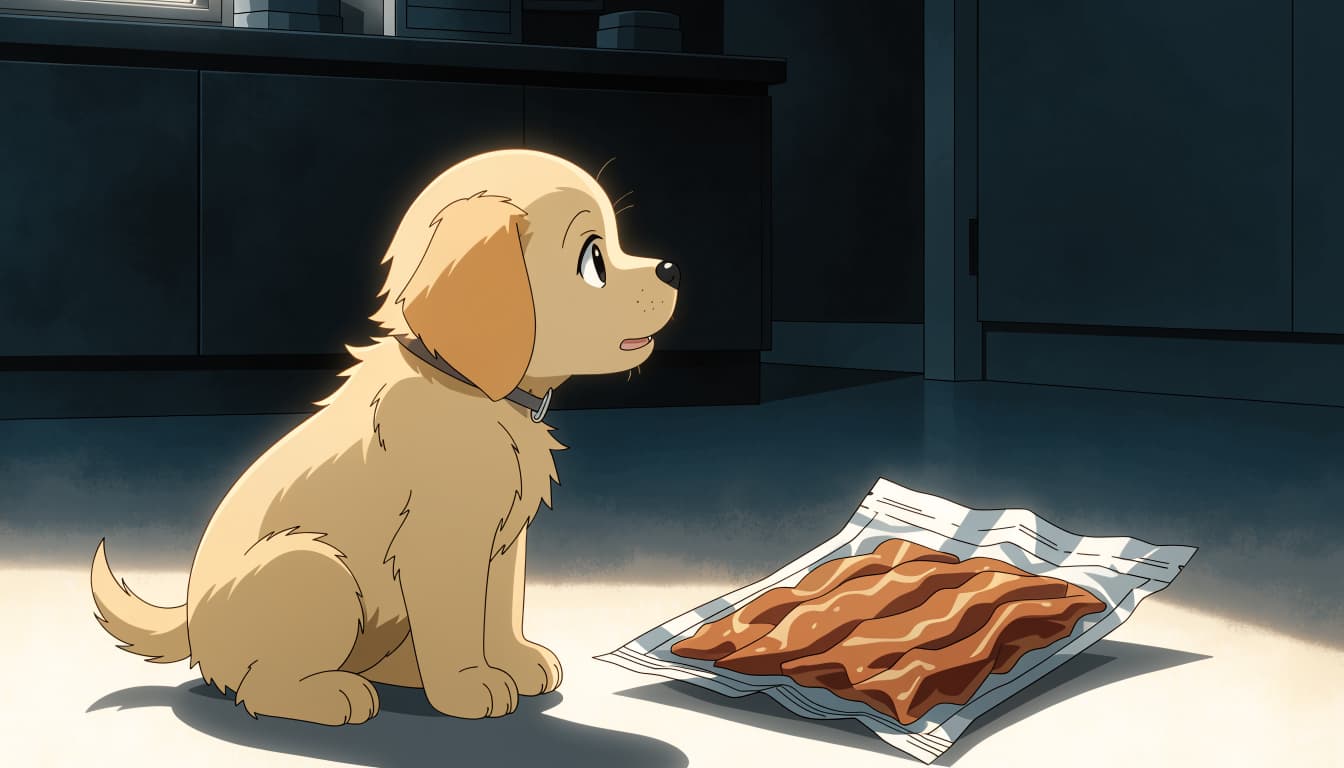
Jerky is also dried and chewy. A piece that feels manageable in your hand can be harder for a small puppy to chew, swallow, or pass. That makes it a different proposition from a small piece of plain, fully cooked beef.
If your puppy stole a crumb, that doesn't automatically mean an emergency is unfolding. The ingredient list matters, along with how much went missing and how much your puppy weighs. When you aren't sure, a vet or animal poison-control professional can help you assess the situation.
The ASPCA Poison Control Center is one resource you can call about a possible exposure. Keep the jerky package nearby so you can give the team useful details instead of relying on memory.
For a closer look at onion and garlic exposure, veterinarian Dan discusses what to expect and what to do:
What makes beef jerky risky for a puppy?
Human jerky isn't made with a puppy's body size or nutritional needs in mind. Its seasoning and texture are the main reasons to keep the bag out of reach.
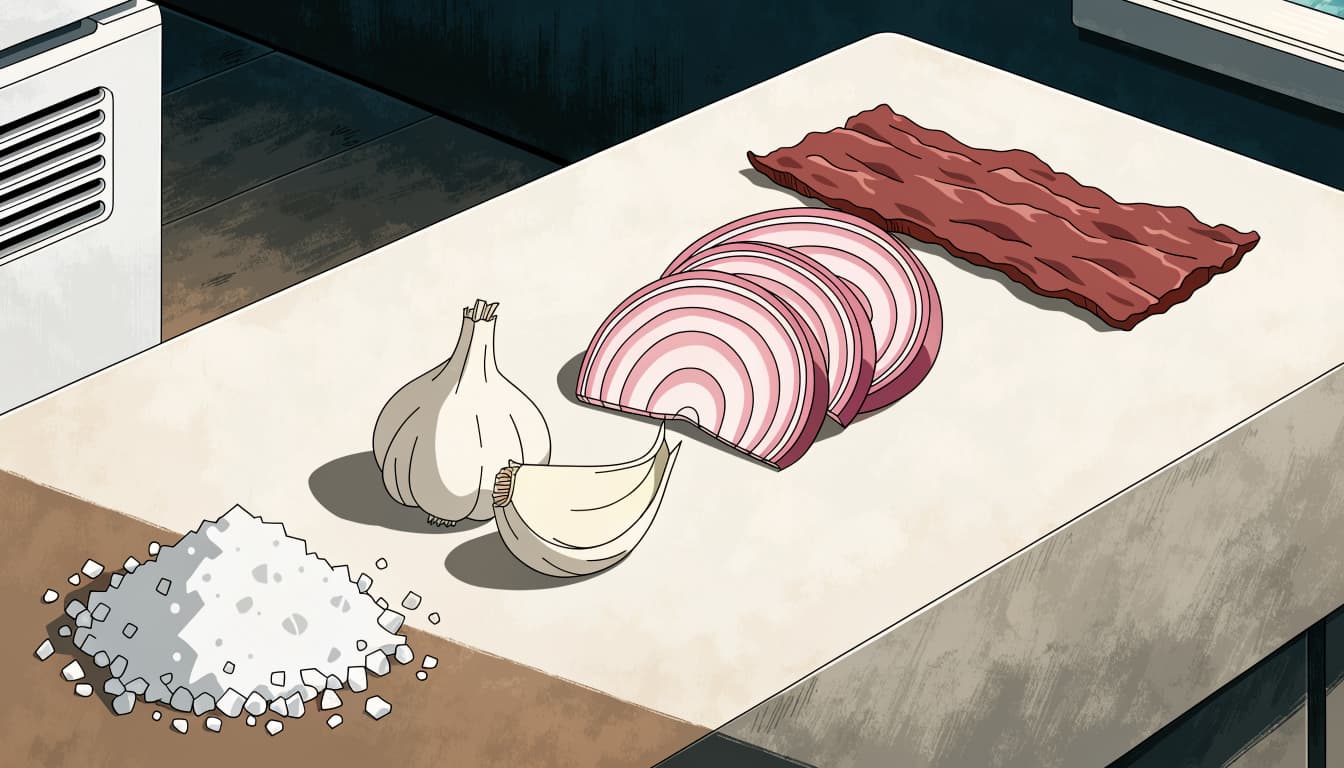
Salt and seasonings can upset or harm your puppy
Jerky can contain a lot of salt for a small animal. Excessive salt intake can disrupt the balance of sodium in the blood and cause serious illness. The risk depends on how much your puppy ate and their size.
Check the ingredient list for onion and garlic, including onion powder and garlic powder. These ingredients can irritate the digestive tract. With harmful exposure, they can also damage red blood cells and cause anemia.
The seasoning doesn't need to look like a chunk of onion or a garlic clove to matter. Powdered ingredients count, too. Other spices may upset your puppy's stomach, so share the complete label with your veterinarian rather than focusing on one ingredient.
If the package lists a seasoning blend without breaking down every component, treat that uncertainty as useful information for the vet. The flavor name on the front won't tell you everything your puppy ate.
Tough pieces can cause choking or a blockage
A puppy that gulps a large, chewy piece may have trouble swallowing it. Choking is an immediate concern, and a piece that makes it into the digestive tract could cause a blockage.
Your puppy's enthusiasm for snacks is impressive. Their judgment about what fits in their mouth is another matter. Keep jerky out of reach, especially if your puppy tends to swallow food quickly.
My puppy ate beef jerky: what should I do now?
First, remove the remaining jerky so your puppy can't grab an encore. Keep the package, including the ingredient list, and gather the details a veterinary professional will need.
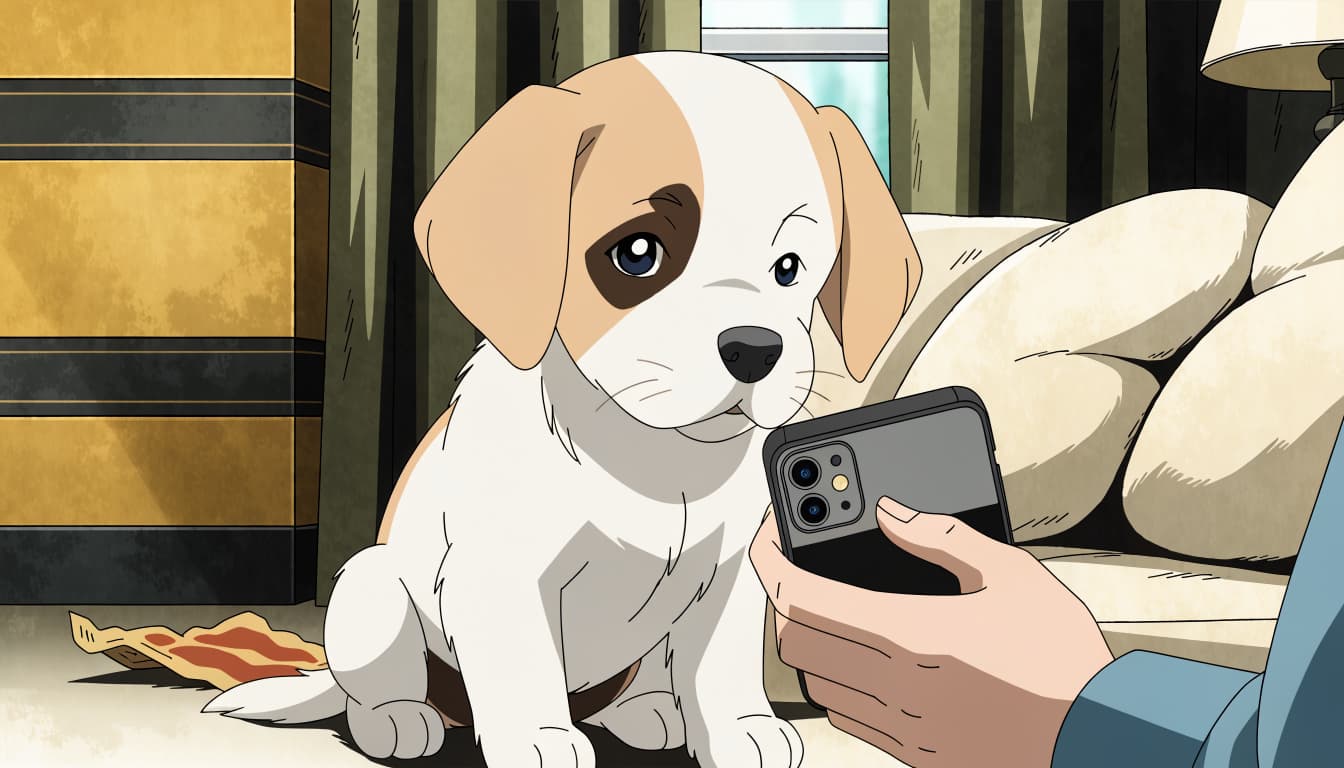
Note your puppy's weight, the estimated amount eaten, and when it happened. If you don't know the exact amount, say so. An honest estimate or an unknown is more useful than a confident guess.
Know when to call your vet or poison control
Call a veterinarian promptly if the jerky contains onion or garlic, you don't know the ingredients or amount, or your puppy is small. You can also contact an animal poison-control service for guidance.
The American College of Veterinary Pharmacists' poison-control listing includes these US numbers:
- ASPCA Animal Poison Control Center: (888) 426-4435
- Pet Poison Helpline: (855) 764-7661
Fees may apply. Have the package and your notes ready, but don't delay the call if you can't find every detail. The ASPCA's guide to poison-control calls describes the information its team may ask you to provide.
Go to an emergency vet for breathing trouble or collapse
Seek emergency veterinary care for choking, difficult or labored breathing, collapse, seizures, marked weakness, pale gums, or repeated vomiting. Call the emergency clinic as you head there if you can do so safely.
Don't wait for symptoms if your puppy may have eaten a concerning ingredient. And don't put your fingers in a choking dog's mouth. You could be bitten or push an object farther back.
Which symptoms should you watch for after a puppy eats jerky?
You might notice drooling, nausea, vomiting, diarrhea, belly pain, or a refusal to eat after your puppy eats something irritating. These signs can have different causes, so contact your veterinarian rather than trying to diagnose the problem at home.
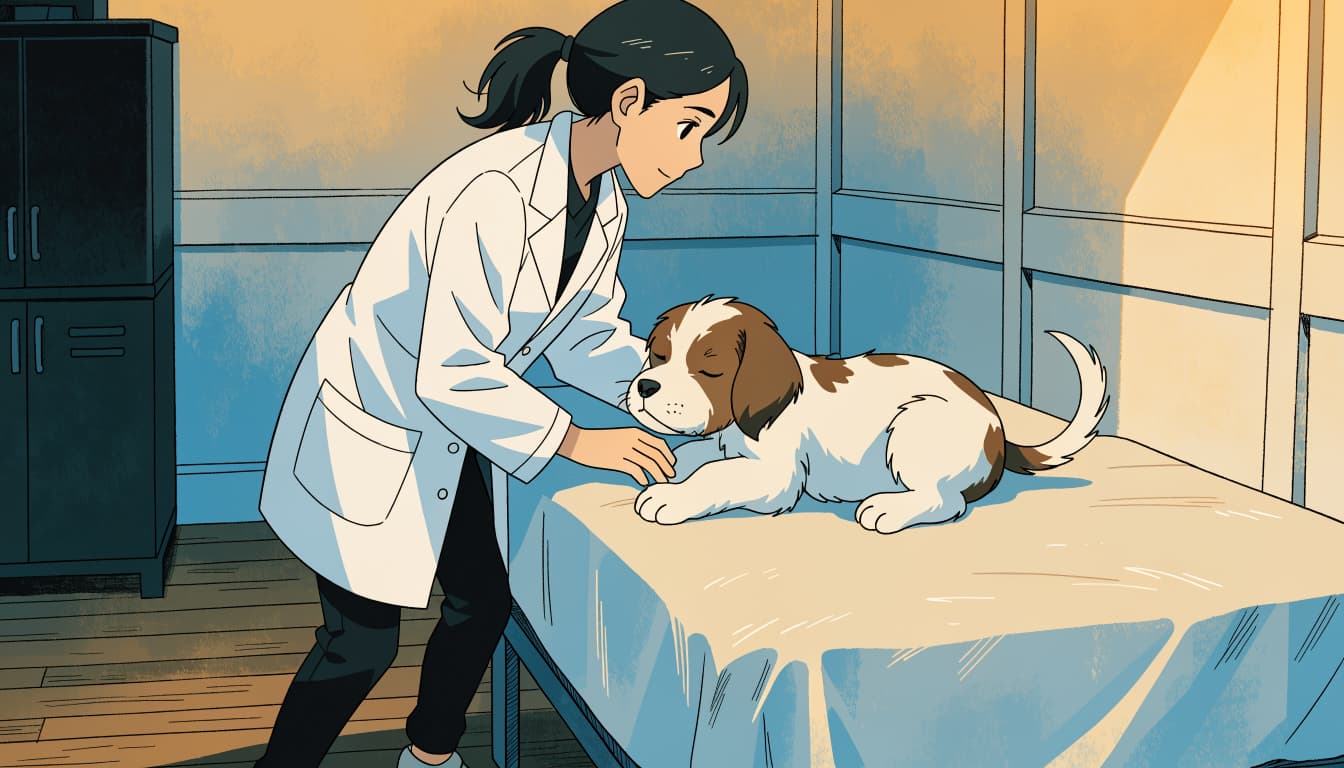
Tell the vet when the signs started and whether they've changed. For example, a puppy who vomits repeatedly needs emergency attention, not another round of waiting to see how the evening goes.
Onion or garlic exposure can also lead to weakness, pale gums, a fast heartbeat, or changes in breathing. These signs may appear later, so a puppy who looks fine immediately after eating jerky isn't necessarily in the clear.
A normal first few hours don't rule out a problem after onion or garlic exposure. Call for advice while the package and timing are fresh in your mind.
Follow the monitoring plan your veterinarian gives you. If your puppy develops an emergency sign or gets worse, seek emergency care rather than waiting for a scheduled update.
You know your puppy's usual energy and appetite better than a snack label does. Share any change you notice, even if you aren't sure whether it's connected to the jerky. That context helps your veterinary team decide what happens next.
Choose safer treats for your growing puppy
Your puppy can still have rewards. The goal is to make them appropriate for a growing dog, easy to portion, and suited to your puppy's individual needs.
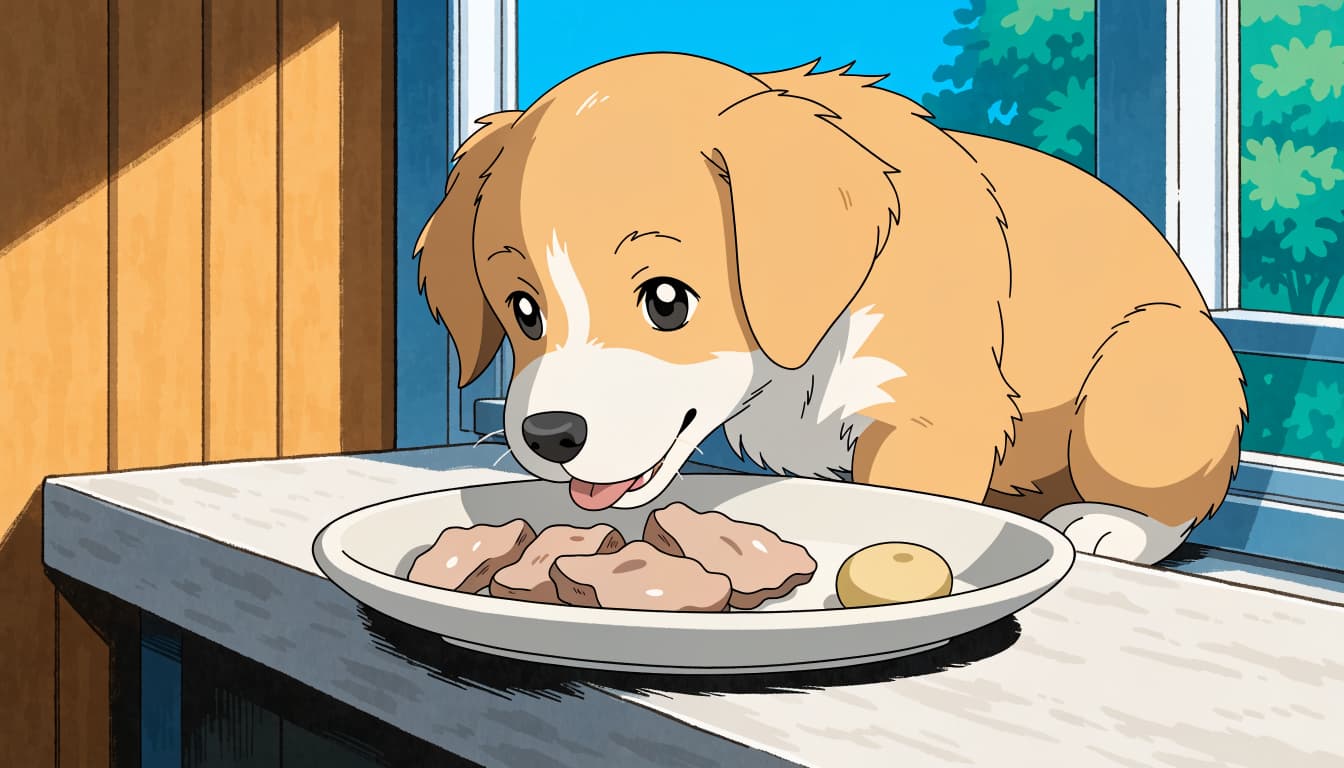
Pick small, appropriate bites
Small pieces of plain, fully cooked, unseasoned beef can be an option if beef suits your puppy. Skip sauces, salt, and seasoning. Cut the meat into pieces appropriate for your puppy's size, and supervise while they eat.
Puppy-formulated treats are another option. Read the ingredients and choose a size and texture your puppy can manage. A dog on the package doesn't automatically make a treat right for every puppy.
Ask your veterinarian about treats if your puppy has health concerns, dietary restrictions, or a sensitive stomach. Keep treats within their daily food intake rather than adding an unlimited snack expansion pack.
Measured meals and a balanced puppy diet do the nutritional heavy lifting. Your puppy's argument for a second handful may be persuasive, but it isn't a meal plan.
Streetwear & Casual Styling
Once the snacks are sorted, your dog-walk outfit can have its own personality. Pair our Scream At Void My Human Understands Tee with relaxed jeans and sneakers for a casual look with a little husky energy.
For another pet-parent fit, style the If They Could Use Internet We'd Be In Trouble Tee with dark joggers and a light jacket. Our Cyber-Brutalist Anime Graphic Tee style brings the online humor. You bring the puppy-safe treats.
Frequently Asked Questions
Can puppies eat dog-specific beef jerky?
Dog-specific jerky can differ from jerky made for people, but you still need to consider your puppy's age, size, and diet. Read every ingredient and ask your veterinarian if the label or the treat's suitability is unclear. Choose a piece your puppy can manage and supervise them while they eat.
Is plain beef jerky safe if it has no onion or garlic?
Human jerky without onion or garlic still isn't a recommended puppy treat. Salt, other seasonings, portion size, and the tough texture can remain concerns. Plain, fully cooked, unseasoned beef is a different option if it suits your puppy.
How much beef jerky is dangerous for a puppy?
There isn't one amount that can be called safe for every puppy. Your puppy's size, the ingredients, and the quantity eaten all affect the risk. Contact your veterinarian or a poison-control service with the package details for advice about your situation.
Should I make my puppy vomit after it eats jerky?
No, unless a veterinarian or poison-control professional specifically tells you to do so. Home remedies can create additional risks, and the right response depends on what your puppy ate and their condition. Call for professional guidance before giving your puppy anything.
Keep the jerky for yourself
Human beef jerky belongs on your snack list, not your puppy's treat menu. Choose appropriately sized puppy treats or plain cooked beef when it suits your dog, and count those extras as part of their daily intake.
If your puppy gets into jerky, save the label and call a veterinary professional when the ingredients or amount raise concern. Prompt advice is safer than waiting for signs to appear.