

Can You Use Baby Wipes on Puppies?
TrendReactTees.STORE TeamYou can use one plain, unscented, alcohol-free baby wipe on a healthy puppy in a pinch, but human wipes aren't a good everyday choice. Puppies lick their paws and coats, so they may swallow wipe residue, and products made for people can irritate a puppy's sensitive skin.
For regular spot cleaning, reach for a soft cloth dampened with plain water or a wipe labeled for dogs or puppies. If puppy duty is already part of your personality, our My Therapist Is A Dog Tee and Dog Eats Custom Kibble Living On Ramen Tee bring a little pet-parent humor to your outfit.
This post may contain affiliate links. If you make a purchase through these links, I may earn a small commission at no extra cost to you.
Key Takeaways
- Human baby wipes aren't ideal for your puppy's regular cleanup.
- One use of a simple, unscented, alcohol-free wipe isn't automatically an emergency.
- A clean cloth and plain water are a good first choice for small messes.
- Check dog-wipe ingredients and stop if your puppy develops irritation.
- Rinse residue away, and contact a vet about symptoms or possible ingestion.
Can You Use Baby Wipes on Puppies?
For a quick cleanup, a single wipe is unlikely to cause serious harm to a healthy puppy if it's plain, unscented, and alcohol-free. But that doesn't make human baby wipes a smart everyday grooming product. They're made for people, not puppies, and human and canine skin differ in ways that can affect how well a product suits your dog.
The other issue is what happens after the wipe. Your puppy may lick a paw or groom a damp patch of fur and swallow some residue. That doesn't mean every wipe is poisonous; it does mean you should avoid routine exposure to products that weren't designed for your puppy.

Why an occasional wipe is different from a daily habit
One spot-cleaning after a muddy walk is a different situation from wiping your puppy down every day. Repeated use increases exposure to the product's ingredients and may dry or irritate skin, particularly if your puppy already has a sensitivity.
For day-to-day paw or coat cleanup, make water and a clean cloth your default. Keep a dog-labeled wipe for the moments when you're away from home or need a portable option. That simple routine avoids turning a human product into a recurring part of puppy care.
Which baby-wipe ingredients call for extra caution?
Read the full label before using any wipe. Fragrance, including ingredients listed as "parfum," may bother sensitive skin. Avoid wipes with ethanol or isopropyl alcohol, which can sting irritated skin and may dry it out. Be cautious with essential oils, especially tea tree oil.
Added lotions and antibacterial formulas can bring extra ingredients your puppy may lick off. A preservative on a label doesn't automatically mean a product is harmful; don't assume every preservative is dangerous. If your puppy has known sensitivities or has licked a product that worries you, ask your veterinarian for advice.
What Should You Use to Clean Your Puppy Instead?
For small, everyday messes, start with a clean, soft cloth dampened with plain water. It's a practical choice for muddy paws, a dirty patch of coat, or a small bit of food around the muzzle. Wipe gently, then dry the area so damp fur and skin don't stay tucked between toes or folds.
A dog- or puppy-labeled wipe can be handy in a car, on a walk, or in your travel bag. Still, "made for dogs" doesn't guarantee that every formula will suit every puppy. Read the ingredient list, follow the product directions, and stop using it if you notice a reaction.
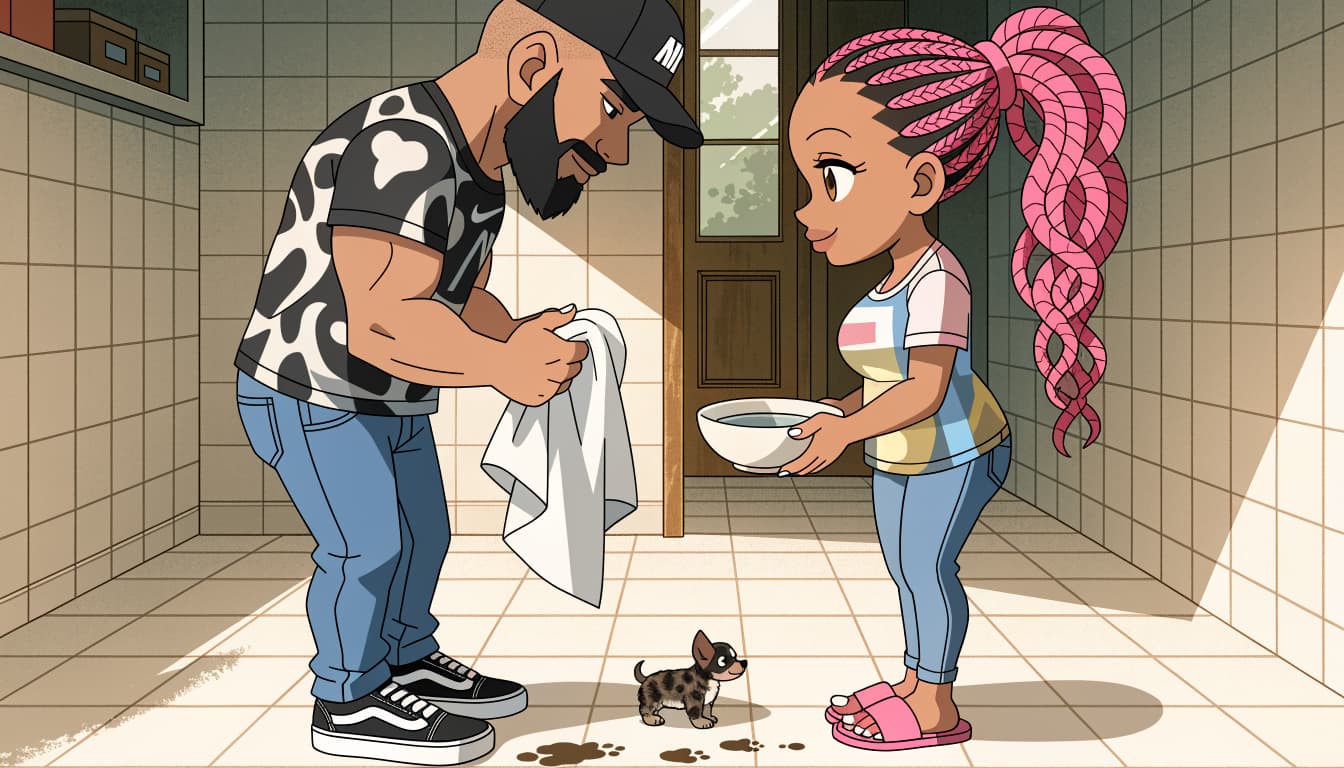
Use a damp cloth for paws, faces, and small messes
Wet a clean cloth with plain water and wring it out so it's damp, not dripping. Wipe the dirty spot gently, using a fresh section of cloth as you move to avoid spreading grime back over the area. For paws, check between the toes, where mud and bits of debris like to hide.
Use a separate clean cloth for the face, and avoid wiping directly into the eyes or nostrils. When you're done, pat the area dry with a towel. The goal is to remove surface dirt, not scrub your puppy like you're trying to erase a boss-level stain.
Choose dog wipes with your puppy in mind
Look for wipes labeled for dogs or puppies, then read the ingredients rather than relying on the front of the package. Follow the label's directions and keep the wipe away from areas the product says to avoid. If your puppy develops redness, itching, or other irritation, stop using it.
A pet label isn't a personal guarantee for your puppy's skin. If your puppy has a skin condition, known sensitivity, or a history of reacting to grooming products, ask your veterinarian what's appropriate.
How to Clean Your Puppy Without Irritating Their Skin
Keep spot-cleaning gentle and brief. Wipes are for small, surface-level messes; they aren't a replacement for a bath when your puppy's coat is dirty all over. Use a dog-appropriate shampoo for bathing and follow its directions.
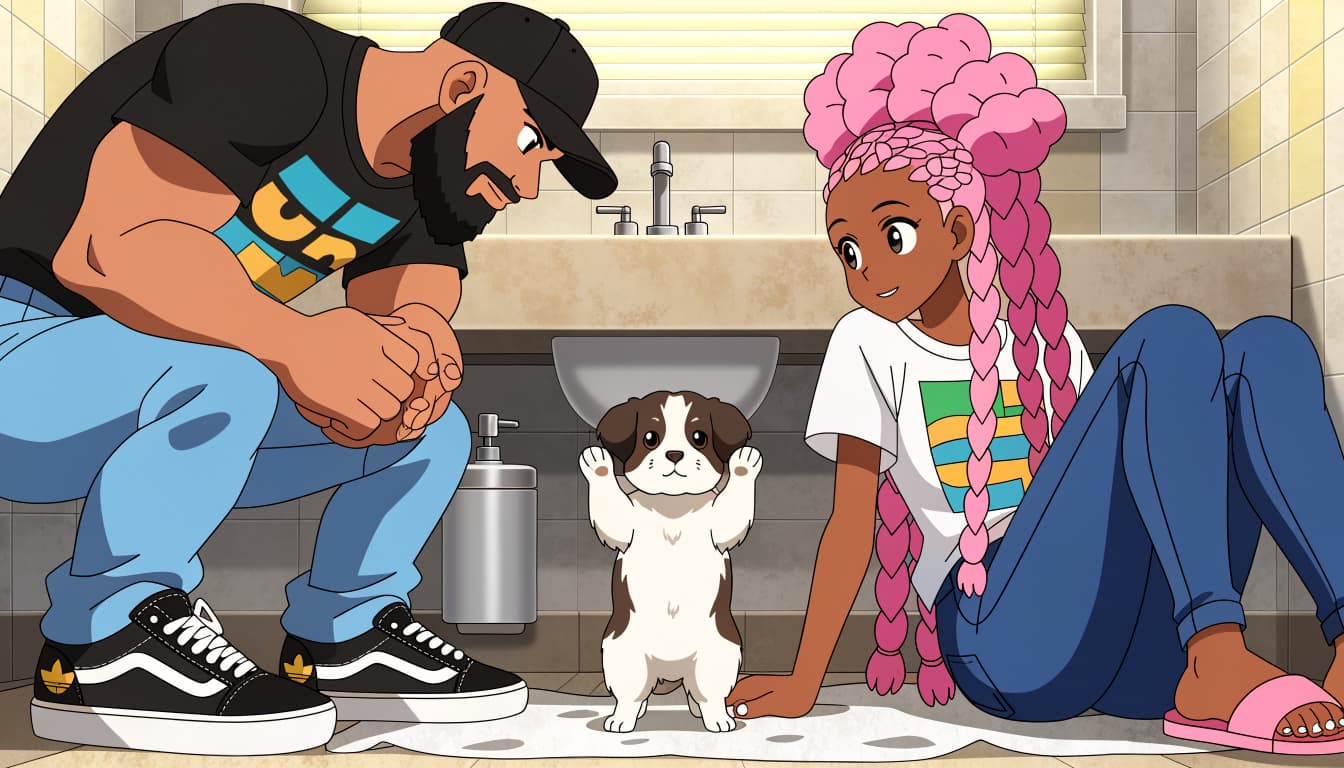
Follow a simple spot-cleaning routine
- Check the skin and coat first. Look for redness, cuts, or anything caught in the fur.
- Use a water-dampened cloth or a suitable dog wipe, and clean only the dirty area.
- Wipe gently. Don't scrub, pull at tangles, or keep rubbing a spot that seems sore.
- Pat the coat and skin dry with a clean towel.
- If the product leaves residue, prevent licking until you've removed it, if practical.
After a muddy walk or a trip through vegetation, a quick coat check can help you spot debris, tangles, or changes in the skin beneath the hair. Brushing can remove loose hair and dirt, but don't use a wipe to treat a skin problem.
Keep wipes away from eyes, ears, and broken skin
Avoid wiping the eyes, inside the ears, or any red, broken, or weeping skin. Sensitive spots need careful handling, and a wipe can make irritation worse. If your puppy has a sore area or can't tolerate normal handling, ask your veterinarian how to clean it safely.
Wipes also shouldn't replace a bath when dirt covers a large area of the coat. Use a product intended for dogs when bathing, and ask your vet if skin problems affect which products your puppy can tolerate.
What to Do If You Already Used a Baby Wipe
If you wiped one paw once, take a breath. That alone isn't a reason to panic. Rinse the area with plain water to remove residue, then dry it with a clean towel. If your puppy is trying to lick the spot, keep them from doing so while you rinse and dry it, if you can.
Watch for redness, itching, or stomach upset
Stop using the wipe and contact your puppy's veterinarian if redness lasts, scratching persists, skin becomes broken or weepy, or your puppy shows concerning changes after licking residue. The ASPCA's guidance on poisonous household products advises contacting a veterinarian or poison control if you suspect exposure to a toxic substance.
If your puppy may have swallowed a potentially poisonous product, or develops vomiting, diarrhea, drooling, tremors, seizures, or unusual behavior, seek veterinary or emergency veterinary care promptly. You can call ASPCA Poison Control at (888) 426-4435 for suspected ingestion; a consultation fee may apply. Skin irritation and possible poisoning aren't the same situation, but either deserves attention when symptoms appear.
Streetwear & Casual Styling
Puppy cleanup is the practical part. Your outfit can be the fun part. Build a relaxed errand look around a Cyber-Brutalist Anime Graphic Tee, then add comfortable layers and shoes you can move in. A light layer works when the weather turns, and the graphic can handle the visual noise.
For a pet-parent fit with a little internet-chaos energy, try our If They Could Use Internet We'd Be In Trouble Tee or Scream At Void My Human Understands Tee. Clothes are personal expression, not puppy-care equipment. Keep your walking gear and cleanup supplies in their own lane.

Frequently Asked Questions
Can you use unscented baby wipes on a puppy?
Unscented, alcohol-free wipes avoid some concerns, but they're still made for people and aren't the best routine choice for your puppy. Use plain water on a cloth for regular cleanup, or choose a wipe labeled for dogs or puppies.
Can baby wipes clean puppy poop?
A damp cloth or puppy-safe wipe can help with a small spot of poop on the coat. Avoid irritated skin and sensitive areas, and use a proper bath if the mess is widespread.
Can you use baby wipes on a puppy's paws every day?
For everyday paw cleanup, use a cloth dampened with plain water. Repeated human-wipe use may leave residue or irritate skin, so check between your puppy's toes and dry the paws after cleaning.
Are dog wipes always safe for puppies?
No product suits every puppy, even when it's labeled for dogs. Read the ingredients, follow the directions, and ask your veterinarian about sensitivities or skin problems.
Keep Puppy Cleanup Simple
Skip human baby wipes as part of your puppy's regular routine. Plain water on a soft cloth works for small messes, and a suitable dog wipe can help when you need a portable option. If irritation appears or your puppy may have swallowed a concerning product, contact your veterinarian or seek poison guidance.
One accidental use doesn't automatically mean something is wrong. Rinse away residue, watch how your puppy responds, and keep the next cleanup simple.