

Cold Beach Outfits for Windy, Damp Days
TrendReactTees.STORE TeamA quiet beach walk feels more inviting when you're dressed for cold wind, damp sand, and weather that changes halfway along the shore. Comfortable cold beach outfits depend on adjustable layers, moisture management, and enough protection for the conditions you'll meet.
You can stay comfortable without relying on one bulky coat, but your outfit needs to suit both brisk walking and slower stops. Practical combinations start with a sweat-wicking base, add warmth, and finish with outerwear that blocks wind or rain. Start with those jobs, then choose trousers, footwear, and styling details that make the outfit feel like yours.
Key Takeaways
- Build around a moisture-wicking base, an insulating middle layer, and an outer shell suited to wind or rain.
- Choose fleece or synthetic insulation for damp outings, and leave room beneath your shell for comfortable movement.
- Match trousers and footwear to wet sand, spray, muddy paths, or mostly dry conditions.
- Adjust layers before you sweat, and keep spare clothing dry for the journey home.
- Wear graphic tees as casual styling pieces while technical layers handle weather protection.
Cold Beach Outfits Start With Three Useful Layers
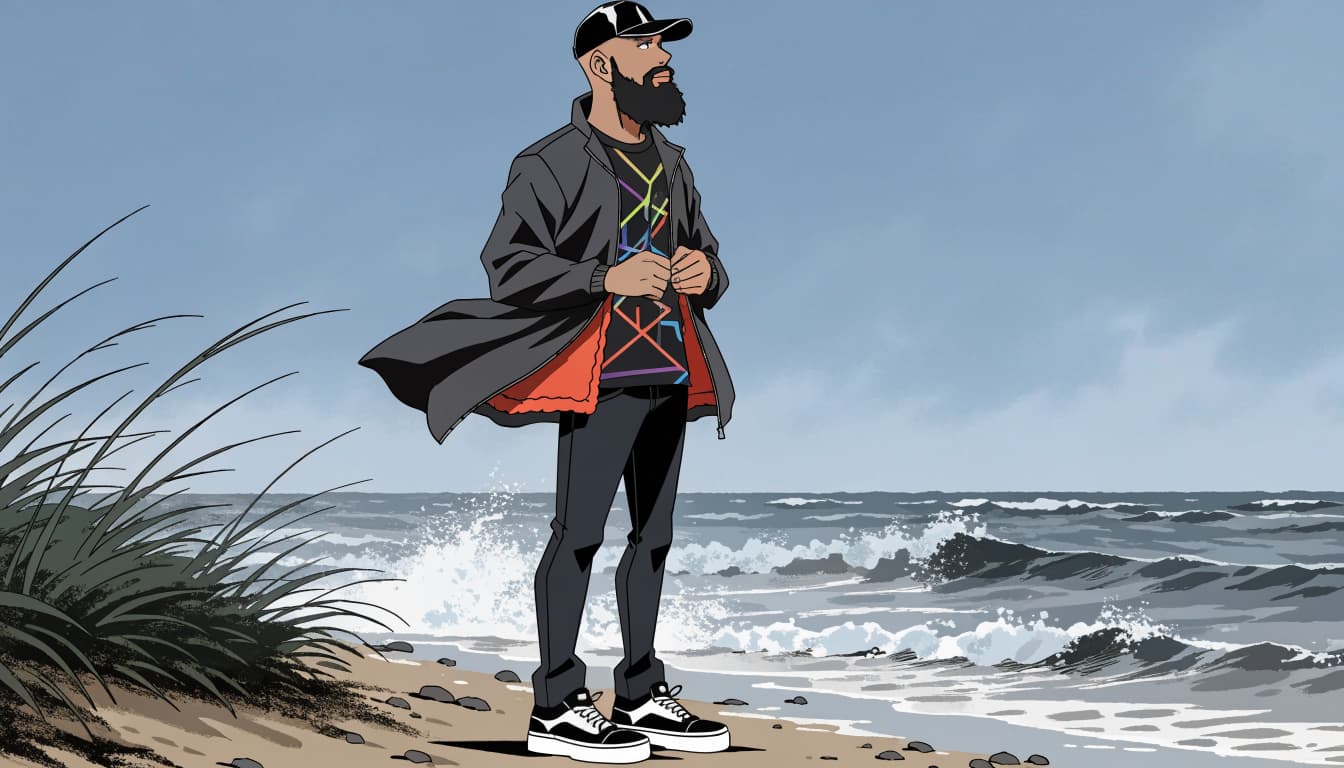
Your clothes have three separate jobs: move sweat away, retain warmth, and block the weather. Separating those jobs makes adjustments easier when you leave a sheltered path and reach the exposed shoreline.
REI's layering basics explain this system. You can apply it without buying an entirely new wardrobe.
Choose a Base Layer That Moves Sweat Away
Start with a close-fitting, moisture-wicking long-sleeve top. Polyester and other quick-drying fabrics help manage perspiration, which matters when walking raises your body temperature.
Add base-layer tights beneath your trousers when your legs need more warmth. The fit should feel comfortable through your knees and waistband, rather than pulling when you sit or take longer steps.
Cotton can absorb moisture and remain damp, so save it for circumstances where that trade-off is manageable. Also, quick-drying doesn't mean waterproof. Your base layer handles sweat; it doesn't replace protection against rain or sea spray.
Add Warmth, Then Block Wind and Rain
Fleece or synthetic insulation makes a useful middle layer for damp coastal outings. Down offers warmth, but it loses insulating performance when wet.
Next, choose a wind-blocking shell for breezy, dry conditions. When rain or spray is likely, use waterproof, breathable outerwear.
Leave enough shoulder and sleeve space to move without squeezing your insulation flat. Zip everything up and reach forward before heading out. Tightness across your back usually becomes more annoying once you're walking.
For a visual explanation of layering choices, watch Chase Mountains' cold-weather discussion.
Match Your Layers to the Beach Weather
Check the forecast for wind and rain, then consider how long you'll stay outside. Your cold beach outfits should also account for pauses, exposed stretches, and the return journey.
For a Cool, Breezy Walk
Try a wicking long-sleeve base, fleece or synthetic midlayer, wind-blocking shell, and warm trousers. Add a hat or gloves when exposed skin feels uncomfortable.
You may need less insulation while moving, but keep the shell available. A sheltered beach entrance can feel different from the open shoreline.
Choose layers you can remove and carry comfortably. Otherwise, you may keep wearing something simply because you have nowhere convenient to put it.
For Rain, Spray, or Damp Conditions
Keep the moisture-wicking base and fleece or synthetic insulation, then add waterproof outer protection. Warm trousers can sit beneath rain pants when wet or windy conditions call for them.
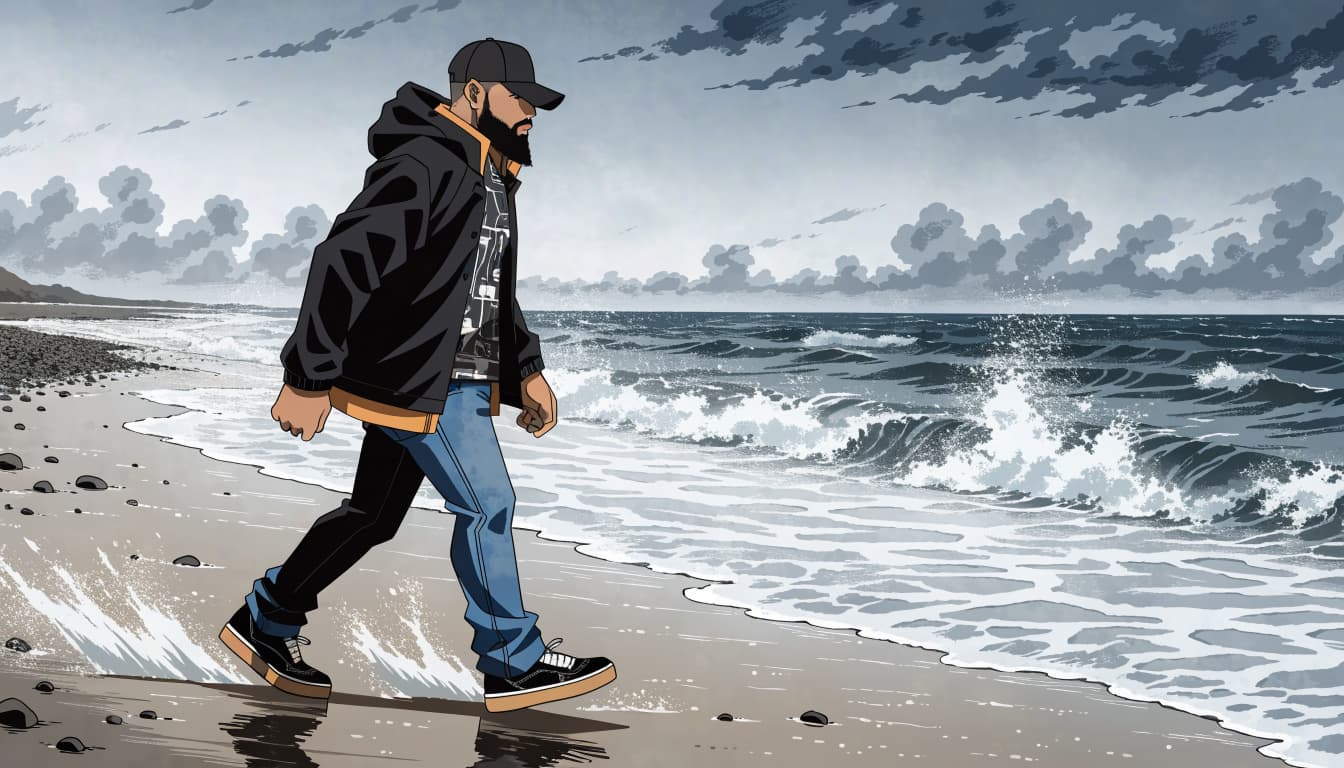
REI's cold-weather clothing guidance recommends breathable shells because perspiration can accumulate inside outerwear.
Keep a dry spare layer available for afterward. A change of clothes is more useful when it hasn't shared an unprotected bag compartment with wet clothing.
When You'll Be Walking and Stopping
Brisk walking can make you sweat, while standing still leaves you feeling colder. Open vents or remove insulation before overheating, then add warmth again when you pause.
Make that adjustment before settling down for a long break. Once you're stationary, your clothing needs to retain more of the heat your movement previously supplied.
Build a Complete Outfit From Head to Toe
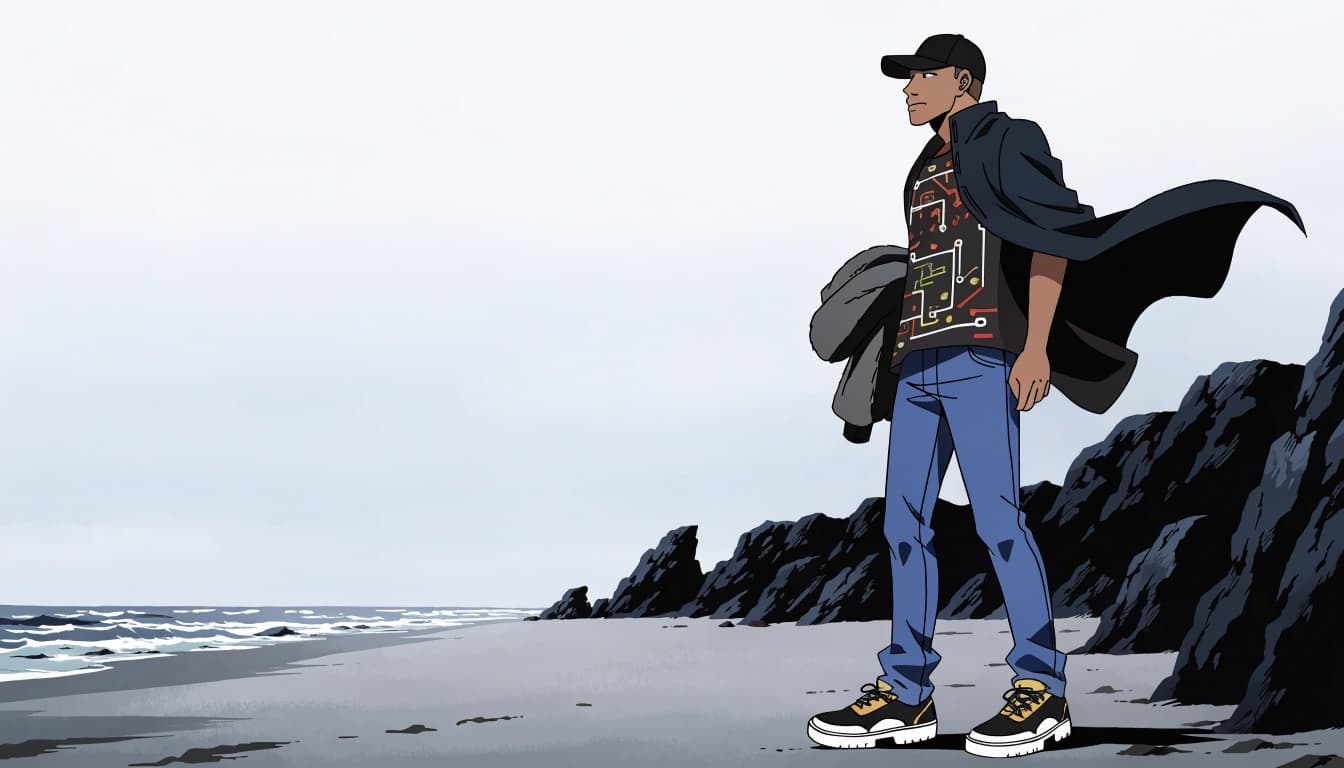
A warm upper body won't compensate for soaked trouser hems or uncomfortable feet. Finish your outfit around the route you'll walk, including beach access paths and any time spent standing still.
Pick Trousers and Shoes for Sand and Spray
Choose warm trousers that let you bend, sit, and walk without restriction. Leave room for base-layer tights if you're wearing them, rather than forcing everything beneath a tight waistband.
For wet or windy outings, rain pants can add outer protection. Keep hems clear of standing water where possible; repeated soaking creates an avoidable comfort problem.
Footwear needs the same conditions-first approach. Around wet sand or spray, choose shoes that can tolerate getting wet. For cold, dry walks, prioritize warmth and comfortable movement.
Also consider the approach to the beach. A muddy path and a dry boardwalk create different demands, even when they lead to the same shoreline. Familiar shoes that suit your route are more useful than choosing footwear for appearance alone.
Cover Your Head and Hands, and Pack a Dry Layer
Carry a warm hat and gloves when wind makes exposed skin uncomfortable. Keep them accessible so you can add or remove them without unpacking everything.
If your hands may get wet, consider protection against moisture as well as insulation. A warm accessory becomes less useful when it stays damp throughout the walk.
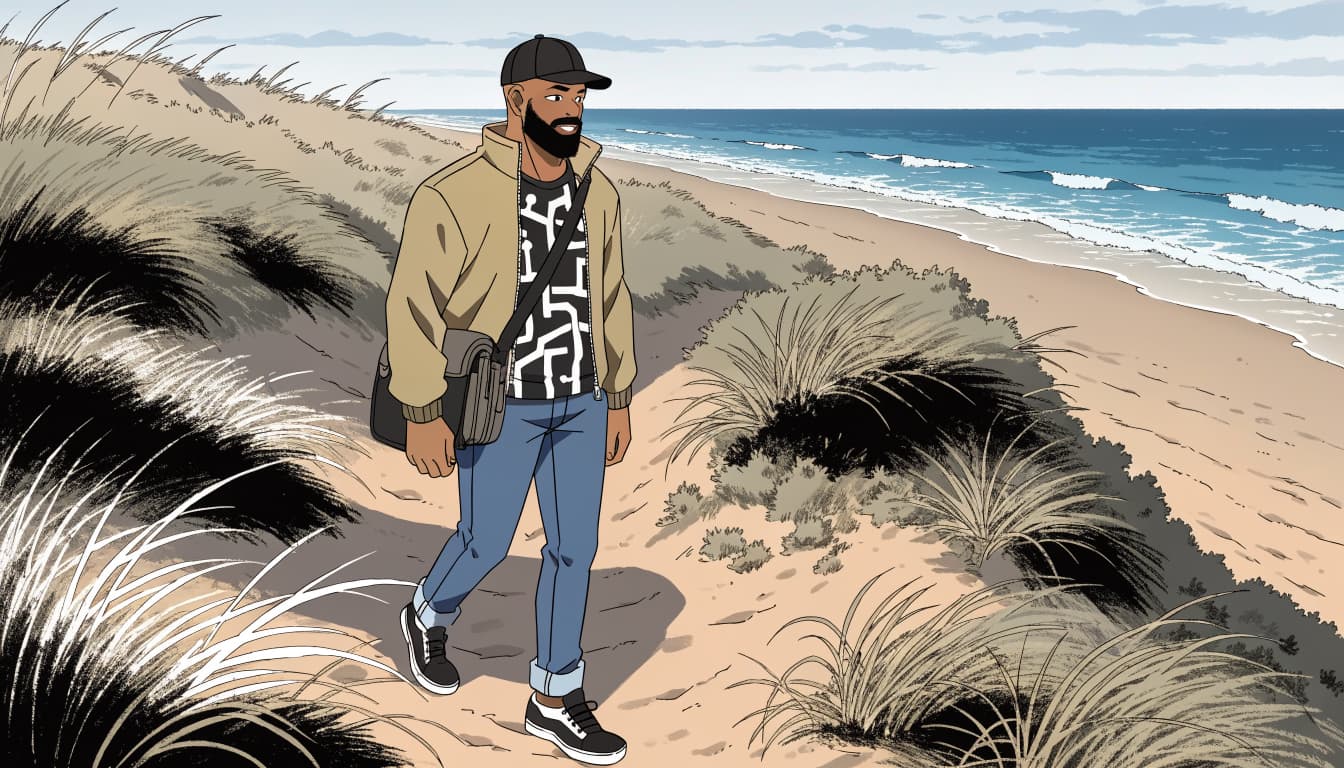
Pack a dry top and socks when damp clothing is likely. Protect them inside your bag, and separate wet items afterward.
As REI's material science guide explains, fabric and shell performance work together. Accessories help complete that system.
Streetwear & Casual Styling
Once your weather protection is sorted, bring your personal style into the outfit. Our Cyber-Brutalist Anime Graphic Tees give you a bold focal point for the boardwalk or a sheltered stop afterward.
Treat your graphic tee as a casual style layer, rather than a technical base or reliable insulation. Pair the artwork with relaxed cargos or dark-wash denim when conditions are dry enough.
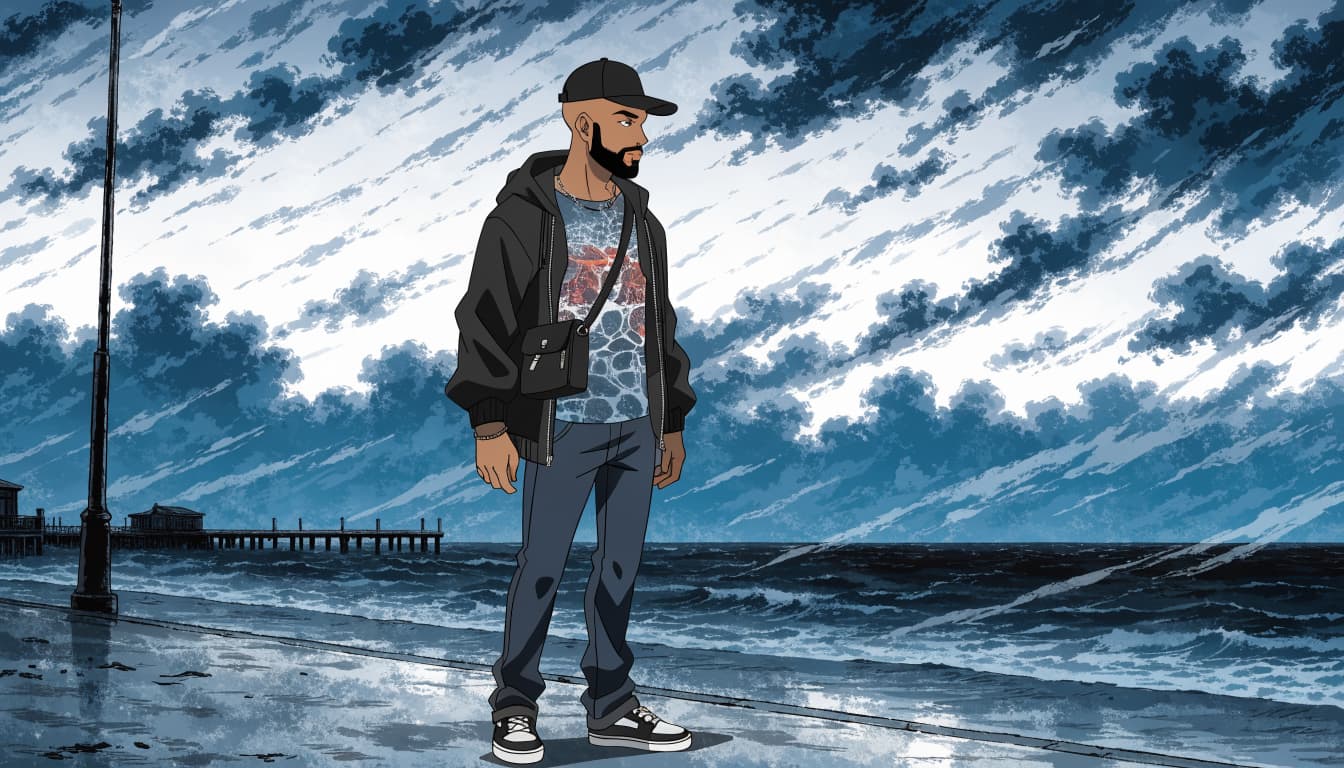
An open flannel or zip hoodie frames the print when the weather allows. However, close your weather-appropriate shell whenever you need protection, even if that covers the artwork.
Keep surrounding colors simple, then repeat one small color from the graphic if you like. A plain hat, chain, or crossbody bag adds personality without competing for attention.
Fit matters here, too. Raise your arms and sit down to check whether stacked sleeves restrict movement or the hem bunches uncomfortably. Our guide to styling cyber-brutalist graphic tees offers more casual combinations.
Keep bulky straps and unnecessary folds away from the main print when practical. Your outfit should move comfortably before it needs another accessory.
Frequently Asked Questions
Can you wear jeans to the beach in cold weather?
Jeans can work for a cold, dry walk. However, wet denim can feel uncomfortable and takes time to dry. Choose different trousers or add waterproof protection when rain or spray is likely.
Are cotton layers a good choice for a cold beach?
Cotton can feel comfortable during a dry, low-activity visit, but it holds moisture. If you expect sweat or dampness, choose a moisture-wicking base instead. Keep cotton graphic tees for casual styling rather than relying on them against your skin.
What should you bring for a windy beach walk?
Bring a wind-blocking outer layer, an adjustable midlayer, and a warm hat and gloves. Keep those accessories somewhere accessible because conditions can change after you leave shelter. Rain or sea spray also calls for waterproof protection.
How can you stay warm without overheating?
Use breathable layers and make small adjustments before sweat builds up. For example, open vents or remove insulation while you're still comfortable, rather than waiting until you're hot. Add warmth again when you stop or face stronger wind.
Choose Your Outfit for the Shoreline Ahead
Comfortable cold beach outfits start with the day's wind, moisture, and your activity level. Build adjustable layers around those conditions, then finish with suitable trousers, footwear, and accessories.
Your graphic tee and favorite streetwear pieces can come along without taking over the weather-protection job. Keep comfort first, adjust as you move, and let your personal style fit the conditions rather than fighting them.