

What Does Combed Cotton Mean on a Graphic Tee?
TrendReactTees.STORE TeamCombed cotton means the cotton fibers were cleaned and aligned before spinning, creating a smoother yarn for your tee. You can expect a softer, less fuzzy feel than comparable carded cotton, though the finished shirt's weight, fit, and print matter too.
A design like our Reading Total System Crash Tee or Time Block for Suffering Tee deserves a fabric that feels as good as its oddly specific humor looks.
Before you choose your next graphic tee, here's what that extra processing does and what the label can't promise.
This post may contain affiliate links. If you make a purchase through these links, I may earn a small commission at no extra cost to you.
Key Takeaways
- Combing removes shorter cotton fibers and impurities before the yarn is spun.
- A comparable combed yarn is generally smoother and stronger, with less lint and pilling than carded yarn.
- "Combed" describes processing, while the fiber label tells you whether the shirt is all cotton or a blend.
- Fabric weight, fit, print coverage, and laundry care still affect how your tee feels and lasts.
How the Combing Process Works
Cotton has a long wardrobe history. The National Cotton Council's history of cotton traces its use in Egypt's Nile Valley to around 5,000 years ago. Combed cotton adds a modern refinement before those fibers become yarn.
Carding Comes First
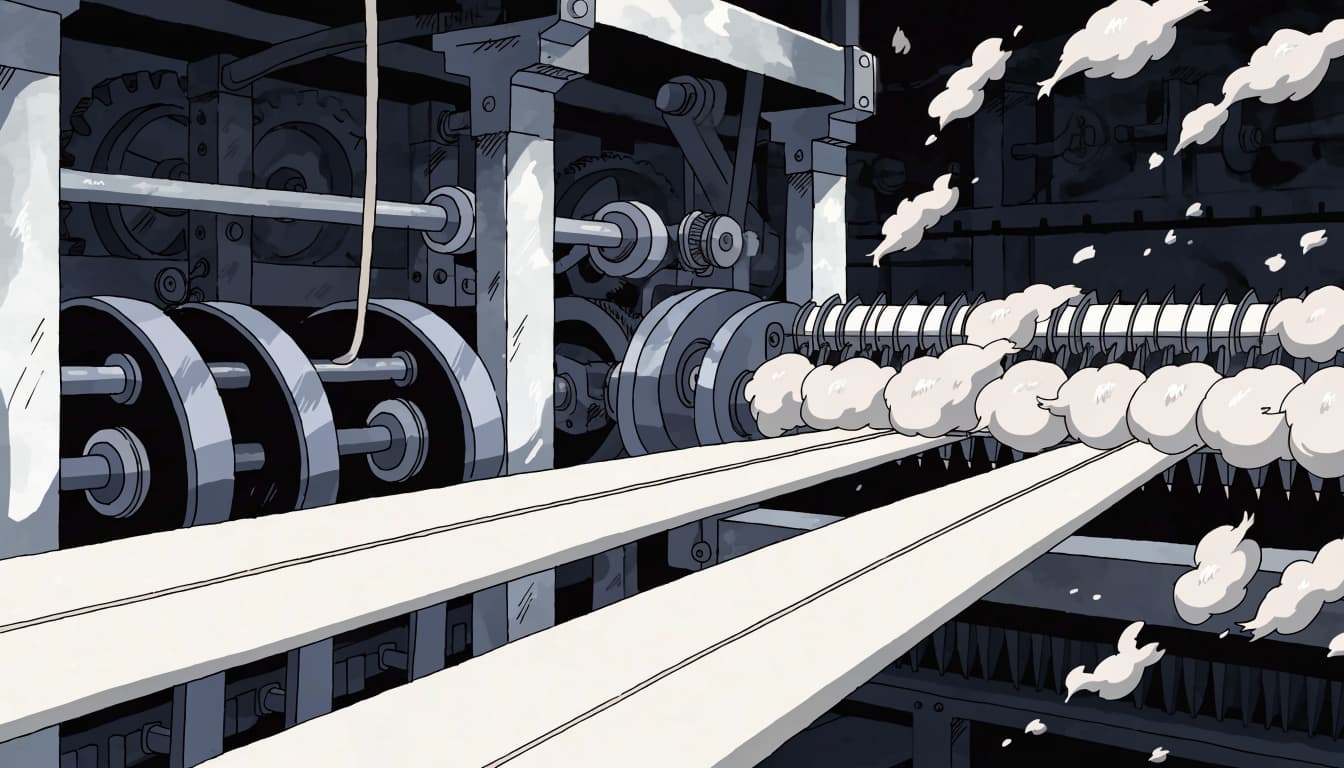
Raw cotton gets cleaned and passed through a carding machine. Carding separates and begins aligning the fibers, forming a loose rope called a sliver. CottonWorks' fiber preparation guide describes this as a foundation of yarn production.
Carded cotton can be spun into yarn without the additional combing step. It isn't unfinished cotton. It's simply prepared differently.
Combing Removes the Shorter Fibers
For combed cotton, fine mechanical combs or brushes remove short fibers, loose hairs, and remaining impurities. They also align the longer fibers more nearly parallel before spinning.
The spinner turns this cleaner, more even group of fibers into cotton yarn that is generally finer, smoother, and stronger than comparable carded yarn. Your tee doesn't receive magical armor, but its fabric gets a smoother starting point.
See the machinery in action:
Combed Cotton vs. Carded Cotton
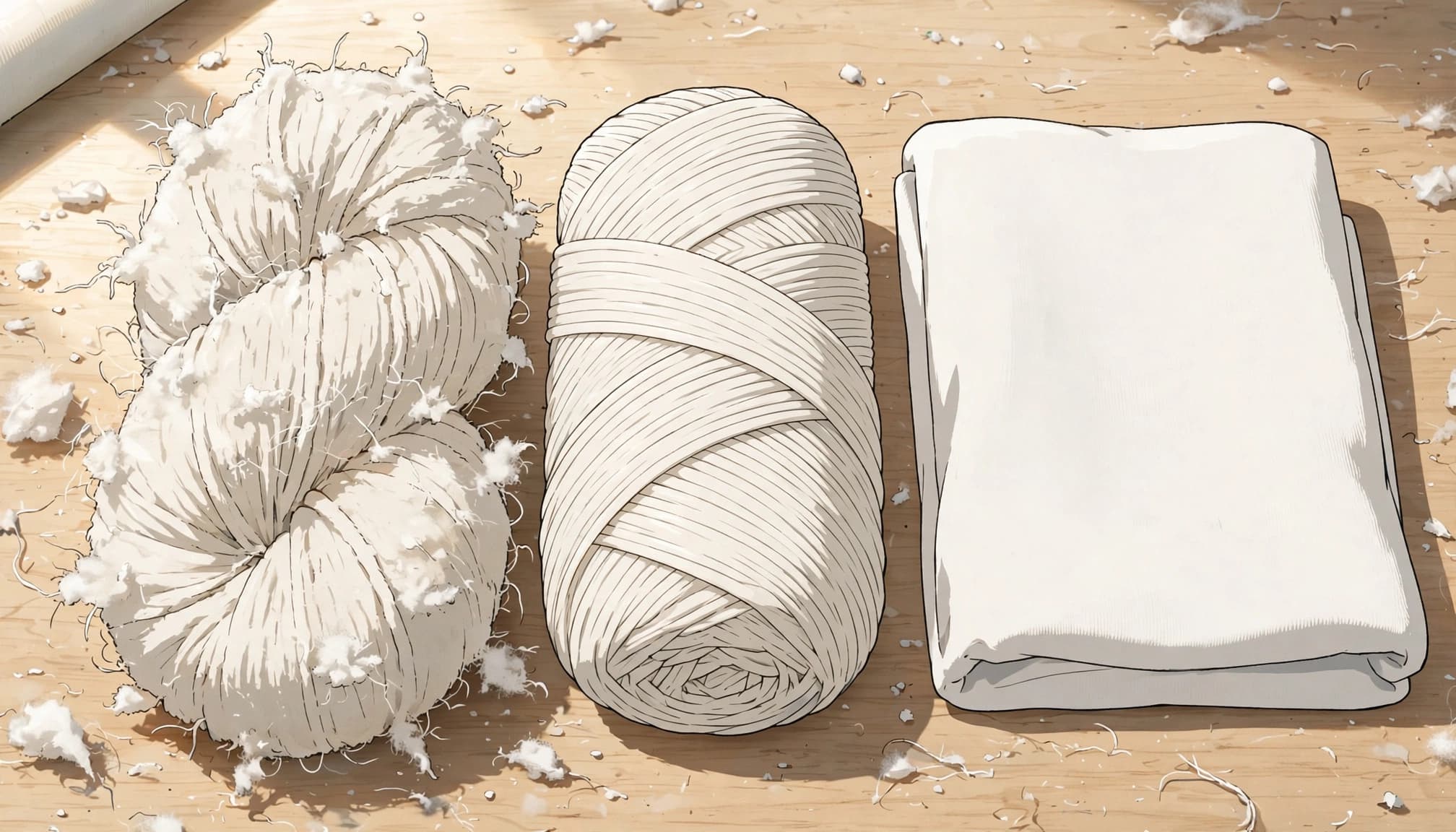
In combed vs carded cotton, both fabrics come from cotton. The difference is extra preparation, not a separate plant species.
This comparison describes similar fabrics made with each type of yarn.
| What You Notice | Combed Cotton | Carded Cotton |
|---|---|---|
| Surface | Smoother, with fewer loose fibers | Can feel fuzzier or more textured |
| Yarn | Generally finer and stronger | Can be less even and coarser |
| Pilling and lint | Usually less prone to both | More loose fibers can mean more fuzz |
| Cost | Often higher because of added processing | Often lower because processing is simpler |
| Shrinkage | Still possible | Still possible |
Smoother, stronger yarn can support better durability, but it won't prevent a tee from wearing out. The takeaway: combing improves the yarn's starting point, but the finished tee's construction still matters.
Softness, Strength, and Pilling
A smoother yarn can feel less scratchy against your skin. Removing short fibers also leaves fewer loose ends available to work their way onto the surface as lint or little fabric pills.
That doesn't make a combed shirt pill-proof. Friction, washing, yarn construction, and the fabric's finish all affect wear. Your crossbody bag and favorite hoodie can still put a tee through repeated abrasion.
Shrinkage Is a Separate Setting
Combing alone won't tell you exactly how much a shirt will shrink. Fiber content, fabric finishing, washing temperature, and dryer heat all affect the final fit.
Pre-shrunk cotton can still change size. If you love your oversized silhouette, high dryer heat is a risky way to test its loyalty.
Combed, Ring-Spun, and Other Cotton Labels
Cotton listings can stack descriptions like character stats. Each term tells you something different.
Combed vs. Ring-Spun Cotton
Combed describes how the fibers are prepared. Ring-spun describes a method of spinning fibers into yarn.
A shirt can be both combed and ring-spun. Ring spinning twists and thins fibers into yarn, while combing first removes some shorter fibers. Ring-spun cotton often feels smoother than coarser open-end yarn, but the term alone doesn't tell you whether it was combed.
For graphic tees, a smoother yarn can provide a cleaner surface for fine details. Print quality still depends on the artwork, ink, application, and curing. Our guide to graphic tee print quality explains what product photos can and can't show.
Egyptian, Pima, and Organic Cotton
Egyptian cotton refers to cotton grown in Egypt, where long-staple varieties are associated with finer yarns. Pima cotton is another long-staple cotton grown in the United States, Peru, and Australia. USDA research describes Pima fiber quality in relation to fiber strength.
Organic describes how cotton is grown under an applicable standard. It doesn't automatically mean the fibers were combed. These labels can overlap, so a tee could use organic, combed, ring-spun cotton.
Why Fiber Length and Processing Affect Price
Combed cotton often costs more because manufacturers add a processing step and remove material during it. Longer, higher-quality fibers can add to the cost too.
Staple Length and Yarn Strength
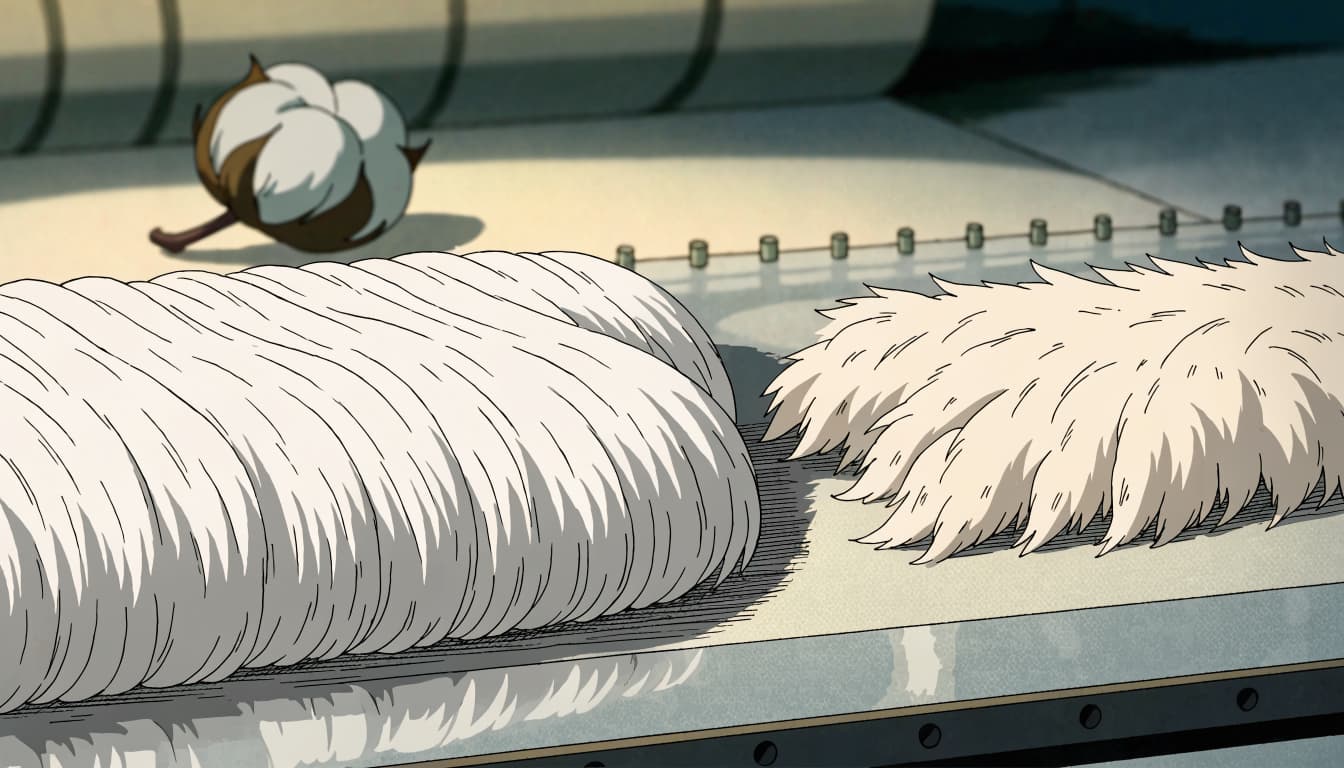
Staple length means the length of an individual cotton fiber. Longer fibers can be spun into finer, more even yarns with fewer loose ends.
A common rule of thumb puts long, high-quality cotton fibers at about 1 1/4 inches or longer. Fibers shorter than 3/4 inch are better suited to coarser yarns. Sea Island cotton is especially expensive, with descriptions placing its fibers around 1.5 to 2.5 inches. Cotton used for denim can be around 1 inch.
Length isn't the whole quality score. The Pressley test, a flat-bundle test, measures fiber strength by breaking a bundle under force. Yarn twist, fabric construction, and finishing also shape how a shirt feels and wears.
What Does "Super Combed" Mean?
The term "super combed cotton" describes a level of short-fiber removal, not a universal quality grade. Roughly 5% to 10% is removed for semi-combed cotton, 10% to 20% for normally combed cotton, and over 20% for super-combed cotton.
Treat those figures as descriptions, not universal label grades. A "super combed" listing doesn't tell you the tee's weight, fit, or print quality. Your wardrobe doesn't need to worship a percentage.
How Combed Cotton Feels on a Graphic Tee
Combed yarn can give your shirt a smooth, soft surface with less stray fuzz. The finished fabric can still feel light and drapey or substantial and structured.
Fabric Weight and Fit
A lightweight jersey generally feels airier and hangs closer to the body. A heavier knit can hold a boxier shape. Neither weight automatically makes a better shirt.
For summer wear, give yourself some room through the torso. A close fit can trap more heat, even when the yarn feels soft. Color, dye, and fabric finishes can also change the hand feel between otherwise similar shirts.
Cotton's absorbency means it takes in moisture, but it can take time to dry when soaked. Breathability depends on the knit, weight, and fit too. Combing alone doesn't guarantee a cooler or more absorbent tee.
The Print Has a Comfort Setting
A large, thick graphic can feel warmer or stiffer than the fabric around it. That matters whether the shirt is all cotton or blended.
Look at how much of the front is covered and whether you prefer a flexible print. A smooth blank gives detailed artwork a useful base, but it can't guarantee the print will survive every laundry boss fight.
Is Combed Cotton 100% Cotton?
Sometimes. Combed cotton vs cotton is really a question of processing versus fiber content.
"Combed cotton" tells you how the cotton fibers were processed, not whether they're the only fibers in the garment. A tee labeled "100% combed cotton" is all cotton. A cotton and polyester blend can also contain combed cotton, with the fiber percentages listed separately. Spun cotton is still cotton too, but "spun" alone doesn't establish the composition of the entire shirt.
Our tees use Bella Canvas 3001 fabric. When comparing graphic t-shirts, pay attention to the listed fiber content and color, since different colorways can have different compositions. Our cotton vs. cotton-poly comparison covers how blends affect drying and everyday comfort.
Combed cotton also appears in polos, underwear, socks, baby wear, bedding, sheets, duvet covers, and towels. You can buy it as yarn too, including fine, light-worsted, and superfine options with counts such as 10/2 and 20/6. Those yarn labels don't tell you how a finished tee will fit.
How to Care for a Combed Cotton Graphic Tee
Your graphic doesn't need an aggressive laundry speedrun. Gentle care helps protect both the cotton and the artwork.
Wash With Less Friction
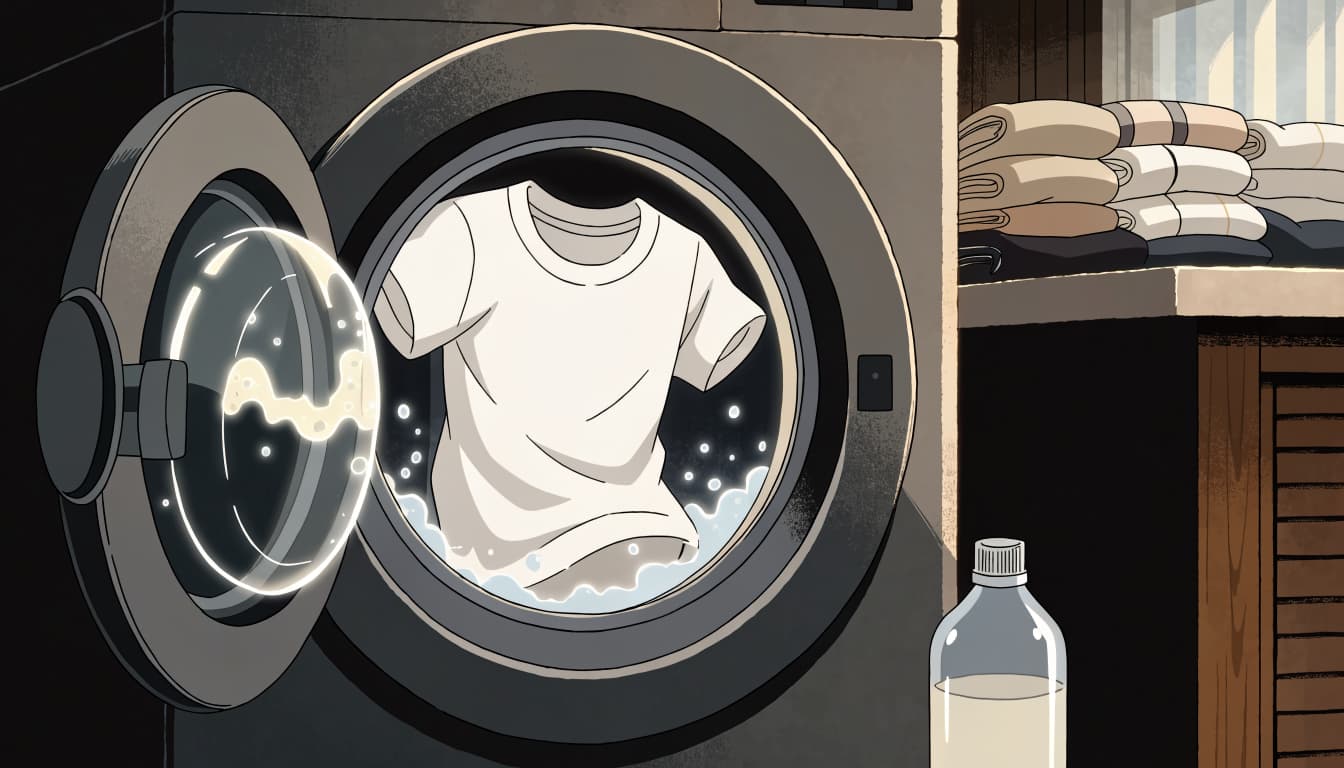
Turn the tee inside out and use a gentle cycle with mild detergent. Cold or lukewarm water is a sensible starting point, within the garment's care instructions. Keep it away from rough towels, zippers, and heavy denim.
Skip chlorine bleach, which can damage fibers and affect colors. Avoid fabric softeners too. They can coat fibers and reduce their ability to absorb moisture.
Dry Without Cooking the Artwork
Air-dry in the shade when possible. If the care label permits tumble drying, use low heat and avoid overdrying. Never iron directly over the graphic.
For the full routine, our guide to washing printed shirts safely covers the details. Gentle care won't repair a badly cured print, but it can help a sound one stay in rotation.
Streetwear & Casual Styling
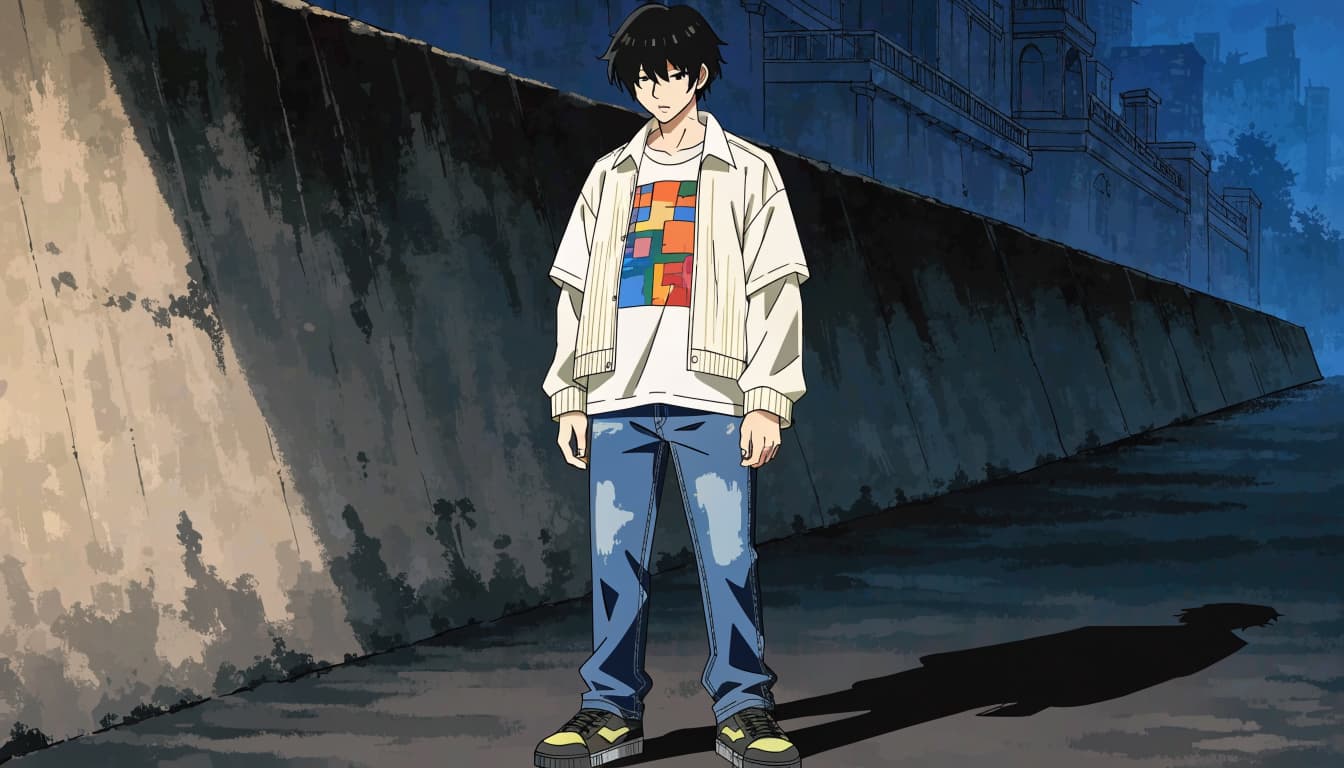
Once you've chosen a comfortable tee, let the artwork carry the fit. Our Cyber-Brutalist Anime Graphic Tees pair easily with straight-leg jeans, relaxed cargos, and sneakers.
Style the Cat Needs Alone Time Tee with dark denim and a lightweight overshirt. The Pizza Is My Only Reality Tee works with charcoal cargos and black-and-white sneakers.
Keep the layer open when you want the graphic visible. For a sharper contrast, try pairing a graphic tee with a leather jacket. Your outfit can announce your niche humor without making you explain it at the door.
Frequently Asked Questions
Is Combed Cotton Good Quality?
It's a useful quality clue because the yarn is generally smoother and stronger than comparable carded yarn. Stitching, fabric construction, fit, and print quality still affect the finished shirt.
Is Combed Cotton Better for Hot Weather?
It can feel comfortable, but combing alone doesn't make a tee cooler. A lightweight knit, relaxed fit, and smaller or more flexible print can matter more when temperatures rise.
Does Combed Cotton Shrink Less Than Regular Cotton?
It can still shrink, and the amount depends on the particular fabric and laundry routine. Pre-shrinking helps reduce changes in size, but it doesn't guarantee zero shrinkage.
Does Combed Cotton Pill?
It can, especially where fabric rubs repeatedly. Removing short fibers generally reduces loose fuzz, so comparable combed cotton generally resists surface fuzz better than carded cotton.
Choose the Tee, Not Just the Label
Combed cotton gives your graphic tee a smoother yarn and fewer loose fibers. That's a solid start for a shirt you want to wear on repeat.
Choose the weight, fit, and artwork you like too. Then give the print a gentle wash instead of sending it into the high-heat void.