

Dancer Outfits That Look Good and Survive the Choreography
Your outfit looks flawless in the mirror. Then the first turn sends your shirt over your face. Rude. The best dancer outfits let you move without making you negotiate with your clothes mid-combo.
What works depends on your dance style, studio rules, comfort, and the movements you're practicing. Ballet slippers and hip-hop sneakers aren't interchangeable, and a stage costume has a different job than your Tuesday class tee.
Start with the looks that fit your class. Then put every promising outfit through a movement test before it earns a spot in your dance bag.
Key Takeaways
- Check your studio's dress code before buying clothes or shoes. Colors, coverage, and footwear rules can vary by class.
- Build your look around the dance style, rather than trying to make one outfit work everywhere.
- Test straps, waistbands, coverage, and seams while you jump, turn, bend, and stretch.
- Shoes should suit your feet, the floor, and the steps you're learning.
- Rehearse in a full performance costume before show day. Surprises belong in the choreography.
Dancer outfits for every style, from ballet to hip-hop
The outfit you choose should help you see your lines, land your steps, and follow the rules of the room. Those rules can be surprisingly precise. The Weehawken Arts dance dress code lists different clothing and footwear guidance across its classes, so check yours before filling a cart.
Ballet, jazz, and contemporary outfits
For ballet, a leotard, tights, and ballet slippers are familiar class staples. Fitted clothing lets you and your teacher see placement without fabric hiding your knees or torso. Some studios assign colors by level or require particular shoes. Buy after you confirm the details, unless you enjoy owning tights in the wrong shade.
Jazz gives you more room to mix pieces. Try a fitted top with leggings or dance shorts, plus the jazz shoes your studio requests. Your waistband should stay put through kicks and turns; a top you can move your arms in beats one you have to keep adjusting.
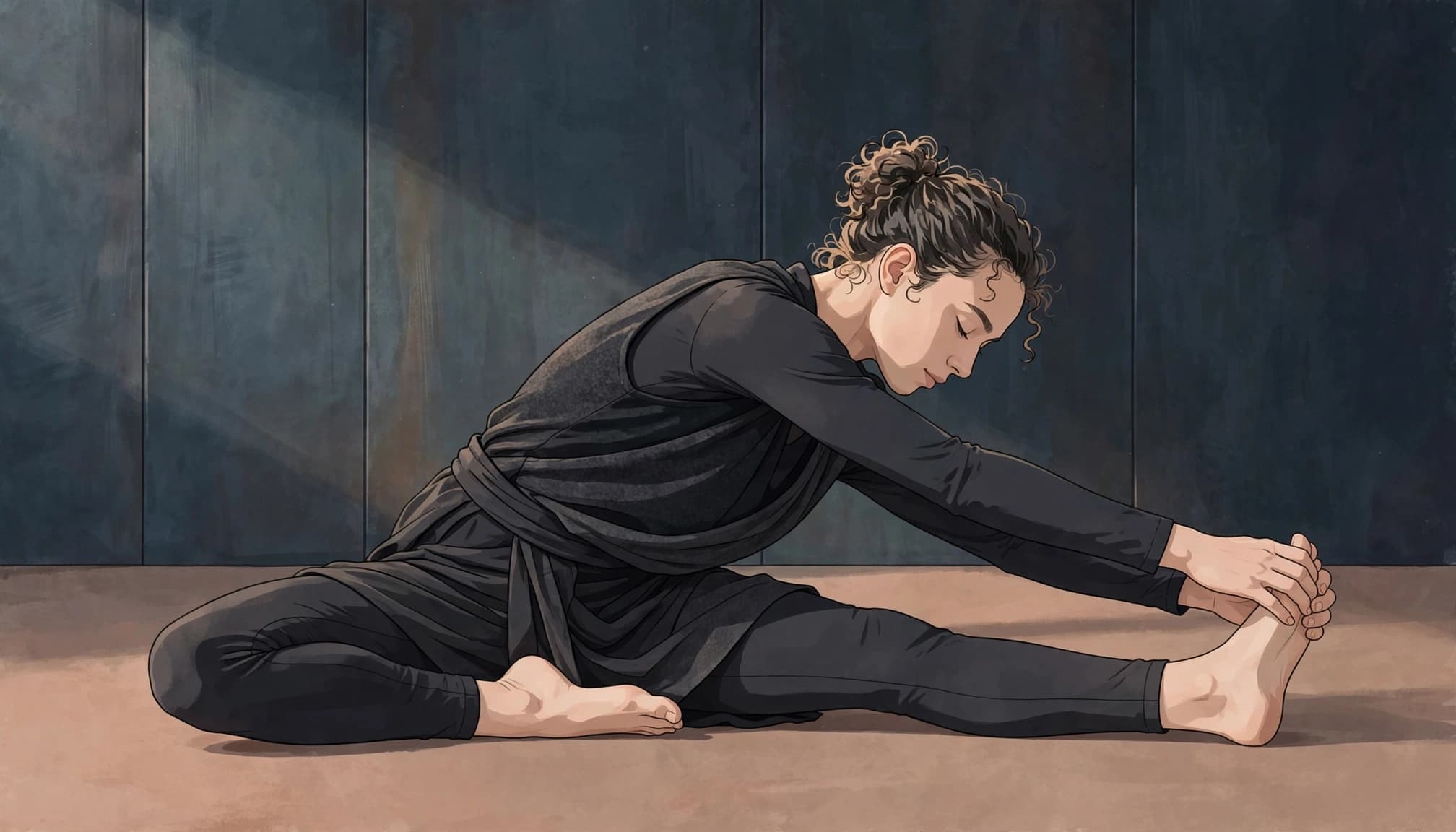
For contemporary, comfortable fitted layers can work well when you're moving between standing phrases and floorwork. Bare feet may be allowed, or your teacher may specify dance shoes. Let the class requirements settle that decision, especially if the choreography involves sliding or turning.
Hip-hop and ballroom looks
Hip-hop is where your streetwear brain gets some screen time. Joggers, tees, hoodies, and shorts can all make sense with clean sneakers reserved for the studio. Keep hems, drawstrings, and oversized layers from catching under your shoes. The fit can be loose without becoming a trip hazard.
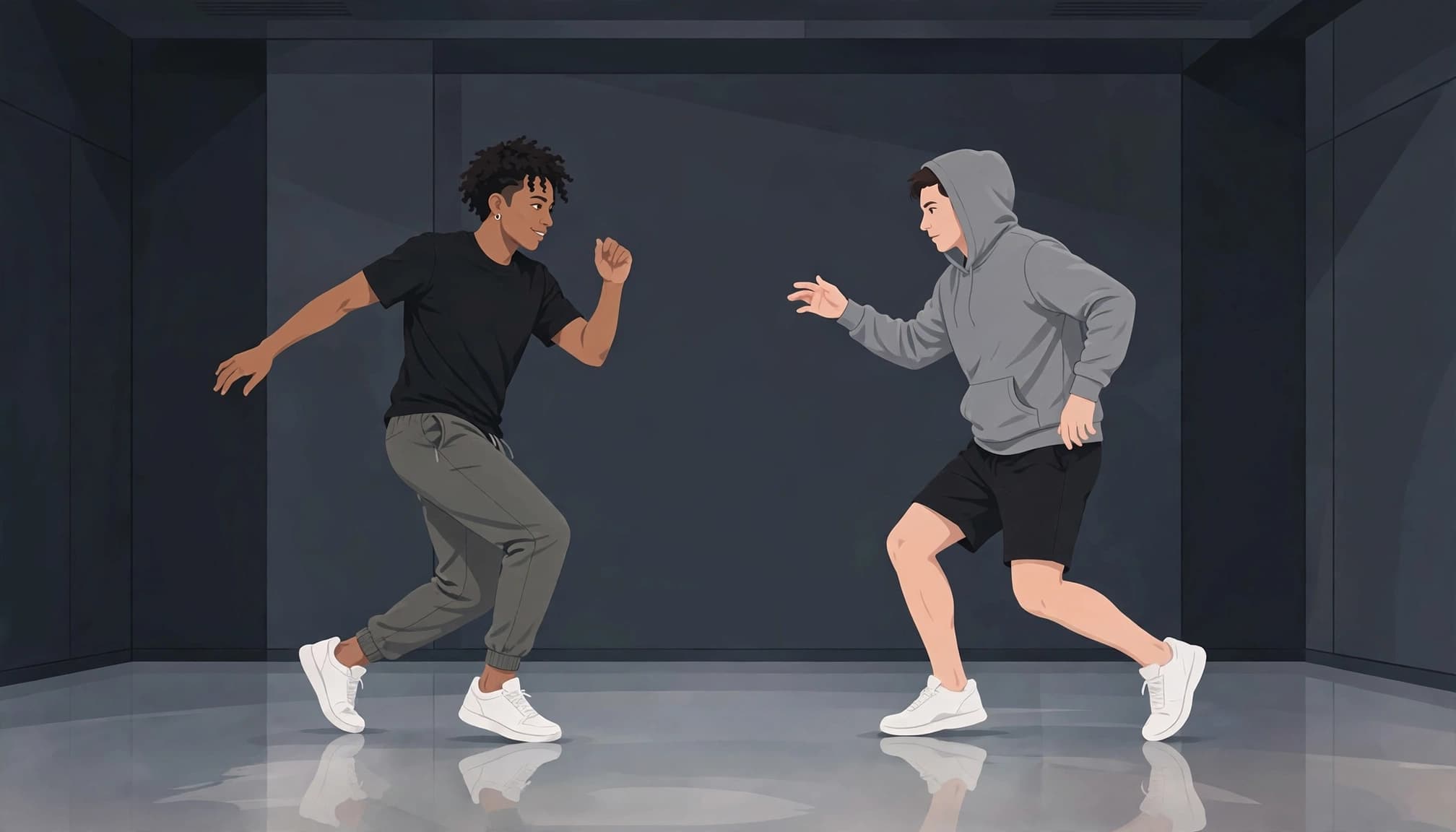
Ballroom and Latin practice call for flexibility with less fabric in your partner's way. Choose clothing that allows long steps, turns, and a comfortable frame. Proper dance shoes matter here: you need a secure fit and footwear suited to the floor, rather than whichever sneakers survived your commute.
Check the studio rules before you shop
A dress code is more than a color palette. Your teacher may need to see your alignment, protect the floor, or keep loose accessories out of partner work. Ballet classes may specify tights and slippers; hip-hop classes may set sneaker rules. Even two studios teaching the same style can ask for different things.
Look for requirements on the class registration page, then ask about anything unclear. If you're starting an adult class, Dance With Me USA's first-class clothing guidance offers a useful starting point. Your own instructor still gets the final say.
Check whether you need your hair secured, whether jewelry is allowed, and whether shoes must be changed after entering the studio. That quick message can save you the deeply unfun reveal that your new shoes can't touch the floor.
How to choose dancewear that fits and feels right
A good fit stays with you through the whole combination. You shouldn't have to choose between breathing and keeping your shirt in place. Aim for secure, not restrictive, then test it in motion rather than trusting a standing mirror selfie.
Check movement, coverage, and comfort
Try a few pliés, jumps, turns, arm raises, forward bends, and wide side steps. Use the biggest movements your class regularly asks of you. If you need to pull the outfit back into position afterward, imagine doing that every eight counts.
Check for slipping straps, rolling waistbands, gaping necklines, and fabric that pulls across your shoulders or hips. Scratchy seams and tags can seem minor in your bedroom, then become the main character halfway through rehearsal. If coverage matters to you, test it from the angles your choreography actually uses.
If your outfit needs a reset after every turn, it isn't ready for a full class.
Choose shoes that suit the floor and your feet
Try dance shoes with the tights or socks you'll wear in class. Your toes need room to move without painful pressure, and your heel shouldn't lift out with every step. Walk, rise onto the balls of your feet if the shoe allows it, and try a controlled turn.
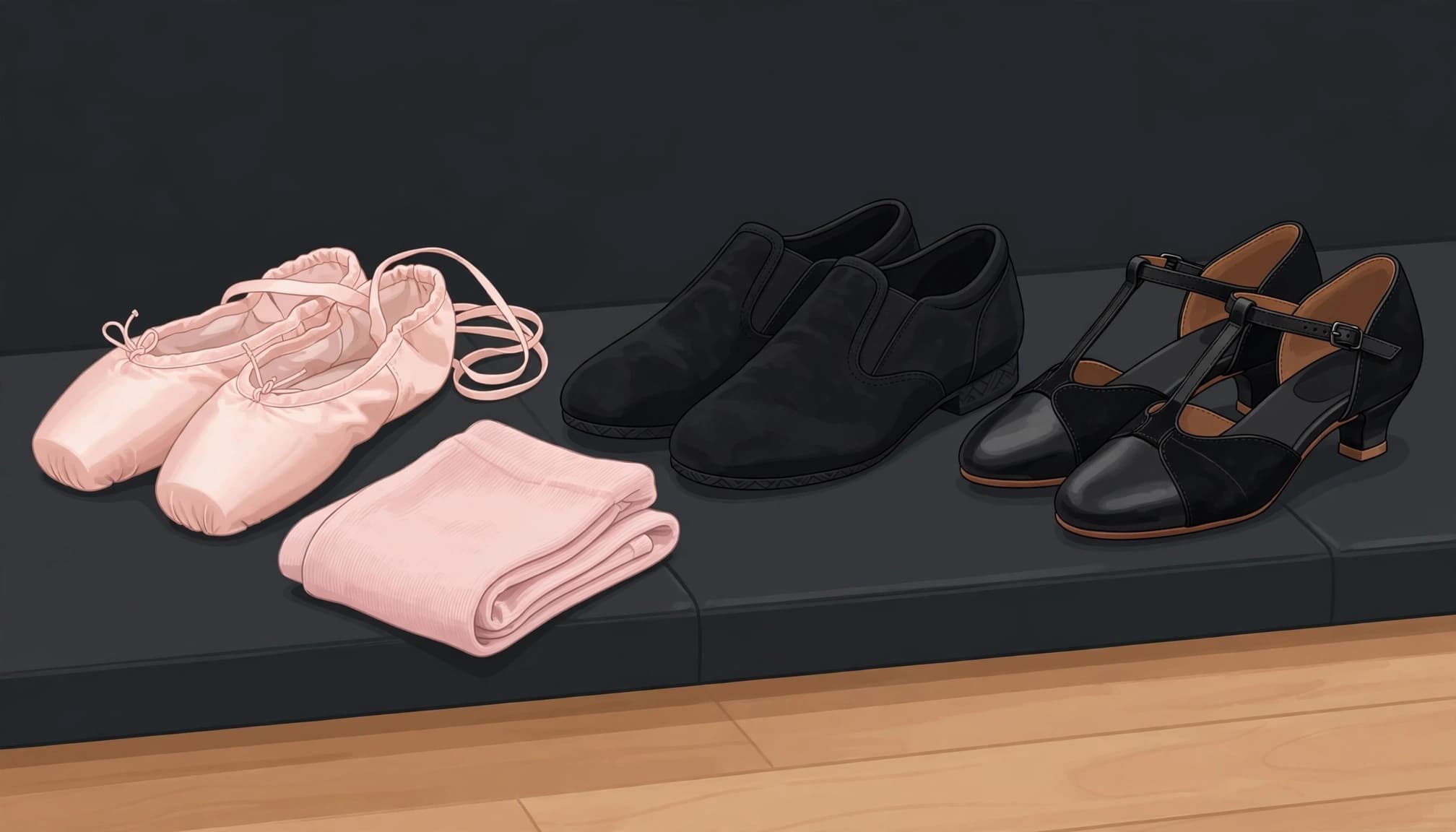
Match shoes to your class and its floor rules. Ballet slippers, jazz shoes, ballroom shoes, and indoor hip-hop sneakers do different jobs. Dancewear Corner's class footwear guide explains why footwear changes by genre, but check your studio before choosing a pair. Outdoor street shoes don't get a universal pass.
Let the fabric survive rehearsal
Fabric deserves its own audition. Stretch should let you reach overhead and take a wide step without fighting the seams. Breathable layers help when the room warms up, while a piece you can remove between exercises is useful during a cold start. If your top gets heavy with sweat or clings in ways you hate, it may be better for shorter sessions.
Pay attention to recovery, too. Stretch a waistband or cuff gently and see whether it returns to shape. A tee that looks right online still needs the right length and chest width for your movement. When shopping for one, compare a favorite shirt with the size chart instead of trusting a size letter like it's a prophecy.
Build a dancer outfit for class, rehearsal, and performance
Your wardrobe can have range. Everyday classwear prioritizes repeat use and your teacher's requirements. Rehearsal clothes need to stay comfortable for longer stretches. A stage costume gets to go bigger visually, but the choreography still has veto power.
Keep rehearsal clothes practical and personal
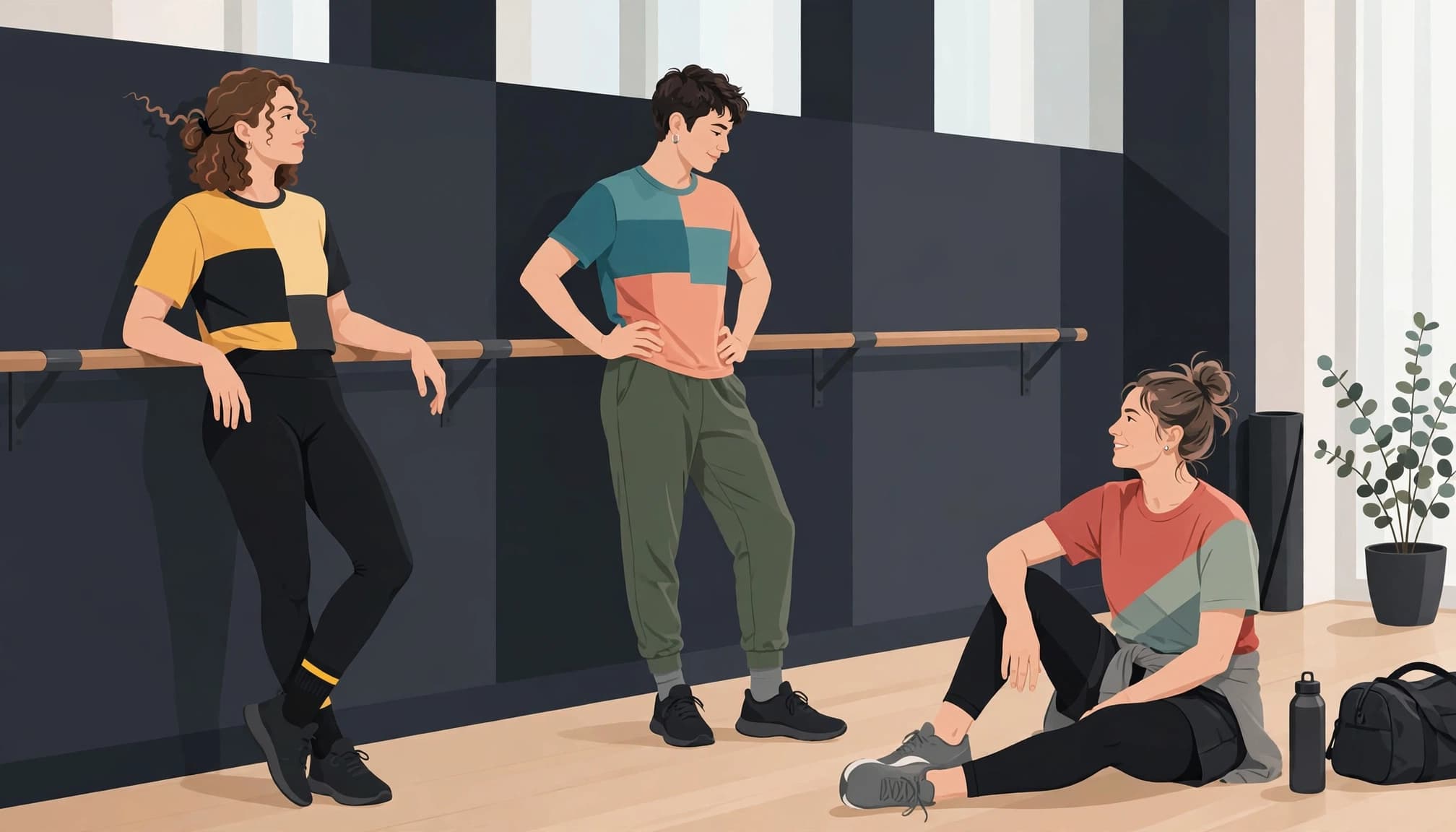
Start with breathable layers that stay in place. For some hip-hop classes, a graphic tee and joggers give you room to move and a little personality on sight. A bold print can say you're here for the choreography and the side quest. If you want ideas beyond plain basics, build an outfit around a graphic tee, then test its fit in class movements.
That same tee may be wrong for ballet, competition practice, or a studio with a set uniform. Save the accessories for settings that allow them, and make sure anything you wear stays secure. A necklace that swings into your face during a turn has terrible timing.
Test performance costumes before show day
Wear the full costume during rehearsal, including shoes, tights, and any approved accessories. Run the parts with deep bends, quick turns, and big extensions. Watch for chafing, overheating, slipping pieces, and details that catch on your partner or on the costume itself.
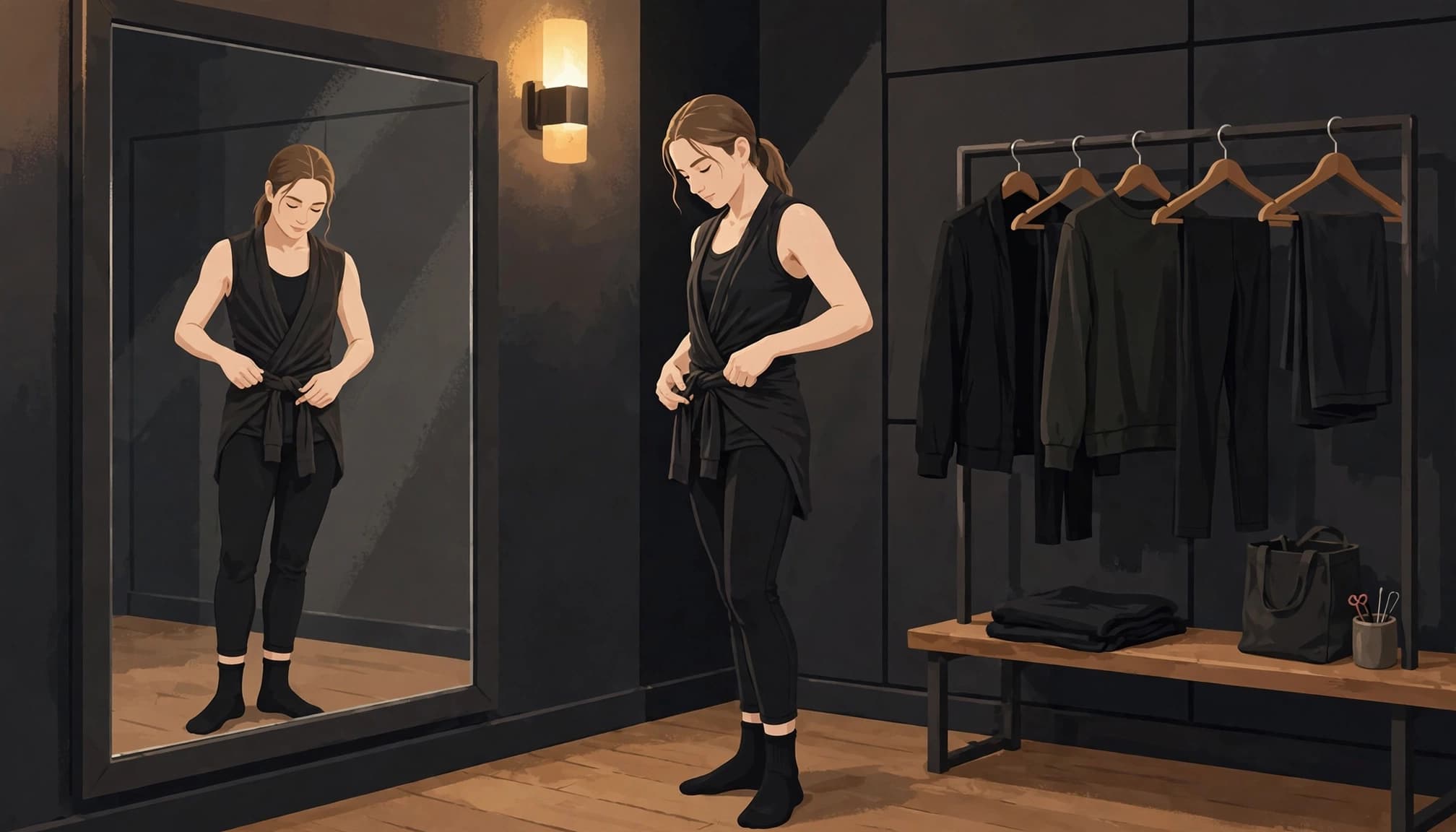
A stage look can be louder than classwear. It still needs to let you breathe, extend, and finish a turn without grabbing at a strap. Try it under rehearsal conditions before committing to a whole performance in it.
Pack for the day you're dancing
A long rehearsal asks more of an outfit than a single class. Pack a spare top if you know you'll want a dry one, along with the shoes and layers your schedule requires. Keep anything you need for a quick change together so you're not hunting through your bag while the next group lines up.
For performance day, check every costume piece before you leave home. Notice loose fastenings while you still have time to fix them, and keep approved backups handy if your production allows them. The goal is boring in the best way: you step onstage thinking about the dance, not whether a seam is about to start drama.
Frequently Asked Questions
Can you wear a T-shirt to dance class?
You can in many hip-hop and casual practice classes, but your studio's rules decide. Pick a shirt that stays down when you raise your arms and doesn't block your view of your feet during tricky steps. For ballet or uniformed classes, check before showing up in one.
Should dance clothes be tight or loose?
You want clothes secure enough to stay put and flexible enough to let you move fully. Ballet and jazz often favor fitted pieces so your lines are visible. Hip-hop may leave room for looser streetwear, as long as sleeves and hems don't interfere with your steps.
Can you wear regular sneakers for hip-hop?
Some studios allow sneakers, but regular outdoor pairs may bring grit onto the floor. Clean, indoor-only sneakers are often the safer choice when your studio permits them. Ask whether the class has rules about soles before you wear a new pair.
How many outfits do you need for dance class?
Base it on how often you dance and how often you do laundry. If you take one class a week, one complete class-ready outfit may be enough; several weekly sessions make a spare much more useful. Buy within your studio's dress code first, then add variety once you know what you enjoy wearing.
Make the outfit earn its spot
That mirror-ready look only matters if it still works after the first turn. The right dancer outfits suit your style, follow class rules, and let you focus on the choreography instead of your waistband.
Check the dress code, try your planned outfit in motion, and adjust anything that distracts you or feels unsafe. Your clothes should keep up when the music starts.