

Desolation Wilderness Backpacking Trails: Plan Your Trip
TrendReactTees.STORE TeamDesolation Wilderness is high-country terrain, and a good backpacking trip starts before you reach the trailhead. You'll need a route that fits your group, an overnight permit for the right zone, and a plan for changing weather and access conditions.
Choosing among Desolation Wilderness backpacking trails means comparing trip length, elevation, and the scenery you want, then checking details against current Forest Service maps. And because nature is excellent company but a questionable Wi-Fi provider, your post-trip rotation might include the Nature Is My Wifi Tee or Nature Is My Therapist Tee.
This post may contain affiliate links. If you make a purchase through these links, I may earn a small commission at no extra cost to you.
Key Takeaways
- Desolation has 15 entry trailheads and 45 overnight destination zones.
- Overnight permits are required year-round, with seasonal quotas and advance reservations.
- Match your route to your group's experience, pace, and first-night permit zone.
- Check current snow, water, trail, and access conditions before you go.
- Carry a hard-sided bear canister, skip campfires, and stay on the trail.
How to Choose Desolation Wilderness Backpacking Trails
Desolation Wilderness covers rugged Sierra Nevada terrain west of Lake Tahoe. You'll find 15 entry trailheads and 45 overnight destination zones, with access along the Highway 50 and Highway 89 corridors. That's plenty of choice, but trailhead proximity alone won't tell you whether an itinerary fits your trip.
Start with the time you have. A short overnight can keep the plan focused on reaching a suitable first-night zone and enjoying time outside. A longer point-to-point trip or loop needs more careful coordination between entry and exit trailheads, daily effort, and permit rules. Before naming or comparing specific itineraries, use current Forest Service maps to confirm routes and mileage. Guessing from a map screenshot is not a planning strategy.

Compare trailheads, destination zones, and trip goals
An overnight permit requires you to choose an entry or exit trailhead and the destination zone for your first night. Build the route around those permit details, rather than picking a scenic endpoint first and hoping the paperwork catches up.
Think about what you want the trip to feel like. Do you want a single overnight with time to linger near a lake or viewpoint? A longer point-to-point trip with different entry and exit points? Or a loop that returns you to your starting trailhead? Your answers narrow the options, but the Forest Service map and permit system determine which plans are available. The official Desolation Wilderness permit page explains the trailhead and first-night zone selections you'll need.
Match the route to your experience and group
A route that looks manageable on a screen may feel very different once elevation gain, rough footing, navigation, breaks, and a full pack enter the picture. Choose a pace your slowest group member can maintain, with enough margin for rest and changing conditions.
Group size matters, too: the maximum is 12 people for both day and overnight use. Some overnight destination zones have very small quotas, so a large party can have fewer choices even when a trailhead is available. If anyone in your group is new to backpacking, keep the plan conservative and make sure everyone understands the route and turnaround options.
Plan Your Desolation Wilderness Backpacking Route Around Permit Rules
Overnight permits are required year-round. During quota season, from the Friday before Memorial Day through September 30, the overnight permit system sets daily limits by destination zone. Seventy percent of each daily quota is reservable through Recreation.gov up to six months ahead. The remaining 30% is set aside for same-day, walk-in permits.
Those percentages don't mean every zone has plenty of room. Quotas vary, and some zones allow as few as two people. A group's preferred date and first-night zone can fill quickly, so make the permit decision part of route planning, not a task for the night before.

Reserve an overnight permit before peak season
If your trip falls during quota season, plan around the reservation window and the zone you want for your first night. A walk-in allocation exists, but it is limited and isn't a guarantee that your preferred date and zone will be available. Outside quota season, you still need an overnight permit.
The permit needs to match your trip details, including the entry or exit trailhead and first-night destination zone. Review the Forest Service's Desolation Wilderness information before settling on dates. It covers current permit rules and helps you avoid building an itinerary around a zone you can't use.
Know the fees, day-use rules, and special permits
Overnight permits cost $5 per person for one night or $10 per person for two to 14 nights, capped at $100 per permit. Children 12 and under are free. Day-use permits are free and aren't subject to a quota, though some trailheads require you to use a permit box during quota season.
Full-loop Tahoe Rim Trail hikers need a separate Tahoe Rim Trail Thru-Hike Permit. Its Desolation zone limit is 10 spaces per night. Holders may spend no more than two nights in Desolation, must camp within 300 feet of the Tahoe Rim Trail, and can't camp along or around Lake Aloha. That's a separate permit with its own rules, so don't assume a standard wilderness permit covers the full loop.
Build an Itinerary That Fits Your Time and Trail Conditions
Once you've chosen a trailhead and confirmed your first-night zone, turn the plan into a realistic schedule. Use current maps to understand route details, then consider how much of each day you want to spend walking versus taking breaks or enjoying a lake or viewpoint. The goal is a plan your group can follow without turning every stop into a debate about whether you're behind schedule.

Choose a sensible distance and overnight zone
Mileage is only one part of a day's effort. Elevation gain, trail conditions, pack weight, and your group's pace all affect how far you can comfortably travel. Leave room for food breaks and time at the places you came to see. A schedule that gives you no breathing room is a schedule with excellent odds of becoming a negotiation.
Your first night must be in the destination zone on your permit. Overnight stays are limited to 14 days, so make sure the full itinerary fits both the permit dates and the length limit. If the route requires a different first-night zone, adjust the plan before you leave rather than improvising at camp.
Check snow, water, and trail access before you leave
High-country conditions can change, and an older map can't tell you what a trailhead looks like on your departure date. Contact the responsible Forest Service office for current information on snowpack, trail conditions, water availability, and trailhead access. Check close to your trip and again before setting out.
Don't build your water plan around an assumption that a creek or lake will be flowing, or that any water source is safe to drink untreated. Treat water according to your plan and equipment. The Forest Service hiking page is one place to start for Forest access information, but current conditions for your chosen date matter.
Pack for High-Country Weather and Protect the Wilderness
Weather can change quickly in the high country. Pack for the conditions you expect and the possibility that those conditions shift, then read current Forest Service guidance before departure. Your route plan, clothing, and supplies should work together, not rely on a perfect forecast.
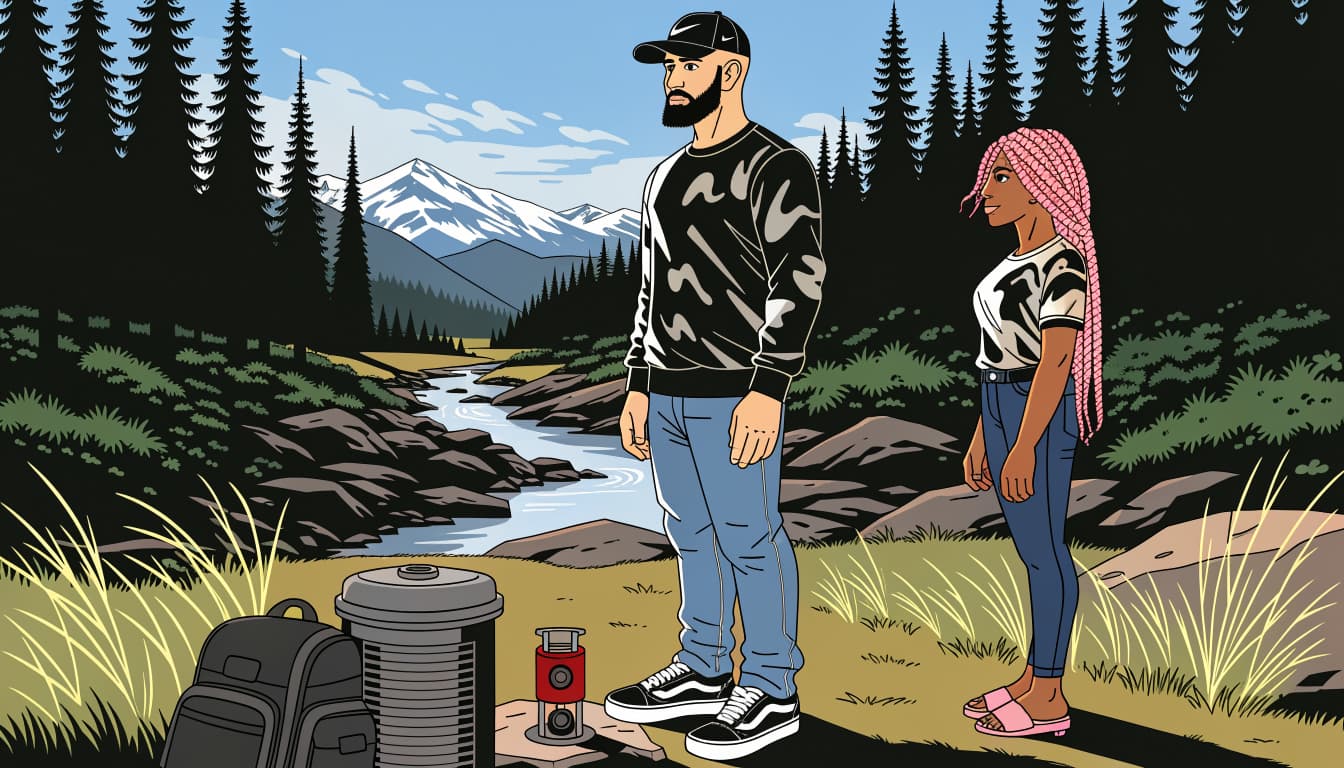
Carry a hard-sided bear canister and use a camp stove
Hard-sided bear canisters are required for all overnight visitors. Store food, food trash, and scented items inside the canister whenever they aren't in use. A bear that learns your pack contains snacks has no interest in your itinerary, your permit, or the fact that you packed those snacks for tomorrow.
Campfires are prohibited, including wood and charcoal fires. A valid wilderness permit covers a gas or propane stove with an on-off valve. Pack for stove cooking, and leave the campfire plan at home. The Forest Service's bear canister guidance sets out the storage requirement.
Stay on the trail and leave campsites as you found them
Stick to established trails. Don't cut across switchbacks or walk parallel to the trail to make a new track. Those shortcuts can leave a lasting scar on terrain that has no need for your personal trail redesign.
Pack out your trash and keep your campsite clean. Put belongings away rather than spreading them around the site, and leave the area in good shape for the next visitor. Check the day-use and parking information for current trailhead guidance, then follow the same low-impact mindset once you're on foot.
Streetwear & Casual Styling
The trail is for weather-ready clothes and sensible footwear. The walk home is where your personal aesthetic gets to clock back in. Our Cyber-Brutalist Anime Graphic Tees bring a little outdoor-loving personality into everyday outfits without pretending a graphic tee is technical gear.

Pair a graphic tee with jeans, add a casual layer when the temperature calls for it, and finish with comfortable everyday shoes. The Leave No Trace. I'm Trying. Tee brings a little self-aware trail humor to the outfit. The Protect the Park. Avoid the People. Tee keeps the wilderness mood alive while you're back among sidewalks and, yes, other people.
Frequently Asked Questions
Do you need a permit to day hike in Desolation Wilderness?
Day-use permits are free and aren't subject to a quota. During quota season, some trailheads require you to use an installed permit box. Check the current Forest Service day-use guidance for your chosen trailhead before you go.
Can you have a campfire in Desolation Wilderness?
No. Campfires are prohibited, including wood and charcoal fires. For cooking, overnight visitors can use a gas or propane stove with an on-off valve when covered by a valid wilderness permit.
How large can your backpacking group be?
The maximum group size is 12 for both day and overnight use. Larger parties should only split their plans where permitted, and each group must follow current Forest Service rules.
When should you check trail and snow conditions?
Check close to your trip and again before leaving, because snow, trail conditions, and access can change. Don't assume a trail will be clear by a particular date or that water sources will be flowing.
How many nights can you stay in the wilderness?
Overnight stays are limited to 14 days. Your permit must match your planned dates and first-night destination zone.
Set Out With a Plan That Can Adapt
A good Desolation trip starts with a route your group can handle and a permit that matches the plan. Check conditions close to departure, carry the required bear canister, and leave trails and campsites in good shape.
The high country doesn't owe anyone a perfect forecast. Confirm current Forest Service details before setting out, and give your plan enough flexibility to meet the conditions you find.