

DIY Backpacking Tent Heater: Safer Ways to Sleep Warm
TrendReactTees.STORE TeamA DIY backpacking tent heater made with fuel can expose you to carbon monoxide or start a fire. It's not a safe way to warm your tent, especially while you sleep. A better plan is to keep fuel-burning appliances outside and warm your body with a sleep setup suited to the conditions.
For the ride to camp, My Cabin Is 404 and Wifi Down Send Snacks are casual graphic tees, not cold-weather or safety gear. This guide sticks to safer ways to sleep warm, with no DIY combustion instructions.
This post may contain affiliate links, so if you make a purchase through these links, I may earn a small commission at no extra cost to you.
Key Takeaways
- Don't run a fuel-burning heater, stove, lantern, or grill inside a tent, especially while sleeping.
- An open door, vent, oxygen-depletion sensor, or indoor-use label doesn't make a tent safe for a running heater.
- A suitable sleeping bag, insulated pad, dry clothes, and weather-ready shelter help you stay warmer.
- Hand warmers and battery-powered clothing are personal-use gear, not ways to heat tent air.
- If anyone develops possible carbon monoxide symptoms, get everyone outside and seek help.
Why a DIY Backpacking Tent Heater Can Put You at Risk
Fuel-burning appliances can produce carbon monoxide, a poisonous gas that can build up inside a tent. The U.S. Consumer Product Safety Commission (CPSC) advises against using portable fuel-burning heaters or lanterns while sleeping in enclosed spaces such as tents. The danger can be greater at high altitude. Its camping equipment safety guidance is clear: don't turn your tent into a combustion chamber.
Opening a tent door or vent doesn't make running a fuel-burning heater inside safe. An oxygen-depletion sensor and an "indoor-use" label don't change that advice when you're sleeping in a tent. Don't use a stove or grill to warm the shelter, either.
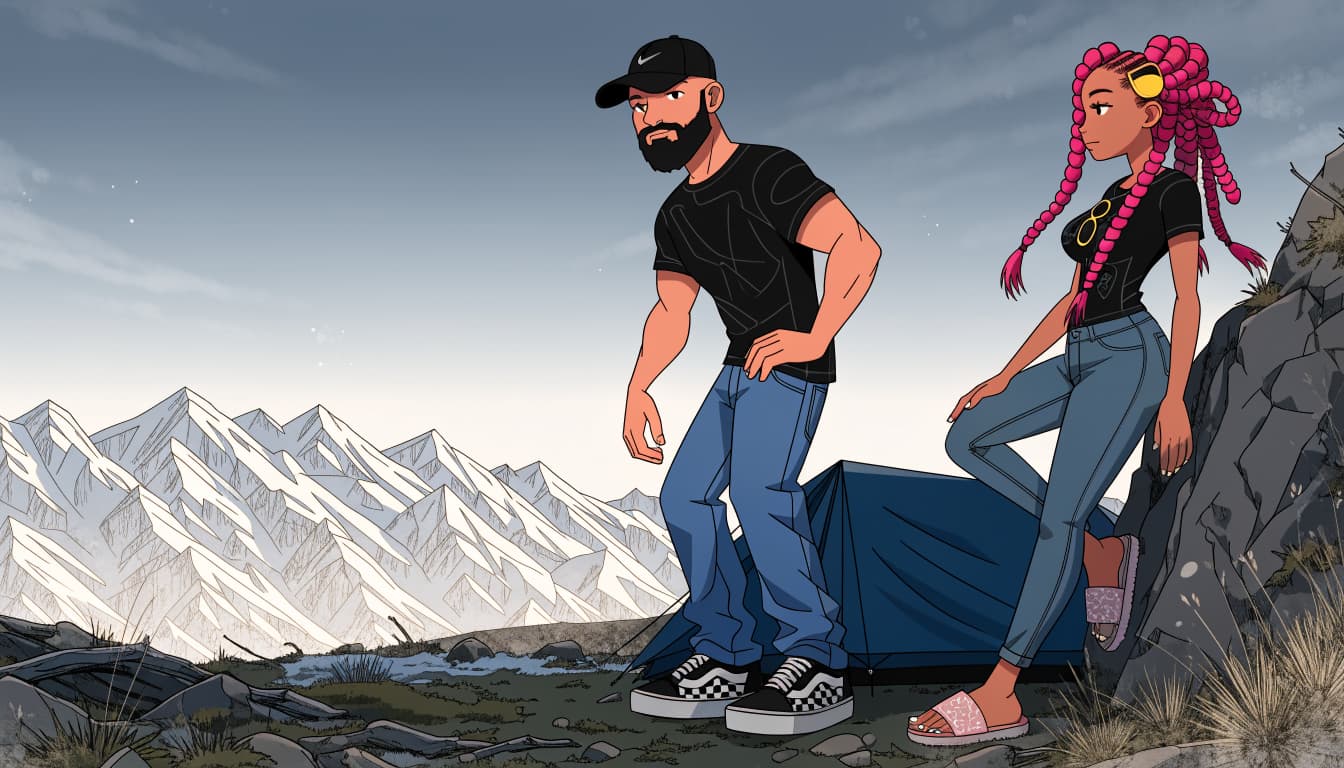
Carbon monoxide has no reliable warning signs
Carbon monoxide (CO) has no reliable warning signs you can count on. Headache, dizziness, weakness, nausea, sleepiness, and confusion can indicate poisoning. They can also feel like an ordinary illness, which makes it easy to underestimate the danger.
If anyone develops these symptoms in or near the tent, get everyone outside into fresh air immediately. Seek emergency help. Don't stay inside to troubleshoot an appliance or wait to see if the symptoms pass.
Flames and hot gear can ignite tent fabric
Candles, stoves, lanterns, and improvised heaters bring flame or hot surfaces close to fabric, sleeping bags, and clothing. Tents and bedding can catch fire quickly. The CPSC's camping hazard guidance warns about fire risks from common camp equipment.
Use a headlamp or flashlight for light inside your tent. Keep fuel appliances outside and follow their maker's directions.
Safer Ways to Stay Warm Without Heating Your Tent
Warm the sleeper, not the enclosed air. Start with insulation between you and the cold ground, then use a sleeping bag suited to the night's conditions. Keep fuel appliances outside the tent, and use them only as their makers direct.
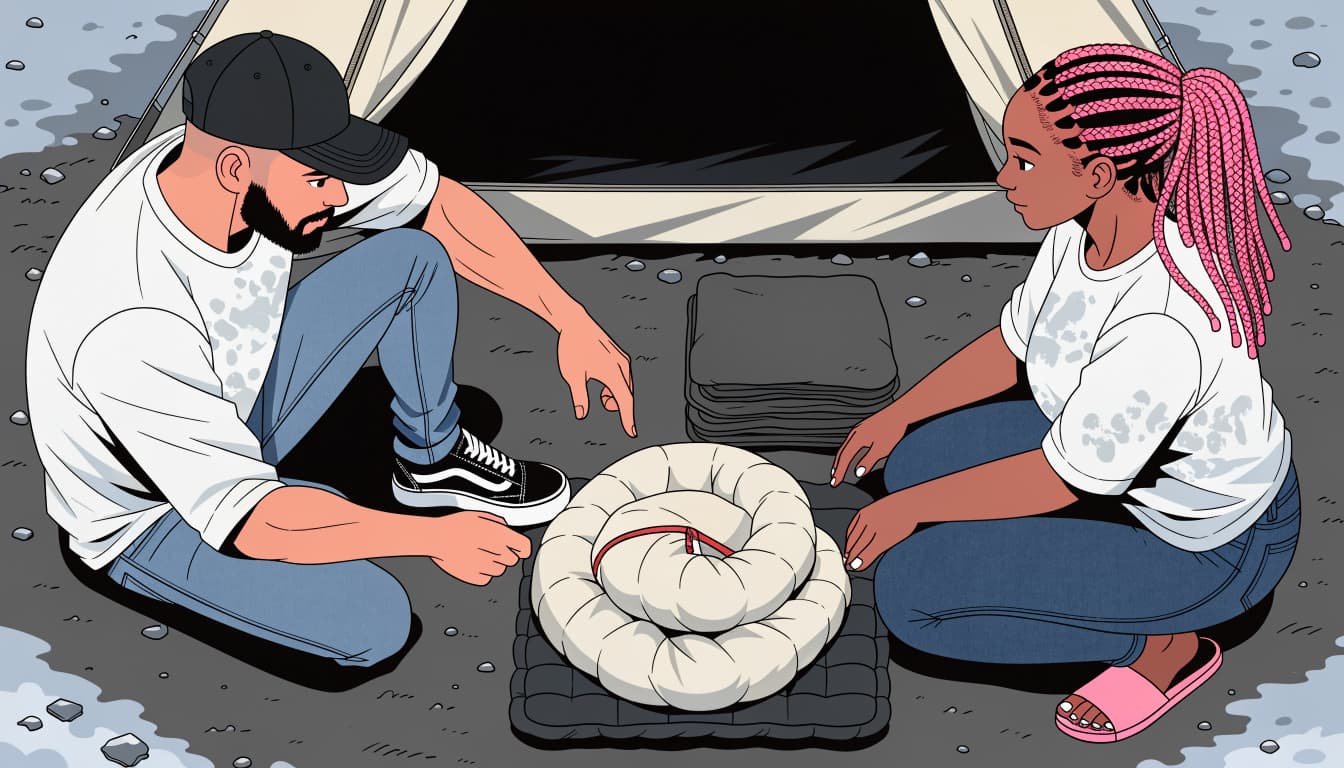
Choose a sleeping bag and pad for the conditions
Your sleeping bag and pad work as a team. The bag insulates you from the air, while the pad slows heat loss into the ground. Check the bag's temperature rating, fit, and the expected conditions. For the pad, look at its insulation rating and choose one appropriate for the temperatures you expect.
Your comfort matters, too. People experience cold differently, so a setup that works for one camper may leave another shivering. If conditions look colder than your gear can handle, change the plan rather than trying to make a tent heater fill the gap.
Keep your sleep clothes dry and add layers
Change out of damp clothes before bed, then put on dry base layers and warm socks. A hat can help if you're comfortable sleeping in one. Keep spare sleep clothes protected from moisture until you need them.
Layers help, but a hoodie or extra shirt can't replace a sleeping bag and pad rated for the conditions. Clothing is one part of the setup, not a portable patch for inadequate insulation.
Build a Warmer Backpacking Sleep System
A dependable sleep setup doesn't need to be complicated. Pair a suitable sleeping bag with enough ground insulation, keep dampness under control, and choose a shelter that fits the forecast and campsite. A tent mainly protects you from wind and weather. It isn't a safely heated room.
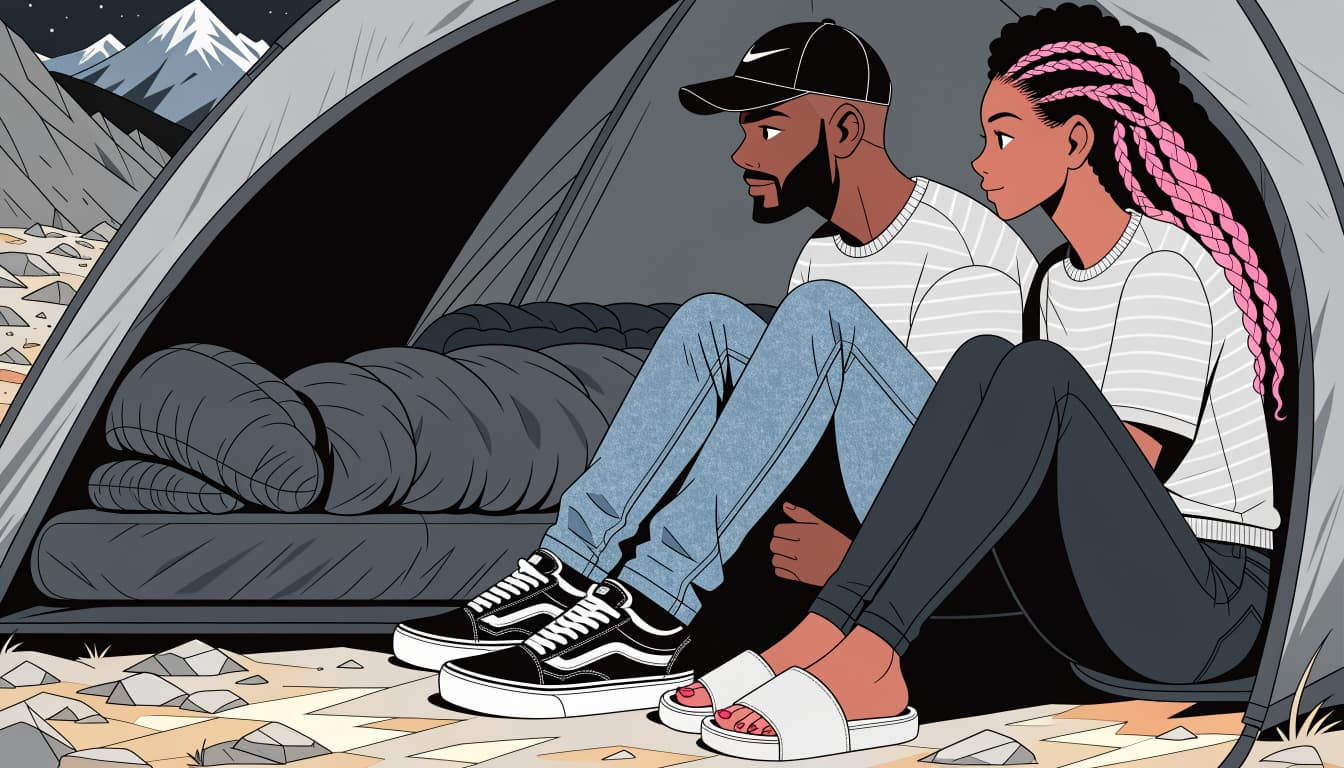
Check the ground insulation and sleeping bag fit
Cold ground can pull warmth away while you sleep, so the pad's insulation matters. Check that your sleeping bag fits without leaving large gaps around your body. A bag that's too tight can compress its insulation, while a fit that's too loose may feel drafty.
Test the complete setup before a remote trip. Spend a night in it close to home, or try it on a shorter outing. That gives you a chance to spot cold spots, a pad that doesn't suit you, or sleep clothes that aren't comfortable before you're far from an easy exit.
Manage moisture, wind, and shelter choice
Damp clothes and condensation can make a cold night feel worse. So can a windy, exposed campsite. Choose shelter and campsite placement with the forecast and terrain in mind, and follow your tent maker's guidance for ventilation and moisture management.
Ventilation can help manage moisture. It does not make a fuel-burning heater safe inside a tent. Keep combustion appliances out of the shelter, whatever the weather is doing.
Do Battery Warmers and Hand Warmers Heat a Tent Safely?
Hand warmers and battery-powered clothing can add personal warmth when used as directed. They aren't tent heaters and shouldn't take the place of a sleep system that fits the conditions.
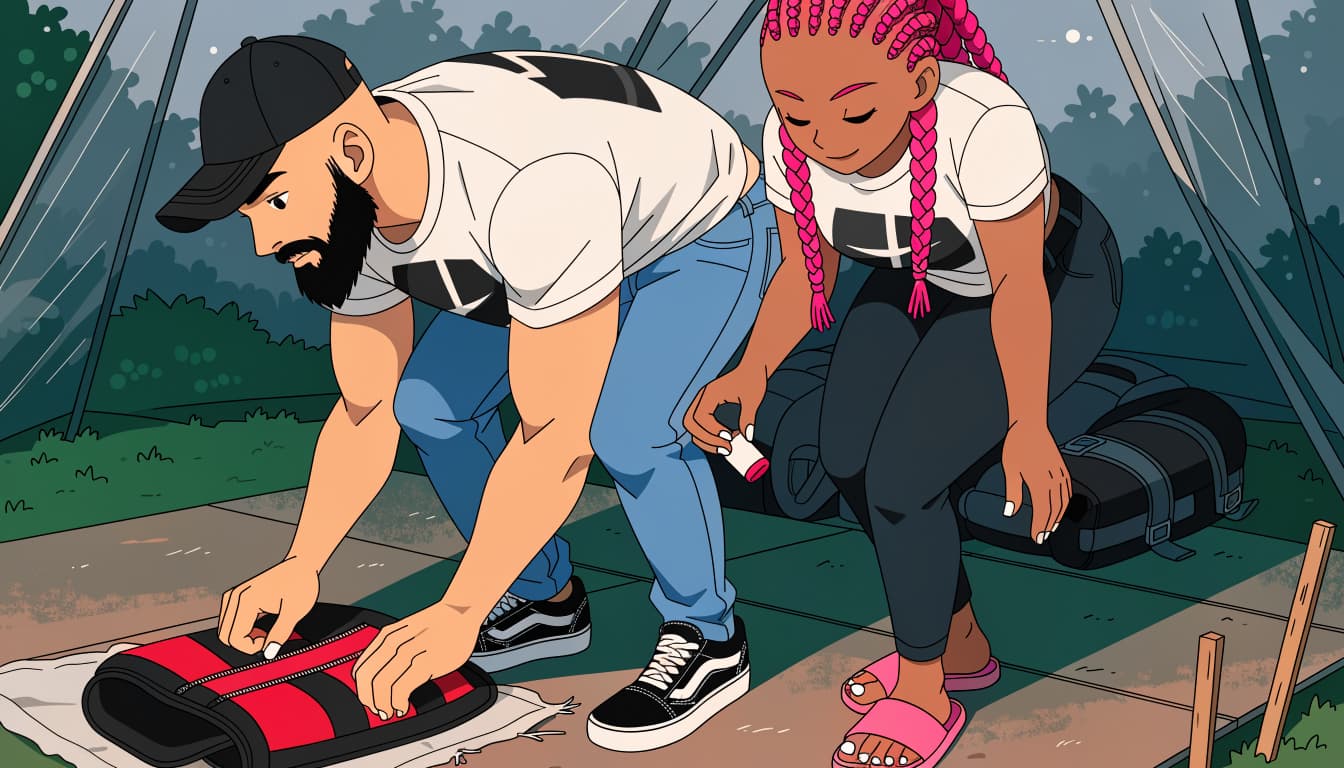
Use chemical hand warmers only as their labels allow
Disposable hand warmers are designed for limited personal warmth, not for heating the air inside a tent. Follow the package warnings and directions. Avoid prolonged direct contact with skin, especially while asleep or where pressure could limit circulation.
Don't treat a hand warmer as risk-free or as a substitute for proper insulation. If it's uncomfortable or causing irritation, stop using it.
Treat heated blankets and clothing as personal gear
Battery-powered clothing or blankets have product-specific instructions and limits. Use them only as labeled, keep batteries dry and undamaged, and don't assume a product is safe to leave unattended in a sleeping setup.
Don't charge battery-powered gear unattended while you sleep unless the manufacturer explicitly permits it. And don't count on an electric warmer to make an under-insulated sleep system safe or comfortable.
What to Do if You Feel Cold or Suspect Carbon Monoxide
Possible carbon monoxide symptoms call for immediate action. Get everyone out of the tent into fresh air and seek medical or emergency help. Don't wait inside to inspect a heater or open another flap. If the problem is ordinary cold discomfort, add dry layers, improve your sleep setup, or leave for a safer sheltered location.
Check your setup before bedtime
Check the forecast and test your sleep system before heading out. Keep dry layers within reach, and keep flames and fuel-burning appliances away from the tent and bedding. A venting trick doesn't make a combustion heater safe inside.
Know when to leave the tent
If you're too cold to sleep comfortably, don't try to solve it by running a heater in the shelter. Add dry layers or move to a safer place where you can warm up. If anyone has a headache, dizziness, weakness, nausea, sleepiness, or confusion, treat it as a possible CO emergency and get everyone outside right away.
Streetwear & Casual Styling
Camp clothes have a job. The tee you wear on the drive or around town can have a separate job: broadcasting your exact internet-brain frequency. Pair the Reading Total System Crash tee with straight-leg pants and broken-in trail sneakers. Or wear the Nature Is My Wifi tee under a removable overshirt.
For more visual direction, browse these lo-fi winter cabin graphic ideas. Keep the outfit separate from your sleep system. A great graphic tee has personality; it doesn't have a temperature rating.

Frequently Asked Questions
Can you run a propane heater in a tent with the door open?
No. An open door or vent doesn't remove the carbon monoxide danger, especially while you're asleep and may not notice symptoms. Keep fuel-burning heaters outside the tent and follow the manufacturer's directions.
Can a candle safely warm a backpacking tent?
No. A candle adds an open flame near tent fabric, bedding, and clothing. Use a headlamp or flashlight for light, and rely on a suitable sleeping bag and pad for warmth.
Will a hand warmer heat the whole tent?
No. A disposable hand warmer is intended for limited personal warmth, not for heating tent air. Follow its package directions and don't use it as a substitute for insulation.
What should you do if you wake up with a headache in your tent?
Get everyone outside into fresh air right away and seek medical or emergency help. Act especially quickly if anyone feels dizzy, weak, nauseated, sleepy, or confused. Don't stay inside to investigate a possible heater problem.
Conclusion
A DIY backpacking tent heater that burns fuel isn't worth the risk. Keep fuel-burning appliances outside, and build warmth with a suitable sleeping bag, an insulated pad, dry layers, and a shelter that matches the conditions.
For a concise visual reminder, watch "Why You Never Run a Heater in Your Tent (Carbon Monoxide)."
If carbon monoxide symptoms appear, leave the tent immediately and seek help.
This post may contain affiliate links. If you make a purchase through these links, I may earn a small commission at no extra cost to you.