

Do Corgi Puppies Shed? What Owners Should Expect
TrendReactTees.STORE TeamYes, Corgi puppies shed. Both Pembroke and Cardigan Welsh Corgis have double coats, so loose hair is a normal part of puppy life, with heavier shedding possible at certain times of year.
Your puppy's coat doesn't come with a universal shedding schedule, but gentle grooming can help you manage the fluff. If your dog-parent wardrobe needs an upgrade, our Best Dog Mom Tee and My Therapist Is A Dog Tee understand the assignment. Here's what to expect when that small Corgi moves in and starts leaving souvenirs on your clothes.
This post may contain affiliate links. If you make a purchase through these links, I may earn a small commission at no extra cost to you.
Key Takeaways
- Both Pembroke and Cardigan Corgi puppies shed because they have double coats. The amount varies by dog.
- Pembrokes can shed daily, with heavier shedding in late spring or early summer. Cardigan guidance describes a different pattern.
- Gentle brushing removes loose hair and helps you spot tangles, debris, and skin changes.
- Bathe your puppy when needed with dog-formulated shampoo, after working out tangles.
- Contact your veterinarian about bald patches, itching, irritated skin, sores, unusual odor, or sudden shedding changes.
Do Corgi Puppies Shed? Here's What You Can Expect
Your Corgi puppy sheds, even if its coat looks like a perfectly contained cloud of fluff. Both Welsh Corgi varieties have a double coat, and neither comes with a promise that your couch will stay hair-free.
For a look at the Pembroke breed, the American Kennel Club's introduction covers its coat and other traits:
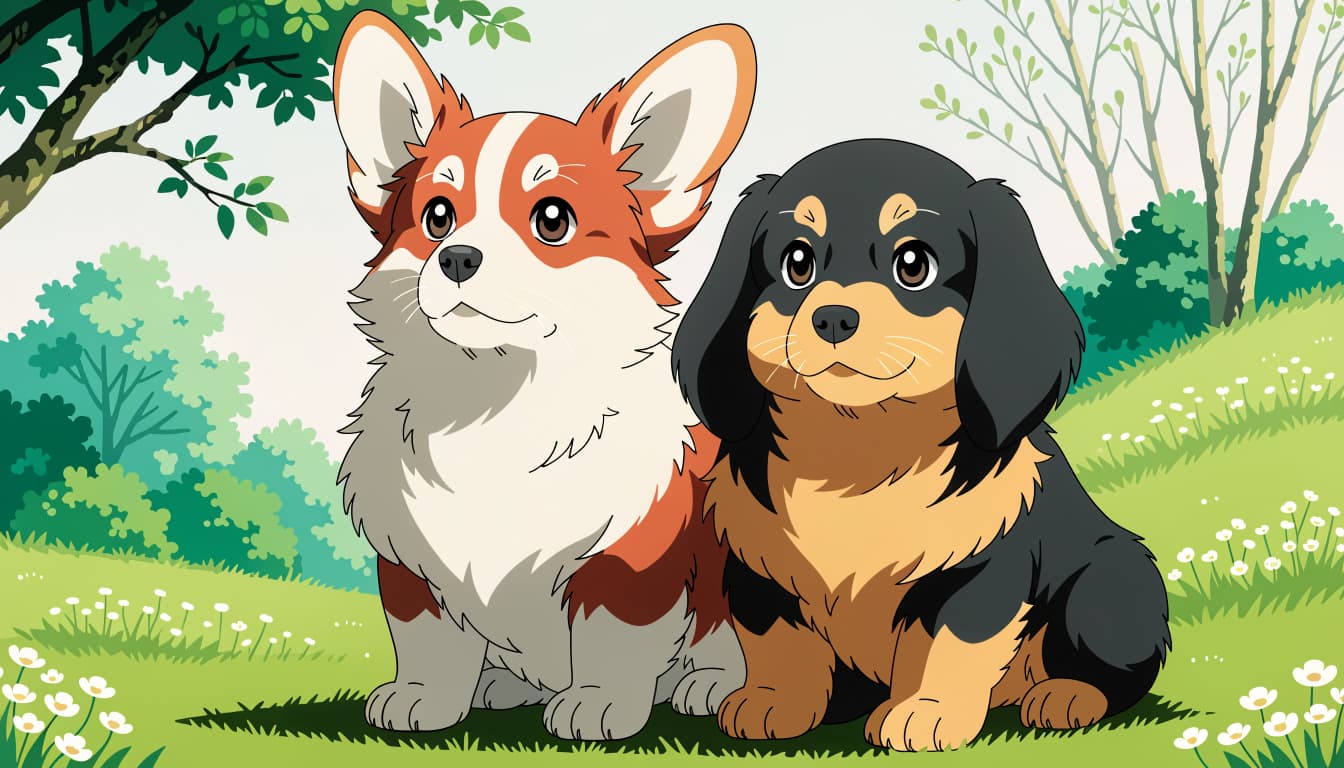
What a double coat means
Under the outer hair, your puppy has a softer, dense undercoat. The longer outer coat helps protect the dog from the elements. Both layers are part of the coat you care for, and loose hair can collect within it before ending up on your furniture.
The AKC's double-coated dog care guidance describes tools that can reach loose undercoat hair. The goal is to remove hair that's ready to come out, while keeping your puppy comfortable.
How much loose hair is normal?
You'll notice different amounts depending on your individual puppy and the time of year. Breed descriptions also use different language: Pembroke guidance discusses daily shedding, while Cardigan club guidance describes shedding as occurring roughly twice a year.
Those descriptions don't give you a reliable way to predict whose Corgi will fill a brush faster. Watch your own puppy's coat and build a routine around what you see. A few hairs on your hoodie are ordinary Corgi-owner inventory.
How Puppy Coat Changes and Seasonal Shedding Affect Your Corgi
Your puppy's coat can change in texture and appearance as it matures. Soft puppy fluff may give way to a more defined adult coat, but you shouldn't expect that change to follow an exact calendar.
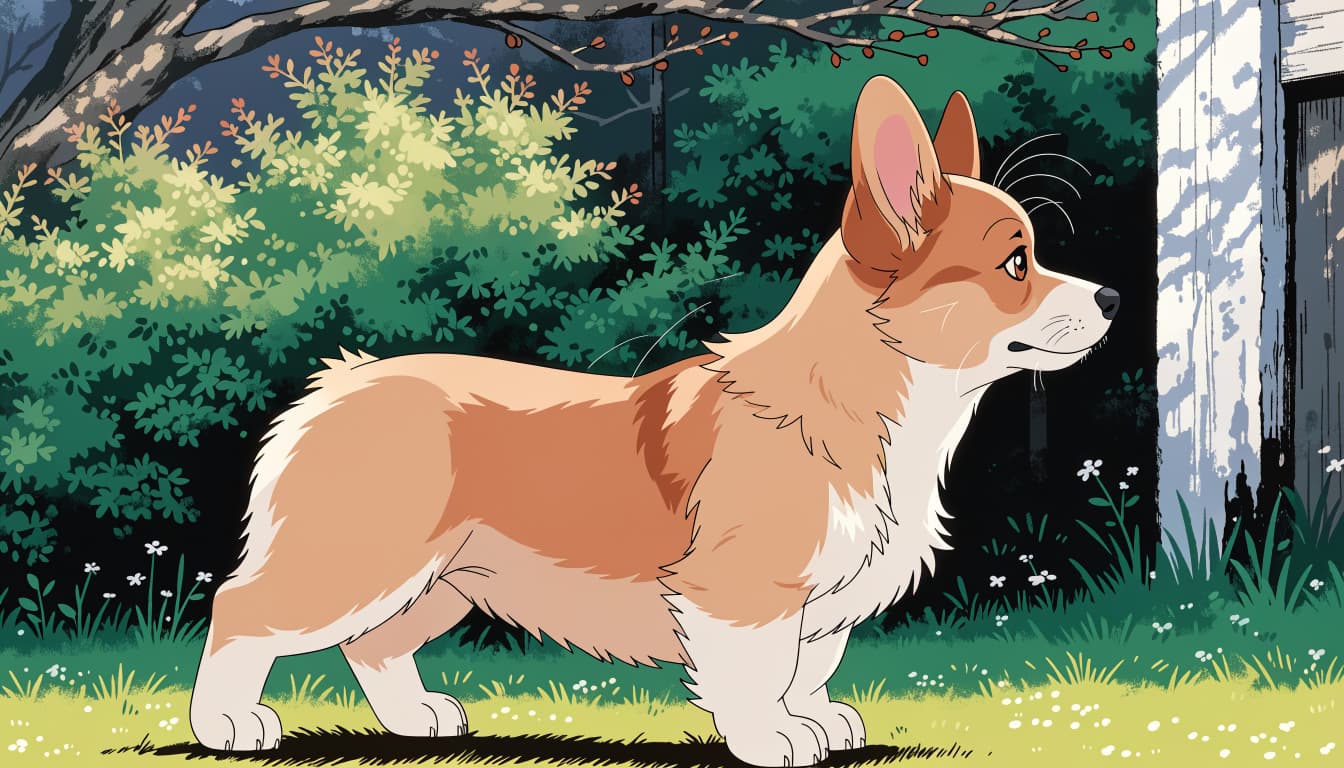
Why the coat can look different over time
As your Corgi grows, you may notice differences in how its coat feels, lies, or collects loose hair. Keep grooming gentle during that change. A brush that works well on one area may need a lighter touch on another, especially where the coat is thinner or your puppy is sensitive.
You don't need to strip away every loose hair in one session. Regular, comfortable handling gives you a better picture of your dog's coat than an ambitious attempt to fill an entire trash bag.
When seasonal shedding gets heavier
The AKC's Pembroke breed guidance describes daily shedding, with more hair coming out in late spring or early summer. The Cardigan Welsh Corgi Club of America describes its breed's shedding differently, so don't apply one Pembroke timetable to every Corgi.
You may hear a heavier seasonal shed called "blowing coat." It can mean more loose undercoat in your brush and more frequent cleanup around the house.
Your best reference point is your own dog. A noticeable increase in loose hair may fit its normal pattern, but shedding accompanied by itching, bald areas, or irritated skin deserves veterinary attention.
How to Brush and Bathe Your Corgi Puppy Without Overdoing It
A good grooming routine keeps loose hair moving out of the coat and gives you time to notice changes. It should also feel manageable for your puppy. Nobody needs a grooming session that turns into a boss fight.
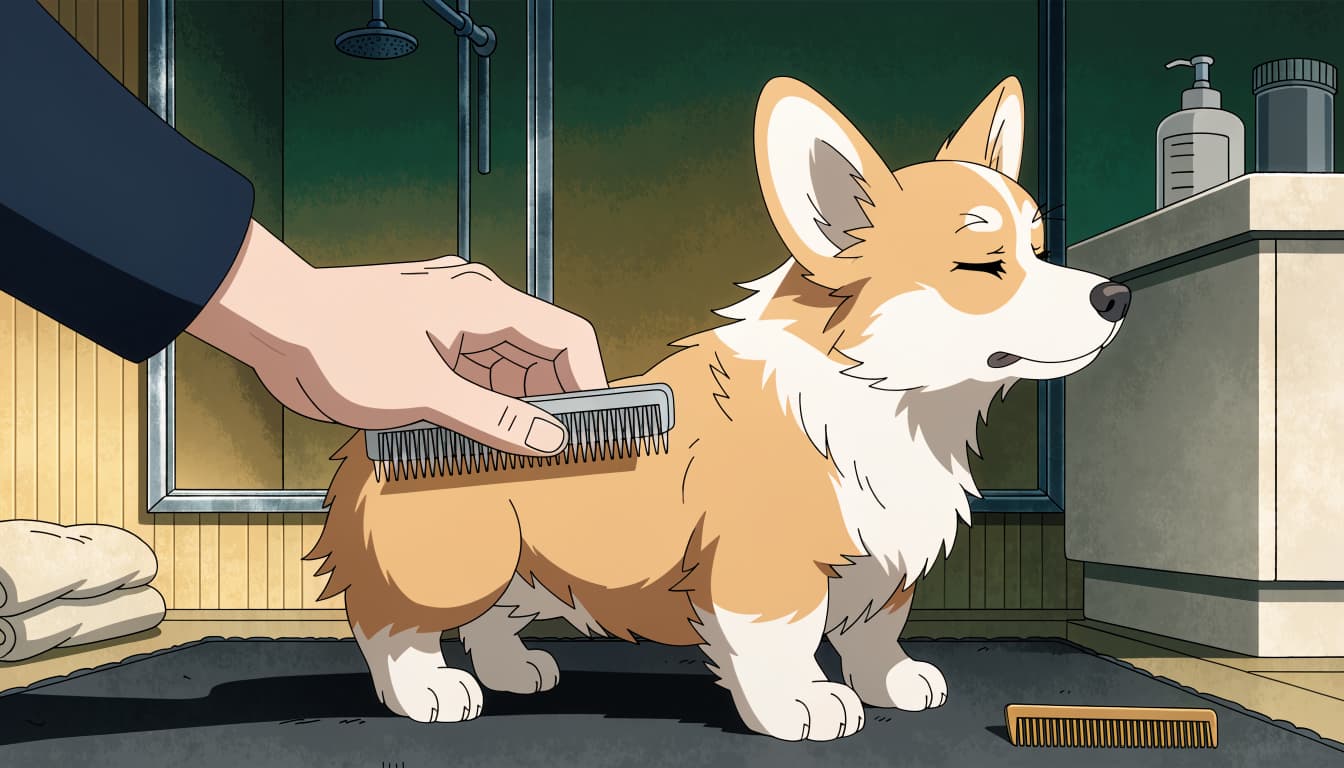
Brush gently and check the coat
A comb and slicker brush are useful options for a Corgi coat. The AKC recommends both for Pembrokes, and its guide to dog brushes explains how different tools work.
Start with a short session and gentle strokes. Work in the direction the hair grows, avoid scraping the skin, and stop if your puppy seems uncomfortable. Praise and small rewards can help your dog get used to the brush and handling.
Check behind the ears and where a harness or other equipment rubs. After muddy walks or trips through vegetation, look for burrs, caught debris, and tangles. If a knot won't come out comfortably, ask a qualified groomer for help rather than pulling harder.
If you also care for a terrier, our Jack Russell coat care guide covers how grooming needs differ between coat types. Your Corgi's own coat and comfort should guide its routine.
Bathe when needed
Brush out tangles and remove debris before your puppy gets wet. Water can make tangles harder to work through, so give them your attention first.
Use shampoo formulated for dogs, rinse it out thoroughly, and dry your puppy comfortably. Bathe when your dog is dirty or needs a wash rather than following a rigid calendar. If skin irritation affects what your puppy tolerates, ask your veterinarian about suitable products and handling.
When Corgi Puppy Shedding May Need a Vet's Attention
Loose hair on a brush is one thing. Bald patches, irritated skin, or a puppy who can't stop scratching are another.
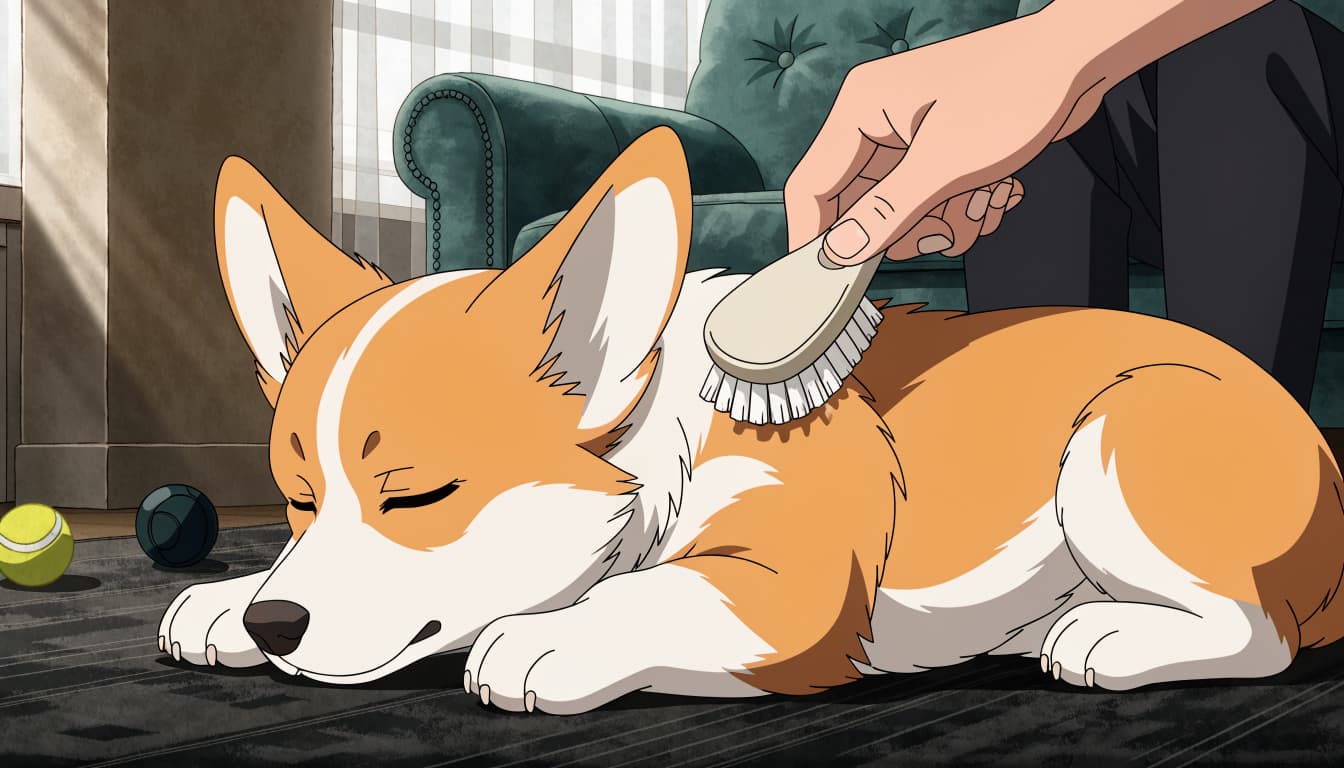
Know the warning signs
Contact your veterinarian if you notice bald or patchy areas, persistent itching, redness, sores, or an unusual skin or coat odor. A sudden change in shedding also deserves attention, especially when it comes with other skin changes.
You might notice these signs during a routine brush, after a walk, or when you're giving your puppy a belly rub. Part the hair gently enough to look at the skin, without rubbing or picking at any irritated area.
The AKC's advice on managing dog shedding can help with ordinary loose hair. It doesn't replace an examination when your puppy's skin looks uncomfortable.
Don't treat irritation with extra brushing
More brushing won't fix the cause of a skin problem, and repeated strokes over a sore area can make your puppy less comfortable. Avoid trying new grooming products or forcing a session over irritated skin while you wait for veterinary advice.
When you contact your vet, describe what you've noticed and when it changed. Mention any itching, odor, or areas of hair loss. That gives your veterinarian useful context without requiring you to guess what's causing the problem.
Streetwear & Casual Styling
Your Corgi may consider your outfit a portable fur collection station. You can still give the look some personality.

Build a relaxed fit around our Cyber-Brutalist Anime Graphic Tees. Pair the Dog Eats Custom Kibble Living On Ramen Tee with comfortable jeans, a simple overshirt, and everyday sneakers. Your dog gets premium kibble energy; your outfit gets the joke.
For another oddly specific dog-parent mood, the If They Could Use Internet We'd Be In Trouble Tee works with the same easy layers. Keep a lint roller nearby, and let your puppy handle the chaos.
Frequently Asked Questions
Are Corgi puppies hypoallergenic?
You shouldn't count on a Corgi being hypoallergenic. Both varieties shed, and no dog is completely hypoallergenic. If allergies are a concern, discuss your situation with an allergist before bringing a puppy home.
Should you shave a Corgi to reduce shedding?
Shaving isn't a substitute for caring for your Corgi's double coat. Regular, gentle brushing helps remove loose hair while leaving the coat's protective layers in place. If a coat or skin problem makes you think clipping is necessary, ask your veterinarian or a qualified groomer for advice.
Can food or supplements stop a Corgi from shedding?
Food won't turn a shedding coat into a shed-free one. Give your puppy a complete and balanced diet appropriate for growth, and ask your veterinarian before adding supplements. Your vet can also help if you notice a dull coat or other changes alongside unusual shedding.
How can you keep Corgi hair off furniture?
Washable covers, routine vacuuming, and a lint roller can make cleanup easier. Brush your puppy regularly to collect loose hair before more of it lands on the couch. Some fur will still find its way into places you didn't know existed.
Does a Corgi puppy need a professional groomer?
You can handle routine brushing and many baths at home if your puppy is comfortable. A qualified groomer can help with difficult tangles or handling that you can't manage gently. For irritated skin or unexplained hair loss, start with your veterinarian.
Make Room for the Fluff
Shedding is part of life with a Corgi puppy. The amount and timing depend on your dog, so your best routine is the one that fits the coat in front of you.
Keep brushing gentle, bathe when needed, and pay attention to skin changes. If you see unusual hair loss or irritation, your veterinarian can help you decide what comes next.
Your puppy gets comfortable care. You get a lint roller with permanent job security.