

Do Shih Tzu Puppies Shed? What to Expect
TrendReactTees.STORE TeamYes, Shih Tzu puppies shed. Their loose hairs often get caught in their long coats, so you're more likely to find them during brushing than floating across the floor.
That low-shedding coat still needs regular care. For your own dog-parent uniform, the Best Dog Mom Tee and My Therapist Is A Dog Tee keep the puppy appreciation visible.
Your puppy's coat will change as they grow, and some hair loss deserves a closer look. Here's what to expect before your brush becomes a permanent household resident.
This post may contain affiliate links, so if you make a purchase through these links, I may earn a small commission at no extra cost to you.
This post may contain affiliate links. If you make a purchase through these links, I may earn a small commission at no extra cost to you.
Key Takeaways
- Shih Tzu puppies shed, although their coats often hold loose hairs until you brush them out.
- Many puppies begin changing into their adult coats around 10 to 12 months, but timing varies.
- Long coats may need daily brushing. Shorter cuts still require regular checks and grooming.
- Low shedding doesn't guarantee an allergy-free dog or a hair-free couch.
- Contact your veterinarian about bald patches, irritated skin, itching, pain, or worsening hair loss.
Do Shih Tzu puppies shed as they grow?
Shih Tzu puppies shed as part of their normal hair growth cycle. They're generally considered a low-shedding breed, so you may see less hair around your home than you would with many other dogs.
Their long, dense coats can catch loose hairs before those hairs reach your furniture. When you brush, the collection on the brush may look more dramatic than the amount you've noticed around the room.
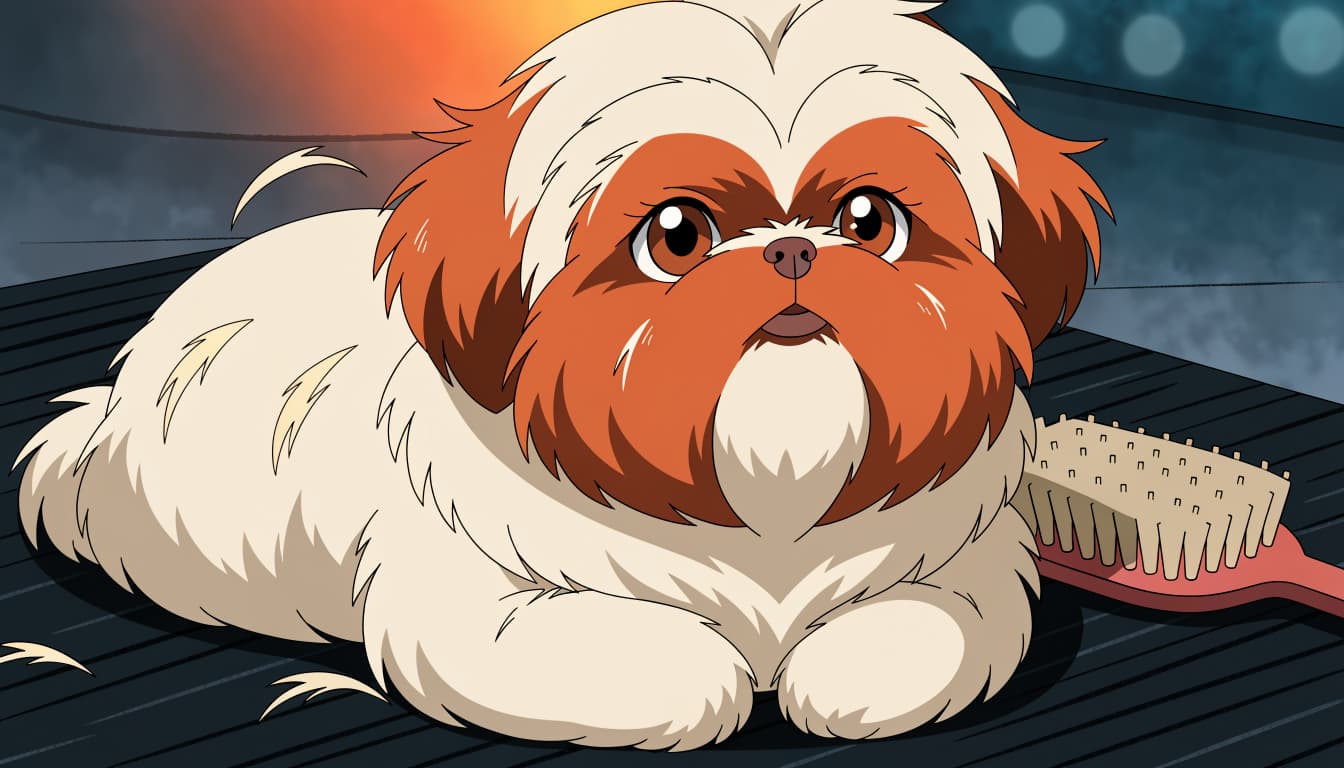
That doesn't mean every puppy sheds the same amount. Coat length, age, and individual differences all affect what you notice. Your friend's Shih Tzu doesn't get to set the shedding rules for yours.
The American Kennel Club's Shih Tzu breed information also makes the grooming commitment clear: that long coat needs regular attention. A small dog can absolutely come with a sizable brush collection.
If you're new to the routine, this video offers a visual introduction to Shih Tzu coat care:
When does a Shih Tzu puppy's coat change?
Many Shih Tzus begin shifting from their puppy coat toward an adult coat at around 10 to 12 months. Your puppy may change earlier or later, and the transition doesn't look identical on every dog.
As the coat changes, you might notice more loose hair in your brush or find tangles forming faster. Those hairs can stay caught among the longer strands, which makes regular combing especially helpful.

Pay attention to the areas that rub, including behind the ears, under the legs, and around a harness. A quick look after a walk can catch small tangles or bits of debris before they settle in for a long stay.
The coat transition is a general observation, not a calendar alert that explains every change. If you see exposed skin, patchy loss, redness, or persistent scratching, contact your veterinarian instead of assuming it's puppy coat business as usual.
How to care for your puppy's coat and manage loose hair
Your routine depends on coat length and condition. Some Shih Tzu care guidance suggests brushing and combing every other day, while a long coat may need daily attention. Short sessions also collect loose hair before it reaches your clothes and furniture.
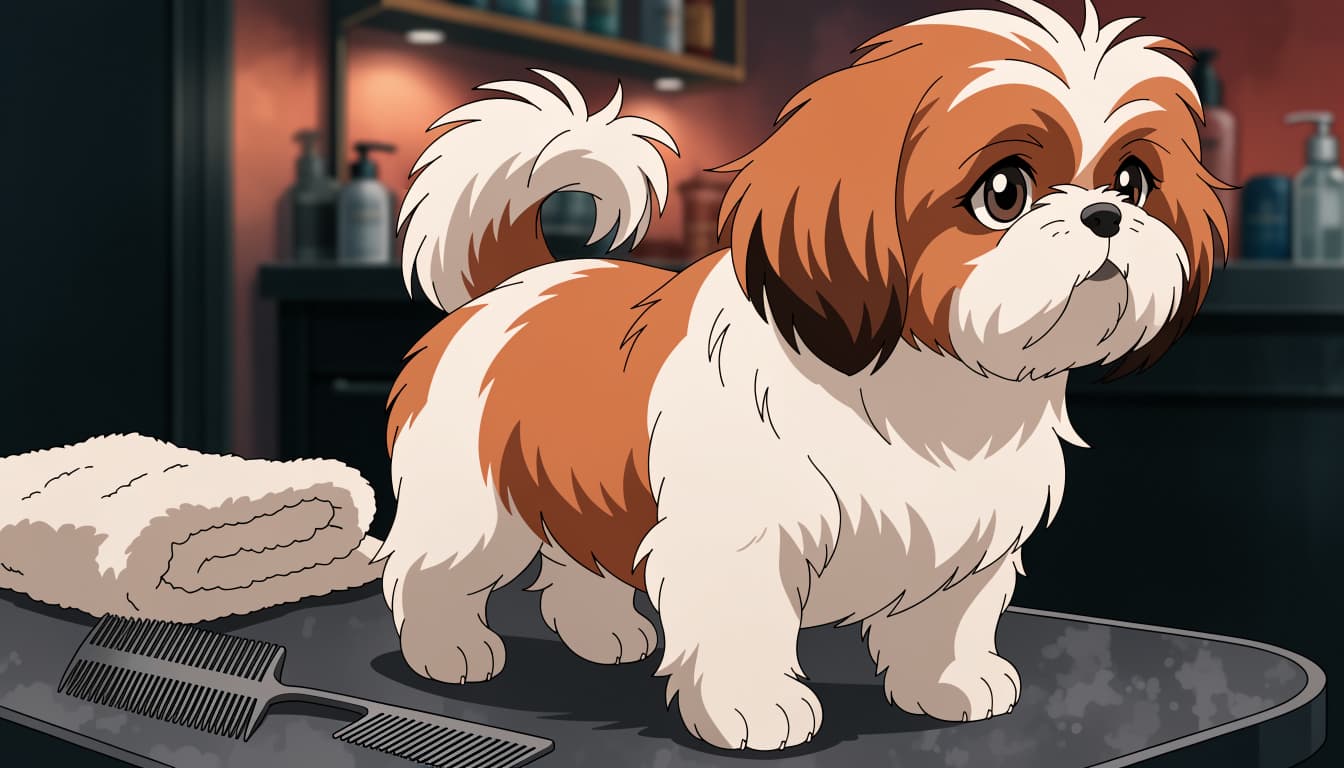
Brush in layers and check for tangles
Part the coat and work through small sections so you reach the hair close to the skin. Brush gently, then use a comb to check for snags. Keep the tools comfortable against your puppy's skin, and don't yank through a knot.
Look behind the ears and wherever a collar or harness rubs. If a tangle won't come apart gently, ask a qualified groomer or veterinarian for help. Tight mats and sharp scissors are a terrible team.
Choose a grooming routine your puppy can tolerate
Start with short, calm sessions and reward your puppy for accepting the brush and handling. You can build up gradually as they become comfortable. If your puppy seems sore or distressed, stop and ask your veterinarian or groomer for advice.
Use a dog-safe shampoo when bathing is needed. The AKC's puppy bathing guide covers gentle introductions to bath time. For Shih Tzus, a bath every three to four weeks is a starting point, not a rule for every puppy.
A shorter puppy cut can make upkeep easier. Grooming about every four to six weeks is another starting point, though your dog's coat and comfort determine the routine.
What shedding means for your home and allergies
A Shih Tzu may leave less loose hair around your home than many other breeds. Your couch, bedding, and favorite black jeans can still collect a few souvenirs.
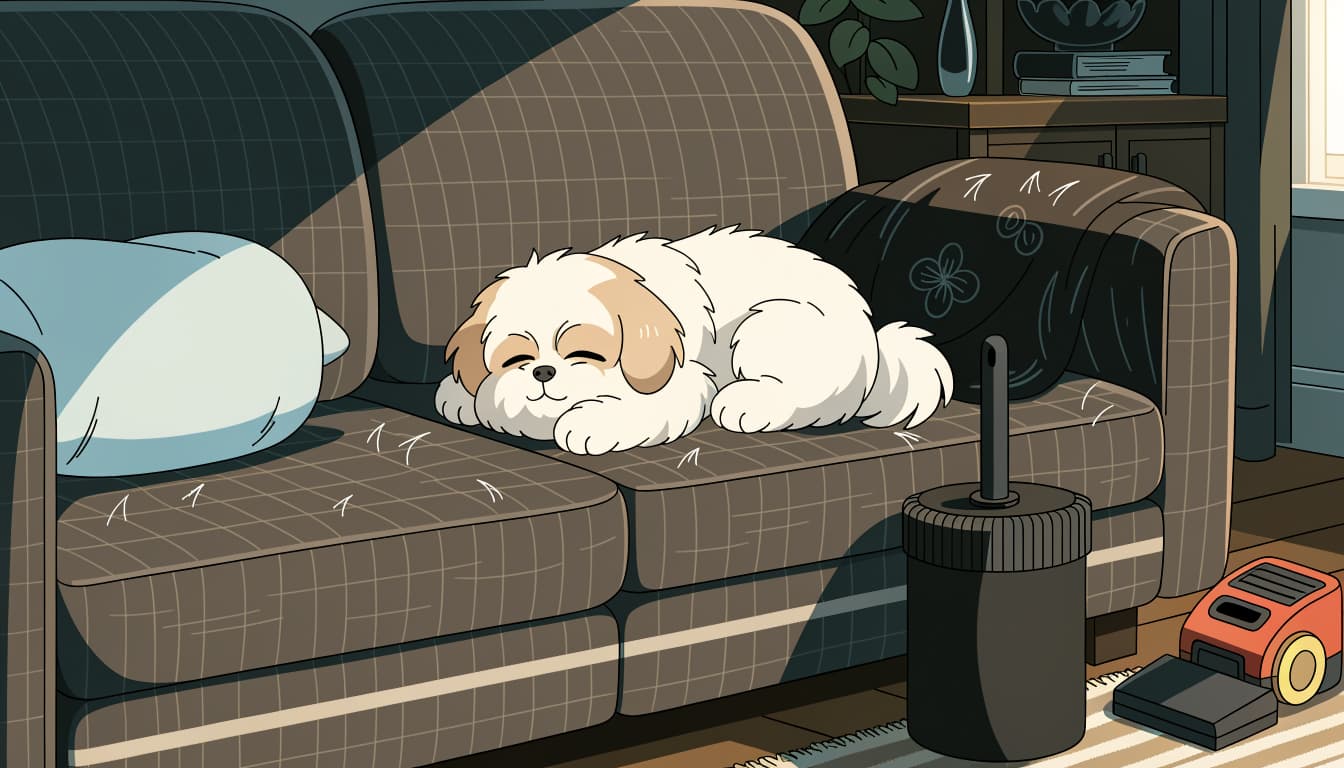
Keep cleanup realistic
Brush regularly, vacuum the spots your puppy uses most, and choose washable covers for favorite lounging areas. A lint roller near the door is a practical accessory when your outfit needs to leave the house before your puppy does.
Don't assume a shorter coat means fewer hairs on the sofa. As with rough and smooth Jack Russell coats, coat length changes the care routine but doesn't promise a shed-free home.
Plan for allergies separately
Low shedding doesn't make a Shih Tzu allergy-proof. Allergens can come from sources beyond loose hair, including skin and saliva, and no breed can be guaranteed not to trigger an allergic person.
If allergies are part of your household's decision, talk with an allergist or another medical professional before choosing a dog. Your symptoms and circumstances matter more than a breed label with excellent marketing.
When is hair loss more than normal shedding?
Ordinary shedding is generally spread across the coat and doesn't leave obvious bald patches. You might find loose strands in the brush while your puppy's skin remains covered and comfortable.
Hair loss deserves veterinary attention when you notice clear thinning, bald areas, exposed skin, or shedding that keeps getting worse. Itching, redness, scaling, pain, and sores are also reasons to contact your veterinarian.
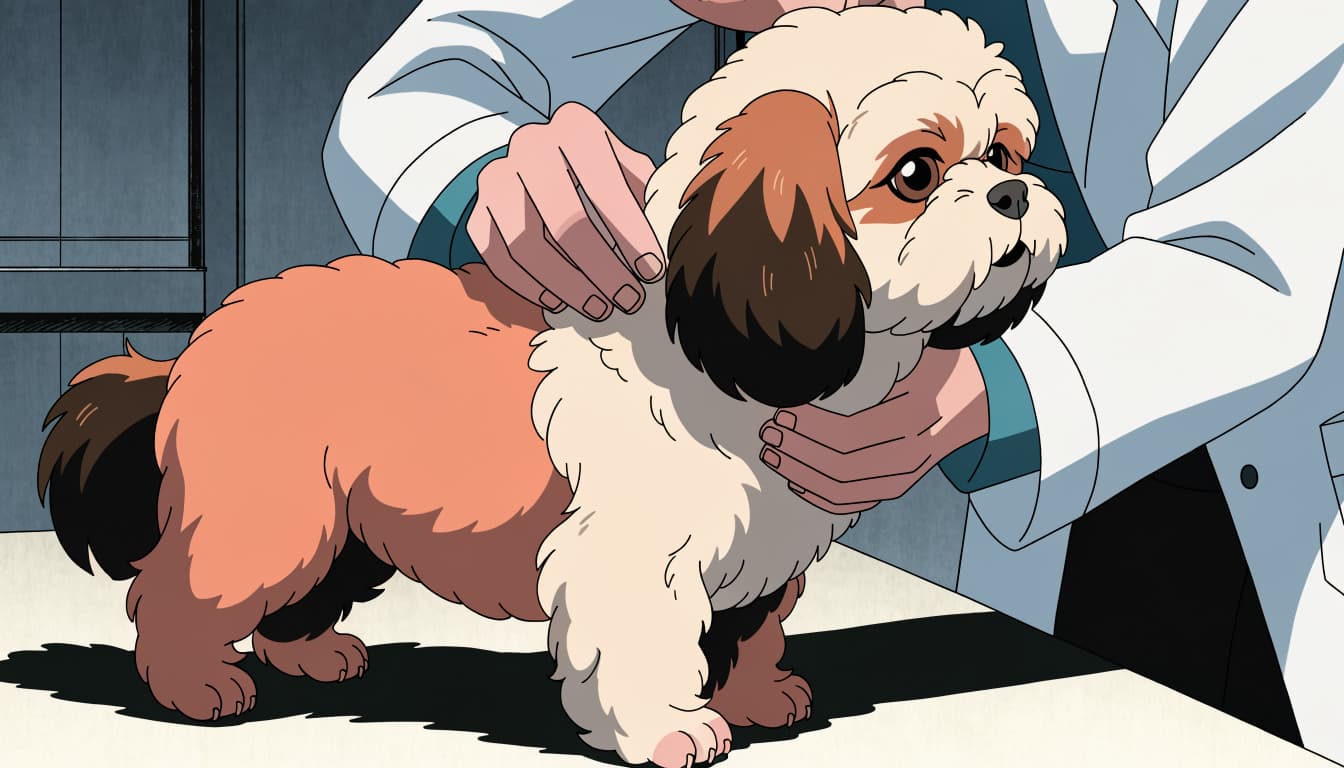
The Merck Veterinary Manual's guide to hair loss describes how a veterinarian can examine the coat and skin to help identify what's happening. Depending on the findings, your veterinarian may recommend tests.
You don't need to diagnose the cause at home. Notice where the change appears, when you first saw it, and whether your puppy seems uncomfortable. Those details can help you describe the problem during the appointment.
Keep regular coat checks gentle, especially if an area looks irritated. Your puppy's comfort comes before finishing the brushing session.
Streetwear & Casual Styling
Your puppy's walk is also a perfectly good excuse to wear a shirt with more personality than your average loading screen.
Pair the If They Could Use the Internet, We'd Be in Trouble Tee with relaxed jeans and comfortable sneakers for an easy dog-walk outfit. Prefer a painfully relatable pet-parent budget joke? The Dog Eats Custom Kibble Tee does the talking.
Our Cyber-Brutalist Anime Graphic Tees bring the visual energy. Your leash, suitable walking gear, and attention to your puppy handle the practical side.
Frequently Asked Questions
Do Shih Tzu puppies shed more during certain seasons?
Shedding patterns vary between puppies, so you shouldn't count on a predictable seasonal schedule. Pay attention to your puppy's usual pattern and contact your veterinarian if a change comes with thinning or irritated skin.
Does a short puppy cut stop shedding?
A short cut doesn't stop hair growth or shedding. It can make brushing and spotting tangles easier, but you'll still need to check the coat and keep up with grooming.
Are Shih Tzus a good choice if you have allergies?
A Shih Tzu may shed less visibly than many breeds, but that doesn't guarantee you won't have symptoms. Talk with an allergist or another medical professional about your situation before bringing a dog home.
Should you brush your Shih Tzu puppy every day?
A long coat may need daily brushing, while some guidance recommends brushing and combing every other day. Choose a routine that suits your puppy's coat and keeps tangles from building up, and ask a groomer for help if you're unsure.
Can you use human shampoo on a Shih Tzu puppy?
Choose a shampoo made for dogs rather than reaching for your own bottle. If your puppy has sensitive or irritated skin, ask your veterinarian which products and bathing routine are appropriate.
Keep Your Puppy's Coat on Your Radar
Your Shih Tzu puppy sheds, even if the evidence shows up on the brush instead of across the couch. A regular routine helps you manage loose hair and keeps that long coat comfortable.
Watch your puppy's individual pattern rather than chasing a perfect schedule. If you notice patchy loss or skin changes, contact your veterinarian. You can enjoy the adorable coat without expecting it to maintain itself.