

Does Tesla Have Brake Pads? A Practical Maintenance Guide
Yes, your Tesla has brake pads, even though regenerative braking can reduce how often you use them. Your electric car still needs conventional brakes, and fewer pedal presses don't make those components maintenance-free.
If you're wondering about wear, replacement, or that suspicious scraping sound, the useful distinction is how your Tesla slows down. Regeneration handles plenty of everyday deceleration; pads and rotors handle friction braking. Here's what that means for your driving habits, inspections, and service schedule.
Key Takeaways
- Your Tesla has conventional brake pads and rotors alongside regenerative braking, which recovers energy while slowing the car.
- Regeneration can reduce pad wear, but your driving habits and brake condition still determine replacement needs.
- Lightly used brakes can develop corrosion, so low wear doesn't mean you can skip maintenance.
- Tesla recommends a brake-fluid health check every four years, with replacement if needed.
- Check your exact model's guidance for mechanical-brake use and salted-road caliper care.
Does Tesla Have Brake Pads? Yes, Here's How They Work
Your Tesla has two ways to slow down: regenerative braking and conventional friction braking. They work alongside each other. Buying an EV doesn't delete the brake hardware, however futuristic the touchscreen looks.
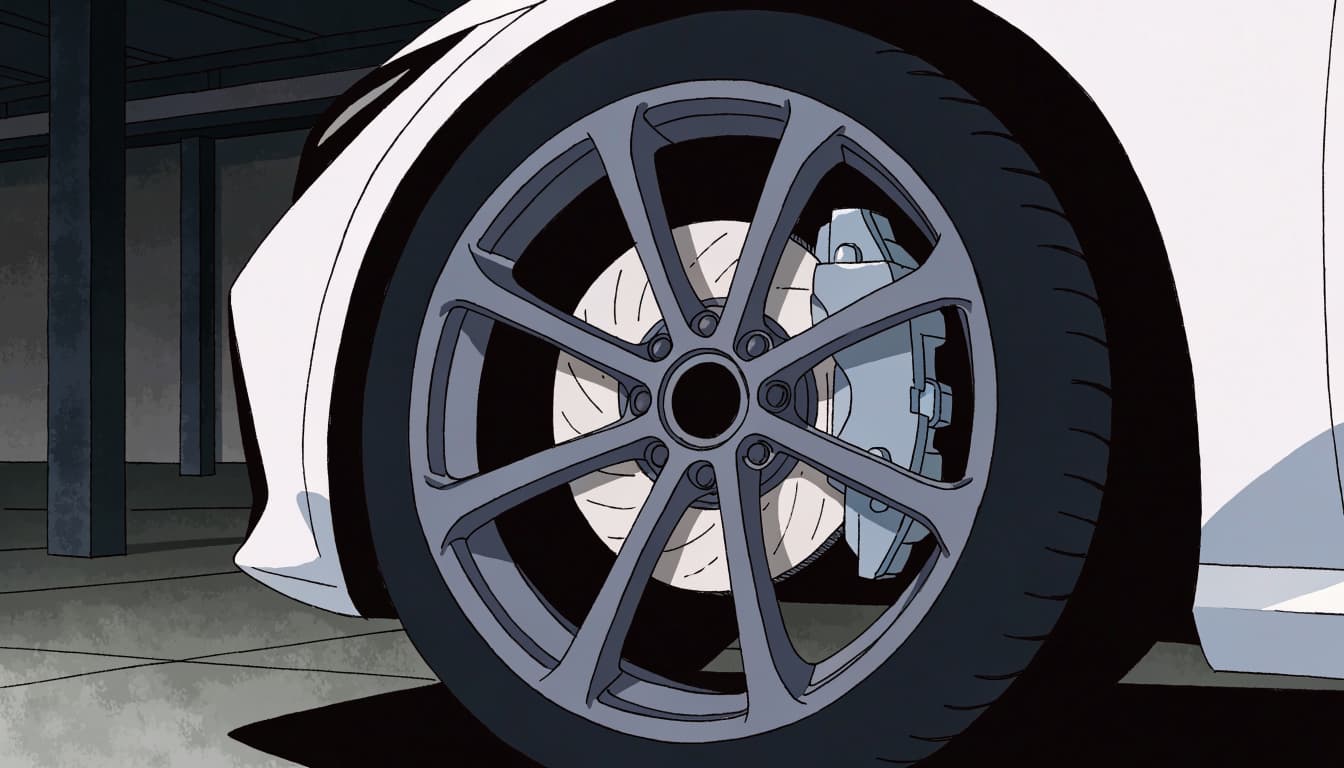
What your pads and rotors do
When you apply the mechanical brakes, calipers press brake pads against the rotors attached to your wheels. That friction slows the wheels and turns motion into heat.
Your pads contain friction material that gradually wears down with use. The rotors and calipers also need to remain in good condition. You can't judge the whole system by how much pad material remains.
These brakes remain available when you need mechanical braking, including situations that demand more stopping force than regeneration provides. Your brake pedal still matters. Treating it like an optional accessory would be a spectacularly bad interpretation of one-pedal driving.
How your motor recovers energy
During regenerative braking, your drive motor acts as a generator. It resists the wheels' motion, slows your car, and sends recovered energy back into the battery.
That means you can often reduce speed by easing off the accelerator. Regenerative braking can be limited when the battery is cold or fully charged, so deceleration won't always feel identical.
Tesla's Braking and Stopping guide explains the relationship between regeneration and mechanical braking. Keep enough following distance and use the brake pedal whenever needed.
For a visual reference, you can watch "Tesla Rear Brake Maintenance." Follow your vehicle's service instructions rather than treating a video as a universal repair procedure.
How Regenerative Braking Affects Tesla Brake Pad Wear
When regeneration handles much of your everyday slowing, your friction brakes generally do less work. That can make pad replacement less frequent than in many gas-powered cars.
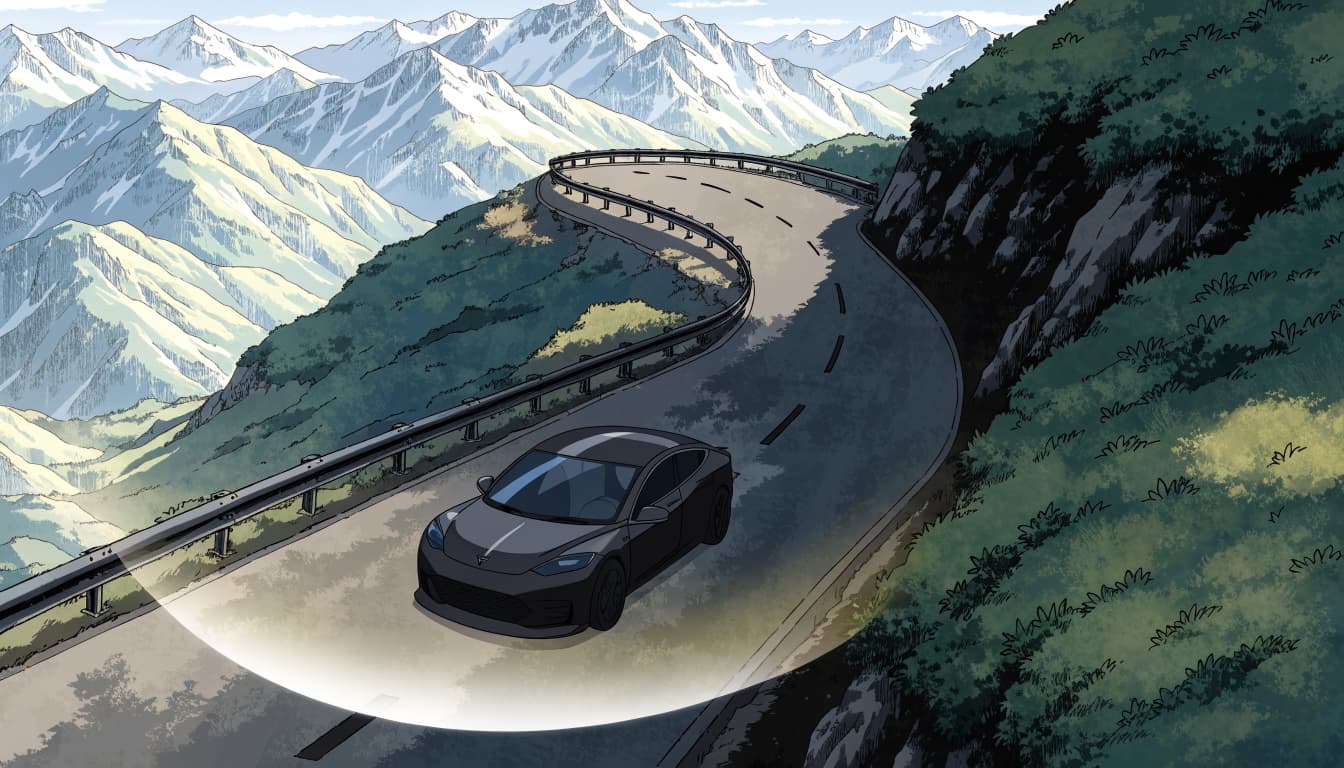
Your actual wear depends on driving habits, road conditions, vehicle model, and brake setup. Frequent hard braking puts different demands on the pads than gradual deceleration.
Anecdotes about enormous mileage on original pads aren't a maintenance schedule. Someone else's commute doesn't measure your remaining friction material.
Why low brake-pad wear doesn't mean no brake maintenance
Your pads and rotors can need attention even when you rarely touch the pedal. Moisture and road salt can encourage corrosion, while towing, mountain descents, and performance driving can increase braking demands.
You also have separate service concerns: pad thickness, rotor condition, brake-fluid health, and caliper operation. A healthy result for one doesn't clear the others.
Thick brake pads don't prove the whole brake system is healthy. Corrosion, fluid condition, and caliper problems require separate checks.
Why Tesla recommends using the mechanical brakes sometimes
Tesla recommends periodically pressing the brake pedal to engage the mechanical brakes. This helps dry the pads and rotors and limit rust or corrosion when regeneration handles most deceleration.
Keep this within normal, safe driving. You don't need abrupt stops, a deserted-road experiment, or a dramatic brake-testing side quest.
Apply the brakes when traffic and road conditions allow. Tesla doesn't provide one universal frequency or mileage for this practice, so don't invent a daily quota. Follow the guidance for your vehicle.
When to Replace Tesla Brake Pads and What Service to Expect
Tesla's maintenance guidance doesn't give one universal mileage or time interval for replacing brake pads. Condition determines replacement, including remaining pad material and whether the brakes operate safely.
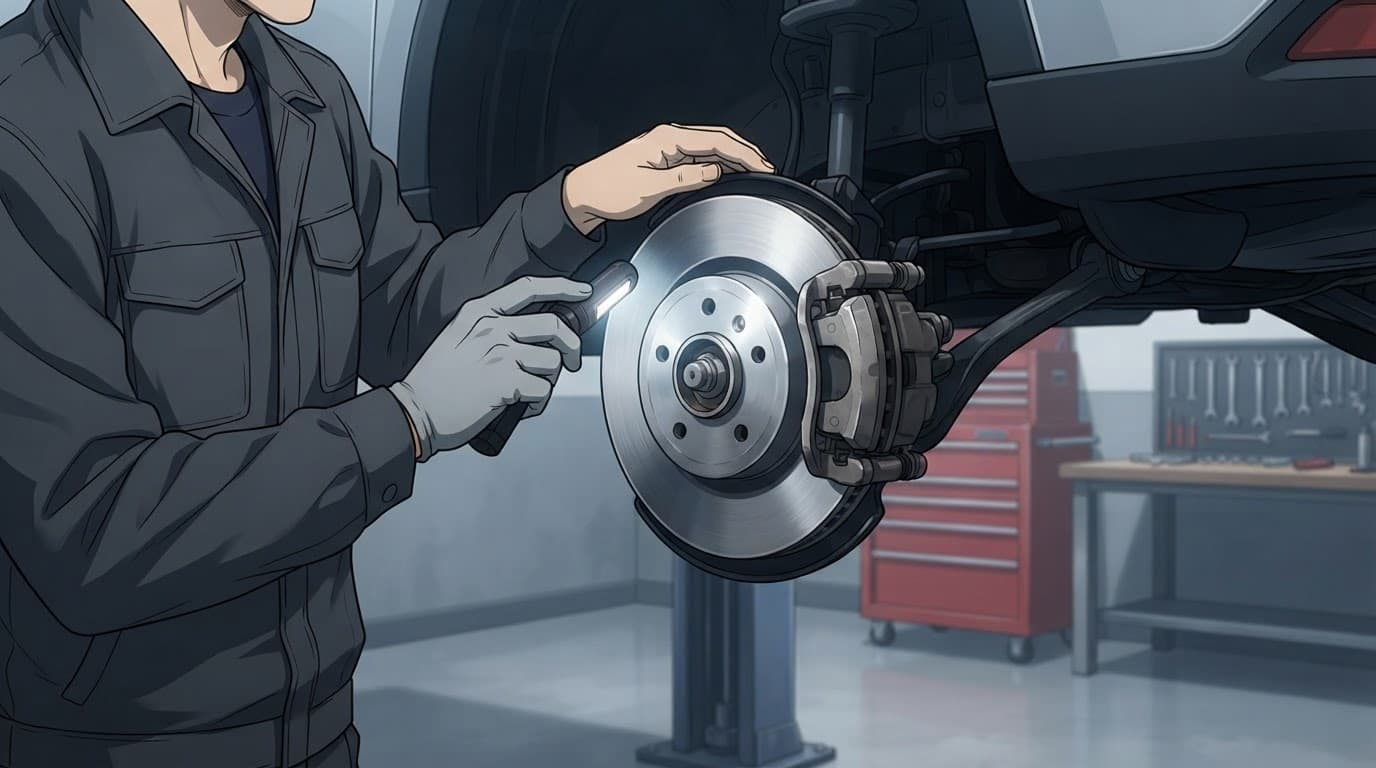
A qualified technician can inspect the pads, rotors, and related components. Your odometer alone can't tell you whether the brakes need service.
Signs you should have your brakes inspected
Arrange an inspection for grinding, unusual scraping, vibration during braking, a change in pedal feel, or a brake-system alert. These symptoms can have different causes, so don't diagnose them through a comment-section popularity contest.
Tell the technician when the issue happens. Does it appear during light braking, after rain, or only at higher speeds? That detail helps the inspection without requiring you to identify the failed component.
If braking feels unsafe, stop somewhere safe and arrange assistance. Don't keep driving to see whether the problem disappears. A warning light also deserves attention even if your pads aren't due for replacement.
Where to get Tesla brake service
You can request service through the Tesla app. Describe the symptoms and confirm the inspection or maintenance needed for your exact model and year.
An experienced, qualified brake technician may also be an option where permitted. Ask whether the shop has the correct vehicle-specific procedures, equipment, and parts information before booking.
Request an explanation of the findings and proposed work. Pad replacement, rotor service, fluid checks, and caliper maintenance are separate tasks. Your service plan should reflect what your car needs, rather than bundling everything under the vague label "brakes."
Brake Fluid and Winter Caliper Care Follow Separate Schedules
Tesla recommends a brake-fluid health check every four years, with replacement if necessary. That is a fluid-testing interval, not an instruction to replace your pads every four years.
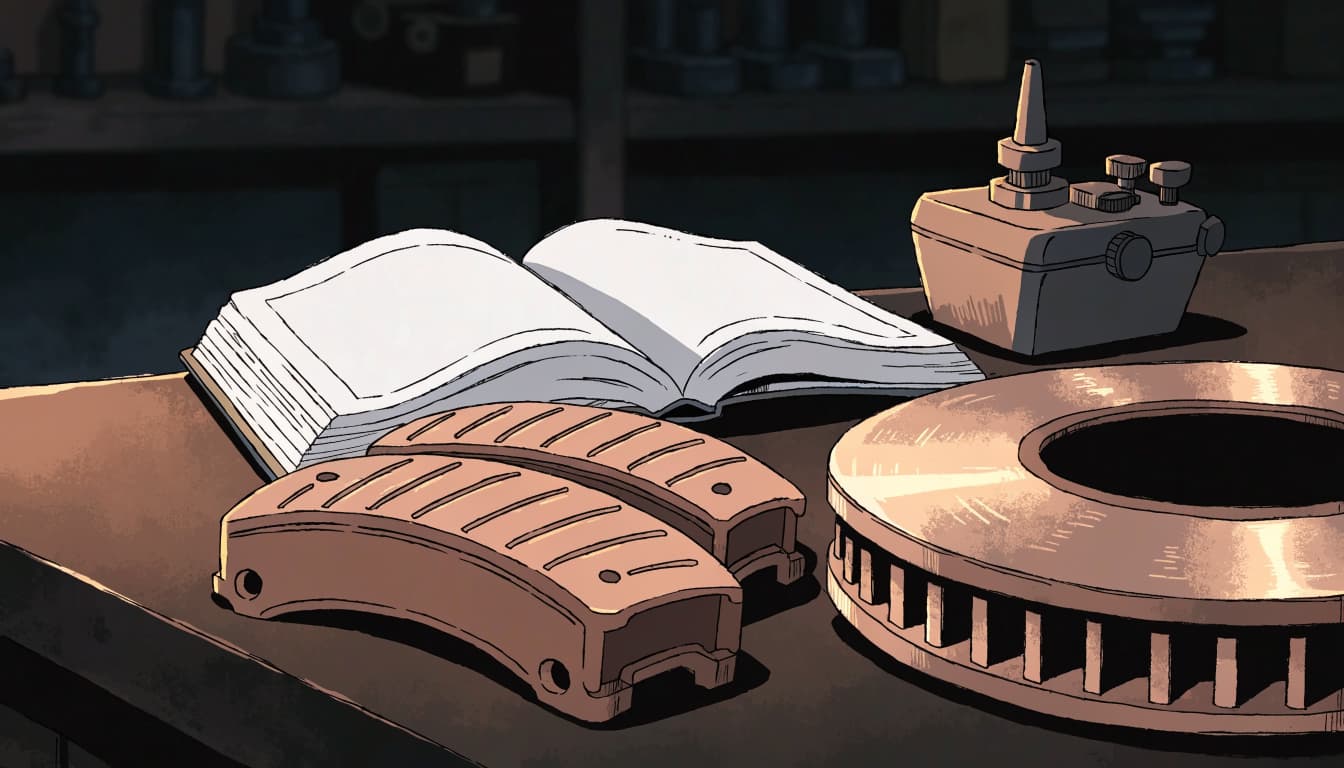
Your brake fluid transmits pressure through the hydraulic braking system. Its condition matters even when your pads have plenty of material left.
Tesla's Model 3 maintenance intervals also warn that heavy braking demands can require more frequent fluid checks and replacement. Towing, mountain descents, and performance driving deserve attention, especially in hot, humid conditions.
For salted roads, caliper cleaning and lubrication are another concern. Current Model 3 guidance lists this service every year or 12,500 miles when you drive where roads are salted during winter.
Don't apply that schedule blindly across every Tesla. Salted-road guidance can vary by model and model year, so check your manual or confirm through the app.
Tesla's vehicle maintenance guidance separates these tasks. Keeping them distinct helps you avoid confusing a fluid check with a pad replacement or overlooking winter-related care.
Streetwear & Casual Styling
Once you've handled the car-maintenance logistics, your outfit can have a little more personality than a service receipt.
Build your casual look around Cyber-Brutalist Anime Graphic Tees. Pair bold anime artwork with relaxed cargos for a utility-heavy silhouette, or choose dark-wash denim when you want a cleaner base.

An open overshirt or lightweight bomber adds layers without covering the entire graphic. Keep the surrounding colors restrained so the artwork gets the spotlight.
If your tee already looks like it escaped a dystopian anime opening, you can skip competing patterns. Simple sneakers and one understated accessory keep the outfit easy to wear.
Your clothes express your taste. Your vehicle's maintenance requirements remain exactly the same.
Frequently Asked Questions
Do Tesla brake pads last the life of the car?
You may go a long time before replacement, especially when regeneration handles much of your everyday slowing. But your pads aren't guaranteed to last the vehicle's full life. Their condition and safe braking performance determine when replacement is needed, regardless of mileage.
Does regenerative braking replace the brake pads?
No. Regeneration reduces how much you rely on friction braking, but your pads remain part of the mechanical braking system. You still need that system when regeneration can't provide enough deceleration, so it must remain ready even if you rarely use it.
How often should you replace Tesla brake pads?
There's no single interval that applies to every Tesla. Follow condition-based inspections and the maintenance advice for your exact vehicle. Ask for the technician's findings rather than assuming that another owner's mileage proves your pads are fine or that a calendar date requires replacement.
Do Tesla owners need to press the brake pedal sometimes?
Yes. Tesla recommends periodically applying the mechanical brakes to help dry the pads and rotors and limit corrosion. Do this only when safe, within normal driving conditions. You don't need aggressive stops or a home-made testing routine to follow that guidance.
Is a brake-fluid check the same as replacing brake pads?
No. A fluid check evaluates the hydraulic fluid, while pad replacement addresses worn friction material. Tesla recommends checking brake-fluid health every four years and replacing it if needed. You can need one service without the other, so keep both items separate in your maintenance records.
Keep Your Tesla's Brakes Ready
Your Tesla has brake pads, and regenerative braking can reduce their wear. It doesn't remove your responsibility to maintain the mechanical brakes.
Watch for changes in sound, vibration, or braking feel. Follow the maintenance guidance for your exact model and year, including separate fluid and caliper care.
You can enjoy fewer pedal presses without confusing them with zero brake maintenance. The hardware still needs to be ready when you need it.