

Domestic Long Hair Maine Coon Mix: What to Know
TrendReactTees.STORE TeamA domestic long hair Maine Coon mix is a longhaired cat with suspected Maine Coon ancestry, not a confirmed or officially recognized mix breed. Your cat may have a shaggy coat, tufted ears, or a big plume of a tail, but appearance alone can't prove its family tree.
If your cat has claimed the whole couch and your camera roll, you already know the important part: you've got a cat with main-character energy. For a little cat-parent flair, check out our Best Cat Mom Tee and Reassuring My Cat Good Boy Tee. First, let's separate the clues in your cat's appearance from the facts you can actually know.
This post may contain affiliate links. If you make a purchase through these links, I may earn a small commission at no extra cost to you.
Key Takeaways
- "Domestic longhair" describes coat length, while "Maine Coon mix" suggests possible ancestry.
- A big frame, shaggy coat, tufted ears, and bushy tail are clues, not proof.
- Pedigree records document lineage; DNA tests provide estimates and selected genetic results.
- Match grooming, meals, play, and veterinary care to your individual cat, not a breed label.
What Does "Domestic Long Hair Maine Coon Mix" Actually Mean?
"Domestic longhair" is a practical description for a cat with a long coat and no confirmed pedigree breed. "Maine Coon mix" is an informal label for suspected ancestry. Put together, the phrase tells you what the cat looks like and what someone thinks might be in its background. It doesn't certify a family tree.
A shelter may use the label because a cat looks Maine Coon-like or because someone reported that history. Unless there are records supporting the claim, treat it as a possibility, not a fact. The Cat Fanciers' Association's Maine Coon profile describes a combination of traits used to define the pedigreed breed, rather than a single telltale feature.
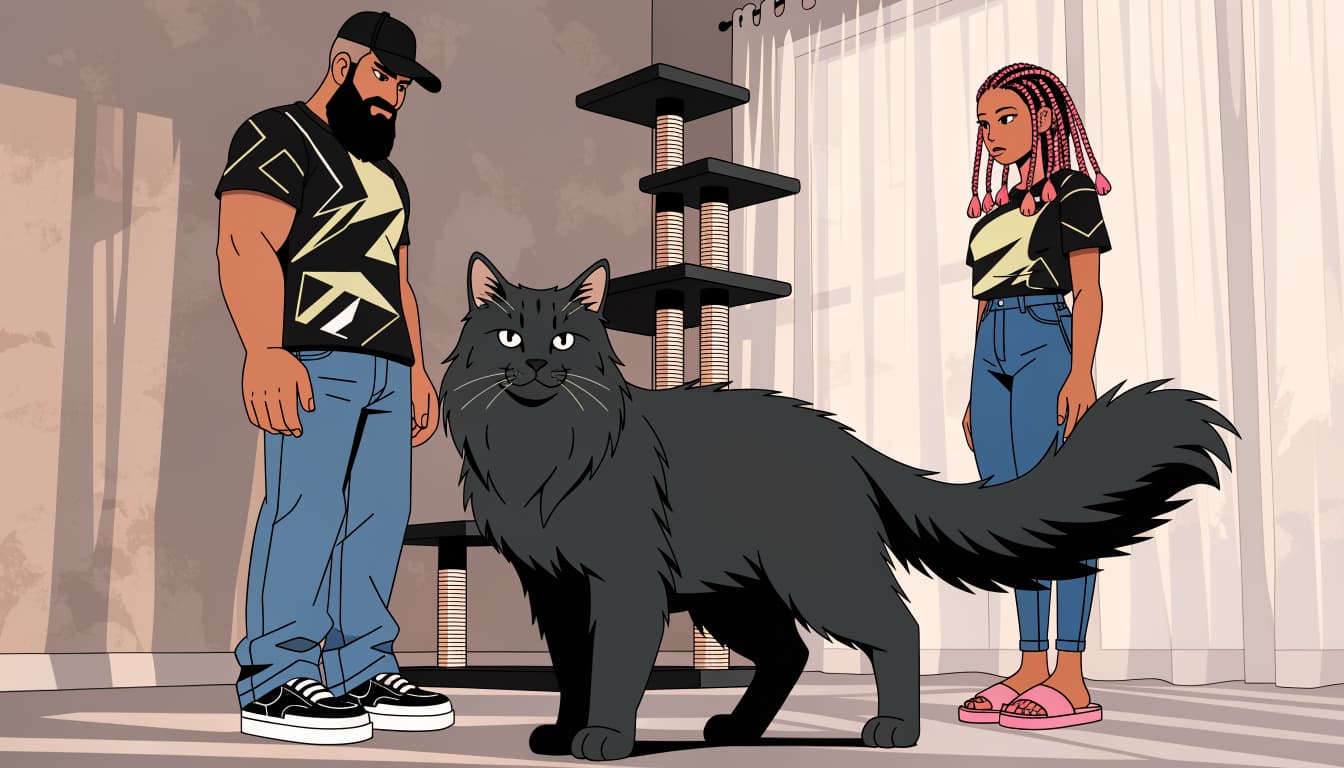
Why a Long Coat or Big Tail Cannot Prove Ancestry
Maine Coons are known for a large frame, tufted ears and paws, a bushy tail, and a heavy, shaggy coat. Those features can make a cat look like a tiny forest cryptid who pays rent in purrs.
But domestic longhairs can share the same traits. And a cat with some Maine Coon ancestry may not display all of them. Coat length, tail fluff, and size can make the label plausible, but none confirms it on its own.
What Pedigree Papers and Cat DNA Tests Can Tell You
Ask the shelter, rescue, or previous owner what supports the ancestry label. A pedigree documents lineage. A consumer DNA test may estimate ancestry by comparing your cat's results with a company's reference data, but an estimate isn't a pedigree and doesn't guarantee your cat's health.
If you don't have reliable records, you can still learn plenty by observing your cat's build, coat, habits, and health over time. The label can be a fun bit of lore. Your cat's needs are the useful part.
What Size, Looks, and Personality Can You Expect?
A pedigreed Maine Coon's size and appearance offer reference points, not a growth chart for your mix. The Cat Fanciers' Association notes that Maine Coons mature slowly and may take several years to reach full size. A mixed-breed cat may grow differently, so follow your own cat's growth and body condition with a veterinarian rather than aiming for a particular breed size.
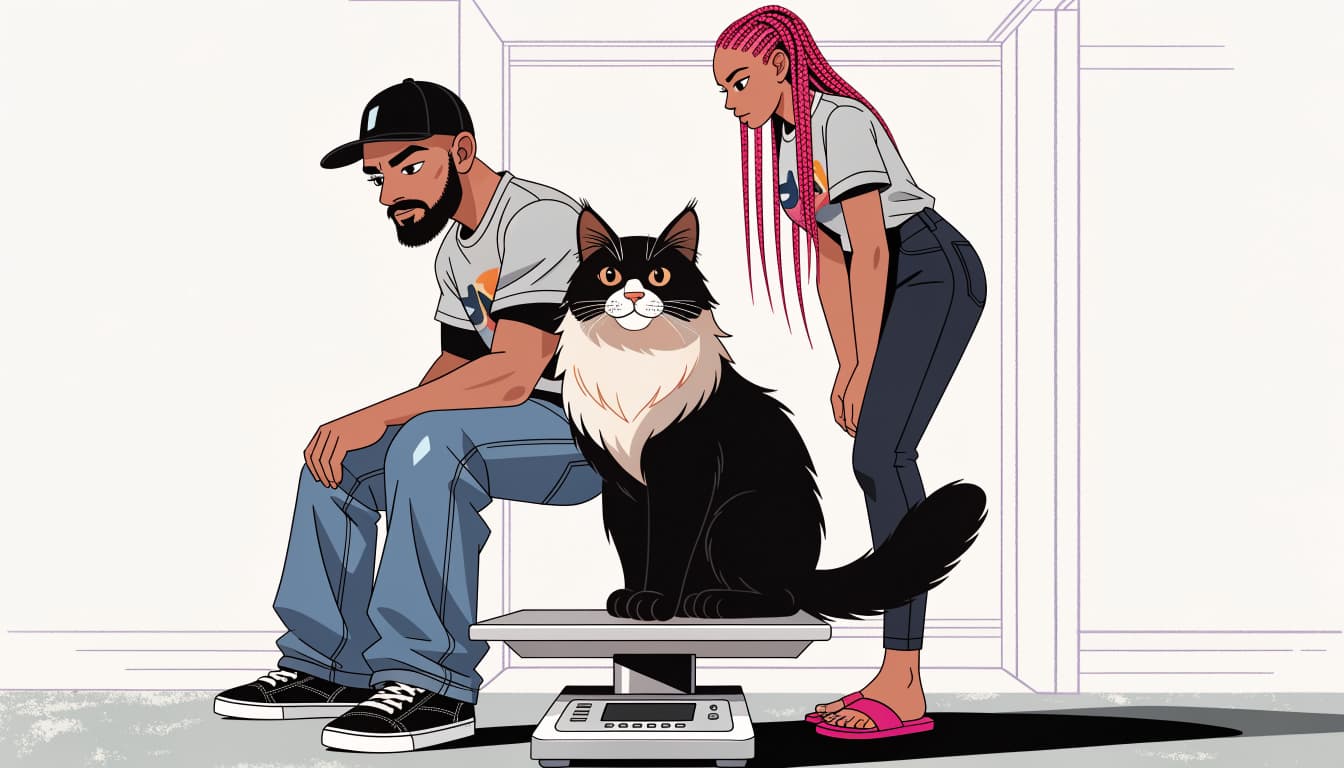
Maine Coon Traits Are Clues, Not a Checklist
A long, rectangular build, broad chest, square muzzle, large feet, and semi-long coat are features associated with Maine Coons. If your cat has a few, that can explain why someone guessed at the ancestry.
Still, domestic longhairs vary widely in size, coloring, coat texture, and face shape. One may have a dramatic ruff and a tail worthy of its own fan account. Another may have a softer coat and a more compact build. Neither appearance confirms or disproves mixed ancestry.
Look at Your Cat's Individual Temperament
Suspected ancestry can't promise a particular personality. Your cat may love visitors, avoid the whole group chat, or schedule playtime at 3 a.m. based on its own mysterious internal calendar.
Pay attention to how your cat handles being touched, what kinds of play it enjoys, and how it behaves around people and other animals. Those habits, along with its history and comfort level, tell you more about how to care for it than a breed guess.
How Do You Care for a Longhaired Maine Coon Mix?
Care depends on your cat's actual coat, age, health, and habits. A suspected Maine Coon label doesn't automatically mean your cat needs a special diet or a giant cat lifestyle. Start with a routine that keeps the coat comfortable and gives your cat regular chances to move and play.
Comb Regularly to Prevent Mats and Hairballs
Set a combing schedule based on your cat's coat. Some longhaired cats do well with a few sessions each week; coats that tangle easily may need daily attention. Check behind the ears, under the belly, and around the hindquarters, where knots can hide until they become a whole side quest.
Routine bathing usually isn't needed for a healthy cat. If a mat is tight or close to the skin, don't attack it with scissors. Cat skin can be hard to see beneath the fur, so ask a veterinary professional or qualified groomer for help.
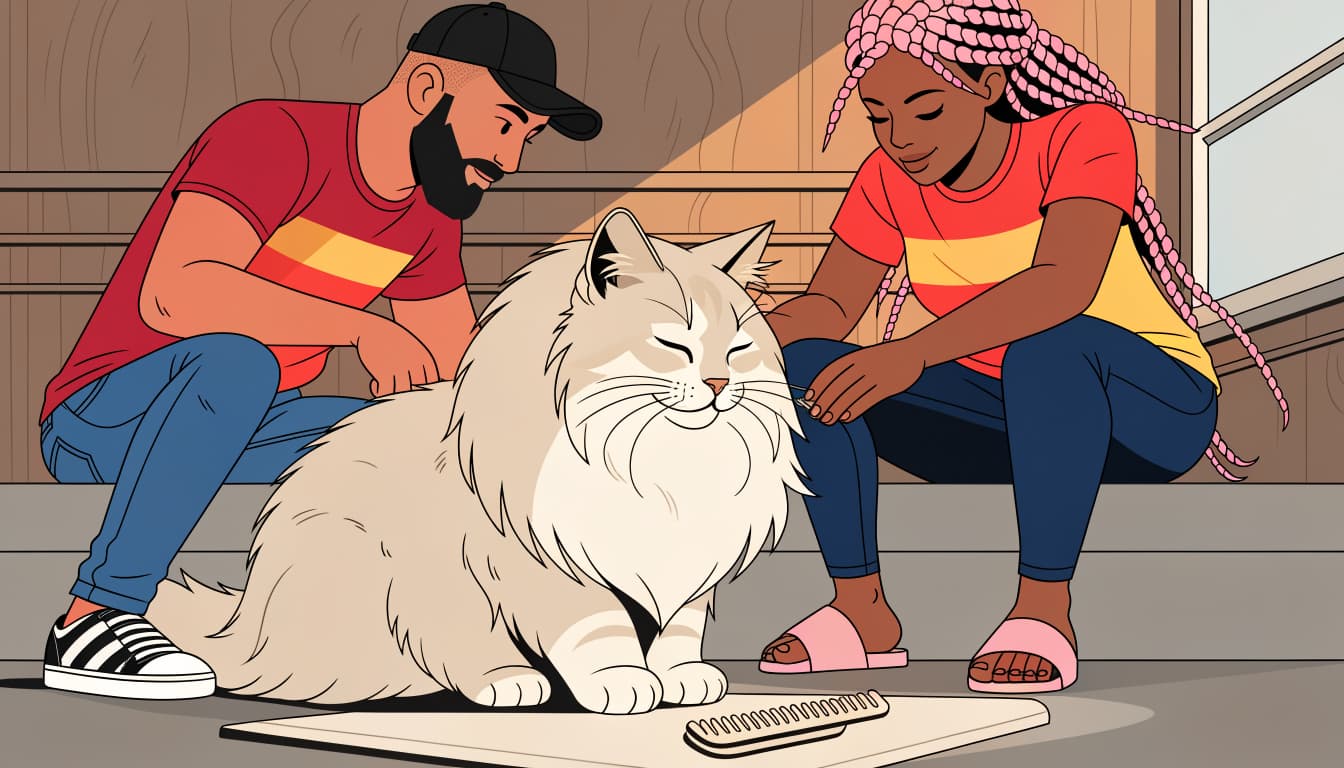
Keep Up With Nails, Play, and Healthy Body Condition
Trim your cat's nails regularly, adjusting the routine to your cat's needs and comfort. Add age-appropriate play and keep fresh water available. For meals and weight guidance, follow your veterinarian's advice instead of trying to hit a Maine Coon size target. Bigger isn't a health plan.
This grooming demonstration focuses on safe mat removal on a longhaired cat. It's a coat-care resource, not a video for identifying a Maine Coon mix.
What Health Questions Should You Discuss With Your Vet?
Suspected Maine Coon ancestry isn't a diagnosis, and it doesn't mean your cat will develop a breed-linked condition. It can give you a reason to ask informed questions, especially if your cat has symptoms or known family health history.
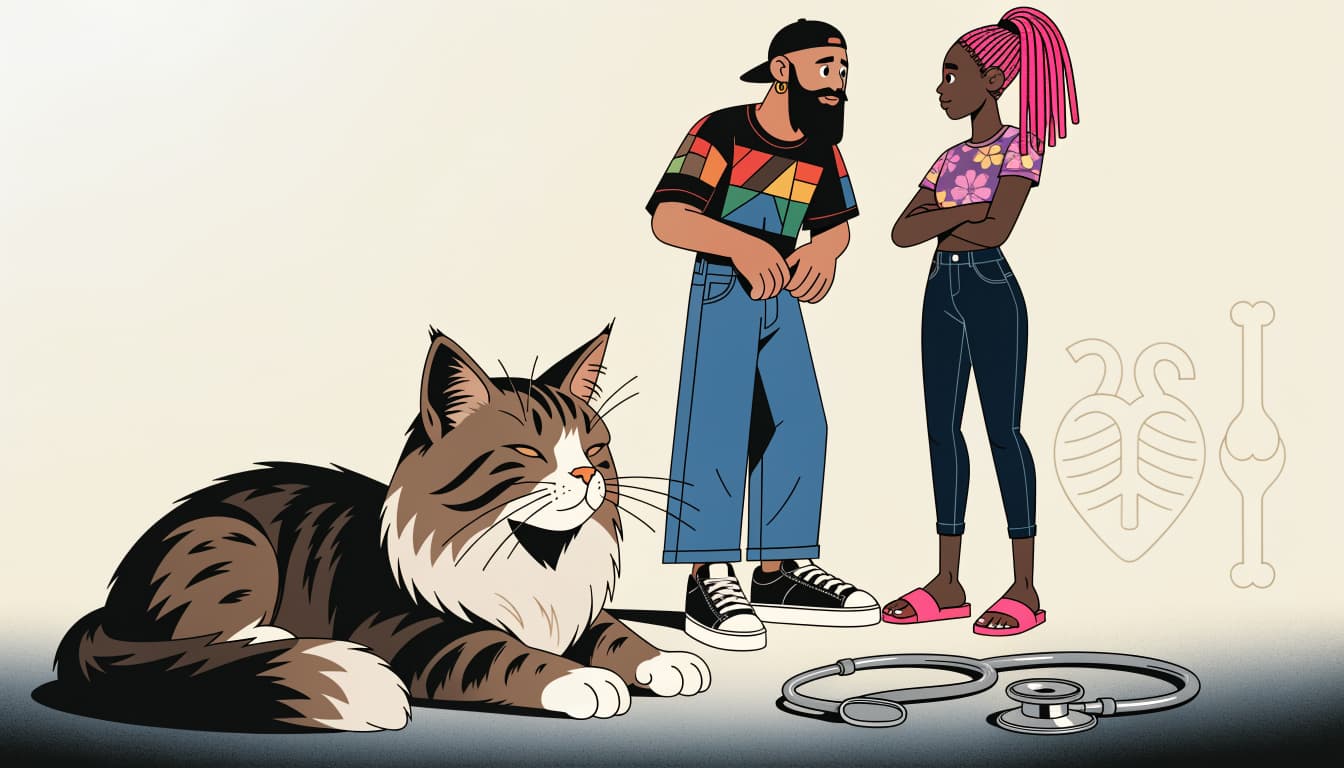
Understand Heart and Joint Screening Limits
Hypertrophic cardiomyopathy, a heart condition, and hip dysplasia or other joint concerns appear in Maine Coon health guidance. The International Cat Association's Maine Coon profile discusses health screening, including heart and hip evaluations.
A DNA test for one known heart-related variant can't rule out all heart disease or predict every cat's future health. A veterinary genetics review, "Genetic testing: practical dos and don'ts for cats," explains why test results need to be understood in context. Your veterinarian can recommend exams or tests based on your cat's condition.
Make Adoption Records and a Vet Exam Your Starting Point
Ask about your cat's age, medical records, parent history, and why the Maine Coon mix label was used. A clear history can help your veterinarian understand what care your cat may need.
If your cat's background is unknown, prioritize a veterinary checkup and a care plan based on its health and age. A consumer DNA estimate can't replace an exam or fill in missing medical records.
Streetwear & Casual Styling
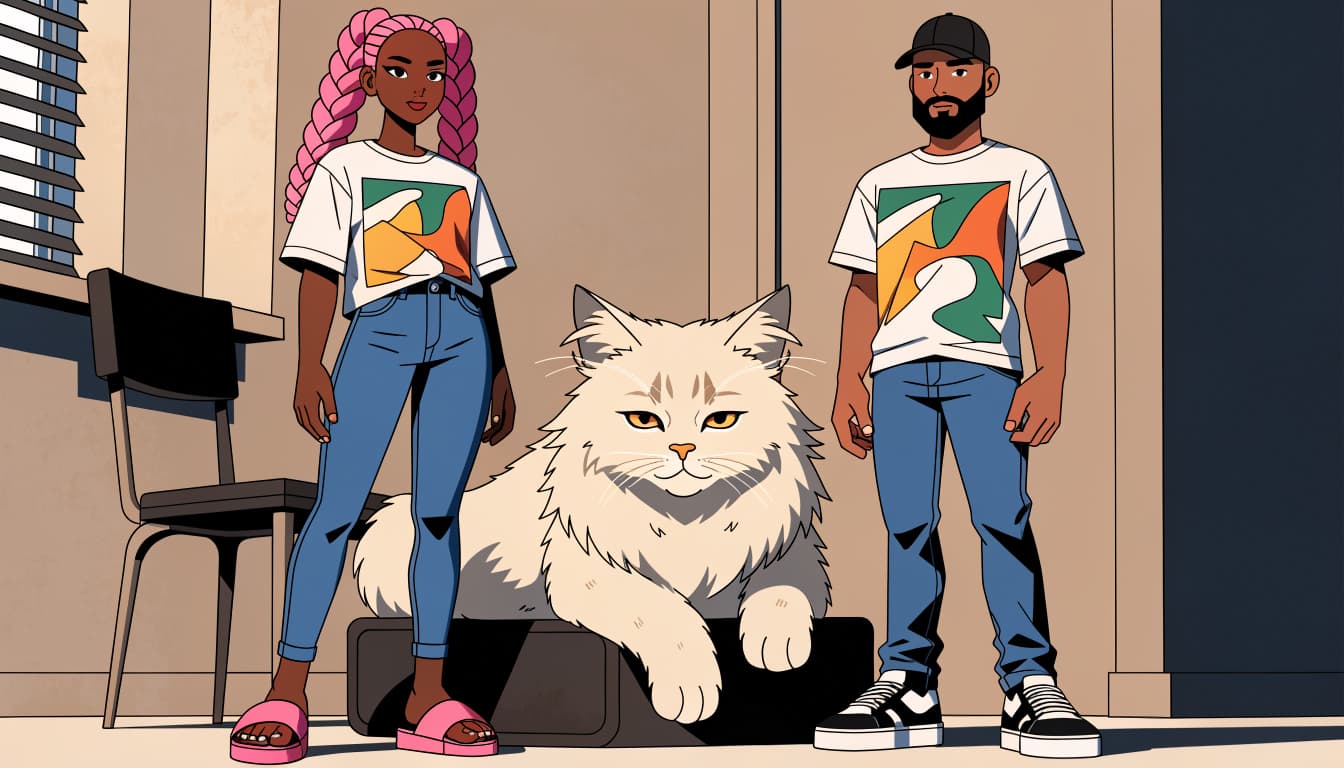
A cat's ancestry may be a mystery, but your outfit can still have a very specific point of view. Pair a Cyber-Brutalist Anime Graphic Tee with jeans and comfortable sneakers for a casual look that works for a coffee run, a convention, or the important business of buying more cat treats.
Our Cat Mom Legend Tee and Hanging On By a Thread Cat Tee bring cat-parent energy to the fit. For more options, browse cute anime pet owner tees and ideas for aesthetic matching outfits for pets and owners. Apparel isn't cat care, obviously. The cat will still judge the outfit from the couch.
Frequently Asked Questions
Can a Shelter Know for Sure That a Cat Is a Maine Coon Mix?
A shelter may use the label to describe a cat's appearance or reported history. Certainty about lineage needs supporting records, such as a documented pedigree. Without that evidence, the label describes suspected ancestry.
Will a Maine Coon Mix Definitely Grow Very Large?
No. Mixed-breed cats vary, and a large appearance doesn't confirm Maine Coon ancestry or predict adult weight. Your veterinarian can track your cat's growth and body condition.
Does Every Domestic Longhair Need Daily Brushing?
No. Brushing needs depend on coat length, texture, and how easily it tangles. Choose a routine that keeps your cat's coat comfortable and free of mats.
Can a DNA Test Confirm That My Cat Is Healthy?
No DNA test can guarantee overall health or rule out every condition. Tests may provide ancestry estimates or report selected genetic variants, but your veterinarian's exam and care plan are still essential.
Enjoy the Cat You Have
"Domestic longhair" describes your cat's coat. Maine Coon ancestry remains uncertain without reliable lineage evidence, no matter how impressive the tail looks in a dramatic window portrait.
Focus on the cat in front of you: its coat, condition, behavior, and veterinary care. Whether the family tree is documented or full of question marks, your fluffy housemate is already a one-of-one.