

Eggs for Backpacking: What to Pack and How to Cook Them
TrendReactTees.STORE TeamTrail-side style note: For an off-trail look with outdoor humor, check out the Nature Is My Wifi Tee and Nature Is My Therapist Tee. They're shirts, not backpacking gear or breakfast.
For most overnight and multiday trips, powdered or dehydrated eggs are easier to pack than fresh shell eggs. They're lightweight, compact, and don't need refrigeration while unopened if the product label says so.
Shell eggs can work when you can keep them cold. Here's how to choose, carry, and cook eggs safely, without turning breakfast into a food-safety side quest.
This post may contain affiliate links. If you make a purchase through these links, I may earn a small commission at no extra cost to you.
Key Takeaways
- Powdered eggs are usually the simplest option for overnight and multiday hikes.
- Shell eggs need reliable cold storage; a hard case only protects against cracks.
- Shelf life and preparation instructions vary, so follow the specific product label.
- Cook reconstituted eggs promptly, and cook egg dishes to 160°F.
- Pack only what you'll use, along with enough water, fuel, and cleanup supplies.
Eggs for Backpacking: Choose Fresh, Powdered, or Dehydrated
Your trip length and cold-storage setup decide which eggs make sense. Refrigerated shell eggs need reliable cold storage, while some dried products can be carried unopened without refrigeration. "Some" matters here: products differ, so the package directions set the rules.
When shell eggs make sense on short trips
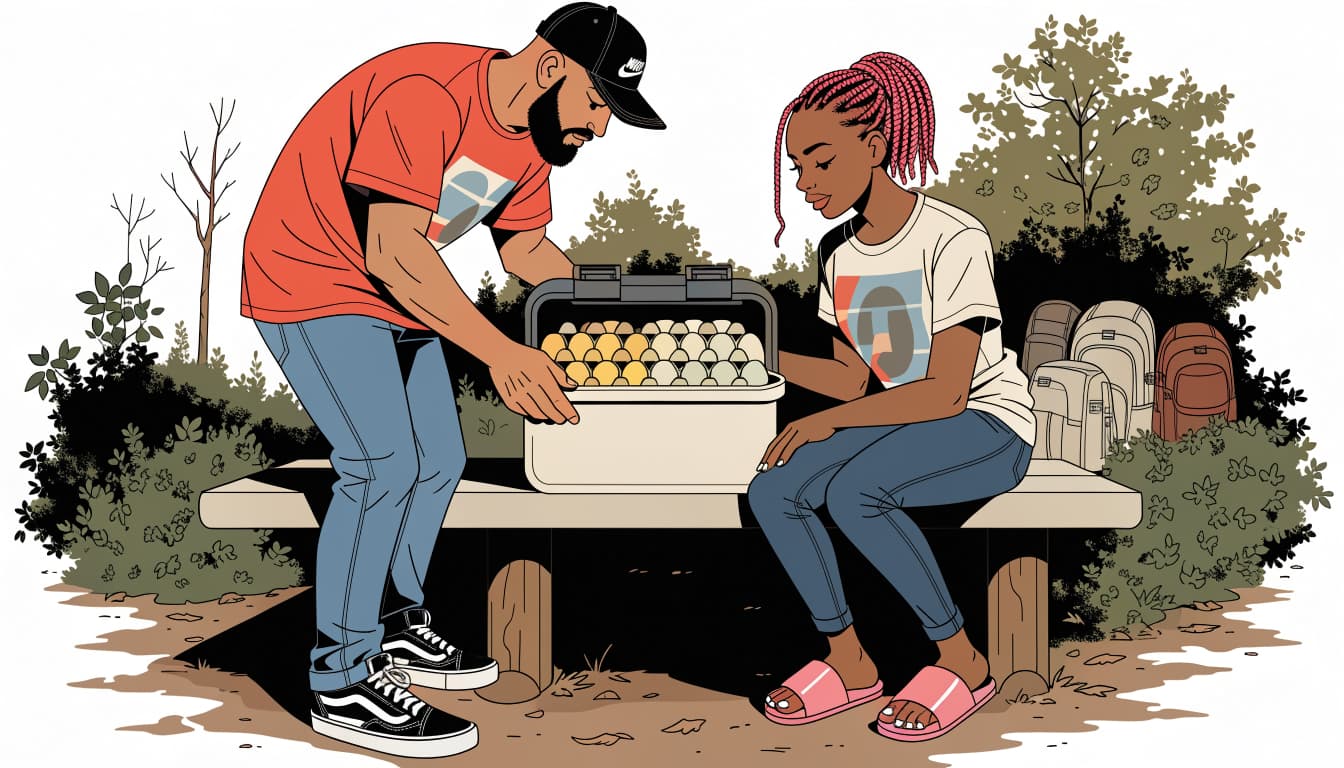
Shell eggs can work for a short outing if you can keep them at 40°F or below, such as in a cooler or a reliable insulated setup with cold packs. They're convenient when you're driving to a campsite or carrying food a short distance from a vehicle.
A hard-sided egg carrier can limit breakage, but it doesn't keep eggs cold. Once eggs leave refrigeration, don't treat their shell or carrier as a safety system. For a backpacking trip without dependable cold storage, fresh eggs add weight and risk without much payoff.
Why powdered eggs are easier for most overnight hikes
Powdered eggs cut down on bulk, weight, and the risk of cracked shells in your pack. Add water as directed, mix, then cook. You'll still need water, a pot or pan, and fuel, but the dry product is easy to portion around your meal plan.
One concrete example is OvaEasy Whole Egg Crystals. REI's listing describes a 4.5-ounce package with 12 egg-equivalent servings and a 2.5-year shelf life without refrigeration. Those figures apply to OvaEasy, not every powdered egg product. Keep the package label handy for serving size, storage, and mixing directions.

Keep Eggs Safe From Home to Camp
Food-safety rules don't get a campsite exception. Shell eggs, cooked eggs, and reconstituted egg mix all need sensible temperature handling. Dried eggs may be shelf-stable unopened according to their label, but adding water changes the plan.
Know the limits for refrigerated shell eggs
USDA guidance says refrigerated shell eggs should stay at 40°F or below. Don't leave refrigerated eggs unrefrigerated for more than 2 hours, or more than 1 hour when it's above 90°F. Those limits aren't a validated allowance for carrying eggs in a pack. A carrier prevents bumps, not warming.
Cold eggs left at room temperature can sweat, and bacteria can multiply in warmer conditions. For the storage guidance, see USDA's shell egg recommendations. Without continuous cold storage, shell eggs aren't a dependable choice for a multiday hike.
A hard case protects the shell. Only cold storage protects the temperature.
Cook and store eggs with care
Cook eggs until the whites and yolks are firm. Egg dishes should reach 160°F, according to USDA egg-product safety guidance. A thermometer is useful for mixed dishes, especially when you're cooking a thick scramble or casserole in a pan that heats unevenly.
Hard-cooked eggs need refrigeration within 2 hours and should be used within 1 week. That makes them a poor fit for multiday trips without refrigeration. With powdered eggs, mix only what you plan to cook promptly, and follow the product's directions for handling after opening and after reconstitution.

Pack and Cook Backpacking Eggs That Taste Good
The trick to a good camp breakfast is planning the whole meal, not just tossing egg powder into your pack and hoping the stove gods are kind. Portion the dry mix, account for water and fuel, and pick ingredients that don't need refrigeration.
Measure portions and protect your dry mix
Pack the amount you need for each meal in a sealed, labeled bag, or keep the mix in its original package. The label helps you identify the product and remember its directions when you're half-awake and the coffee hasn't spawned yet. Protect the dry mix from moisture inside your pack.
Bring a clean utensil for mixing and enough water to prepare the eggs as directed. If your meal plan is tight, account for that water before leaving home. You'll also need a pot or pan with enough room to stir, plus fuel for both heating the water and cooking the mixture. Keep cleanup simple by scraping out the pan and packing out food scraps where required.
Make quick breakfasts and filling trail meals
Scrambled eggs are straightforward, and a tortilla turns them into a breakfast burrito you can eat without balancing a plate on a rock. Dehydrated vegetables add texture and flavor. A little seasoning can carry the meal, too, without hauling a full kitchen's worth of extras.
You can also add cooked eggs to another camp meal when it fits your plan. Cooking time and texture vary by product, water amount, pan, and stove setup, so follow the package directions rather than relying on a universal ratio. Keep the heat manageable and stir as directed; a thin layer of egg can cook quickly, while a thicker scramble takes longer.

Streetwear & Casual Styling
Once the pack is put away, a comfortable graphic tee can carry the outdoorsy mood into everyday plans. Style a Cyber-Brutalist Anime Graphic Tee with straight-leg jeans, skate shoes, and an open overshirt for a casual look that feels intentional without looking like you're still setting up camp.
The Leave No Trace Tee brings trail humor into the outfit. For a more online-fandom-coded pick, the Nature Is My Only Group Chat Tee keeps the joke on your chest and the actual group chat on your phone. A tee is personal style, not technical hiking gear.

Frequently Asked Questions
Can you take raw eggs on a backpacking trip?
You can take raw eggs if you can keep them continuously cold, which is more practical for a short outing with a cooler than a multiday hike. An unrefrigerated shell egg isn't a reliable trail food because a protective carrier doesn't control temperature.
Are powdered eggs safe to eat without cooking?
Follow the product label and cook the reconstituted mixture as directed. Don't assume every powdered egg product is ready to eat; the package instructions decide how to prepare it.
How much powdered egg should you pack per meal?
Use the serving size printed on the package, then adjust for your appetite and the rest of the meal. A burrito with vegetables and other fillings may need a different portion than eggs served on their own.
Can you rehydrate powdered eggs with cold water?
Water temperature and mixing directions vary by product, so follow the label. Warm water may help some mixtures blend, but it isn't a universal rule.
Choose the Eggs That Fit Your Trip
For shell eggs, plan on dependable cold storage. For most overnight and multiday hikes, a labeled shelf-stable powdered product is easier to carry and prepare.
Try the product at home before packing it for the trail. A quick test lets you learn its texture, portion size, and directions while you still have a real kitchen nearby.