

Electric Bike Made in the USA: Verify Before You Buy
A U.S. brand name doesn't prove your electric bike was made here. Neither does an American design team, a domestic headquarters, or a flag doing overtime on the product page.
When you're shopping for an electric bike made in the USA, you need model-specific proof. "Designed in USA," "Assembled in USA," and "Made in USA" describe different things, and those differences matter before you spend your money.
Start with the exact origin claim, check where assembly and component manufacturing happen, then compare fit, service, and ownership costs. Your next ride deserves better evidence than patriotic clip art.
Key Takeaways
- Check the exact model and current production period, because one brand can use different manufacturing arrangements.
- "Made in USA" generally requires all or virtually all domestic production under the FTC standard.
- U.S. assembly doesn't establish where the frame, motor, battery, or other components were manufactured.
- Compare fit, realistic range needs, repair access, and total ownership cost alongside origin.
- Get written answers before ordering, and save the product documentation that supports the claim.
What an Electric Bike Made in the USA Claim Really Means
Origin claims describe production, not a company's personality. Before you compare bikes, separate the location of design work, component manufacturing, and final assembly. They're different entries on the character sheet.
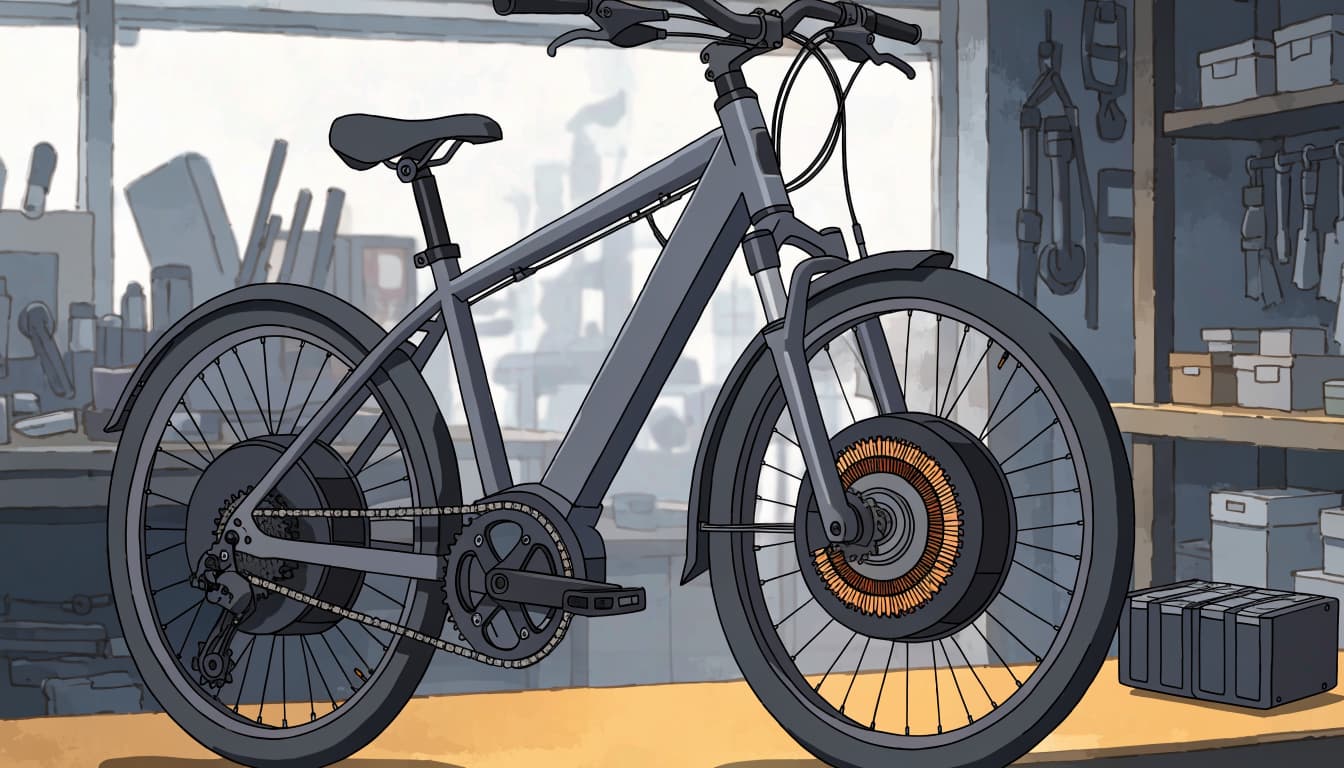
Made in USA and assembled in USA are not the same
Under the FTC's Made in USA standard, an unqualified claim means "all or virtually all" domestic production. Final assembly and all significant processing must happen in the United States, with nearly all components made and sourced domestically.
The FTC doesn't give you a universal percentage that automatically passes. The importance of imported content matters, alongside manufacturing costs and how closely that content relates to the finished product.
"Assembled in USA" concerns substantial domestic assembly. Imported components can still be involved, so U.S. assembly alone doesn't establish domestic parts.
Holland & Knight's discussion of Made in USA claims provides additional legal context:
Why a U.S. headquarters or design team is not enough
"Designed in USA" tells you where design work happened. It doesn't tell you where the factory is.
You can buy from an American-owned company that imports frames, motors, batteries, or complete bicycles. Domestic customer support may be valuable, but it answers a different question.
Manufacturing arrangements can also differ by model and production run. A company description shouldn't substitute for details about the bike you're ordering.
A U.S.-made frame establishes the frame's origin. It doesn't establish the origin of the complete e-bike.
Ask which manufacturing steps happen domestically and which components are imported. That distinction keeps your purchase decision attached to evidence.
How to Find E-Bike Models With Verified U.S. Assembly
Treat your search as a documentation check. A roundup can help you discover manufacturers, but the current product page and a written manufacturer response should carry more weight.
Ask where the frame, battery, motor, and final assembly come from
Contact the maker with the full model name, configuration, and expected purchase date. Ask whether its answer covers bikes shipping now.
Keep your questions concrete:
- Where is the frame manufactured, rather than painted or finished?
- Where are the motor and controller manufactured?
- Where are the battery cells made, and where is the pack assembled?
- Where does final bike assembly happen, and what work occurs there?
- Does this answer apply to the current production run and configuration?
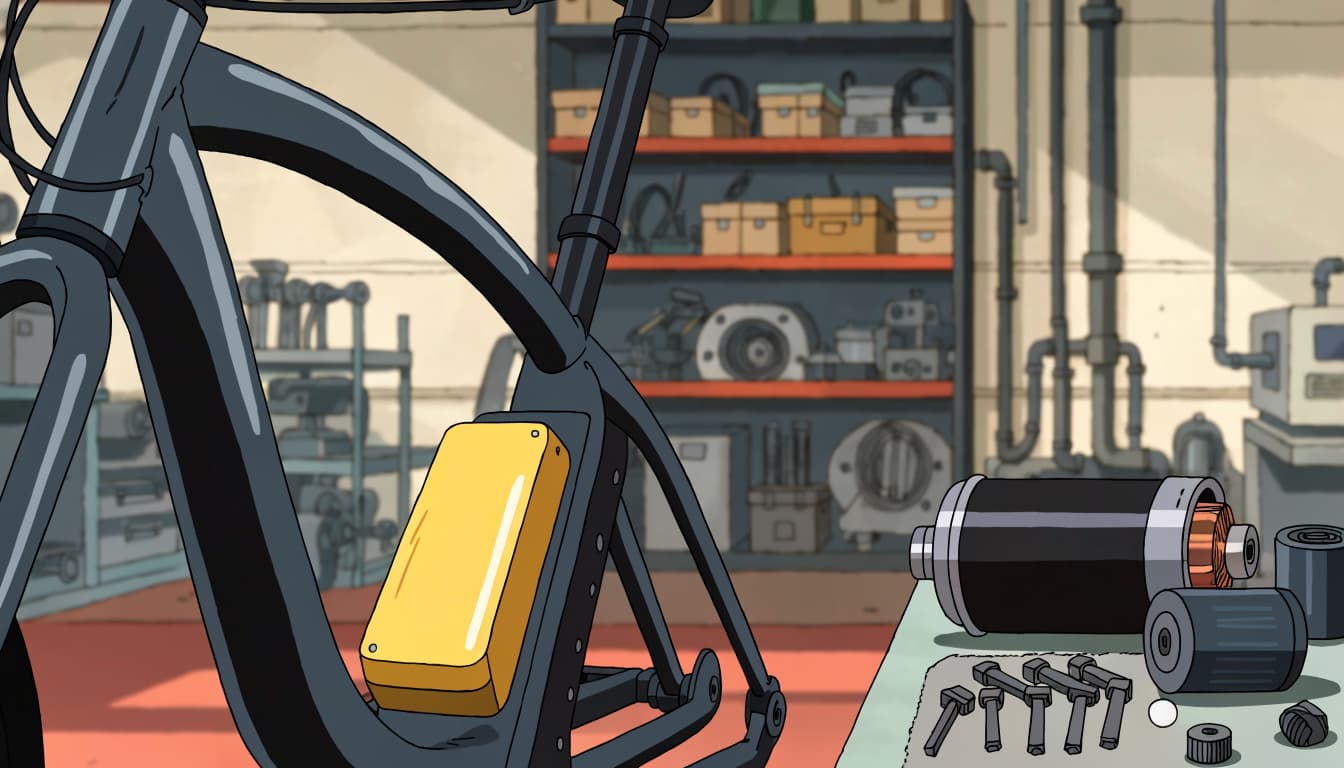
Battery-cell production and battery-pack assembly are separate steps. Ask about both. Likewise, local inspection or accessory installation doesn't tell you where the complete bicycle was manufactured.
Treat brand lists as leads, not proof
An "American-made" list may mix domestic ownership, design, frame fabrication, and final assembly under one convenient headline. Convenient for the headline. Less helpful for your wallet.
Save the exact claim, model name, page URL, and date. Keep the manufacturer's response with those records.
Kelley Drye's explanation of updated FTC guidance covers how the guidance incorporates the Made in USA Labeling Rule. Clear wording matters, even when the marketing feels familiar.
If the maker gives only a broad company story, ask again about your model. Until you receive a current answer, keep it on your research list rather than your verified shortlist.
How to Choose and Compare a U.S.-Assembled Electric Bike
Once you've checked origin, compare the bike you'll live with. Domestic assembly won't fix an uncomfortable riding position or make an oversized bike fit your apartment.
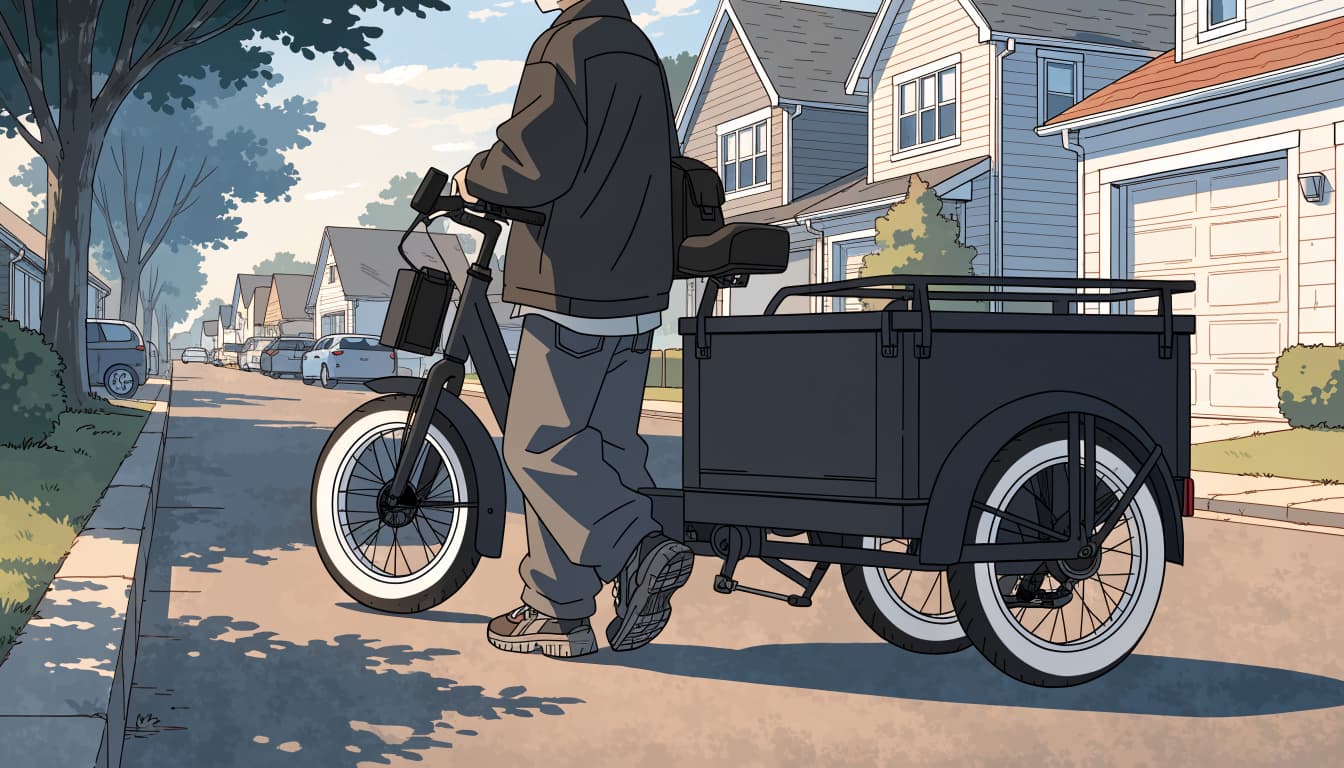
Match the bike to your rides and budget
For commuting, consider fenders, lighting, rack compatibility, and a comfortable position. Cargo use adds payload limits, passenger equipment, and loaded handling. Folding bikes need folded dimensions and a weight you can manage.
Trail riding calls for suitable tires, brakes, geometry, and permission to ride an e-bike on your intended trails. Your favorite route may have rules your shopping cart doesn't mention.
Check fit measurements and arrange a test ride when possible. Include your weight, luggage, and any passengers when reviewing capacity limits.
Compare range claims against your hills, load, assist setting, and charging access. A headline maximum isn't a promise for your daily ride.
Budget for accessories, routine maintenance, battery replacement, and service. The checkout total is only the opening episode.
Check warranty, repairs, and replacement parts before you buy
Read the current warranty for your exact model. Confirm coverage periods, exclusions, labor charges, shipping responsibilities, and how battery problems are handled.
Ask who diagnoses electrical faults and whether you must ship the whole bike. Check where replacement batteries, controllers, displays, and motor parts ship from.
Contact a nearby shop before purchasing. Confirm that it accepts the model and can handle its electrical system, not only tires and brakes.
Proprietary parts deserve extra attention. Ask about compatibility, current availability, and repair documentation. A written service plan is more useful than a vague promise that support has your back.
Check Charging, Storage, and Battery Safety
Your bike also needs somewhere practical to live. Measure your doorway, storage space, and stairs before ordering. Check the documented bike weight and whether the battery is removable.
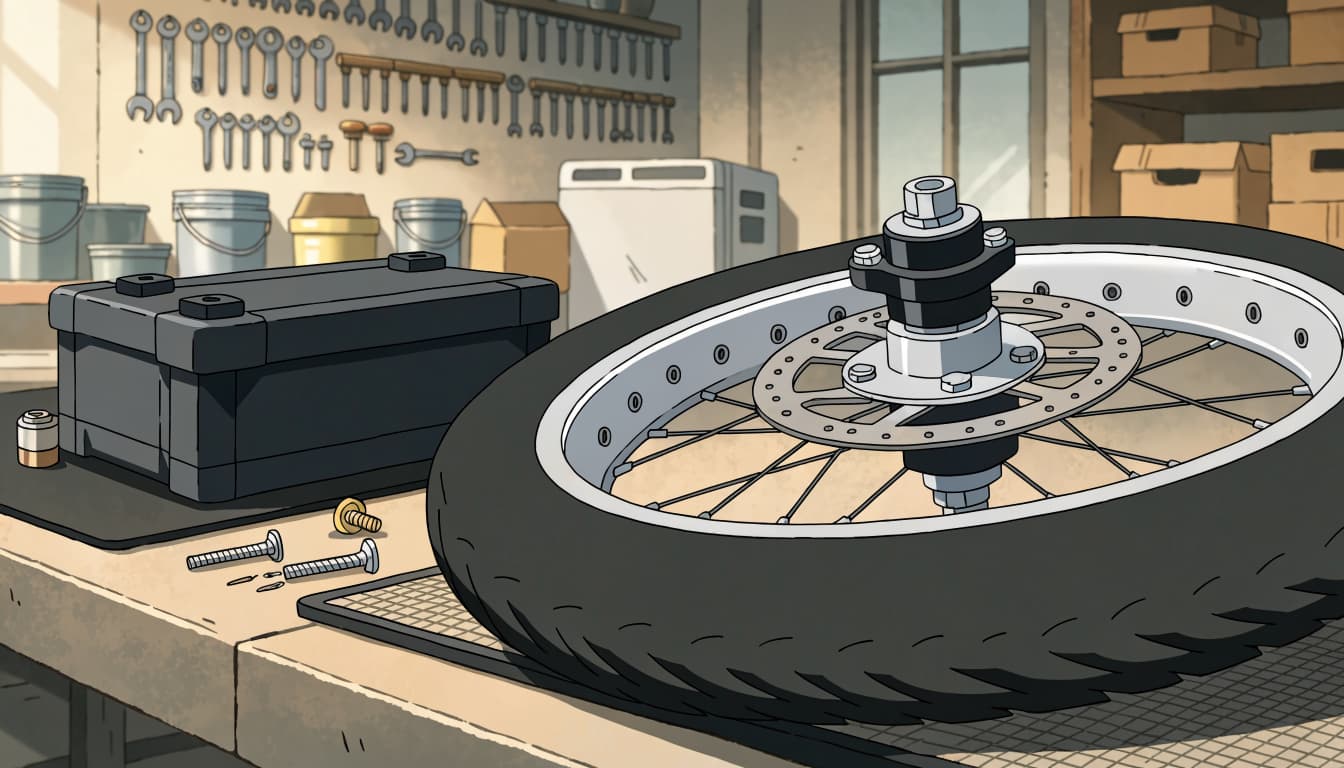
Ask for the battery's charging and storage instructions, along with any safety-certification documentation. UL 2849 addresses e-bike electrical systems; UL 2271 addresses batteries for light electric vehicles. Those references aren't interchangeable.
Check whether certification covers your model and configuration. A logo in a promotional image isn't enough documentation.
Use the charger approved for your battery, and follow the manufacturer's instructions. An unapproved bargain charger isn't the side quest you need.
If you rent, check building rules for charging and storage. Also confirm that your charging arrangement works without blocking exits or leaving equipment exposed to weather.
Origin matters, but so does owning a bike you can store and charge as directed.
Streetwear & Casual Styling
Once the bike details are handled, your ride-day outfit can have some personality. Pair Cyber-Brutalist Anime Graphic Tees with relaxed cargos, dark-wash denim, or a lightweight overshirt. Let the bold artwork take the lead.
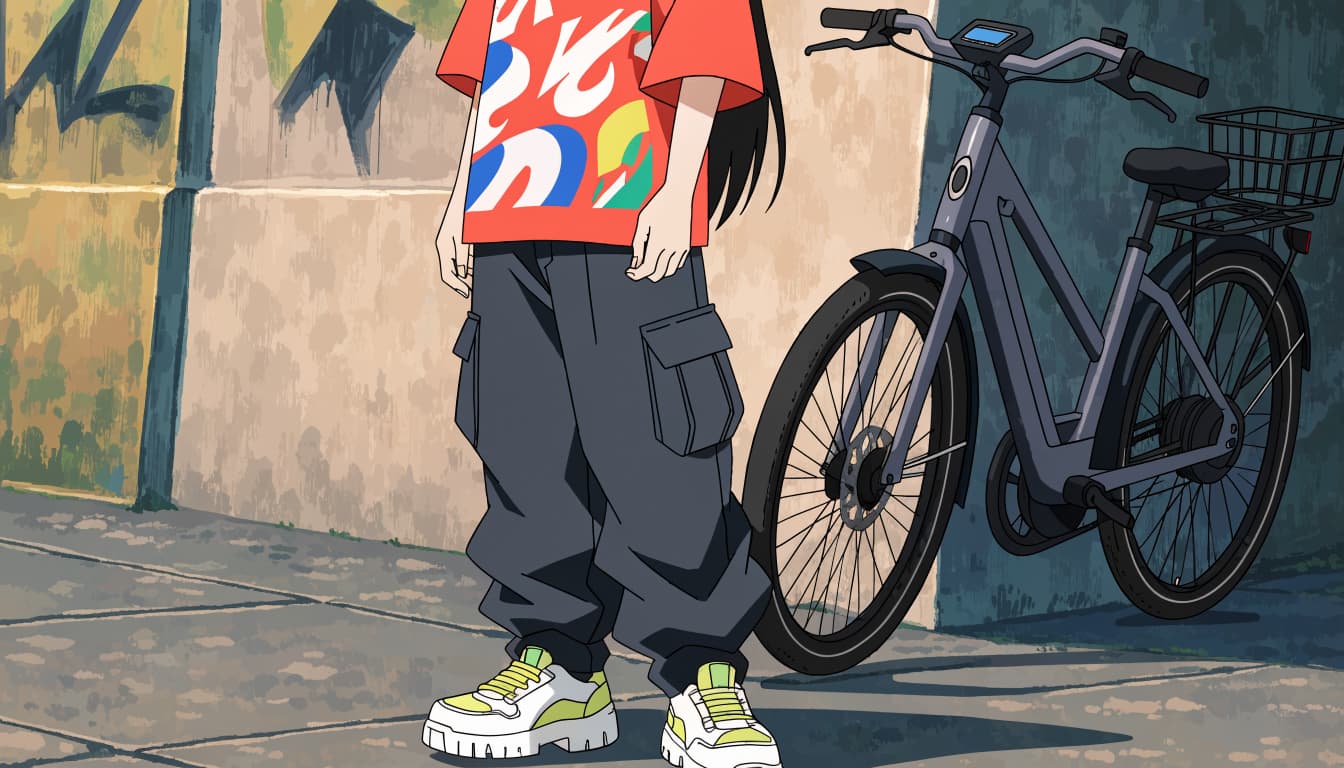
Choose layers that suit the weather, and keep loose hems and dangling straps away from moving parts. Secure wider pant cuffs before riding. Your drivetrain doesn't need a fabric offering.
For an off-bike stop, a dark jacket and simple sneakers keep the look easy. Clothing expresses your taste; it doesn't change the bike's origin or performance. Keep your helmet and riding visibility in the plan.
Frequently Asked Questions
Does U.S. assembly mean every e-bike part is made in America?
No. You can have substantial U.S. assembly with imported frames, motors, battery cells, or other components. Request a component-origin breakdown instead of treating the assembly location as an answer for the entire bike. When domestic content matters to you, ask which parts are manufactured here.
Can a company call a bike Made in USA if it uses imported parts?
Some negligible foreign content may be compatible with an unqualified claim, but meaningful imported content can prevent it. The FTC's plain-language origin-claim guidance explains the "all or virtually all" standard. Evaluate the exact wording and supporting evidence rather than assuming any imported part automatically decides the answer.
How can you verify where a specific e-bike model is assembled?
Get a written manufacturer answer identifying the model, configuration, assembly location, and current production period. Compare it with current product documentation and save both. If the response describes only headquarters or design work, request the missing assembly details before ordering. Ask the seller to explain any conflicting claims.
Is a U.S.-assembled e-bike always more expensive?
No. Your price depends on equipment, materials, battery capacity, distribution, and other model-level choices. Compare total ownership cost, warranty responsibilities, service access, and replacement-part availability rather than assuming domestic assembly creates a fixed premium. A lower purchase price can lose its appeal if repairs require expensive shipping or unavailable parts.
Before You Order, Get the Origin Claim in Writing
An electric bike made in the USA needs evidence tied to the model you're buying. A familiar brand name and a flag graphic don't answer the manufacturing questions.
Once you've checked origin, weigh fit and serviceability against your intended rides and full ownership cost. You should know how the bike fits your routine and who can repair it.
Before placing an order, send the manufacturer your checklist covering the frame, motor, battery, assembly location, and production period. Save the answer with the product documentation. You'll have a clearer buying decision and fewer expensive assumptions.