

Flame Point Siamese Cats 101: Color, Care, and Adoption
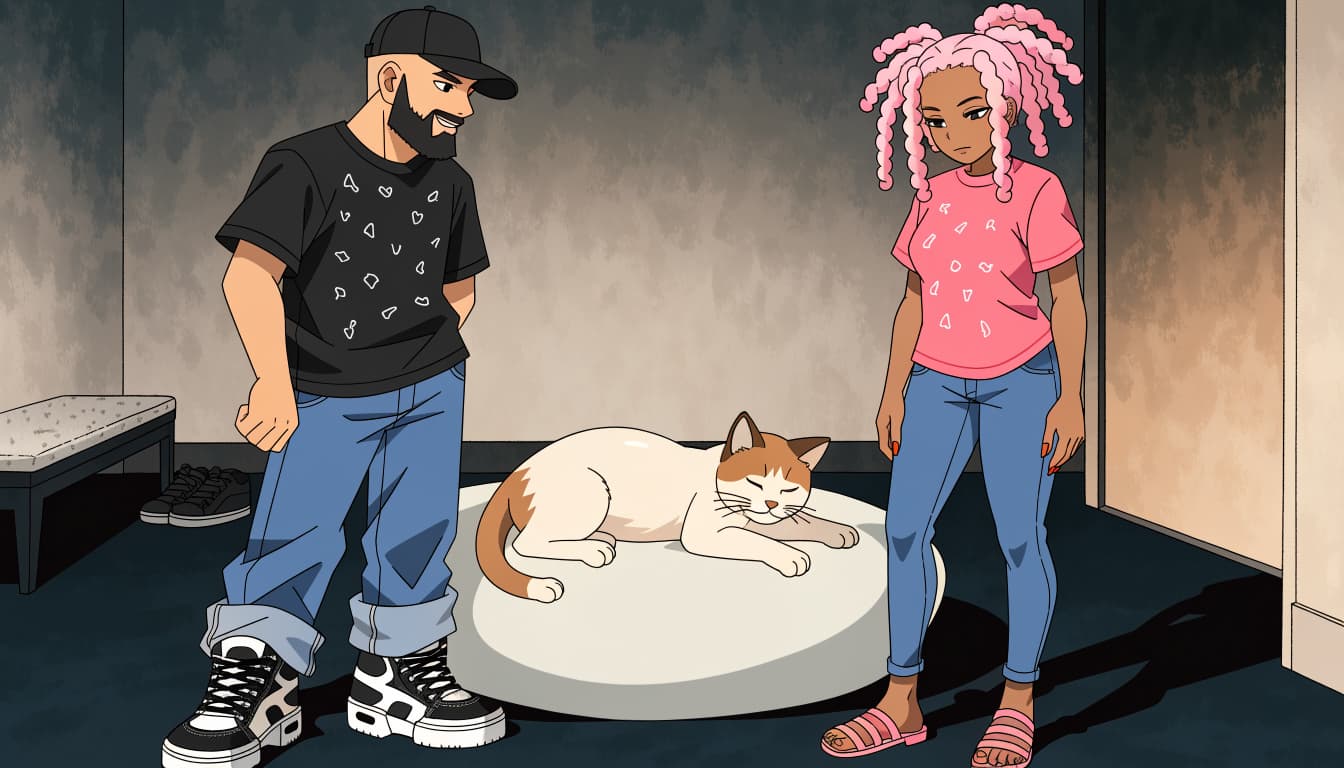
TrendReactTees.STORE TeamA cream-colored cat with warm orange points looks like it wandered out of an anime opening and decided your couch was home. "Flame point" describes that striking coat pattern, though it doesn't prove the cat is a purebred Siamese.
If you're curious about the look, personality, health, and care, the useful starting point is knowing what coat color can and can't tell you. And if cat fandom belongs in your closet too, check out our Cat Needs Alone Time Sit In Dark Tee and Cats Virtual Life More Fulfilling Than Mine Tee.
This post may contain affiliate links. If you make a purchase through these links, I may earn a small commission at no extra cost to you.
Key Takeaways
- Flame point, also called red point, describes a coat pattern, not proof of Siamese pedigree.
- Orange points usually appear on the face, ears, legs, feet, and tail.
- Siamese-line tendencies don't guarantee an individual cat's personality or health.
- Ask about records, family health, and behavior when choosing a kitten or adult cat.
- Coat color doesn't create special grooming, food, or home-temperature needs.
Flame point Siamese cats 101: what the color means
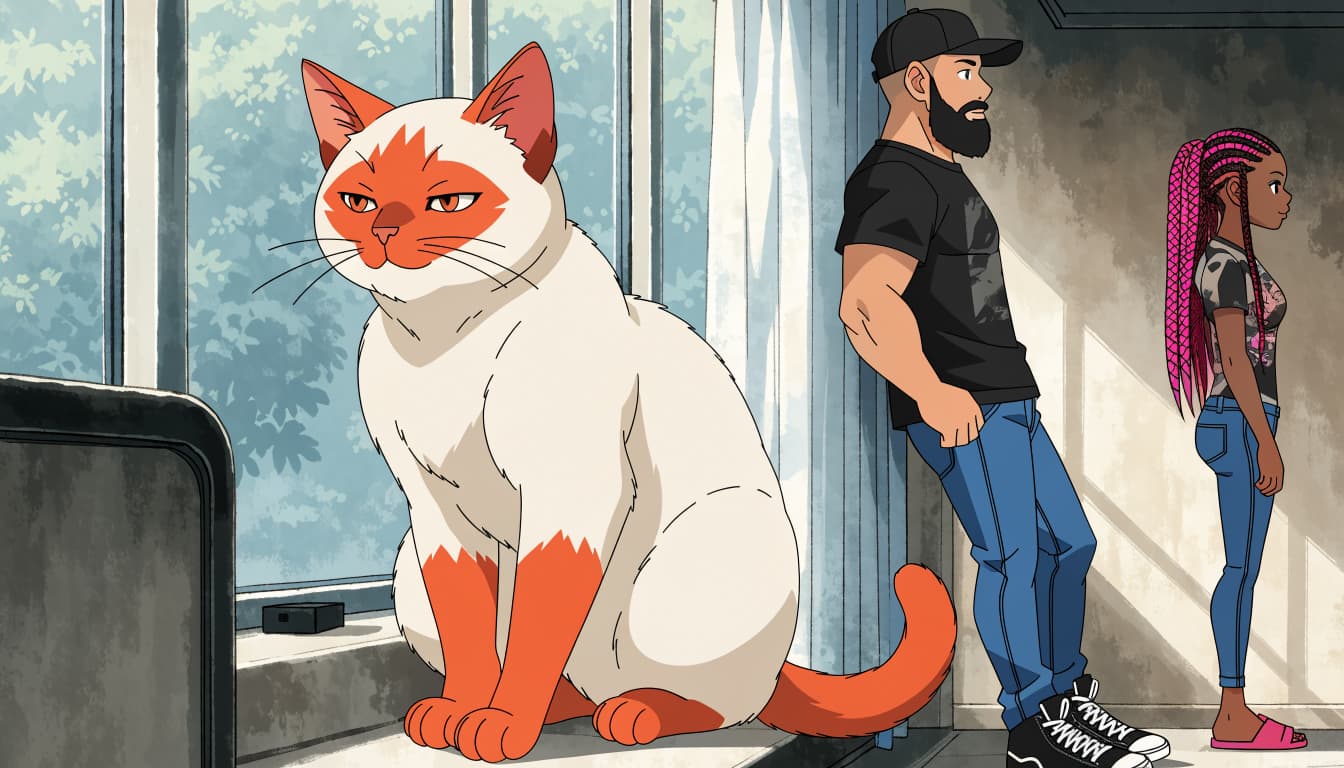
A flame-point cat has orange or reddish color on the face, ears, legs, feet, and tail. The body is usually pale cream or off-white. "Red point" is another name for this color pattern.
The word "point" refers to the darker color on the cat's extremities. In a flame point, that color comes from orange-red pigment. The contrast can be soft or vivid, and the exact shade varies from cat to cat.
Here's the part that matters when you're deciding what "Siamese" means in a listing: coat color alone doesn't confirm breed or pedigree. A flame-pointed cat may be a Siamese mix, a related breed, or a cat with colorpoint ancestry and no documented purebred lineage. A seller's label or a striking photo can't fill in missing family records.
How a flame-point coat develops and changes
Colorpoint coats have a temperature-sensitive pattern. Pigment develops more strongly in cooler areas of the body, which is why the face, ears, paws, and tail tend to show more color than the warmer trunk.
Kittens with this pattern are born very pale. Their points become more visible as they mature, but the timing and final appearance vary. You may notice the coat shade changing with age and temperature. That's a cosmetic shift, not a reason to make your home colder or warmer than your cat finds comfortable.
Flame coloring is linked to an orange-color gene on the X chromosome. That inheritance pattern helps explain why flame-point cats are more often male. Females can have the coloring too, though the genetics differ; a female with orange coloring on both X chromosomes can be red-pointed, while other combinations may produce tortie patterning.
Why the points look orange while the body stays pale
The colorpoint pattern comes from a mutation affecting pigment production. In simple terms, the relevant pigment-making process works better in cooler parts of the body, so those areas develop darker color. The flame shade comes from orange-red pigment genetics layered onto that pointed pattern.
Age and temperature can affect how much contrast you see. Don't try to preserve a particular coat shade by changing your cat's environment. Comfort and welfare beat a specific look, every time.
Why flame point is not a breed label everywhere
Cat registries don't all classify red-point cats the same way. The Cat Fanciers' Association (CFA) lists seal, chocolate, blue, and lilac points in its Siamese standard. Its Siamese breed standard does not list flame point as a Siamese color. Red-point coloring appears in other breed categories, including CFA's Oriental group.
The International Cat Association also distinguishes among breed groups in its standards, with red point included in some categories that differ from its main Siamese standard. If pedigree matters to you, ask for documented ancestry and the exact registry designation. "Flame point Siamese" can describe a look without proving the cat is registered as a Siamese.
What flame-point cats look like, and what their color cannot tell you
A typical flame-point coat is short and fine, with a pale body and warmer orange-to-red points. The overall appearance is easy to recognize, but individual cats don't come off the same character-creation screen.
Ancestry can affect markings and body shape. Some flame-pointed cats may have the slender build often associated with Siamese lines; others may look different because of mixed ancestry or another breed classification. There's no reliable universal size, weight, or lifespan figure for flame-point cats as a group, so a coat label won't give you those answers.
Recognizing common coat and body features
Some cats show tabby striping in their points. Others may have tortie patterning, depending on their color genetics. Markings that look subtle on a young kitten may become easier to see as the coat develops.
A pointed coat suggests particular color genetics. It doesn't confirm a purebred Siamese background. Even the classic blue eyes associated with colorpoint cats aren't a substitute for pedigree records.
What you can learn from meeting the individual cat
Color doesn't tell you a cat's health, adult size, or temperament. Spend time with the cat and ask its caregiver about its history and daily behavior. You're looking for a companion who fits your household, not a personality forecast based on fur.
Personality, health, and everyday care to expect
Siamese cats are often described as social, vocal, active, and people-oriented. Those are tendencies associated with Siamese lines, not guarantees attached to orange points. A flame-point cat's personality depends on its own background, socialization, health, and preferences.
A social, active cat still has its own personality
Some cats love a busy room and a running commentary. Others prefer a quieter routine and a little more personal space. Ask how the cat handles time alone, children, other pets, and being handled. A shelter, foster caregiver, or breeder may have useful observations from seeing the cat in everyday situations.
If you're considering a Siamese-line cat, ask about vocalization and activity too. A talkative, energetic companion can be fun, but it's better to know what you're signing up for before the cat starts narrating every closed door.
Grooming, food, play, and preventive vet care
Short-haired Siamese cats still shed. Gentle brushing can lift loose hair, and smoothing the coat with damp hands is another simple option. Routine care doesn't need to become a full salon appointment.
Feed a complete, balanced cat food suited to your cat's age and health. Interactive play, scratching surfaces, and climbing or perching options are useful general cat-care basics, not special flame-point requirements. Routine veterinary exams help your vet keep track of health needs as your cat ages.
Health questions worth asking about Siamese lines
Progressive retinal atrophy (PRA) and amyloidosis are concerns identified in Siamese lines. Neither condition is inevitable, and flame-point coloring doesn't cause illness. The CFA's Siamese breed profile discusses health concerns associated with the breed.
Ask about known family health history and relevant genetic testing, especially when you're considering a pedigreed kitten. A veterinary exam is a sensible next step for any new cat, whatever its coat color or paperwork says.
How to choose a flame-point kitten or adopt an adult cat
Start with the cat's health and behavior, then consider its color and pedigree. A shelter or rescue may know an adult cat's medical history and how it behaves around people or other animals. A breeder should be able to explain the kitten's early care, provide available records, and state how the cat is classified.
Questions to ask a breeder or rescue
Ask for veterinary records, known family health history, relevant PRA testing, and details about the cat's behavior and early care. If the breeder describes the cat as pedigreed, ask which registry and breed category apply. Seeing a kitten with its mother can help you understand its early environment, when that visit is possible.
For an adult cat, ask about its routine, activity level, and comfort with handling. Any information about past medical care or interactions with other pets can help you decide whether your home is a good fit.
Red flags that call for a closer look
A photo, coat color, or confident advertisement doesn't prove breed. Be cautious if a seller can't explain the cat's history, won't provide available records, or pushes you to pay quickly. You should have time to ask questions and review the information before making a decision.
Streetwear & Casual Styling
Once you've handled the important cat questions, your own outfit can be the low-stakes part. A Cyber-Brutalist Anime Graphic Tee works with jeans, sneakers, and a couple of simple accessories. Keep the rest relaxed and let the graphic do the talking.
For cat-people humor with an anime edge, take a look at the Reassuring My Cat Good Boy Tee and Hanging On By A Thread Cat Tee. Your shirt is for your style; your cat's care plan stays focused on the actual cat.
Frequently Asked Questions
Are flame-point Siamese cats rare?
Availability depends on your region and on how shelters, breeders, and registries classify red-point cats. A listing may use "flame point" to describe coat color without claiming a documented Siamese pedigree. A label alone doesn't tell you how common the cat is where you live.
Can a flame-point cat be female?
Yes. Flame coloring is more common in males because of how orange-color inheritance works on the X chromosome. Females can have flame-point coloring too.
Do flame-point cats need a special diet?
No special diet is tied to coat color. Choose complete, balanced food suited to your cat's age and health, and discuss diet choices with your veterinarian if your cat has specific needs.
Does a flame-point coat prove a cat is Siamese?
No. A pointed coat describes color genetics, not pedigree. Flame-point cats may have mixed ancestry or another registry classification.
Choose the cat, not just the color
Flame point describes an eye-catching coat pattern. It doesn't guarantee Siamese pedigree, a particular personality, or a certain health history. When you're choosing a companion, put documented background, veterinary care, and the individual cat's needs ahead of the color that first caught your eye.