

Fly Fishing Outfits: Choose Your First Gear Package
TrendReactTees.STORE TeamWhen you shop for fly fishing outfits, you're usually looking at matched rod-and-reel packages, not clothing. A 9-foot, 5-weight setup is a useful general-purpose starting point, though your fishing conditions should guide the final choice.
The confusing part is what "complete" means: different packages can leave you with different purchases before your first trip. Start by separating the tackle you need, the extras worth budgeting for, and the clothing you'll wear.
Key Takeaways
- Fly fishing outfits usually mean tackle packages, while fishing clothing is a separate category.
- Colorado Parks and Wildlife identifies a 9-foot, 5-weight rod as a general-purpose choice for Colorado.
- Package contents vary, so compare the actual components rather than the word "complete."
- Budget beyond the combo for whatever your package leaves out, including trip-specific clothing and footwear.
- Keep graphic tees for casual styling, separate from decisions about weather layers and on-water equipment.
What Fly Fishing Outfits Include for Beginners
A fly fishing outfit brings several tackle components together in one purchase. That reduces the number of separate buying decisions, especially when you're unfamiliar with fly rods, reels, and lines.
Colorado Parks and Wildlife's fly-fishing guide identifies a 9-foot, 5-weight rod as a good general-purpose choice for Colorado. Treat that as a practical baseline rather than a promise that one setup suits every fishery.
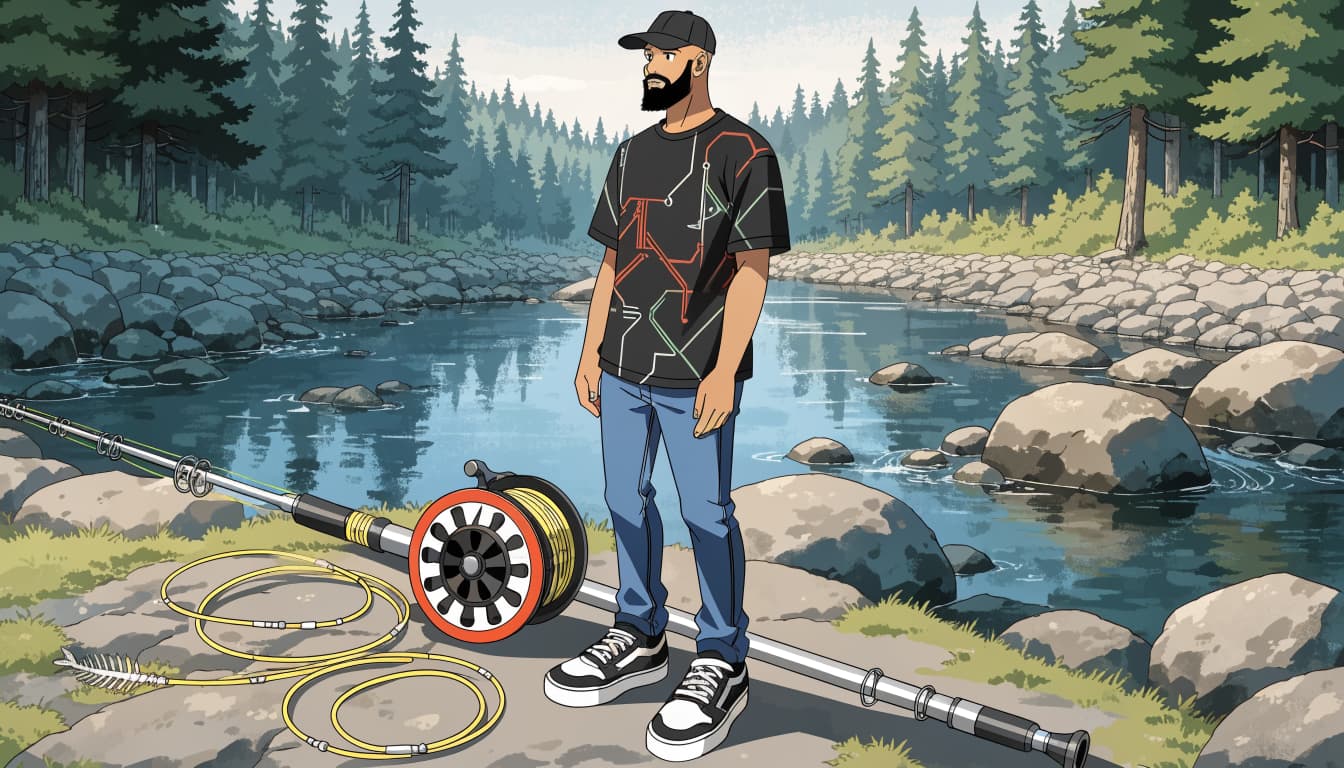
Know what comes in the box
The useful distinction is between the main tackle and everything surrounding it. Product descriptions may name the rod, reel, fly line, backing, leader, and carrying case separately.
"Outfit," "combo," and "kit" aren't reliable substitutes for that component list. Compare the listed contents side by side, because two packages with similar names can cover different parts of your startup needs.
Also distinguish an assembled package from a collection of components. Those descriptions tell you different things about how much preparation remains.
Understand what a matched package solves
A matched package simplifies component selection. However, it doesn't decide where you'll fish or supply everything you might want beside the water.
Keep your first purchase focused on a coherent setup. You can build the surrounding kit around actual trips instead of treating every available accessory as essential.
For a visual introduction, Colorado Parks and Wildlife covers gear selection in its beginner video:
How to Choose a Fly Rod and Reel Combo for Your Water
Start with the fishing you expect to do most often. A package should suit that use before it suits an attractive discount or an ambitious future trip.
Write down your likely fishing location and target species. That gives you a more useful comparison than browsing every rod weight without a clear purpose.
Match rod weight to your target fish
Rod weight describes a fly-line class, not the weight of fish you can catch. When comparing fly fishing outfits, keep the rod and line designations together rather than reading either number in isolation.
The 9-foot, 5-weight baseline gives you a concrete reference. Still, Colorado's general-purpose recommendation doesn't establish the right choice for every river, species, or fishing method.
For your first package, favor a clearly described intended use over vague claims about versatility. A rod's product name alone tells you little about whether the complete setup fits your plans.
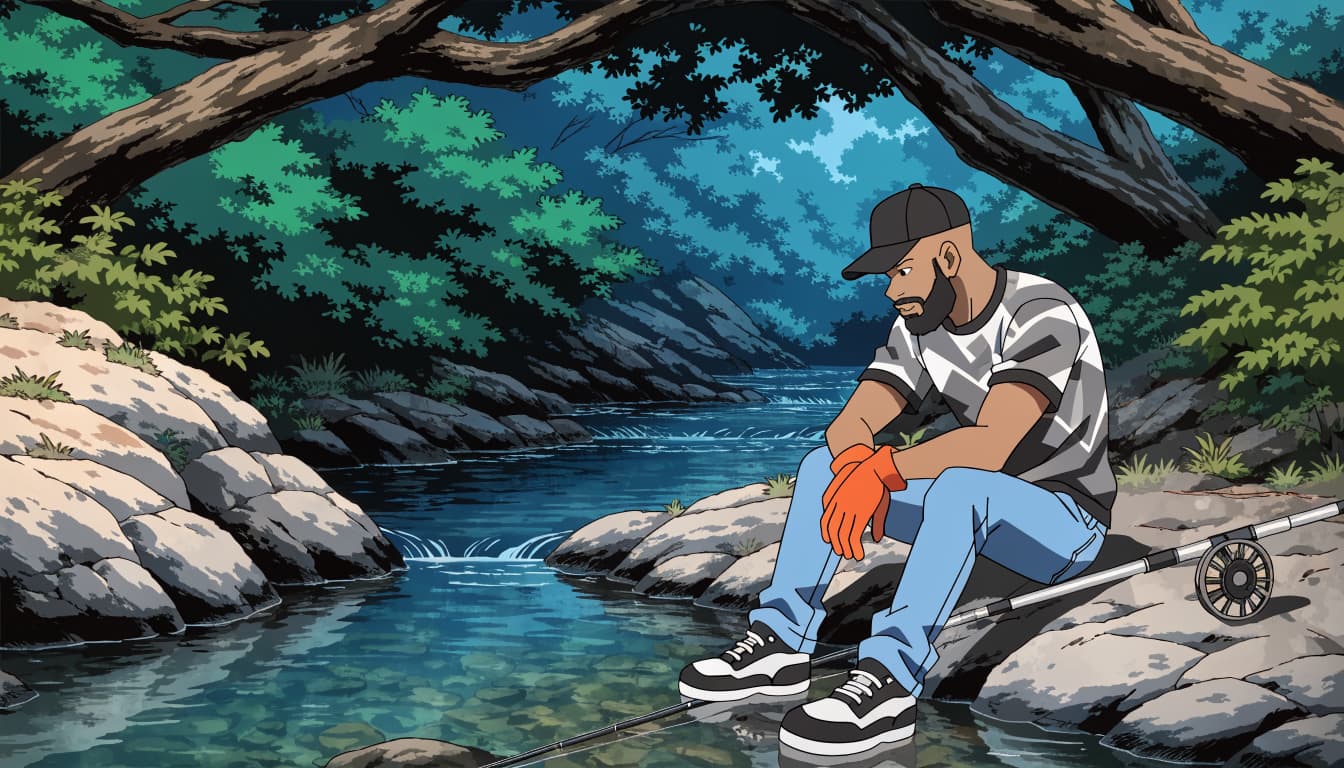
Check length, action, and travel needs
Length tells you the assembled rod's dimensions. Action describes its bending behavior under load, while the section count affects how you transport it.
Keep those specifications separate when comparing packages. A rod's casting description doesn't tell you whether its case fits your storage space or travel plans.
For example, a four-piece rod breaks into shorter sections than a two-piece rod of equal assembled length. That practical difference can matter when you're packing a car or carrying luggage.
What Else You Need Beyond the Fly Fishing Outfit
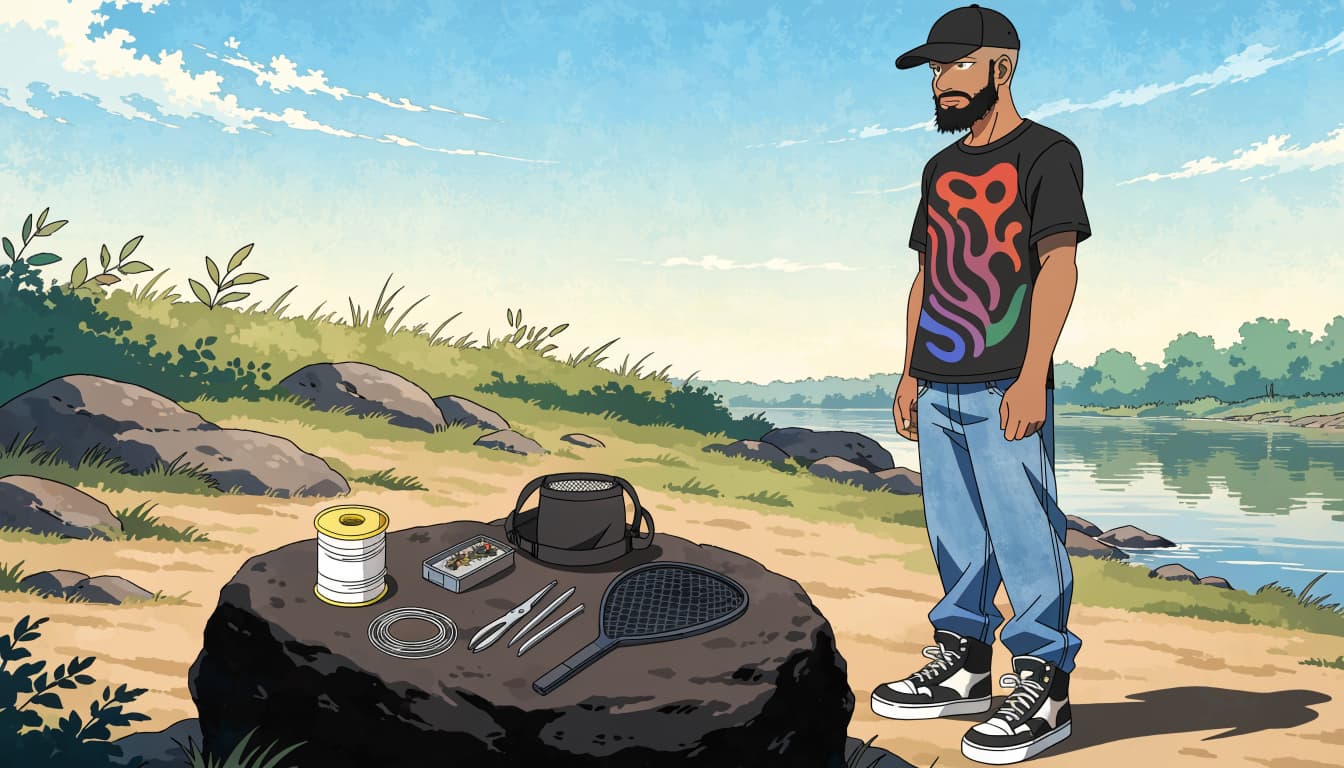
The tackle package is only one part of your fishing kit. Leaders, tippet, flies, a fly box, nippers, forceps, and a way to carry your belongings belong in the wider planning conversation.
Their presence in any particular bundle depends on its listed contents. Avoid purchasing duplicates simply because an item appears on a beginner shopping list.
Add the small tools that make a trip easier
A net, floatant, split shot, and strike indicators also appear in beginner gear discussions. Their usefulness depends on how you fish, so they don't all need to enter your cart together.
Organize purchases around the gaps in your existing kit. If your package includes a leader, for example, that changes your immediate shopping needs without making leaders irrelevant.
A small, organized selection is easier to understand than an accessory collection bought without a purpose. You can add items when you understand where they fit into your fishing.
Choose clothing for weather and water
Keep apparel separate from the tackle comparison. A rod package's value doesn't tell you whether your existing clothes suit the weather, access, or amount of time outdoors.
Make clothing decisions around those conditions rather than a particular fishing aesthetic. Waders and boots belong in that assessment, but their cost shouldn't disappear inside your mental budget for the combo.
Likewise, a casual tee and technical fishing clothing have different purposes. Plan the on-water wardrobe independently, then consider what you'd like to wear afterward.
How Much Should You Spend on a Beginner Fly Fishing Outfit?
There isn't one correct spending target. Colorado Parks and Wildlife describes manufacturer kits around $150, but that benchmark doesn't define every package or today's price for a named model.
Your useful budget is the total needed to get started, including purchases outside the combo.
Compare the full package, not just the price
A Redington Crosswater listing dated October 14, 2026, priced the combo at $99.99. It listed a rod, reel, pre-spooled RIO Mainstream WF line, and a Cordura rod tube.
Meanwhile, Orvis listed Clearwater outfits at $479 to $519, depending on configuration, with a rod, reel, fly line, and backing. Those examples show why an old "beginner price range" can be misleading.
Named beginner-combo comparisons offer another way to organize your shortlist. Redington Crosswater, Orvis Encounter, Echo Base, and Orvis Clearwater are comparison points, not interchangeable packages or automatic recommendations.
Alongside the hardware, compare carrying protection and warranty terms. A warranty is separate from what arrives in the box, and its coverage can affect long-term ownership.
Leave room for the rest of your kit
A lower combo price doesn't automatically produce a lower startup total. Your existing gear and the package's contents both affect what remains to buy.
Keep separate amounts for tackle, accessories, and clothing or footwear. That makes a missing item visible before you commit the entire budget to a rod and reel.
Also separate essentials for your first outing from purchases you might want later. You don't need to fund an entire collection at once.
Streetwear & Casual Styling
If you meant clothing when searching for fly fishing outfits, separate your fishing wardrobe from your off-water look. A casual graphic tee isn't a substitute for technical fishing layers or protective equipment.
Afterward, build a relaxed outfit around one of our Cyber-Brutalist Anime Graphic Tees. Pair the artwork with relaxed cargos or dark-wash denim, then add an open flannel, work shirt, or hoodie when the weather suits.
Keep the supporting pieces simple. Solid colors give bold anime artwork space, while restrained accessories prevent the outfit from feeling crowded.
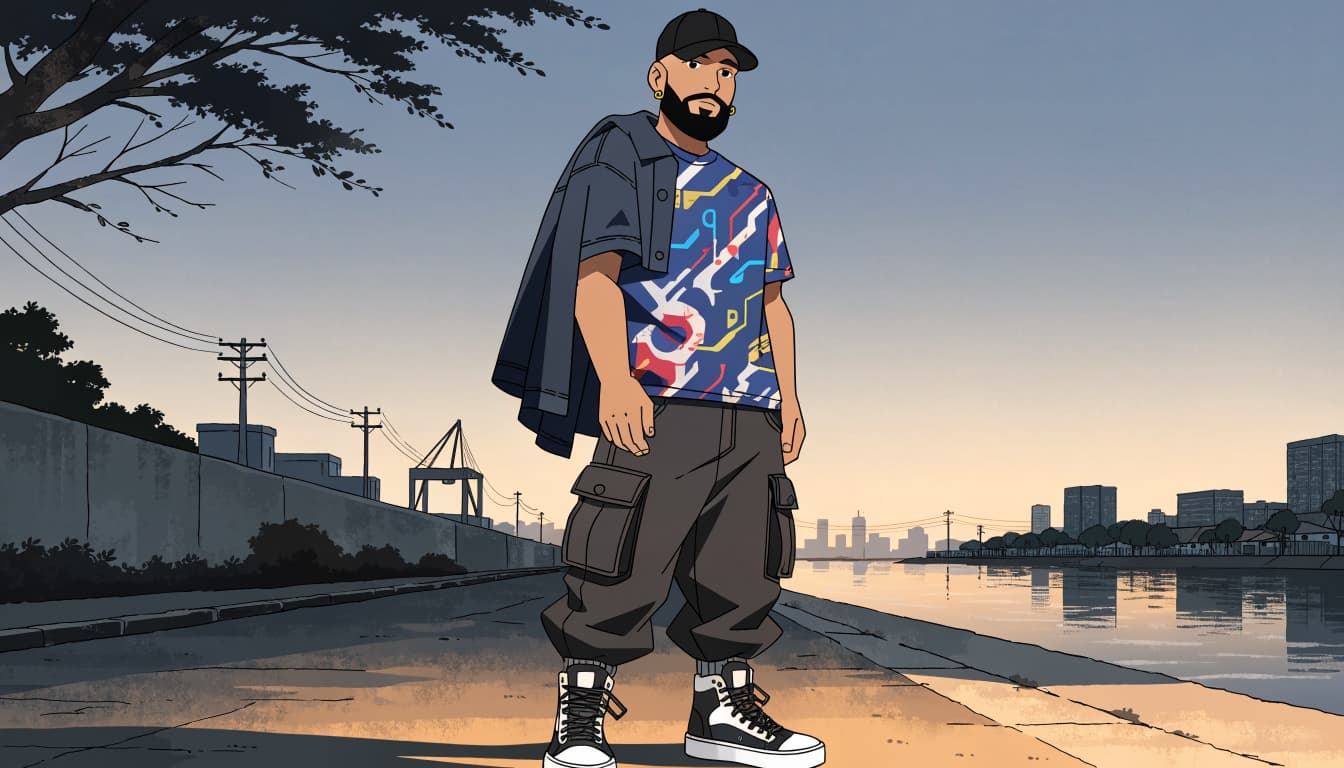
You can also adjust the silhouette without changing the focal point. Relaxed pants create a looser streetwear shape; straight-leg denim gives you a more compact outline.
Leave an overshirt open so the graphic stays visible. The result is an easy post-fishing outfit without treating casual apparel as specialized fishing gear.
Frequently Asked Questions
Is a 5-weight fly rod good for beginners?
A 9-foot, 5-weight rod is a practical reference for a beginner because Colorado Parks and Wildlife identifies it as general-purpose equipment for Colorado. However, that recommendation has a geographic context. Your intended fishing should guide whether you follow that baseline or choose another setup.
Can you use a regular fishing reel with a fly rod?
A conventional spinning reel isn't an equivalent replacement for a fly reel. Fly reels accommodate a fly-line system and attach to the rod as part of that setup. When buying your first outfit, keep the package's rod, reel, and line together rather than substituting unrelated equipment.
Does a fly fishing outfit include flies and waders?
The word "outfit" alone doesn't establish whether either is included. Package descriptions differ, so neither flies nor waders should enter your budget as an assumed inclusion. Use the listed components to distinguish what the purchase supplies from what your trip still requires.
What does WF5F mean on fly line?
"WF" means weight-forward, "5" identifies the line weight, and the final "F" means floating. The label describes the line rather than the rod's length or the reel's construction. Reading each part separately helps you understand a package description without confusing several different specifications.
Build Your First Kit Around Your Fishing
A matched 9-foot, 5-weight freshwater outfit gives you a concrete starting point, with Colorado Parks and Wildlife's recommendation as useful context. Adapt that baseline to your target fish and water rather than treating it as universal.
Compare actual package contents and leave room for the purchases outside the box. Then build your kit over time, with each addition tied to the fishing you plan to do.