

Backpacking Food Storage That Keeps Meals Safe
TrendReactTees.STORE TeamGood food storage on a backpacking trip keeps meals safe, protects wildlife, and stops your pack from turning into a snack drawer with straps. Your route determines whether you need an approved bear-resistant canister, a food locker, or a food hang that local rules allow.
Pack compact foods, keep perishables cold, and secure every scented item, including the ones that don't look like food. For a little trail humor on the approach, we like the Nature Is My Wifi Tee and Nature Is My Therapist Tee. Your storage plan still needs to follow the rules where you're hiking.
This post may contain affiliate links. If you make a purchase through these links, I may earn a small commission at no extra cost to you.
Key Takeaways
- Follow your destination's food-storage rules. Canisters, lockers, and hangs aren't interchangeable everywhere.
- Make room for toiletries, wrappers, trash, and other scented items, not just meals.
- Choose compact, calorie-dense foods and plan portions for every day, plus a small backup.
- Keep cold food at or below 40°F, and pack out every scrap, wrapper, and crumb.
Food Storage Backpacking: Keep Meals Secure and Wildlife Safe
Your food-storage method comes down to the rules for your specific route. Some places require an approved bear-resistant container or a park locker. Others may allow a properly secured food hang. A hang is not a universal workaround, and a storage method that's legal on one trail may be prohibited on the next.
Yosemite requires approved bear-resistant containers or food lockers where lockers are provided, and prohibits hanging food. Grand Teton requires an Interagency Grizzly Bear Committee (IGBC)-approved container unless a food-storage box is provided. Hanging is prohibited there, too. These are park-specific rules, not a national standard. Yosemite's food-storage guidance covers its local requirements.
Choose the right container for your route
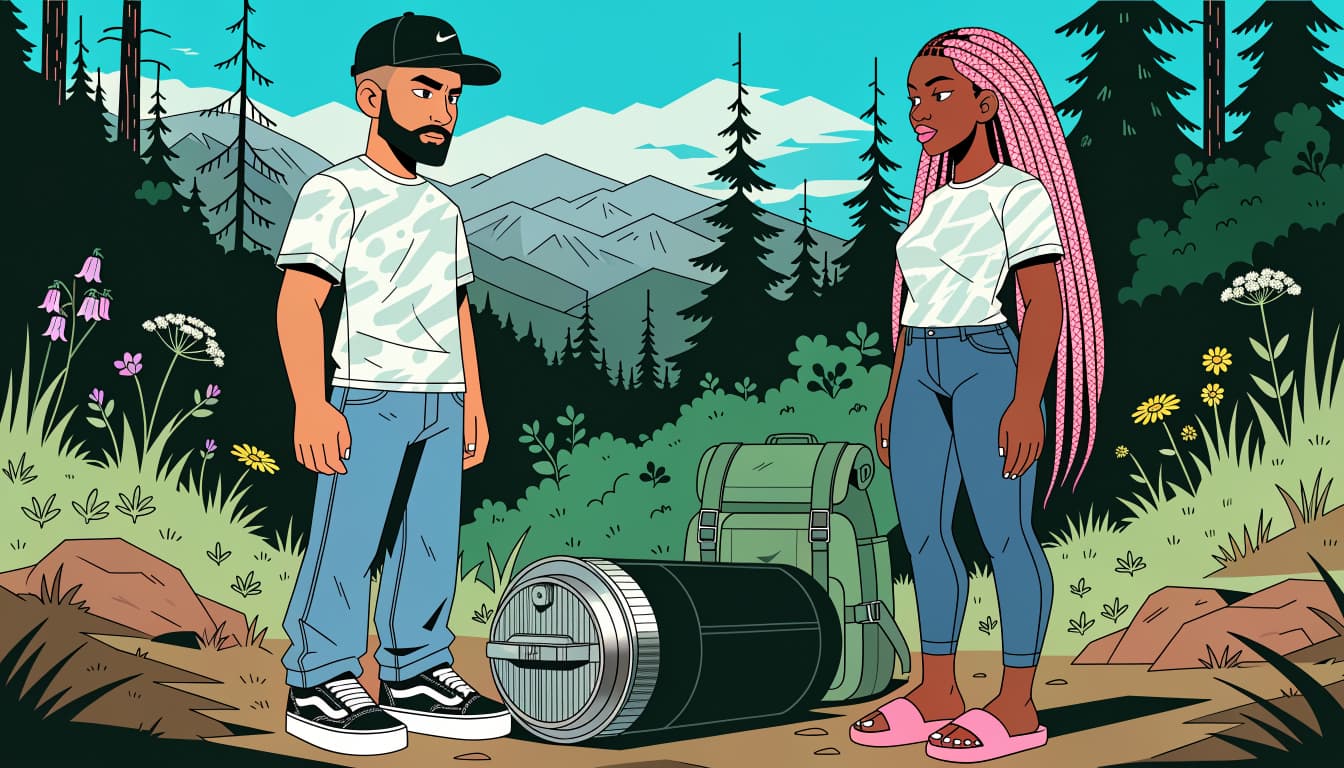
A bear canister gives you a dependable option when you're camping away from a provided locker. Its capacity is limited, though, and it can take up more room than you expect once meals, snacks, trash, and toiletries are inside. A locker can save pack space where one is available. A food hang works only where local rules allow it and where you can set it up correctly.
Before leaving, check the current land-manager rules for every part of your route. Plan the container around all the food and scented items you'll carry. A canister that fits dinner for each night but leaves no room for sunscreen or wrappers isn't a complete plan.
Keep every scented item in the storage plan
Food storage includes drinks, wrappers, and leftovers, but also soap, cosmetics, sunscreen, insect repellent, lip balm, and other toiletries. Some park guidance also includes fuel, medications, and items used to prepare or eat meals. If you're unsure whether something belongs in the storage plan, follow the rules for your destination.
Keep the approved container closed and locked whenever you're not actively taking something out. That includes during the day at camp, not only overnight. Wildlife doesn't care that you're "only gone for a second." Neither does a snack bag left beside your pack.
Choose Backpacking Foods That Pack Small and Hold Up
A good backpacking menu fits your trip, not an imaginary version where every meal is a feast and your pack weighs nothing. Consider the number of days, your appetite and activity, water access, cooking setup, and food preferences. Shelf-stable food is usually the easier choice once you're more than a day from the trailhead.
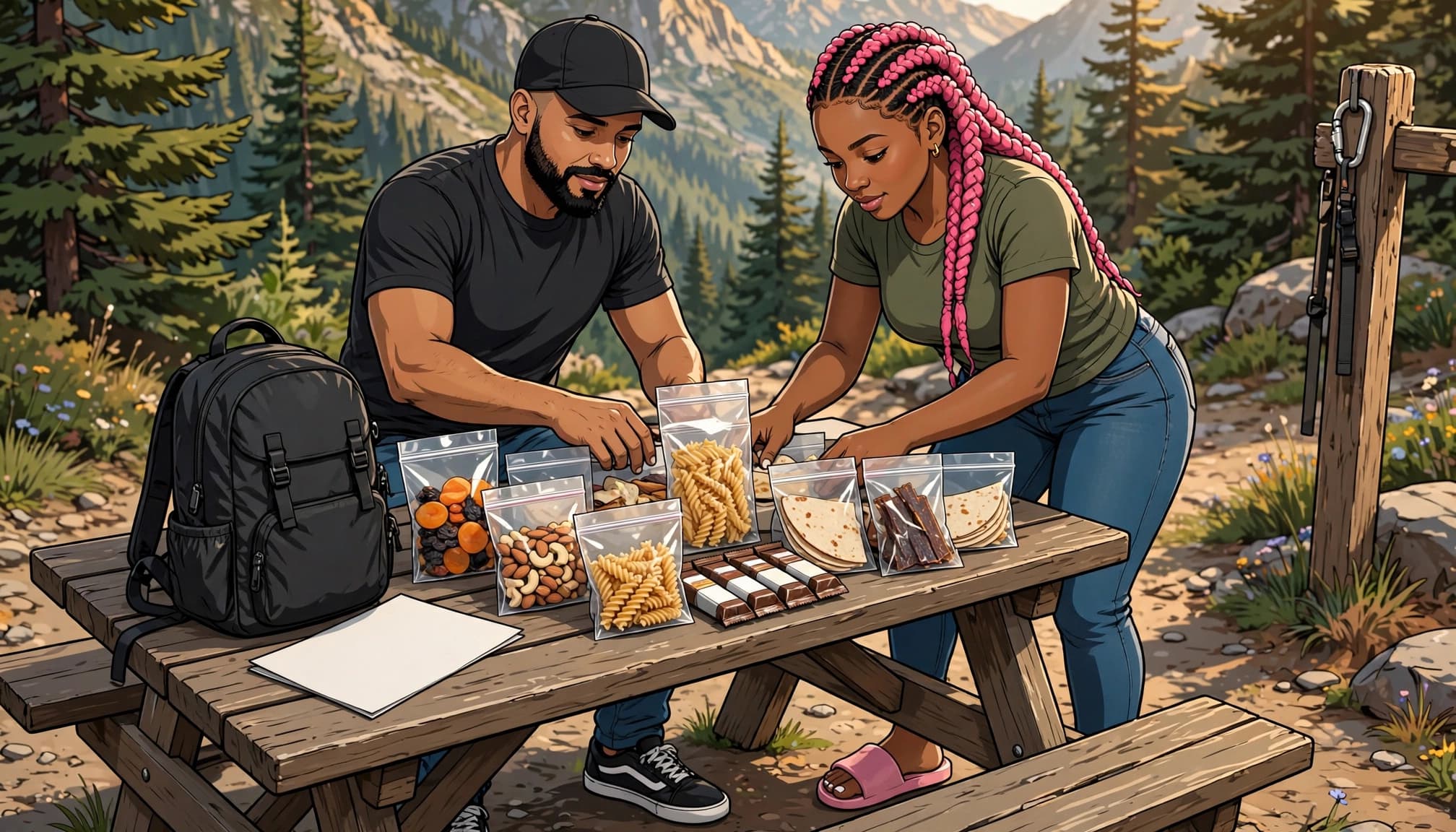
Compact, calorie-dense options include rice, tortillas, pasta, nuts, dried fruit, jerky, peanut butter, and protein bars. Freeze-dried and dehydrated meals are convenient before preparation because they're lightweight and shelf-stable in their original packaging. Once you add water and prepare one, don't treat the meal as shelf-stable.
Build a simple meal plan before you pack
Count breakfasts, lunches, dinners, and snacks for each day. Then add a small backup portion for an unexpected delay or a day when you're hungrier than planned. You don't need the same amount of food for every person or every route. A long, strenuous day and a short trip with easy resupply call for different plans.
Planning also helps you avoid carrying a week of "maybe I'll want this" snacks on a two-night trip. At the same time, don't cut portions so closely that one dropped meal leaves you short. The goal is enough food for the trip, with a modest safety margin.
Repackage food without losing useful details
Removing bulky packaging can reduce volume in a bear canister. Move dry foods into resealable bags, press out excess air, and label each bag with the meal name and any preparation steps you'll need. If the directions are on the original package, copy the useful details before tossing it.
Keep crumbs and greasy foods contained. Separate bags make it easier to store leftovers and food waste with the rest of your scented items. Less packaging means less bulk, but it doesn't mean fewer storage responsibilities.
Keep Your Food Safe From Heat and Spoilage
The USDA's food-safety danger zone is 40°F to 140°F. Perishable food should be refrigerated within two hours, or within one hour when outdoor temperatures are above 90°F. Cold food should stay at or below 40°F. The USDA's hiking and camping food-safety guidance explains how to plan for food on the trail.
For trips longer than a day, shelf-stable options are generally simpler than trying to keep perishables cold after your ice packs warm up. USDA examples include jerky, dried foods, nuts, dried fruit, powdered drinks, and prepackaged shelf-stable meals. Follow the package directions for any prepared meal, and don't assume adding water makes it safe to leave out.
Pack cold food only when you can keep it cold
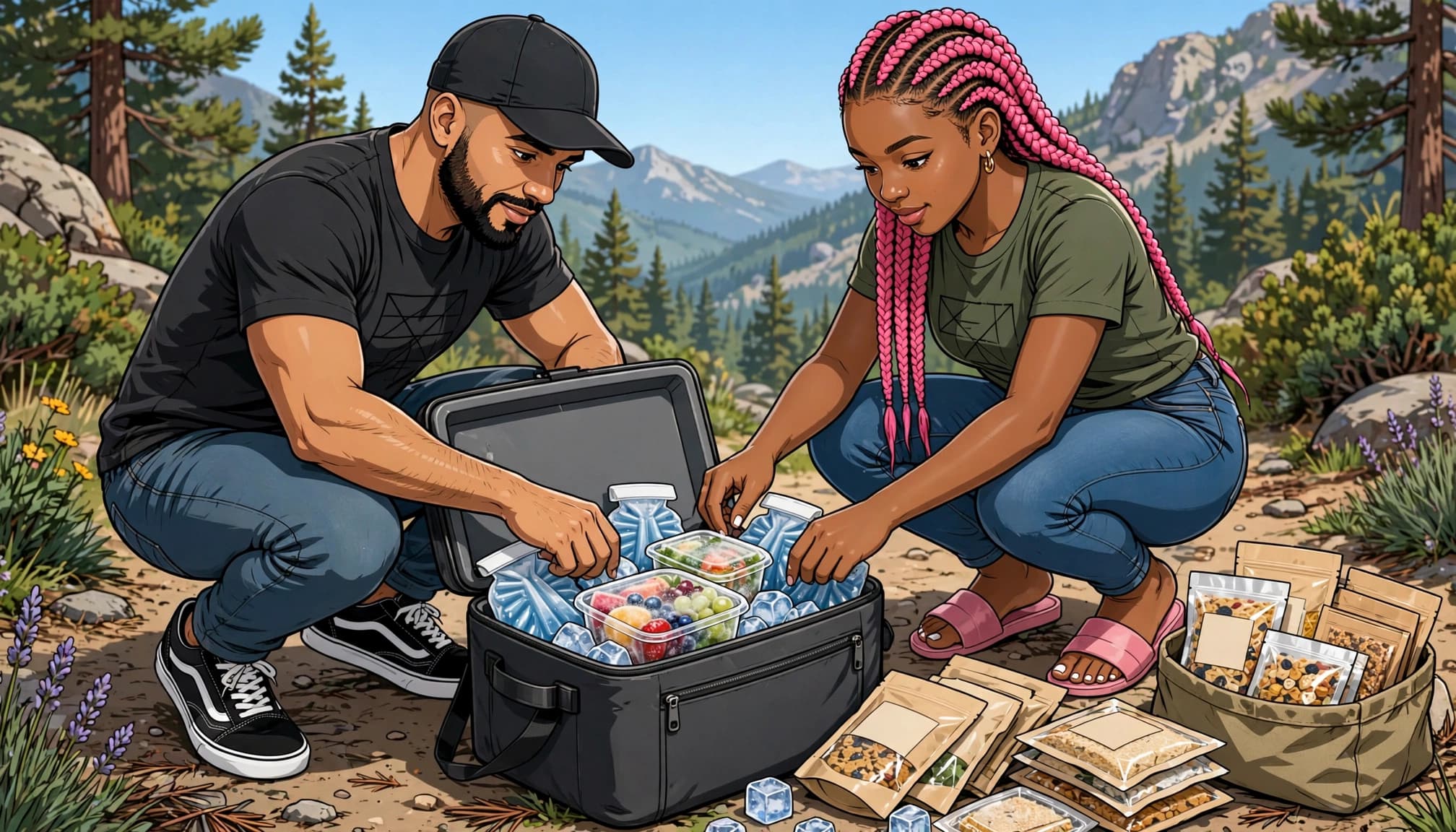
Cold packs don't last forever, especially in a warm pack carried through a long day. Chill or freeze perishable food before you leave, then plan to eat it early in the trip while you can still keep it cold. Pack shelf-stable meals for later days instead of asking a soft cooler to perform miracles.
If you can't maintain a safe temperature, leave the perishable food at home. Trail hunger is unpleasant; foodborne illness several miles from the nearest road is a much worse side quest.
Handle rehydrated meals with care
A dried meal may be shelf-stable in its package. Once prepared, it's food that needs to be handled according to the product directions and safe-food guidance. Make only the amount you plan to eat, and don't keep leftovers sitting out past safe time limits.
Organize Your Pack, Camp, and Food Waste
Give meals, snacks, cooking gear, and waste separate places in your pack. Keep all scented items easy to gather when it's time to store them. A simple routine saves you from unpacking everything to find one snack, then leaving a wrapper behind because the camp cleanup turned into inventory management.
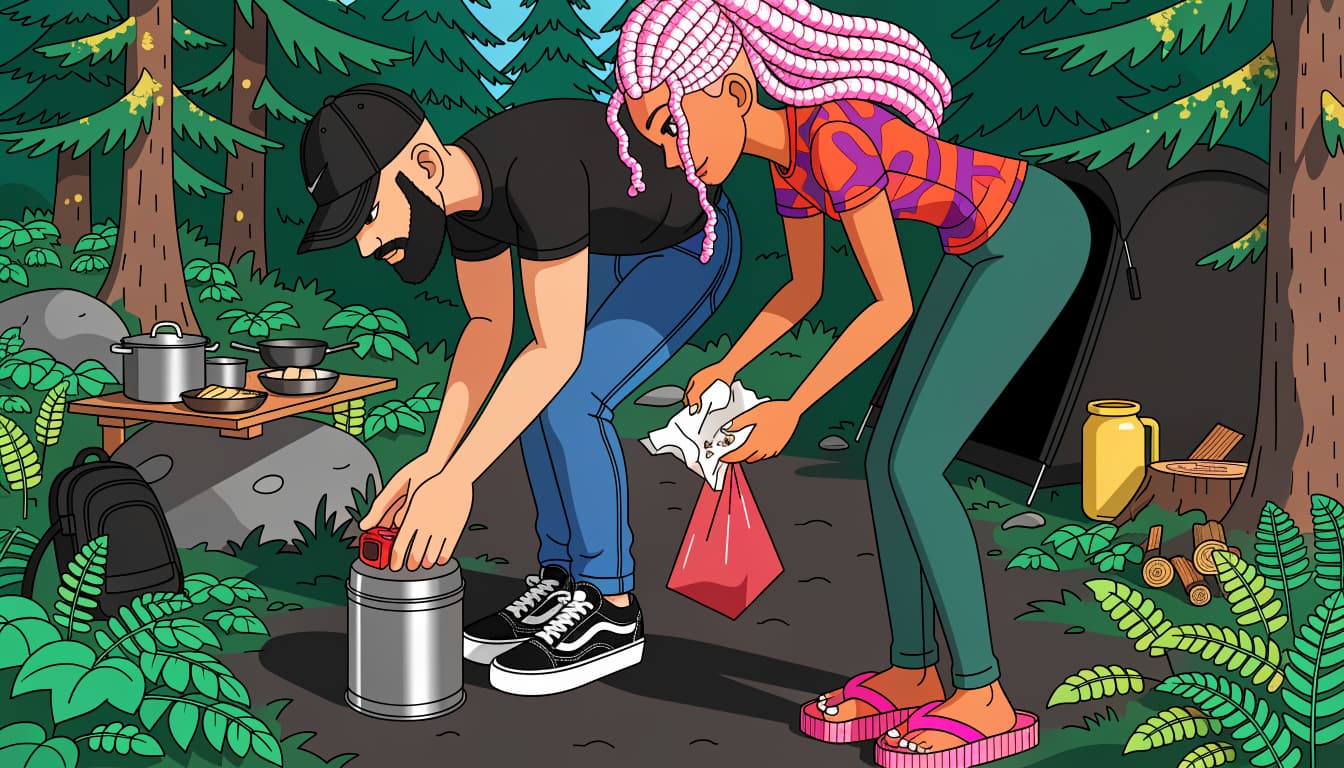
Pack out all uneaten food, crumbs, grease, wrappers, and garbage. Don't bury or burn food waste. Keep food and cooking away from your tent, and don't leave packs or trash unattended. If you're using a canister, place it on level ground away from cliffs and water.
Make food and trash easy to store together
Use separate resealable bags for meals, crumbs, grease, and trash. At camp, store those bags with the food and scented items as local rules require. This keeps residue contained and makes it easier to gather everything before leaving.
Check that your storage container has room for the full trip's food and waste, not only the meals you packed at the trailhead. Wrappers and leftovers take space, too. Every day you eat adds something to the pack-out plan.
Leave camp clean and avoid common storage mistakes
Never store food in your tent or leave it in your pack at camp. Keep a bear canister closed and locked when you're not actively using it. Don't tie gear to the canister, since an animal could carry it off, and don't assume the container is waterproof or odor-proof.
Keep canisters away from heat. Using one as a stove support can damage or warp the lid. A clean camp is mostly a matter of putting things away every time, rather than leaving a trail of crumbs and hoping future-you remembers where they went.
Streetwear & Casual Styling
Trail clothes need to handle weather, movement, and whatever the route throws at you. A graphic tee can be part of your casual outfit around town or at the trailhead, but it doesn't replace technical layers or weather-ready gear when conditions call for them.
For an easy trail-to-town look, style one of our Cyber-Brutalist Anime Graphic Tees with practical pants, broken-in shoes, and a light layer you can take off when the afternoon warms up. The Nature Is My Only Group Chat Tee brings the introvert energy. The Leave No Trace. I'm Trying. Tee brings a little trail humor. Keep the outfit comfortable and leave the full costume department at home.

Frequently Asked Questions
Do you need a bear canister on every backpacking trip?
No. Requirements depend on your destination and route. Some areas require an approved canister, while others provide lockers or allow another storage method. Check current land-manager guidance before your trip.
Can you store food in your tent if it's sealed?
No. Sealed packaging doesn't make a tent a safe food-storage place, and wildlife can still be attracted to food odors. Follow local rules and secure every scented item in the required container or locker.
How much food should you pack for a backpacking trip?
Plan breakfasts, lunches, dinners, and snacks for each day, based on trip length, activity, and your appetite. Add a modest backup portion, rather than relying on a one-size-fits-all calorie target.
Can you leave food waste buried at camp?
No. Pack out food scraps, crumbs, wrappers, and other garbage. Don't bury or burn food waste.
Pack the Rules Before the Snacks
Plan food around your route, follow the area's storage rules, keep perishables at safe temperatures, and pack out every scrap. A little care at home makes your camp safer for wildlife and easier for you to manage.
Check your destination's current guidance before you leave. Then pack the meals, scented items, and waste bags as one complete plan.