

Gray French Bulldogs With Blue Eyes: Color and Care
TrendReactTees.STORE TeamA French Bulldog with a gray-blue coat and blue eyes can have striking coloring, but those traits don't tell you everything about the dog's genes or health. Blue eyes alone aren't a diagnosis, and a puppy's eye color may change as they grow.
If your dog has already claimed main-character status in your life, the My Therapist Is A Dog Tee and Best Dog Mom Tee put that energy on display.
Whether you're considering a puppy or learning about your adopted Frenchie, understanding the difference between color and health can help you focus on what your dog needs.
This post may contain affiliate links. If you make a purchase through these links, I may earn a small commission at no extra cost to you.
Key Takeaways
- A gray-blue coat and blue eyes are separate traits, so neither guarantees the other.
- Dilution can produce a blue-gray coat, while merle is a different genetic pattern.
- Puppy eye color can change with maturity, and an early photo can't promise the final shade.
- Some dilute dogs develop skin or coat problems, but color alone doesn't diagnose a condition.
- Ask for health records and parentage when available, and contact a veterinarian about concerning symptoms.
French Bulldog Grey Blue Eyes: What the Color Means
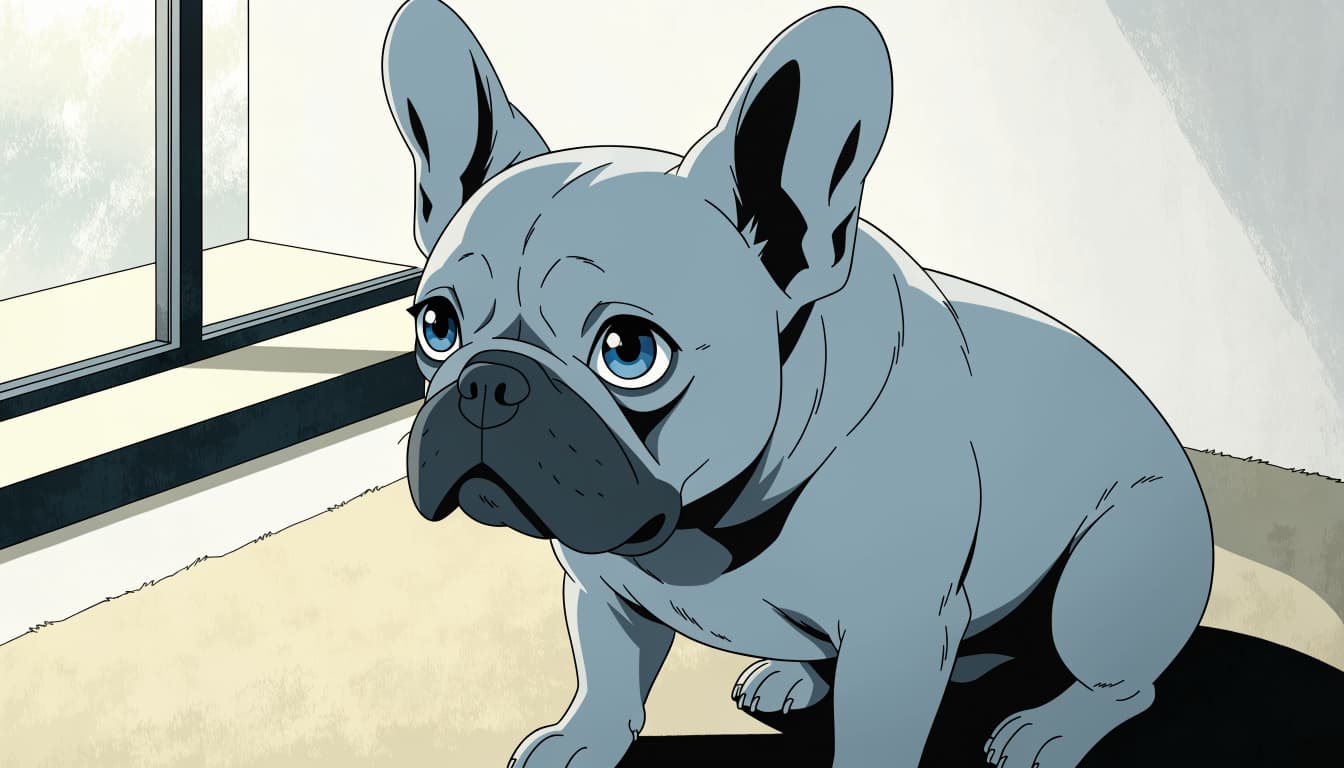
When someone describes a French Bulldog as gray or blue, they're usually talking about a diluted-looking coat. Blue eyes describe the color of the iris, the colored part of the eye. You can see both traits in the same dog, but one doesn't guarantee the other.
Gray-blue coloring and merle aren't the same
A blue-gray coat can result when dark pigment is diluted, giving the hair a softer slate appearance. Merle is a separate genetic pattern that can create patches of diluted pigment across the coat.
A dog can have blue eyes without being merle. A gray-blue coat also doesn't tell you whether a dog carries merle. Photos are great for appreciating a Frenchie's face, but they're not a substitute for genetic records.
Descriptions can get messy when breeders or owners use "blue," "gray," and "merle" casually. Ask what they mean and which test results support their description, especially if you're making a breeding or purchase decision.
What the breed standard says
The French Bull Dog Club of America's breed standard lists blue and merle among disqualifying colors and patterns. Accepted colors include brindle, fawn, white, and permitted combinations.
That distinction matters if you're looking for a standard-color show prospect. It doesn't make a blue-gray Frenchie any less lovable, and a nonstandard color alone doesn't tell you whether an individual dog is healthy.
How Coat Genes and Puppy Eye Color Can Differ
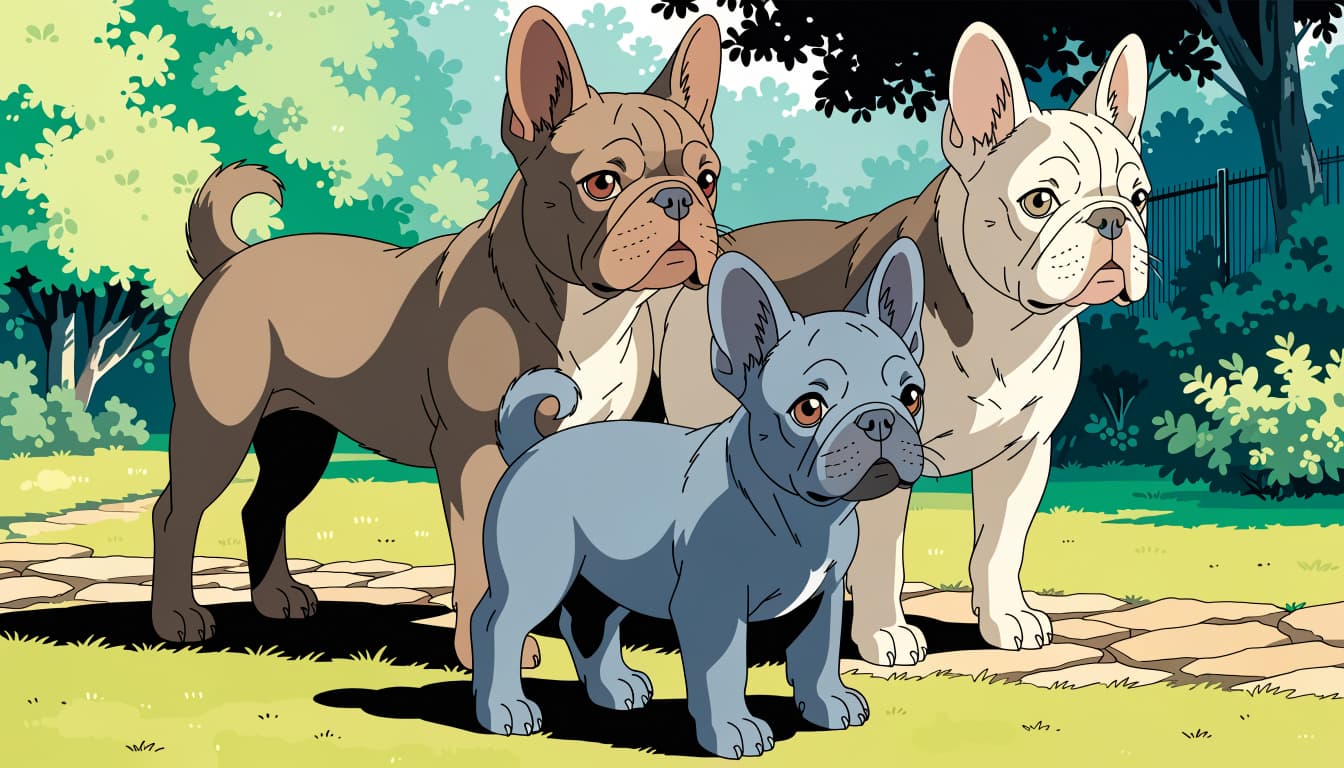
Coat genetics can get complicated, but you don't need a science degree to keep the basics straight. Dilution, merle, and eye color don't all describe the same trait.
Dilution and merle have different genetic roles
The dilution trait affects pigment intensity and can give a dark coat a blue-gray appearance. The usual dilution inheritance is recessive, meaning a dog generally needs two copies of a dilution variant to show that coloring.
Merle is a separate pattern trait. It can affect how pigment appears in the coat and may be associated with blue or differently colored eyes. Still, looking at the eyes alone can't confirm whether a dog carries merle.
If you're considering a puppy from a breeder, ask for clear parentage and relevant genetic test records. A seller's color label is a starting description, not a complete genetic profile. Test results can help you understand what has been checked and what remains unknown.
Puppy eyes may change as they mature
A young puppy's eyes can look blue or bluish gray before their mature color develops. The timing varies, so an early photo can't guarantee the shade you'll see later. Some dogs keep blue eyes; others don't.
For a closer look at coat inheritance, Embark for Breeders covers French Bulldog color genetics in this video:
Health Questions to Ask About Blue-Gray French Bulldogs
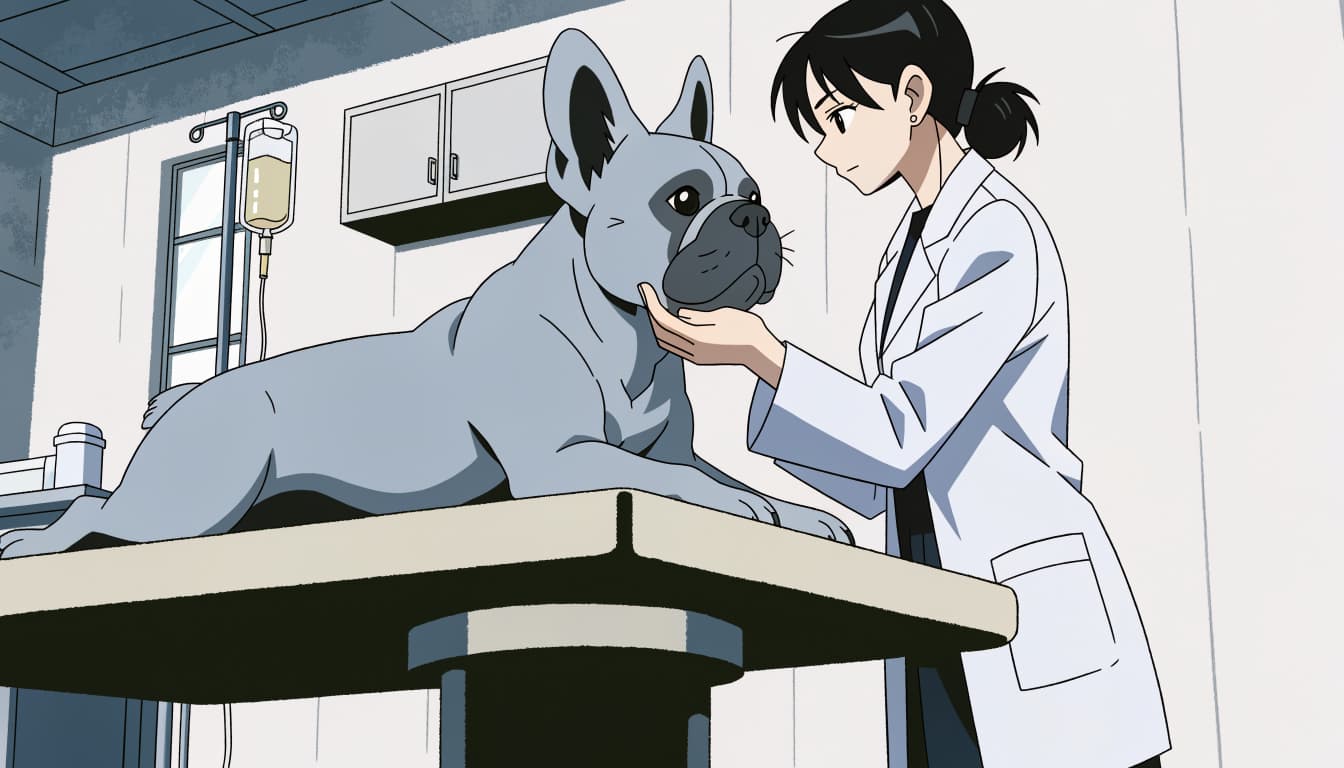
Your dog's appearance can point you toward useful questions. It can't replace an individual veterinary assessment.
Can dilute coloring affect the skin?
Some dilute-colored dogs develop color dilution alopecia, or CDA. Signs can include thinning hair, hair loss, and recurring skin infections. Those symptoms can have other causes, so a veterinarian needs to assess them rather than assuming CDA.
A test for dilute variants can't tell you which dilute dogs will develop the condition. Veterinary laboratory Laboklin's CDA guidance makes that limitation clear. Your veterinarian may recommend further examination or testing to identify the cause of coat changes.
When should eye changes worry you?
A naturally blue iris is different from a newly cloudy or blue-looking eye surface. Contact a veterinarian promptly if you notice new cloudiness, redness, pain, squinting, discharge, or a change in vision.
Don't write off a new symptom as part of your dog's coloring. An eye that looks uncomfortable deserves attention, regardless of its usual iris color.
What about hearing and merle?
Blue eyes alone don't establish deafness. Louisiana State University's veterinary genetics guidance notes that eye color isn't enough to determine hearing status, although certain pigmentation patterns can be relevant.
Merle-related risks depend on genetic context. Breeding two merle dogs can produce double-merle puppies, who have a higher risk of hearing or vision problems. That warning doesn't mean every blue-gray French Bulldog has those risks.
If behavior, family history, or pigmentation raises concern, ask your veterinarian whether a hearing evaluation makes sense for your dog.
How to Choose and Care for a French Bulldog with This Coloring
A striking color might catch your eye first. The dog's needs and the information available about their health deserve more attention than the photo that stopped your scroll.
Ask for records, not just a reassuring label
If you're working with a breeder, ask to see specific health-screening records, parentage, and relevant genetic test results. "Health tested" sounds reassuring, but you need to know which tests were performed and what the results mean.
Ask about the parents' health history, too. Avoid merle-to-merle pairings because of the increased risk associated with double-merle puppies. You can't identify every relevant gene from coat color alone, so records matter when assessing a pairing.
If you're adopting, you may not receive a complete family history. That doesn't make your dog a bad choice. Share the information you do have with your veterinarian and build a care plan around the individual dog in front of you.
Keep care practical and consistent
Make coat checks part of your routine, especially after muddy walks or time in vegetation. Look for debris, irritation, or areas where the hair seems thinner than usual. Brush as needed to remove loose hair and dirt, and bathe your dog when dirty with a dog-appropriate product.
Contact your veterinarian if you notice persistent scratching, hair loss, or recurring skin irritation. They can help you work out whether grooming products, an infection, or another issue needs attention.
French Bulldogs also need care suited to their short faces. Pay attention to breathing and heat, and ask your veterinarian about an appropriate activity routine.
Streetwear & Casual Styling
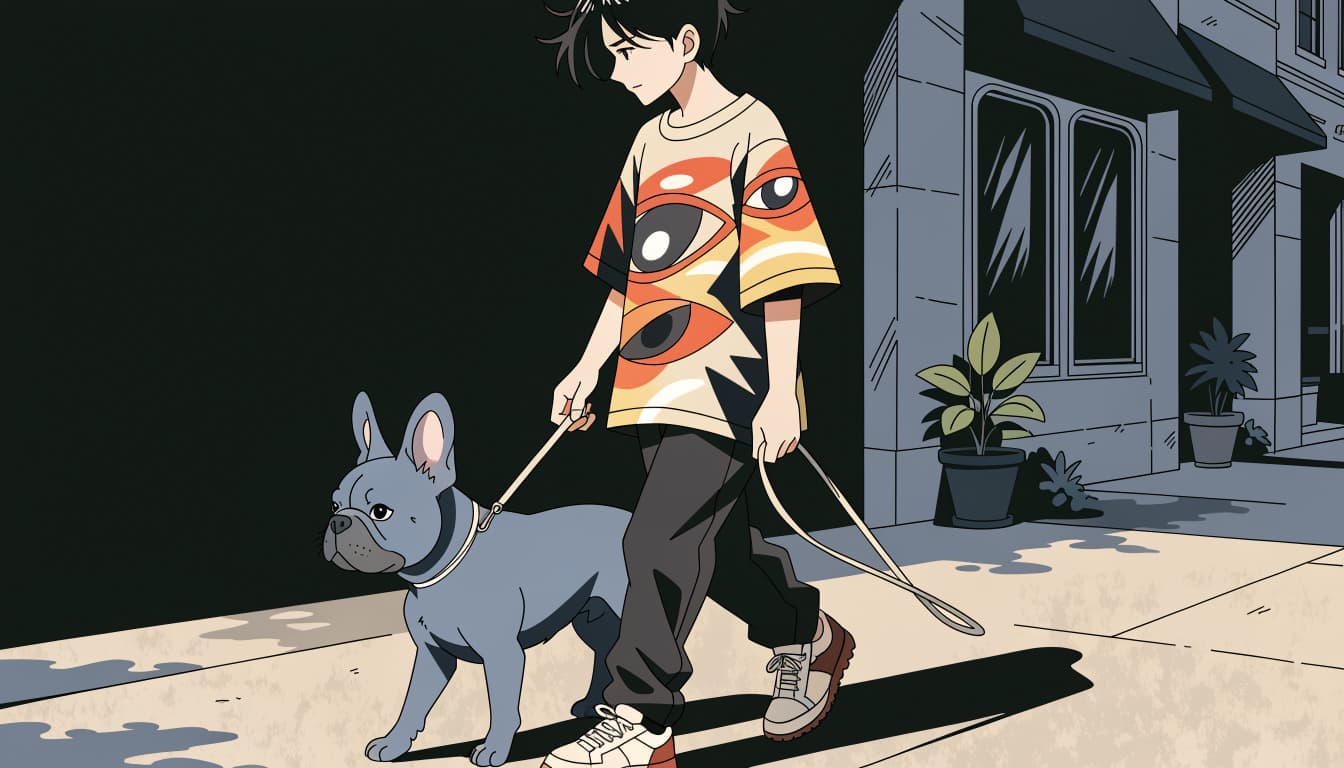
Your Frenchie can have the dramatic coloring. Your outfit can handle the personality statement.
Pair a Cyber-Brutalist Anime Graphic Tee with simple jeans and sneakers for an easy everyday look. Add a light layer when you want one, and let the graphic do the talking. The Dog Eats Custom Kibble Living On Ramen Tee brings the oddly specific dog-parent humor; the If They Could Use Internet We'd Be In Trouble Tee gives your dog's imagined online activities their own storyline.
Keep your styling choices separate from your dog's needs. A comfortable walk and a pace that suits your Frenchie matter more than matching the aesthetic.
Frequently Asked Questions
Can a French Bulldog have both a gray coat and blue eyes?
Yes. You can see both traits in the same French Bulldog, but coat dilution and iris color are separate traits. A gray coat doesn't guarantee blue eyes, and blue eyes don't guarantee a gray coat.
Will a French Bulldog puppy's blue eyes stay blue?
They might, but puppy eye color can change as the dog matures. You can't reliably promise an individual puppy's adult eye color from an early photo. Give the color time to develop rather than choosing a puppy on that expectation alone.
Are blue-eyed French Bulldogs always deaf?
No. Blue eyes alone don't mean a dog is deaf. If your dog's behavior, family history, or pigmentation pattern raises concern, your veterinarian can advise you about a hearing evaluation, including BAER testing when appropriate.
Is every blue-gray French Bulldog unhealthy?
No. Coat color isn't a diagnosis or a complete health report. Some dilute dogs develop coat or skin issues, while others may not, and color alone can't predict an individual dog's health.
Focus on the Frenchie in Front of You
A gray-blue coat and blue eyes make for a memorable look. They don't give you a full health report or tell you what a dog's personality will be.
Focus on the individual Frenchie, the records available, and responsible breeding or adoption. When something about your dog's skin, eyes, hearing, or breathing concerns you, your veterinarian can help you decide what comes next. Your dog's care matters more than any color label.