

Full-Grown Pomeranian Dachshund Mix: Size and Care
TrendReactTees.STORE TeamA full-grown Pomeranian Dachshund mix has no fixed size or appearance because it's a crossbreed without an official breed standard. Your dog's parents give you better clues than a puppy photo, however aggressively cute that photo happens to be.
You can expect a small companion, but its adult weight, proportions, coat, and personality can vary. Plan around the individual dog, with realistic size estimates, inherited traits, daily care, and health considerations in mind.
Start with the parents and the dog's actual build before you assign your future roommate a character class.
Key Takeaways
- Adult-size estimates vary, and no recognized breed standard defines this cross's weight, height, or appearance.
- Both parents' adult measurements offer useful context, especially whether the Dachshund parent is miniature or standard.
- Your dog's coat and personality need individual assessment rather than promises attached to a mix name.
- Measured meals, tooth brushing, coat-appropriate grooming, and regular veterinary visits belong in your routine.
- Long-backed, short-legged dogs deserve back-aware care; pain, weakness, or sudden walking problems need prompt veterinary attention.
How big is a full-grown Pomeranian Dachshund mix?
Published estimates disagree. Dogster lists adult Dameranians at 8 to 25 pounds and 5 to 11 inches tall. Hepper lists 8 to 20 pounds and 5 to 9 inches.
Those figures are editorial estimates, not measurements from a well-established population study. Neither range guarantees where your dog will land.
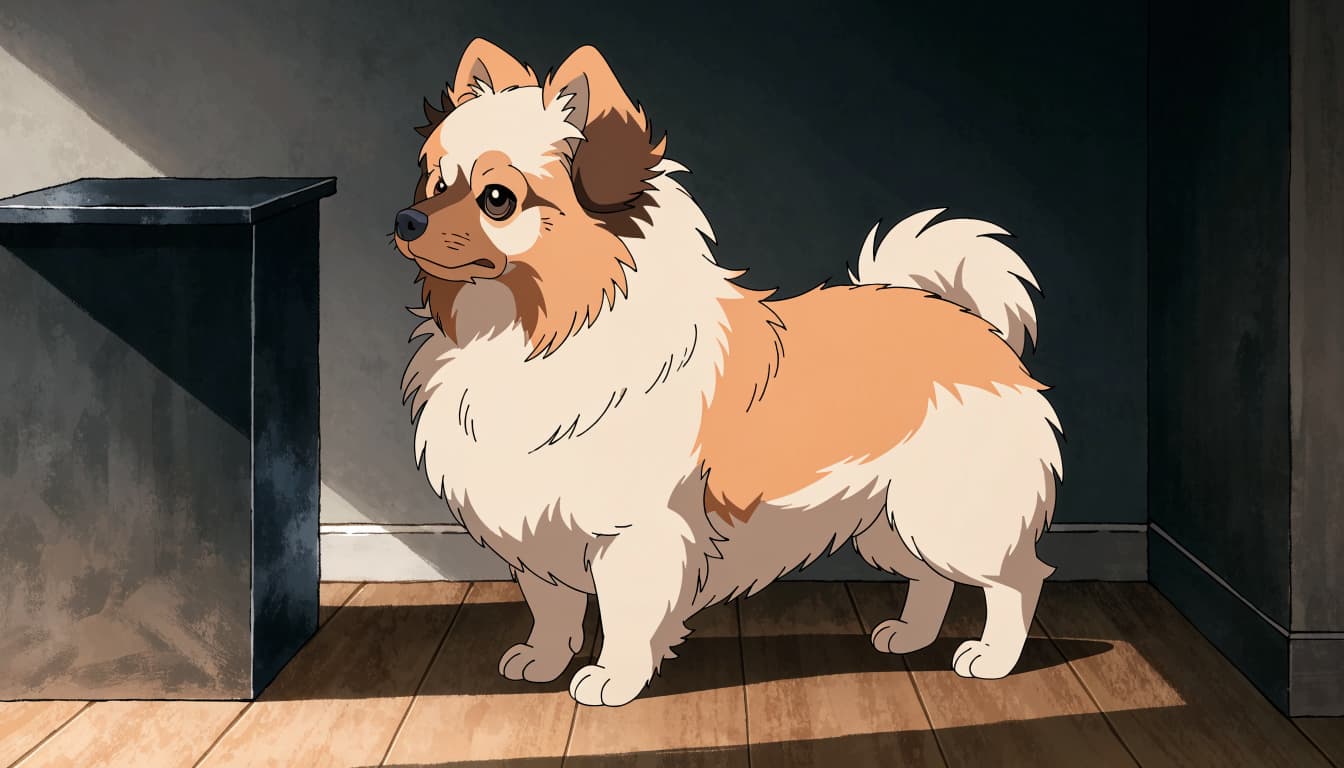
Why your dog's adult size can vary
The individual parents matter, especially whether the Dachshund parent is miniature or standard. A standard Dachshund parent changes your expectations compared with a much smaller miniature.
Sex, inherited proportions, and individual growth also affect adult measurements. Genetics doesn't operate like a character creator with neatly labeled sliders.
If you're choosing a puppy, ask about both parents' adult weight and height. Meet them when possible, and ask about their health history. Puppy age, paw size, and appearance alone can't promise a precise adult weight.
For an adult rescue, current measurements are more useful than guessing its ancestry.
What the coat and body shape may look like
Your mix could have a short, longer, or fluffy coat. Its body might look distinctly Dachshund-like, with a longer back and shorter legs, or have more balanced proportions.
Ear shape, coloring, coat texture, and shedding also vary. You can't reliably order "Pomeranian fluff, Dachshund ears, zero loose hair" and expect genetics to process the request.
Look beyond the silhouette. Your dog's proportions affect practical choices, including grooming tools, harness fit, and furniture access. A mix label gives you background, but the dog standing in front of you supplies the useful details.
What a grown Dameranian may be like at home
Your dog may inherit alertness, affection, hunting-related curiosity, or a strong opinion about the doorbell. Parent-breed traits offer possibilities, not a personality guarantee.
Watch the individual dog's behavior and history. A small body doesn't automatically come with easy training or universal compatibility.
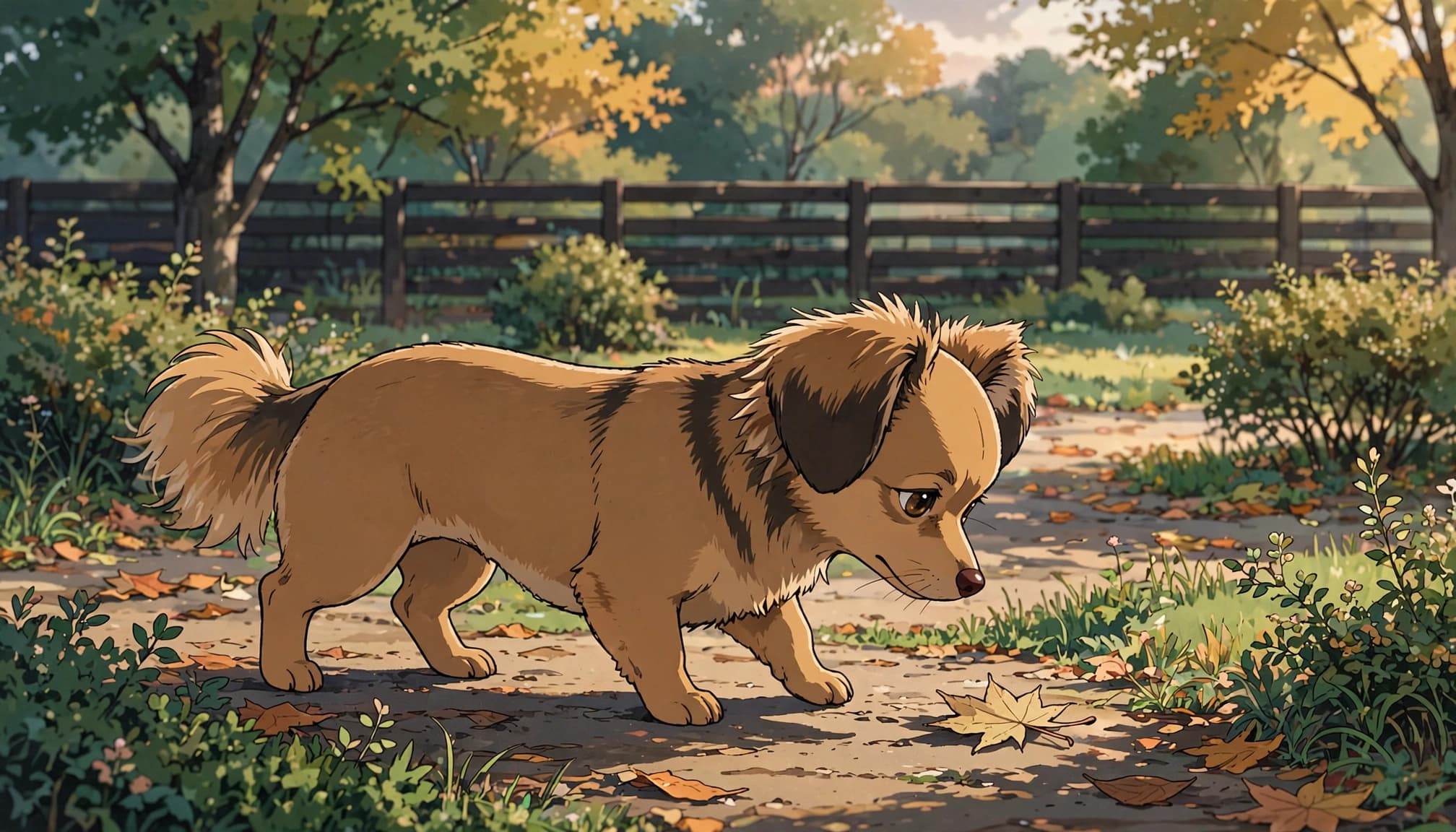
Energy, training, and social habits
Give your dog regular walks, play, and short reward-based training sessions. Adjust the pace to its age, health, build, and recovery afterward. You don't need a rigid exercise quota copied from another dog's profile.
Reward attention, calm behavior, and returning when called. If scent distractions take over, practice in quieter settings before adding tougher challenges. The sidewalk may contain twelve fascinating smells you can't detect.
Early socialization should introduce people, sounds, environments, and suitable dogs through positive, manageable experiences. For an adult rescue, build exposure gradually.
With barking, notice the trigger before choosing a response. Window access, boredom, excitement, and fear can call for different changes. Consistency helps more than escalating your volume.
Affection, barking, and household fit
Your Dameranian might enjoy close contact, prefer personal space, or alternate between the two. Let its behavior guide handling instead of assuming every small dog wants constant cuddles.
Children need supervision and guidance around a small dog. Teach gentle interaction, respect for resting spaces, and no chasing or rough lifting. Your dog also needs somewhere quiet to retreat.
Consider other pets, visitors, and your daily schedule before deciding the match works. Introductions should be gradual and supervised. A cute face doesn't settle compatibility questions.
If fear, guarding, or persistent distress develops, seek help from your veterinarian or a qualified reward-based behavior professional.
Daily care and health needs to plan for
Your adult dog's routine should include coat care, dental hygiene, measured meals, and veterinary checkups. Discuss preventive care and changes in movement, appetite, or behavior.
Grooming, teeth, and keeping a healthy weight
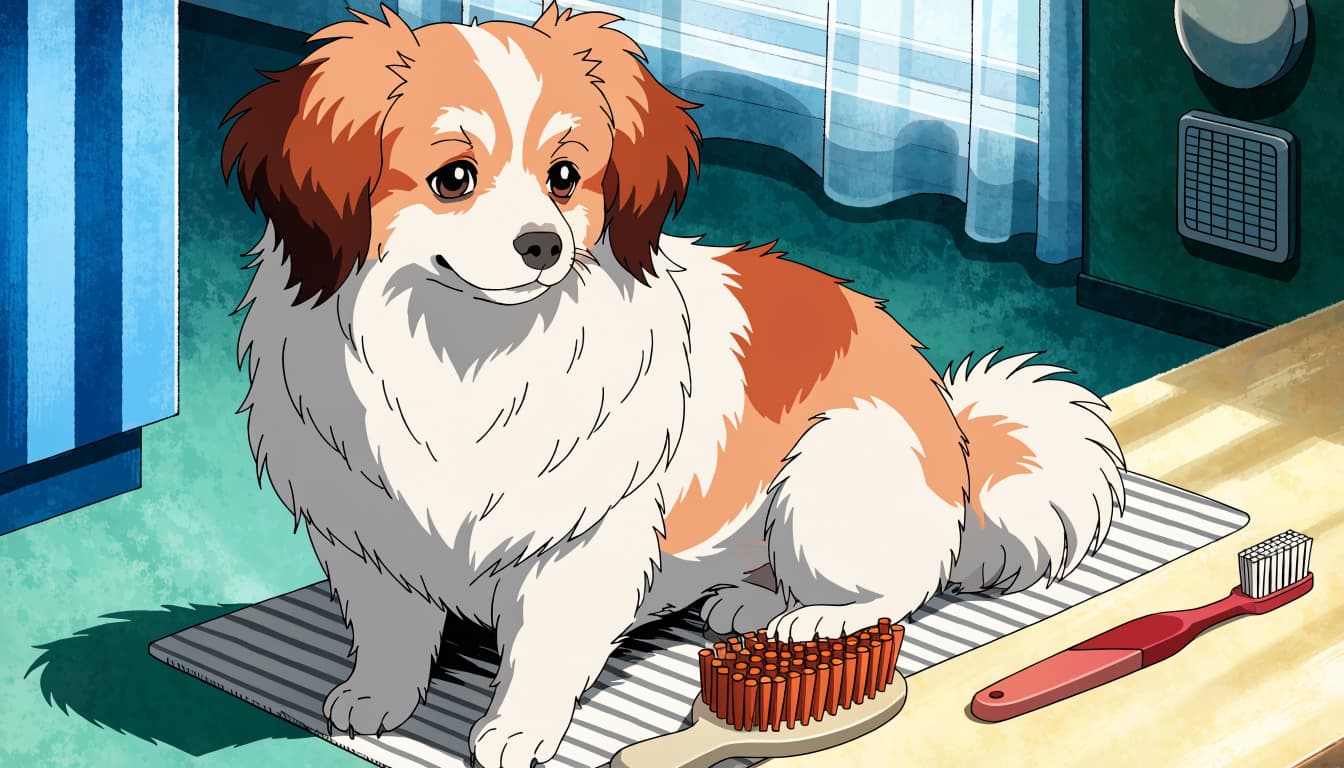
A dense or longer coat usually needs more frequent brushing than a short coat. Check for tangles behind the ears and where equipment rubs.
Brush teeth regularly with dog toothpaste, and include dental checks in veterinary visits. Chews don't replace brushing.
Measure meals and count treats toward daily intake. You should be able to feel the ribs without pressing hard; ask your veterinarian to assess body condition. Fluff can hide weight gain. Your dog's snack negotiations aren't nutritional evidence.
Back health and warning signs you should not ignore
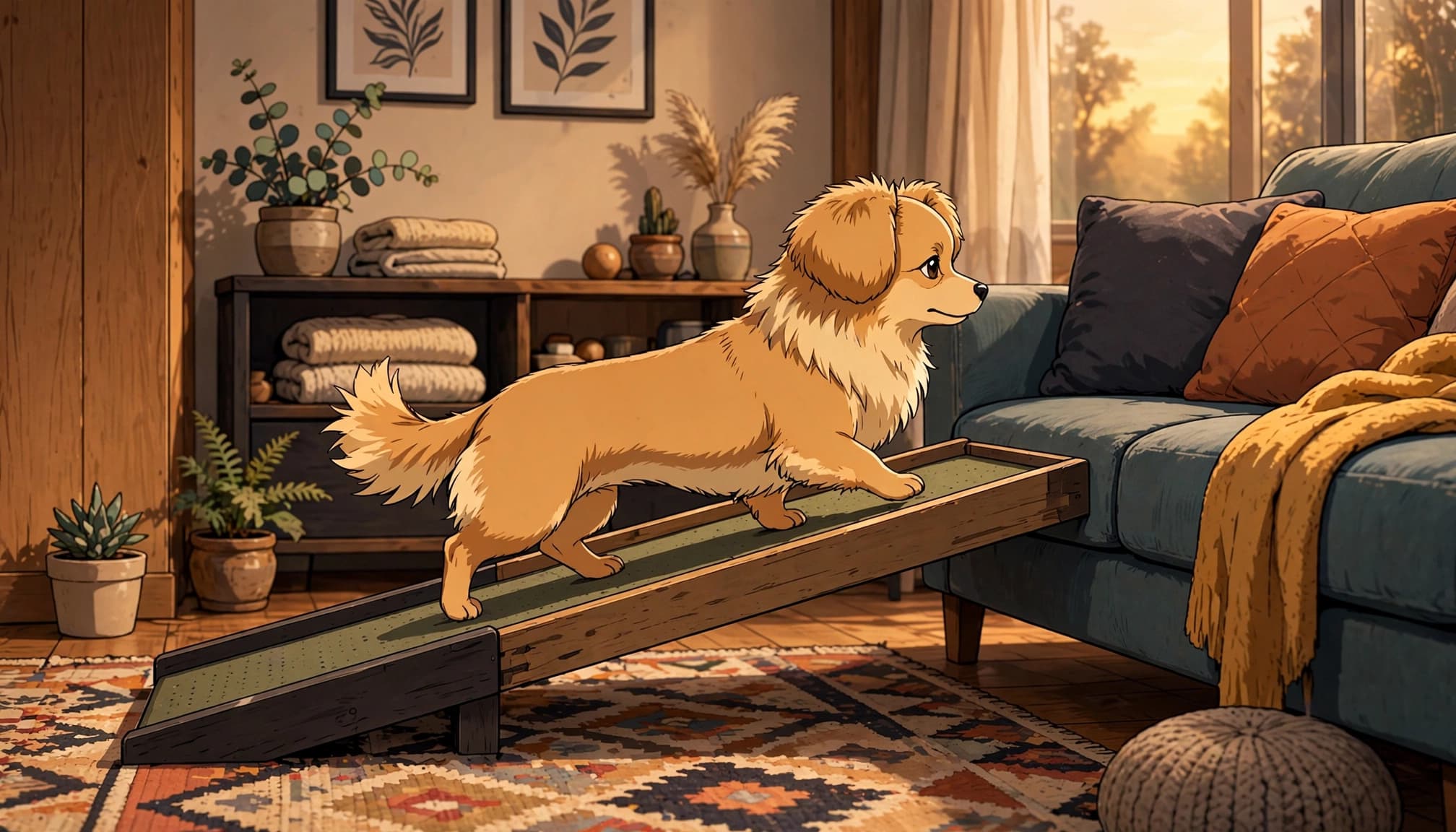
Cornell identifies Dachshunds among breeds commonly affected by IVDD. Concern is greatest when your mix inherits a long back and short legs, but that doesn't establish an individual risk percentage.
Limit repeated high-impact jumping. A stable, nonslip ramp can offer safer furniture access when appropriate, though it can't guarantee prevention.
Back pain and hind-limb weakness are possible IVDD signs. Reluctance to move or sudden walking difficulty needs prompt veterinary care. Inability to walk or dragging the hind legs are emergency warning signs. Don't wait overnight or give human pain medication.
Southeast Veterinary Neurology explains nonsurgical management below; your veterinarian determines the appropriate treatment.
Streetwear & Casual Styling
Once your dog's care routine is covered, your walking outfit can have some personality. The neighborhood sniff patrol doesn't require formalwear. It does require clothes you can move in.
Build your casual look around one of our Cyber-Brutalist Anime Graphic Tees. Pair bold anime artwork with relaxed cargos when you want an easy streetwear silhouette. The pockets are also useful for waste bags and training treats, which remain less glamorous than the graphic.
Dark-wash denim gives the same tee a cleaner, more fitted look. Add a light overshirt or streetwear jacket when temperatures drop, and keep the layer simple enough that the artwork stays visible.
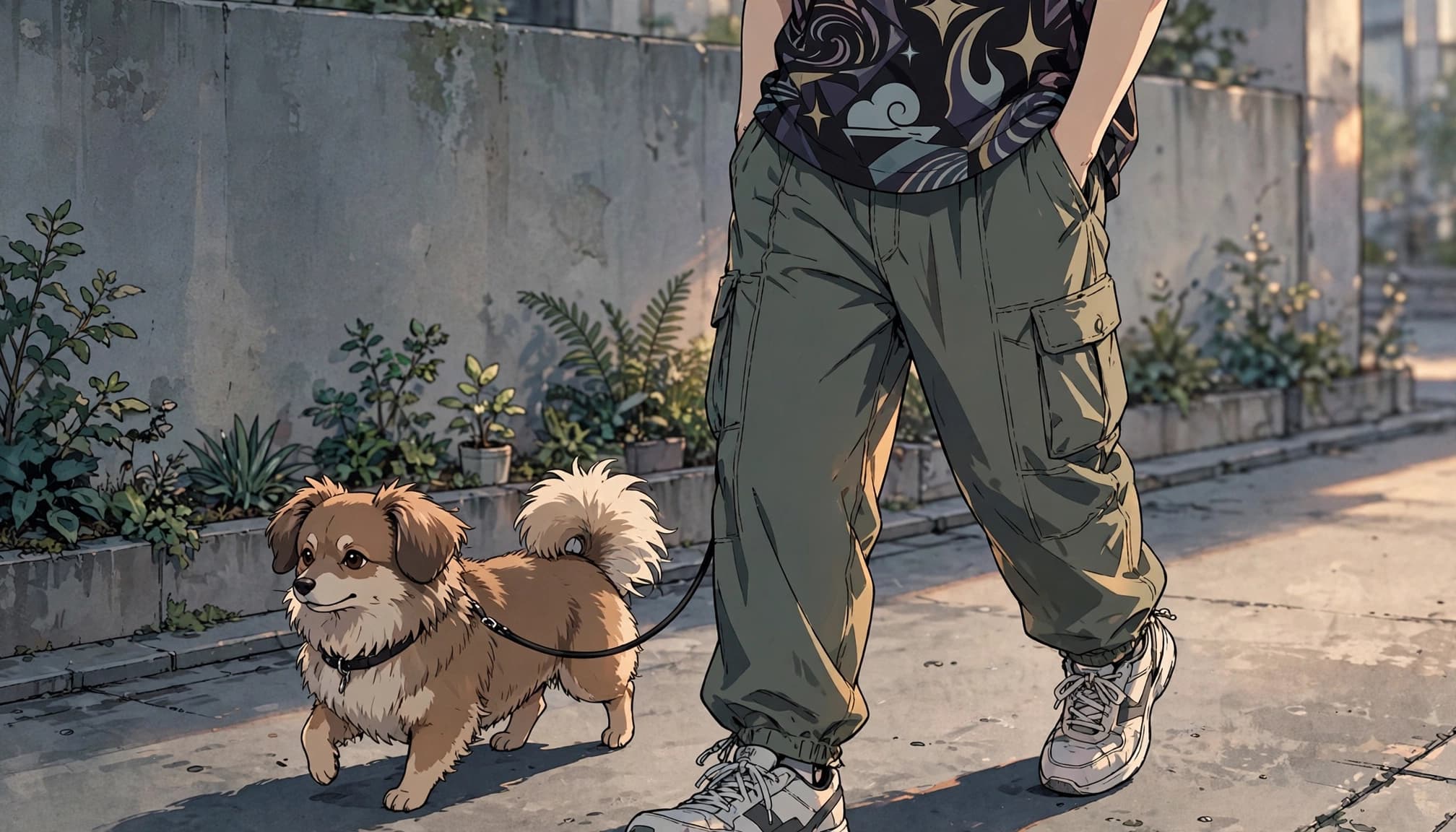
Choose footwear with dependable traction for your route. A short walk can still involve damp sidewalks, uneven ground, and an unexpected pause beside the most important shrub in the universe.
Keep any carried essentials accessible. You shouldn't need to unpack your entire outfit to reward a good response or clean up after your dog.
Your dog doesn't need matching clothing to complete the look. If you use a canine coat for weather protection, prioritize comfortable movement and fit. Your graphic tee can handle the fandom signaling while your dog's equipment handles the practical job.
Frequently Asked Questions
Is a Dameranian the same as a Pomeranian Dachshund mix?
Yes. Dameranian and Pom-Dach are informal names commonly used for the Pomeranian Dachshund cross, rather than standardized purebred names. You may see either name in adoption listings or breed profiles, but neither tells you exactly which traits the individual dog inherited.
How long does a Pomeranian Dachshund mix live?
Online profiles, including Dogster and Hepper, often estimate 12 to 16 years. There isn't a well-established lifespan measured across a formally recognized population of this mix, so treat that as an estimate rather than a countdown. Your dog's genetics, overall health, weight, and ongoing care all matter.
Is this mix a good fit for apartment living?
Apartment life can work, but your dog's behavior and needs matter more than its small footprint. Consider responses to hallway noise, comfort when left alone, and access to regular walks and toilet breaks. Training and environmental management help, but a small dog doesn't automatically come with a neighbor-approved mute button.
Will a Pomeranian Dachshund mix shed a lot?
Shedding depends on the coat your dog inherits. A short coat may need less brushing, but shorter hairs can still end up on furniture and clothing; a longer or denser coat may shed more and require frequent grooming. If shedding changes suddenly alongside bald patches, itching, or irritated skin, seek veterinary advice rather than treating it as ordinary coat maintenance.
Plan for Your Dog, Not the Mix Label
Your full-grown Pomeranian Dachshund mix can vary widely in size, coat, and temperament. The individual dog and its parent history give you a better guide than a generalized profile or an impossibly cute puppy picture.
Build your routine around healthy body condition, coat-appropriate grooming, regular tooth brushing, and veterinary support. For a long-backed dog, make low-impact movement and prompt attention to pain part of that routine.
You can enjoy the tiny companion energy without assuming tiny care needs. Pay attention to the dog you have, and let that dog set the plan.