

Heart Murmur in Cats: What It Means for Life Expectancy
TrendReactTees.STORE TeamA heart murmur alone can't tell you how long your cat will live. The outlook depends on what causes the sound and what your veterinarian finds during an exam and any follow-up tests. Some cats with murmurs have no structural heart disease, while others need care for a heart condition.
Ask your veterinarian what the finding means for your cat, and what testing or monitoring makes sense. On a separate, non-medical note, cat-themed apparel fans might like our Reassuring My Cat Good Boy Tee or Cat Mom Legend Tee.
This post may contain affiliate links. If you make a purchase through these links, I may earn a small commission at no extra cost to you.
Key Takeaways
- A murmur is a sound heard during an exam, not a diagnosis or a life-expectancy estimate.
- Some murmurs occur without heart disease, but a vet needs to assess the cause.
- Murmur loudness cannot confirm how severe a heart condition is.
- An echocardiogram can show heart structure and help clarify the diagnosis.
- Labored breathing or sudden trouble walking needs immediate veterinary care.
Heart Murmur in Cats Life Expectancy Depends on the Cause
A murmur happens when blood flow creates an extra sound as your veterinarian listens to your cat's heart. It describes what the vet hears, not what is causing it. That distinction matters: the same finding can have different explanations, and its presence alone cannot provide a reliable lifespan estimate.
The outlook depends on your cat's full diagnosis, heart findings, overall health, and whether symptoms or complications develop. Only your veterinarian can interpret those details for your cat. A murmur without confirmed heart disease and a murmur linked to cardiomyopathy are not the same prognosis.
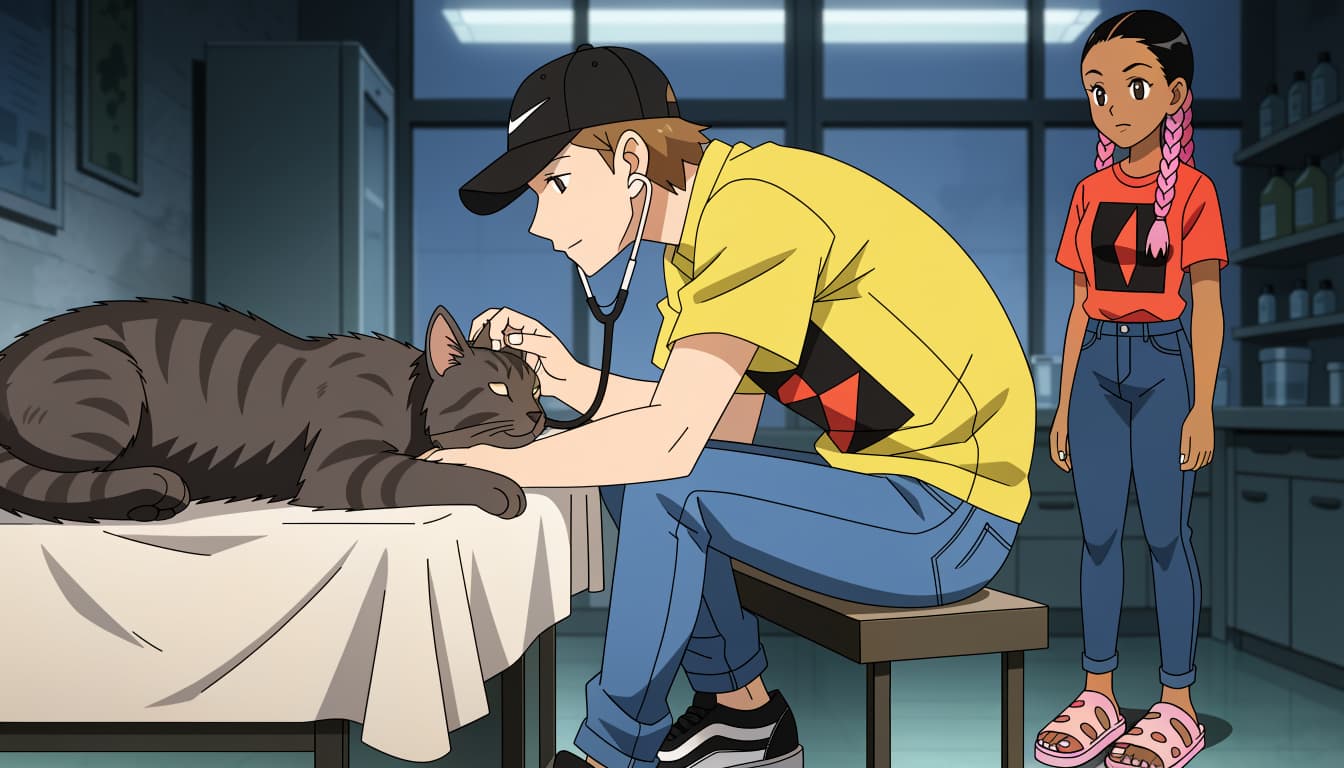
Some cats with a murmur live normal lives
Some murmurs are innocent or temporary, meaning testing does not find structural heart disease. Stress, a fast heart rate, fever, anemia, and other health conditions can affect blood flow or what your vet hears. A murmur can also be intermittent, so it may not sound the same at every visit.
That doesn't make a newly detected murmur an automatic shrug-and-move-on situation. Your vet needs to consider the exam and your cat's health before deciding whether it is harmless or needs more investigation.
Heart disease can bring a wide range of outcomes
Hypertrophic cardiomyopathy, or HCM, is the most common heart disease in cats. It thickens the heart muscle, but its course varies: some cats with HCM stay stable for years, while others develop complications such as congestive heart failure or a blood clot.
Cornell's overview of feline cardiomyopathy describes how heart disease can affect cats, while its information on HCM in cats notes that some cats without signs survive for years. Your cat's outlook depends on the diagnosis and test findings, not on the murmur sound by itself.
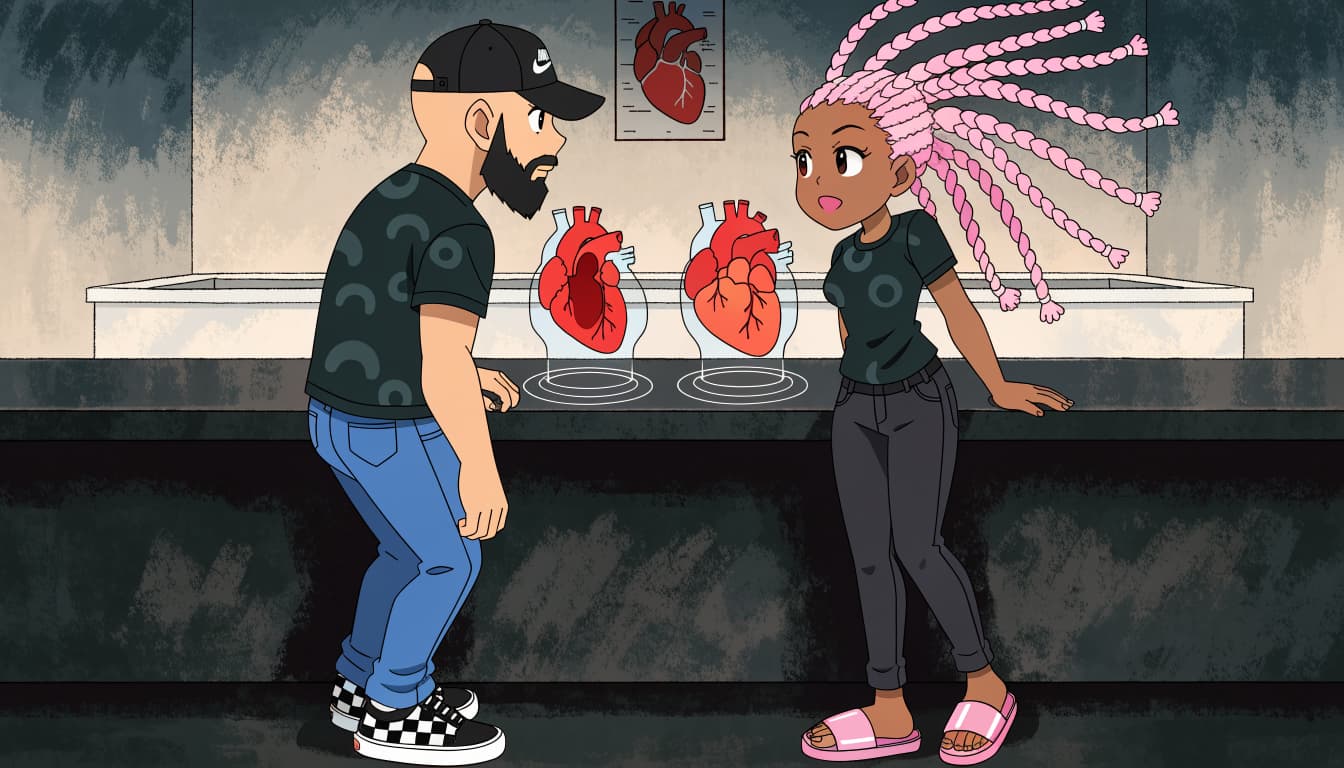
Why Murmur Loudness Cannot Predict Your Cat's Prognosis
Veterinarians grade murmurs by loudness on a scale from 1 to 6. That grade describes how noticeable the sound is through a stethoscope. It does not provide a dependable score for heart disease severity.
A low-grade murmur doesn't rule out a heart problem, and a loud murmur doesn't prove that severe disease is present. Some cats with cardiomyopathy have no audible murmur at all. Murmurs can also occur in cats that don't have HCM.
The sound may change between exams, too. Stress, heart rate, and other conditions can affect what your veterinarian hears. A change in grade alone doesn't prove that a heart condition has progressed or improved. Your vet has to interpret the sound alongside the exam and diagnostic results.
The important clue is the cause of the murmur, not its volume. Testing and clinical signs provide a clearer picture than loudness alone.
How Your Vet Finds the Cause of a Heart Murmur
Your vet considers more than the sound. The exam may include listening to the heart and lungs, checking your cat's heart rate and rhythm, assessing pulses and breathing, and looking for other signs of illness. Your cat's history and overall health help shape the next steps.
The test plan depends on the murmur, symptoms, and clinical context. Some cats may need an echocardiogram or blood tests. Other tests can help identify conditions that affect blood flow or guide care. The goal is to figure out whether the heart has a structural problem and what, if anything, needs attention.
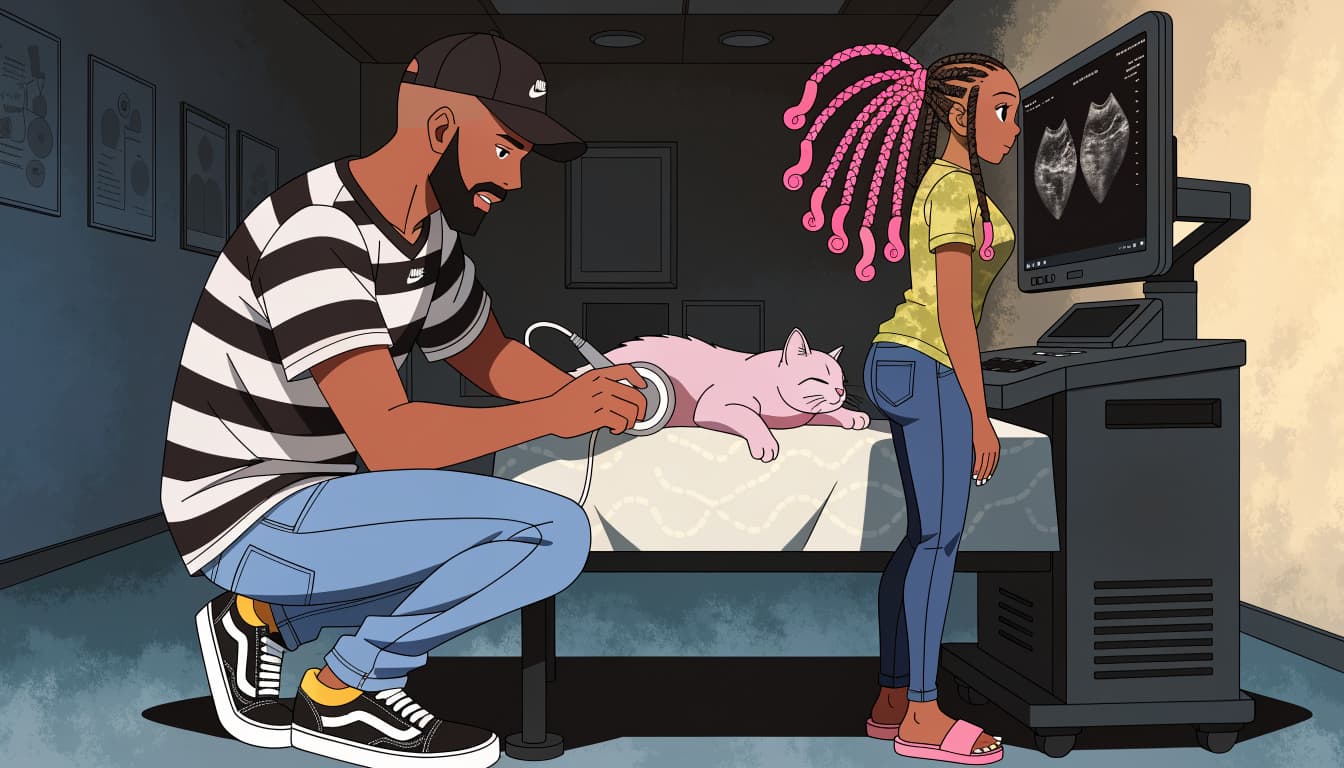
An echocardiogram shows the heart's structure
An echocardiogram is an ultrasound of the heart. It lets the veterinarian assess heart structure and function, including muscle-wall thickness and the size of the atria, the upper chambers of the heart. It is the key test for diagnosing and classifying cardiomyopathy.
A veterinary cardiologist or a veterinarian experienced with echocardiography may perform the scan. Cornell's guide to diagnosing heart disease describes the diagnostic process, including heart imaging.
Blood tests can support, but not replace, imaging
NT-proBNP is a blood test that can help assess the likelihood of significant heart disease. It can add useful information, but it cannot confirm or rule out every heart problem on its own. It also doesn't replace an echocardiogram when imaging is needed.
Your vet may recommend other blood tests to look for contributing conditions or help guide care. The results make sense only alongside the physical exam and your cat's symptoms.
Know the Emergency Signs That Need Immediate Veterinary Care
Get immediate veterinary care if your cat has labored, rapid, or open-mouth breathing, or suddenly struggles to breathe. Don't wait for a routine checkup or a scheduled cardiology appointment. Breathing difficulty can be a sign of congestive heart failure and needs urgent assessment.
Sudden weakness or paralysis, especially in the hind legs, or an inability to walk can signal a blood clot. This is also an emergency. Call a veterinary clinic or emergency hospital and follow their instructions for bringing your cat in. Don't try home treatment or wait to see whether the problem passes.

If your cat has a known murmur, mention it when you call. The clinic can use that information when preparing to assess your cat, but don't delay seeking care while gathering records.
Treatment and Follow-Up Depend on the Diagnosis
A murmur alone doesn't mean your cat needs heart medication. If testing does not find heart disease, your vet may recommend monitoring or addressing a noncardiac cause, such as a condition affecting blood flow. If your cat has cardiomyopathy, the plan depends on the specific findings and whether symptoms or complications are present.
Some cats without symptoms are monitored rather than treated with medication right away. Others may need care for confirmed heart disease or complications such as heart failure. There isn't one treatment plan that fits every cat with a murmur.
Follow the recheck schedule your veterinarian sets for your cat's diagnosis and test results. Let the clinic know if you notice new symptoms or changes in your cat's breathing, strength, or ability to walk. A murmur grade by itself isn't enough to judge how the condition is changing.
Streetwear & Casual Styling
Caring for a cat with a health concern is not a fashion choice, and a graphic tee has no connection to diagnosis or treatment. If you like cat humor and Cyber-Brutalist Anime Graphic Tees, keep the outfit easy: pair a graphic tee with jeans, sneakers, and a jacket for a casual everyday look.

Our Cat Needs Alone Time Sit In Dark Tee and Cats Virtual Life More Fulfilling Than Mine Tee bring cat-parent humor to the rotation.
Frequently Asked Questions
Can a cat have heart disease without showing symptoms?
Yes. Some cats with cardiomyopathy have no obvious signs for years, even though testing can reveal heart changes. That's why the exam and any recommended imaging matter more than how energetic your cat seems at home.
Does every cat with a murmur need an echocardiogram?
The next step depends on the cat's exam, symptoms, and overall health. An echocardiogram gives detailed information about heart structure, and your veterinarian can explain whether it is appropriate for your cat.
What should you ask your vet after a murmur is found?
Ask what causes your vet is considering, whether testing is recommended, and which findings affect your cat's outlook. It also helps to leave with a clear recheck plan and an understanding of which symptoms need urgent care.
Can a murmur change between veterinary visits?
Yes, the sound can vary or be intermittent. A different murmur grade on its own doesn't prove that disease has progressed, so your vet will interpret it alongside the exam and any test results.
A Murmur Is a Finding, Not a Life-Expectancy Estimate
A heart murmur alone can't tell you how long your cat will live. The cause, symptoms, and test findings give your veterinarian a clearer picture of what to expect and whether care is needed.
Ask your vet to explain the results and follow-up plan in plain terms. If your cat has breathing trouble or suddenly struggles to walk, seek urgent veterinary care.