

HHC vs CBD: Effects, Safety, and What to Check
HHC can cause a high, while CBD is generally non-intoxicating. That's the practical starting point for HHC vs CBD, even when product pages make both sound like interchangeable upgrades for your evening.
You deserve more than a neon label and a suspiciously confident comment section. The differences include effects, research, health risks, legality, and drug testing, and neither cannabinoid is right for everyone.
Before you trust a "chill" claim, separate what's established from what's still uncertain. Start with what these compounds are, then check the evidence and the rules that apply to you.
Key Takeaways
- HHC can cause intoxication; CBD generally doesn't produce the same high associated with THC.
- CBD has more research, but Epidiolex approval doesn't make retail CBD products proven treatments.
- HHC has limited human safety evidence, and both cannabinoids can raise health or medication concerns.
- HHC may trigger a positive cannabis screen; CBD product labels don't guarantee a negative result.
- Check current laws, batch-specific testing, and ingredients before trusting marketing claims.
HHC vs CBD: What's the Difference for You?
HHC means hexahydrocannabinol. CBD means cannabidiol. They're distinct cannabinoids, not different names for the same ingredient.
Your main practical distinction is intoxication. HHC can alter how you feel and function. CBD generally doesn't produce a THC-like high, although it can still cause unwanted effects.
How HHC and CBD are made and sold
Commercial HHC is commonly produced through chemical processing of other cannabinoids. CBD is commonly extracted from cannabis, including hemp. Manufacturing methods and quality controls matter alongside the ingredient's name.
You may encounter HHC in gummies or vape cartridges. CBD appears in prescription and nonprescription products, but those categories have different oversight.
Packaging doesn't establish purity, accurate amounts, or safety. Neither does "hemp-derived." According to the FDA's explanation of CBD in foods, CBD safety questions remain despite its presence in consumer products. Your bloodstream doesn't care how expensive the label looks.
What you may feel after using each one
HHC may produce intoxication, altered perception, or unwanted anxiety. Effects can differ with the product's contents, the amount consumed, your health, and other substances you use.
CBD generally doesn't cause that high. You might notice no clear effect, or you could experience drowsiness or other adverse effects.
You can't reliably predict either experience from online reviews. Someone else's "perfectly mellow" isn't a measurement of what will happen to you. Marketing words such as "balanced" and "gentle" also don't establish a safe dose or a medical benefit.
Compare the Effects, Evidence, and Health Risks
The evidence in HHC vs CBD is uneven. CBD has substantially more research, while HHC still has major gaps.
What research supports, and what remains uncertain
Epidiolex is an FDA-approved prescription medicine containing cannabidiol. It's approved for seizures associated with Lennox-Gastaut syndrome, Dravet syndrome, or tuberous sclerosis complex in patients aged one year and older.
That approval applies to a defined medicine, with prescribing information and medical oversight. It doesn't transfer to another product because both contain CBD.
The FDA's CBD consumer guidance distinguishes approved treatment from unapproved consumer products.
HHC lacks comparable human evidence. Germany's Federal Institute for Risk Assessment says reliable knowledge about human effects is limited. Long-term toxicity data are also lacking. You shouldn't read that uncertainty as evidence that HHC is harmless.
Side effects, medication concerns, and product quality
HHC may cause unwanted intoxication and other adverse effects. Limited research makes it harder to describe the full risk profile.
CBD can cause drowsiness, diarrhea, and liver injury. It can also change how medicines work, potentially increasing side effects or reducing effectiveness.
Retail labels and actual contents may disagree, especially without strong quality controls. Undeclared cannabinoids or contaminants add uncertainty that a tidy ingredient panel can't resolve.
If you take medication or want help with a health concern, speak with a clinician or pharmacist first. Include supplements and nonprescription medicines in that conversation. Your medication list deserves more attention than a seller's "natural" badge.
Plan for Impairment Before It Happens
If you use an intoxicating cannabinoid, don't drive or operate equipment afterward. HHC's uncertain effects make guesses about your own impairment especially unreliable.
CBD's generally non-intoxicating profile doesn't guarantee alertness, either. Drowsiness can matter when you're driving, working, or responsible for someone else's safety. Combining cannabinoids with alcohol or other sedating substances can add risk.
Feeling less high doesn't establish that you're safe to drive, and a drug-test result doesn't measure your driving ability.
Avoid treating delayed effects as proof that a product isn't working. Taking more before effects become clear can increase the chance of an unpleasant experience. There's no universal timing rule or dose recommendation that makes an unfamiliar HHC product predictable.
Keep cannabinoid products away from children and pets, preferably in locked storage. Candy-like packaging deserves extra attention. A recognizable snack shape doesn't communicate what the product contains.
If you develop severe symptoms, such as trouble breathing, loss of consciousness, or a seizure, seek emergency help. For a suspected exposure, contact Poison Control. Keep the package available so responders can review the stated ingredients. Medical staff need accurate information about what you took and when.
Check Legality, Drug Testing, and Product Labels Before You Buy
A checkout button isn't legal advice. State rules vary and can change, so check current requirements where you live or travel.
The DEA's May 2026 HHC scheduling rule separately lists HHC in Schedule I. Older "legal hemp" claims may be outdated.
The FDA's cannabis product rules distinguish medicines, foods, and supplements. FDA's position is that CBD can't lawfully be marketed as a dietary supplement or added to food.
Why HHC and some CBD products can affect a drug test
HHC isn't drug-test-safe. HHC or its metabolites may cross-react with cannabis screening tests, causing a positive result.
CBD itself isn't usually the target of a THC screen. However, you can't assume a CBD-labeled product is free of substances that affect testing.
Check your employer's policy if you're subject to screening. The CDC's workplace cannabis guidance separates testing concerns from impairment concerns. Neither a seller's promise nor feeling sober guarantees a negative screen.
How to judge a product label and lab report
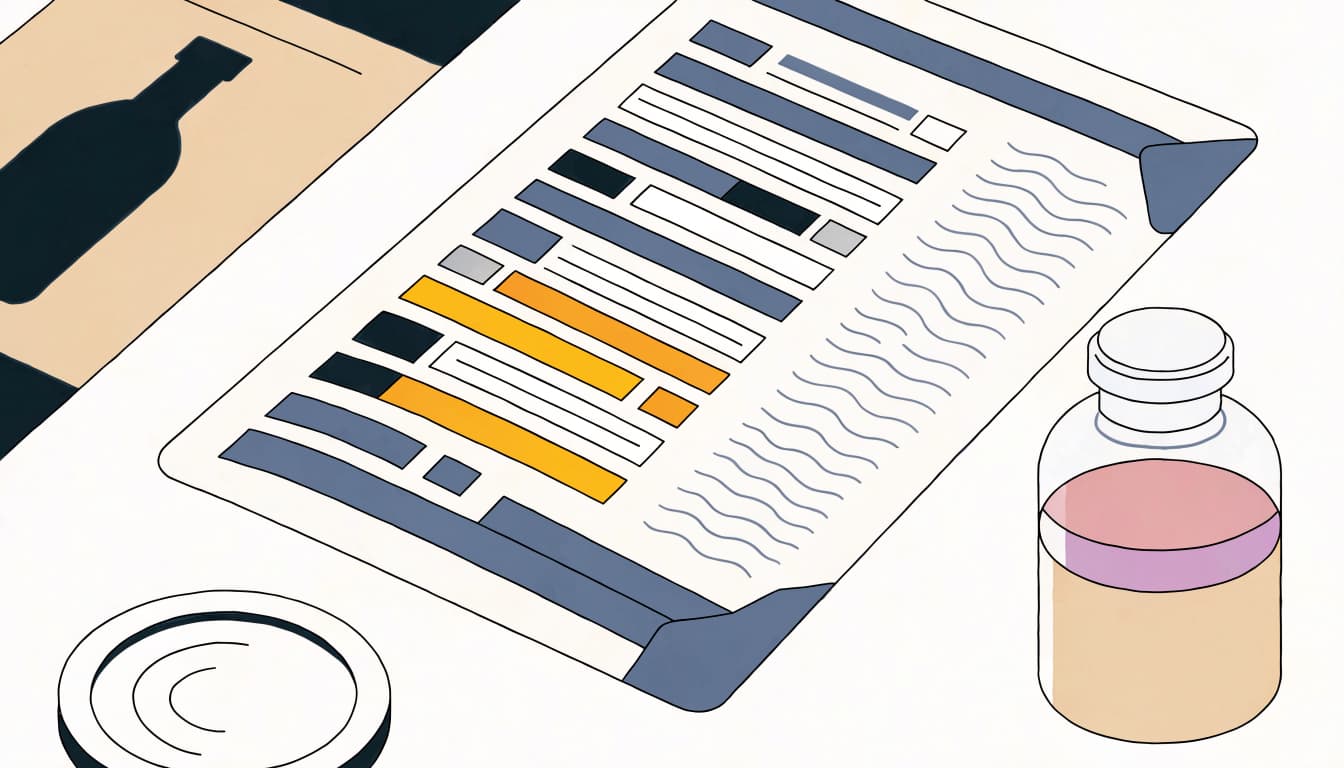
Check ingredients and cannabinoid amounts per serving and package. Look for independent laboratory results matching the exact batch, including the testing date.
The report should address contaminants, such as pesticides, heavy metals, and residual solvents, alongside cannabinoid content. A potency-only report leaves important questions unanswered.
A certificate of analysis has limits. It doesn't prove FDA approval, effectiveness, or freedom from risk. If the batch doesn't match, or the seller won't provide results, you don't have reliable verification.
Streetwear & Casual Styling
Your wardrobe can handle bold claims more safely than a product label. Keep this part about clothes.
Build your look around a Cyber-Brutalist Anime Graphic Tee, then give the artwork room to exist. Relaxed cargos add shape without competing with the print. Dark-wash denim keeps the outfit easy to repeat.
For layers, try an open overshirt or a short jacket that doesn't swallow the graphic. Keep accessories restrained if your tee already looks like a corrupted anime loading screen.
You can use these black-and-white tee outfit ideas for contrast and proportion. Let the shirt be the loudest thing you're wearing. Your pants don't need their own villain origin story.

Frequently Asked Questions
Does HHC get you high?
Yes, HHC can cause intoxication, but you can't assume a predictable experience. Product composition, the amount consumed, and individual differences affect what happens. Previous experience with THC doesn't establish that an unfamiliar HHC product will feel the same or be harmless.
Is CBD the same as THC?
No. CBD and THC are different cannabinoids, and CBD generally doesn't cause the same high as THC. When you evaluate a product, check every listed cannabinoid rather than assuming the largest name on the package describes everything inside. CBD branding alone doesn't establish THC content.
Is HHC stronger than CBD?
HHC vs CBD isn't a useful strength contest because the two don't produce equivalent effects. HHC can intoxicate; CBD generally doesn't. You also can't compare milligram amounts across the two as though they were interchangeable power levels. Higher numbers on the label don't answer whether a product is appropriate for you.
Can CBD or HHC help with anxiety or sleep?
You shouldn't expect a reliable benefit based on the cannabinoid name alone. Evidence varies by condition and product, and HHC research is limited. If anxiety or sleep problems are affecting your life, discuss them with a qualified health professional, especially if you take medication. Retail claims don't establish an effective treatment.
Make Your Choice Based on Evidence
When you compare HHC and CBD, keep intoxication and uncertainty separate. HHC can cause a high and has limited human safety research.
CBD is generally non-intoxicating, but it isn't risk-free. Most retail CBD products aren't FDA-approved medicines, and a familiar ingredient name doesn't erase medication concerns.
Before making a choice, check current laws, testing risks, and product quality. Bring health questions to a qualified professional. A confident product description shouldn't make the decision for you.