

Hip Enlargement Surgery: Options, Risks, and Recovery
You may want fuller-looking hips or a softer contour, without inheriting the internet's entire body-standard side quest. Searching for hip enlargement surgery can blur outer-hip contouring, hip-dip correction, and buttock enhancement into one misleading bucket.
Your starting point is an individualized plan, not a promise that your anatomy can match a filtered reference image. The meaningful questions concern fat transfer versus implants, procedure-specific risks, recovery support, and the surgeon's qualifications.
Start by getting clear about which area you want changed and what the proposed operation can realistically do.
Key Takeaways
- Hip contouring changes soft-tissue shape; it doesn't widen your pelvic bones or guarantee a particular silhouette.
- Fat transfer and implants require separate discussions about suitability, expected results, and procedure-specific risks.
- BBL safety findings concern buttock injections and shouldn't automatically become evidence about lateral hip procedures.
- Verify plastic surgery certification, medical licensure, facility standards, and arrangements for anesthesia and follow-up care.
- Get an individualized written quote, and give yourself room to consider alternatives without booking pressure.
What Hip Enlargement Surgery Can and Cannot Change
Hip enlargement surgery generally describes procedures intended to add volume or alter your outer hip contour. Ask your surgeon to identify the exact treatment area.
Hip-dip correction addresses an indentation along the outer hip. Lateral hip augmentation focuses on side contour. A Brazilian butt lift, or BBL, involves buttock augmentation using fat transfer. Those terms aren't interchangeable.
The proposed change concerns soft tissue, not pelvic bone width. You shouldn't expect surgery to reproduce someone else's proportions.
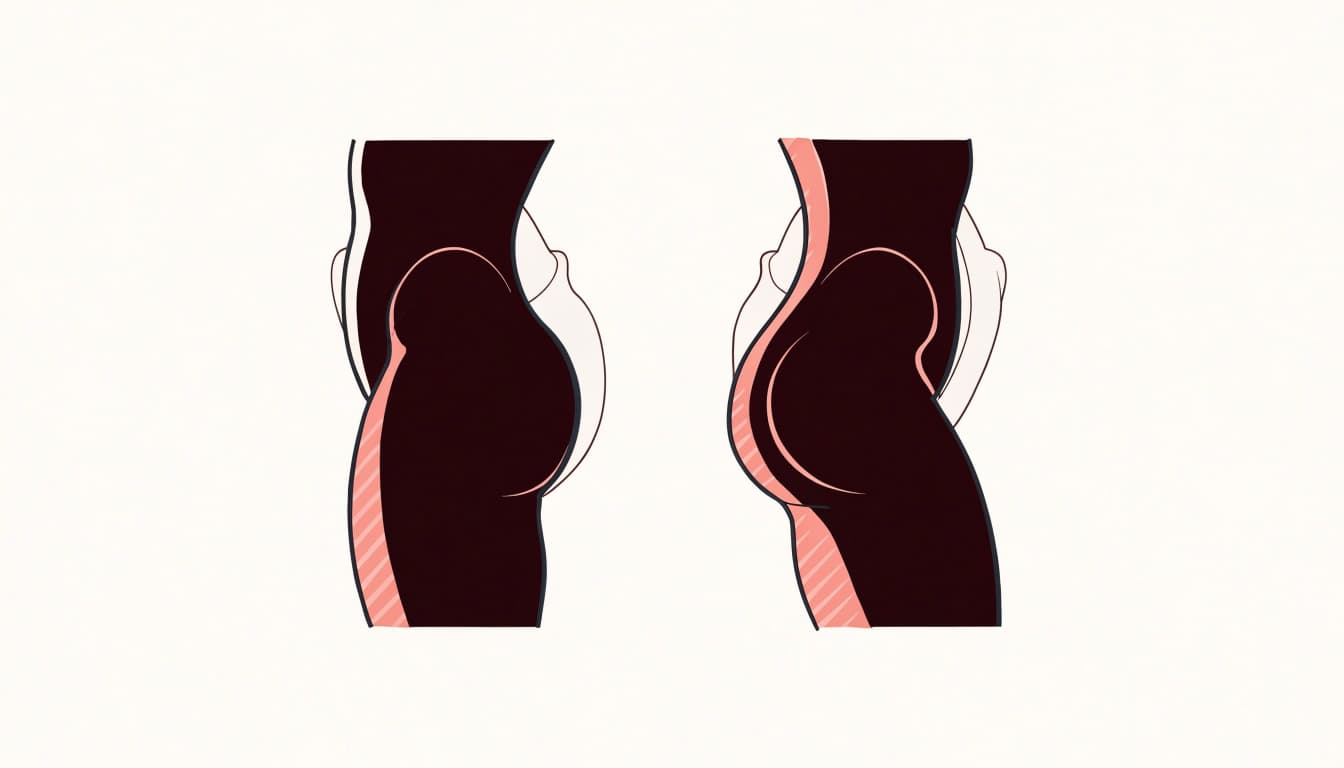
Fat Transfer Uses Your Own Fat to Add Volume
If you're considering fat transfer, ask how donor fat would be removed with liposuction, prepared, and placed in your intended treatment area. Have your surgeon explain which areas they'd treat and why.
Ask whether you have enough suitable donor fat and what contour change is realistic. You also need to discuss unpredictable results and possible additional treatment.
BBL safety guidance and gluteal ultrasound training research concern buttock treatment. They don't establish lateral-hip complication rates.

Hip Implants Offer a Different Approach
Implants are a separate option to discuss, rather than a substitute you automatically qualify for when donor fat is limited.
Ask whether the proposed device is designed for lateral hip contouring. Request information about its intended use, the surgeon's experience with that procedure, and the evidence supporting the plan.
Discuss distinct risks, expected results, alternatives, and circumstances that could require revision or removal. Don't borrow expectations from buttock implants or orthopedic hip replacements.
How to Assess Candidacy, Surgery, and Recovery
Your health, anatomy, goals, and exact operation affect your plan. A consultation should give you individualized medical advice, not a copy-pasted eligibility checklist.
Discuss Your Goals and Health Before Choosing a Procedure
Share your health history, medications, supplements, previous operations, and nicotine use. Include anything you suspect might be inconvenient to mention. Your surgeon needs an accurate picture.
Describe the change you want in plain language: more side volume, less indentation, or a different overall contour. Ask how much change is realistic for your anatomy.
If you're considering fat transfer, ask about donor-fat availability. Discuss whether another approach, postponing surgery, or choosing no procedure would fit your situation better.
You don't need to select an operation before the consultation. That's part of the discussion.

Ask What the Procedure and Recovery Involve
Ask about anesthesia, the operating facility, pain control, and follow-up visits. Find out who you can contact after hours and who handles complications.
Discuss activity restrictions, transportation, help at home, and when your surgeon expects you could return to work or exercise. Your job matters: desk work and lifting boxes aren't interchangeable recovery demands.
Request written instructions for your proposed procedure. Don't treat another patient's recovery vlog as your schedule.
Ask which symptoms require an urgent call or emergency care. Get emergency help for chest pain or trouble breathing. Follow your surgeon's instructions rather than improvising changes to medications, garments, or activity.
Understand the Risks and Check Your Surgeon's Credentials
All surgery carries risks. Ask about bleeding, infection, anesthesia complications, blood clots, uneven contours, and further surgery.
Gluteal fat grafting has a serious, well-described fat-embolism concern that can be fatal. Lateral hip procedures and implants need their own risk discussion.
Ask Specific Questions About Fat-Transfer Safety
For gluteal fat grafting, the ASPS joint safety statement supports placing fat only above the gluteal fascia, not in or beneath the muscle. It also supports real-time ultrasound to track the injection cannula's position.
Ask how your surgeon follows this guidance when buttock treatment is included. For lateral-hip-only treatment, ask which safeguards apply to that exact site.
Ultrasound adds information about cannula position during gluteal injection; it doesn't guarantee a complication-free operation.
Ask whether your surgeon holds privileges for the procedure at a hospital or state-approved or licensed ambulatory surgery center.

Verify Training, Licensing, and Facility Standards
Use the ABPS surgeon certification search to verify American Board of Plastic Surgery certification. A general "board-certified" claim doesn't confirm plastic surgery certification. Ask which board issued the credential.
Check current licensure and disciplinary history through the relevant state medical board. The FSMB consumer information explains physician licensure and disciplinary resources.
Confirm who provides anesthesia, where surgery happens, the facility's licensing or accreditation, and its emergency arrangements. Ask about experience with your exact proposed procedure.
A clinic's Instagram grid isn't a credential. Attractive photos can't replace these checks.
Compare Costs, Alternatives, and the Value of a Written Quote
The cost of hip enlargement surgery depends on your proposed procedure, location, surgeon, facility, and anesthesia. Liposuction, implants, and the extent of treatment can affect the quote.
A BBL price isn't a reliable stand-in for lateral hip surgery. Ask for an individualized written quote based on the operation you're considering.
The quote should identify surgeon and anesthesia fees, facility charges, any device costs, and included follow-up services. Ask whether medications, garments, testing, and extra appointments are separate.
Discuss what happens financially if you need additional treatment or revision. A quoted surgical fee doesn't automatically include every expense associated with an unsatisfactory result or complication.
Include practical costs in your decision, such as transportation, accommodation, time away from work, and help at home. Financing terms deserve the same attention as the headline price.
You can also choose non-surgical approaches. Clothing changes visual proportions, while strength training works on muscle development. Neither provides the same change as an operation or guarantees a particular hip shape.
Compare those options against your goals, not an online deadline. You can want a different contour and still decide that surgery's trade-offs don't suit you. A consultation should leave room for that answer.
Streetwear & Casual Styling
Your clothing can express your personality, but it can't change surgical results. Keep style choices separate from treatment instructions.
Once your surgeon says you can dress comfortably and resume normal activities, build around Cyber-Brutalist Anime Graphic Tees. Bold artwork already gives the outfit plenty to say. Your pants don't need a competing villain monologue.

Pair an oversized graphic tee with relaxed cargos for an easy streetwear silhouette. Dark-wash denim keeps the artwork central. An open overshirt adds a layer without covering the whole print.
For more visual ideas, explore glitch-inspired anime streetwear. Use the graphic tee fit guide to compare regular, boxy, and oversized shapes.
Choose proportions you enjoy wearing. Your outfit can carry fandom energy without becoming a before-and-after comparison project.
Frequently Asked Questions
How should you evaluate before-and-after photos?
Ask to see examples of the exact procedure you're considering, rather than a mixed gallery of body-contouring operations. Look for comparable angles, lighting, posture, and clothing, and ask when the postoperative images were taken. Photos can help you discuss preferences, but they don't predict your personal result.
What should you plan if you live far from the clinic?
Ask how long your surgeon wants you nearby, how follow-up appointments work, and who handles problems after you return home. Discuss travel arrangements before booking transportation. A remote message service doesn't replace an agreed plan for in-person assessment when you need one.
Do you have to let the clinic publish your photos?
Ask the clinic to explain its photography and consent policies before signing anything. Clarify which images belong in your medical record and which permissions cover advertising, social media, or educational use. If you don't want public images, state that preference and request a clear explanation of your options.
What if you feel pressured to book during your consultation?
You can leave without paying a deposit or scheduling surgery. Request the proposed plan, consent information, and quote in writing so you can review them without a countdown running. If questions about risks or alternatives get brushed aside, seek another qualified opinion before making a decision.
Choose a Plan You Understand Before You Commit
Fuller-looking hips are a personal preference, not an obligation handed down by your feed. Your decision should rest on the exact treatment area, realistic expectations, and a procedure-specific safety discussion.
Take the written plan home. Review the risks, recovery arrangements, credentials, and costs before committing.
You deserve clear answers and enough time to decide whether the proposed change is worth the trade-offs for you.