

How Long Does a Divorce Take in GA?
TrendReactTees.STORE TeamAn uncontested divorce in Georgia may be finalized a little more than a month after service, while a contested case can take months or longer. For a no-fault divorce, the 30-day waiting period is a legal minimum, not a promise that your final decree will arrive on day 30.
This timeline can affect when you make plans, so it helps to know which steps are within your control and which depend on the court.
This post may contain affiliate links. If you make a purchase through these links, I may earn a small commission at no extra cost to you.
For a casual outfit separate from court business, you could pair our Reading Total System Crash Tee or Updating Our Firmware Tee with jeans and sneakers. First, here's what to expect from the divorce process.
Key Takeaways
- A straightforward, agreed divorce may be finalized a little more than a month after your spouse is served.
- Georgia's 30-day no-fault waiting period is a minimum. Court review and scheduling can add time.
- Disputes over children, property, debts, or support can extend a case for months or longer.
- Filing accurate paperwork, arranging proper service, and gathering records can help you avoid preventable delays.
- Fulton County's procedures offer examples, but your county's requirements and calendar may differ.
How long does a divorce take in GA?
A Georgia divorce may take a little more than a month after service when both spouses agree, or several months or longer when issues are contested. Your filing, service, agreements, and court schedule all affect the finish date.

Why the 30-day waiting period is only a starting point
For a no-fault divorce based on an irretrievably broken marriage, the Georgia divorce waiting period begins after your spouse is served. Filing the complaint starts your case, but it doesn't start that particular countdown by itself.
After the minimum wait, your case still needs to satisfy the applicable court requirements. The judge must review the paperwork and issue a final decree. Depending on the circumstances, you may also need a hearing.
Think of 30 days as the earliest legal checkpoint, not a delivery date. If service takes two weeks after filing, those two weeks add to your total timeline.
What an uncontested and contested timeline can look like
An uncontested divorce generally means you and your spouse agree on the terms that need resolving. In a straightforward case, that agreement can put you on a path to a decree a little more than a month after service.
Fulton County guidance gives two conditional examples: an uncontested case may be granted 31 days after service when both parties give written consent to a hearing. Certain unanswered cases without children may be granted after 46 days. Those are local procedures, and neither is a statewide guarantee.
A contested case has more variables. If you disagree about parenting, money, or property, the process may take several months or even years.
What happens between filing and your final divorce decree
A divorce timeline has several stages before you reach the final decree. Generally, at least one spouse must have lived in Georgia for six months before filing, and the case is filed in Superior Court.

Filing, service, and the response period
Your first step is filing the required divorce paperwork with the Superior Court. The appropriate county depends on your circumstances, so the court's local instructions matter when you're preparing your case.
Your spouse must then receive proper legal notice, usually through service of the papers. If you can't locate your spouse or service isn't completed correctly, your timeline can stretch before the court reaches the substance of the case.
The responding spouse generally has 30 days after service to answer. That response period gives your spouse an opportunity to address the complaint. It doesn't mean the divorce automatically ends when those 30 days are up.
Keep copies of your filed documents and proof of service where you can find them. A clear record makes it easier to see which steps have been completed and what the court still needs.
Agreements, hearings, and the final decree
Once the case is underway, you and your spouse can resolve the terms by agreement or ask the court to decide disputed issues. Depending on the case, those issues may include custody, child support, property, debts, or alimony.
A written settlement can establish the terms you both accept, but the court still has to review the case. If you can't agree, you may need hearings, information exchange, or a trial before the remaining issues are resolved. The Georgia uncontested divorce guidance describes how agreement affects the process.
Your divorce is final when the court issues the final decree. An agreement between spouses, by itself, doesn't end the marriage.
What can make a Georgia divorce take longer
The calendar doesn't tell the whole story. A case can take longer because you need to resolve complicated questions, complete local requirements, or wait for an available court date.
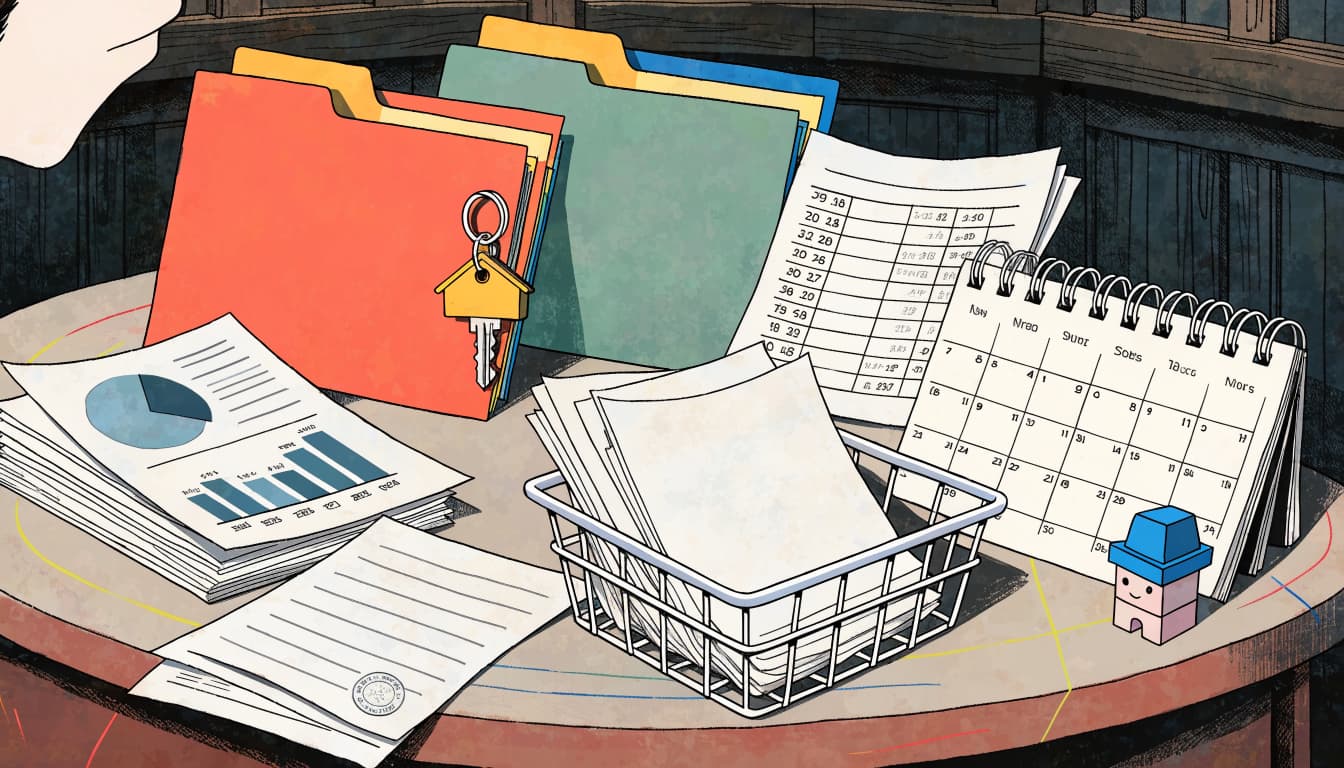
Disagreements over children, property, or support
If you and your spouse disagree about where your children will live or how parenting time will work, you may need more discussions or court involvement. Child support can also require financial details that take time to collect and review.
Property and debt division can raise separate questions. You might need account statements, loan balances, or information about a home before you can evaluate proposed terms. Alimony can add another issue to resolve.
Each disagreement has its own timeline. Some are settled through negotiation; others require formal information exchange, hearings, or trial. The number of issues matters, but so does how much information you need and whether an agreement is possible.
Paperwork problems and county court schedules
Incomplete forms, missing signatures, missed deadlines, and difficulty serving a spouse can all slow a case down. Even a small paperwork problem can mean another submission before your case is ready for review.
Cases involving children may have additional local requirements. For example, Fulton County requires parents in uncontested cases with minor children to attend its Families in Transition Seminar before finalization. Other counties can have different programs or procedures.
Court availability matters, too. If a hearing is required, the next opening may be later than the date you finish your paperwork. You can't control the court's calendar, but understanding your county's process helps you plan around it.
How you can avoid preventable delays
You can't prepare your way around Georgia's waiting period. You can, however, give your case a better chance of moving without avoidable paperwork detours.
Start with the instructions for the Superior Court handling your case. Forms and local steps can differ, especially when minor children are involved.

Prepare documents and meet every deadline
Gather your income information, account statements, debts, and other financial records early. If you have children, organize the information you'll need to discuss parenting arrangements and support.
Complete your forms carefully, arrange proper service, and keep track of filing and response deadlines. Save copies of what you submit, along with any notices or instructions you receive from the court.
If you and your spouse can reach an agreement, put the terms in writing rather than relying on a loose conversation. Make sure it addresses the issues relevant to your case. An agreement that leaves out an important question can send you back to the negotiating table.
Preparation won't control the judge's schedule. It can help you avoid losing time because a required document is missing or a deadline slipped past your calendar.
Know when to get legal help
A Georgia family-law attorney can help you understand the rules that apply to your circumstances. Legal advice may be useful when paperwork is unclear or you and your spouse disagree about the terms.
Consider getting advice early if your case involves complex property, retirement accounts, parenting disputes, or concerns about safety. You don't have to wait for a dispute to become a full-blown courtroom situation before asking questions.
Legal help doesn't guarantee a faster divorce. Its value is that you can make decisions with a clearer picture of your rights, obligations, and options. If safety is a concern, prioritize a plan that protects you rather than feeling pressured to reach an agreement quickly.
Streetwear & Casual Styling
Your legal timeline and your wardrobe are separate things. For an everyday outfit, though, you can build a look around our Cyber-Brutalist Anime Graphic Tees without giving the rest of your closet a complicated assignment.

Pair the Best Friend Share Single Brain Cell Tee with straight-leg jeans and clean sneakers. The Exchange Memes Instead Of Emotions Tee works with the same low-effort formula.
Add a simple chain or a cap, and let the graphic handle the personality. Your outfit gets its main-character moment without competing with five other accessories.
Frequently Asked Questions
Can you get divorced in Georgia in 30 days?
For a no-fault divorce, 30 days after service is the minimum waiting period before the court may grant the divorce. You shouldn't treat that as a guaranteed completion date. The final decree also depends on the required steps and the court's schedule.
When does the divorce waiting period start in Georgia?
The cited 30-day minimum begins after your spouse is served, rather than when you file the complaint. If service happens later, your total time from filing to final decree will be longer than the minimum wait.
How long can a contested divorce take in Georgia?
A contested divorce can take several months or even years. Your timeline depends on the issues in dispute, the steps needed to resolve them, and the court's calendar.
Do both spouses have to agree for a divorce to be finalized?
Your spouse's disagreement doesn't automatically prevent a divorce. If you can't agree on the terms, the court may need to resolve the outstanding issues, which can add time.
Do you have to live in Georgia before filing for divorce?
Generally, at least one spouse must have lived in Georgia for six months before filing. Where you file also depends on the rules that apply to your circumstances.
Your Georgia Divorce Timeline Depends on the Case
A straightforward, agreed divorce may be finalized a little more than a month after service. A contested case can take much longer, especially when you need the court to resolve disputed terms.
The 30-day minimum is a starting point, not a finish-line guarantee. Your county's procedures and your circumstances both shape the timeline.
For a case-specific estimate, review your Superior Court's instructions or speak with a Georgia family-law attorney.