

How Long Does a Root Canal Take? A Realistic Timeline
A routine root canal often takes 60 to 90 minutes. Some appointments take one to two hours or longer, especially when a molar, infection, or difficult canal anatomy enters the boss battle.
If you're wondering how long does a root canal take, the full answer also includes whether treatment finishes in one visit or needs follow-up appointments. You'll be numb with local anesthesia during the procedure, and most people find the reality far less dramatic than the internet horror lore suggests. Here's what changes the schedule, what recovery usually feels like, and when you should call your dentist.
Key Takeaways
- Most routine root canal appointments last about 60 to 90 minutes.
- Molars and complex infections may take one to two hours or require multiple visits.
- Local anesthesia should prevent sharp pain during treatment.
- Mild soreness after treatment is common and usually improves within several days.
- Finish the permanent crown or filling as directed, and call for severe or worsening symptoms.
How Long Does a Root Canal Take From Start to Finish?
The dental work itself often takes 60 to 90 minutes. A simple front tooth can sometimes take less time, while a molar may take 90 minutes to two hours because it can have several canals to treat.
That chair-time estimate isn't the entire timeline. Your appointment may include an exam, X-rays, numbing, the procedure itself, bite adjustments, and instructions for the days ahead. If your tooth needs a crown, that restoration may happen at a later visit.
The American Association of Endodontists notes that root canal care often takes one or two appointments. Your dentist or endodontist will give the closest estimate after seeing the tooth on X-rays. Teeth have a rude habit of hiding narrow curves and extra canals like they're running a secret side quest.
What Happens During the Appointment
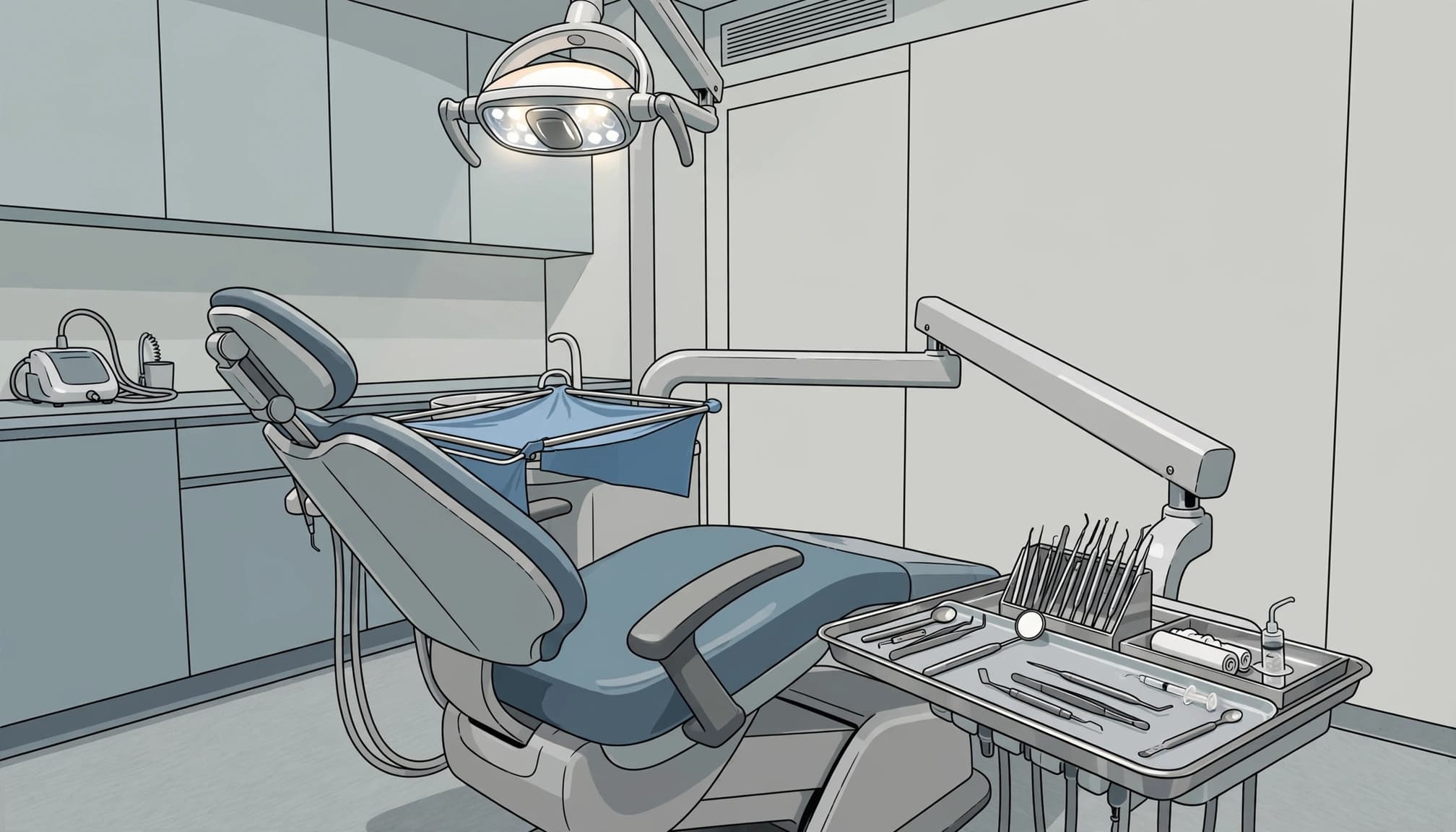
First, your dentist examines the tooth and takes X-rays. Local anesthesia numbs the tooth and surrounding area, then a dental dam isolates the tooth. It may look a little sci-fi, but its job is simple: keep the area clean and dry.
The dentist makes a small opening, removes the infected or inflamed pulp, and cleans and shapes each canal. The canals are then filled and sealed. Your bite gets checked before you leave, because nobody wants a tooth that lands first every time you close your mouth.
Preparation and numbing add time, even though cleaning the canals is the main event. If a permanent restoration isn't placed that day, you may leave with a temporary filling until your next appointment.
Can You Finish a Root Canal in One Visit?
Many routine cases can be completed in one visit. Others need two or more appointments, and that doesn't mean your tooth has entered its villain arc.
Multiple visits may be needed when infection is significant, drainage is present, canals are difficult to reach, or medication needs to sit inside the tooth between appointments. Your provider may also need more time than the schedule allows that day.
The decision comes down to your tooth's condition, not a preference for making you come back. A second visit can be a careful, normal part of treatment.
What Can Make Your Root Canal Take Longer?
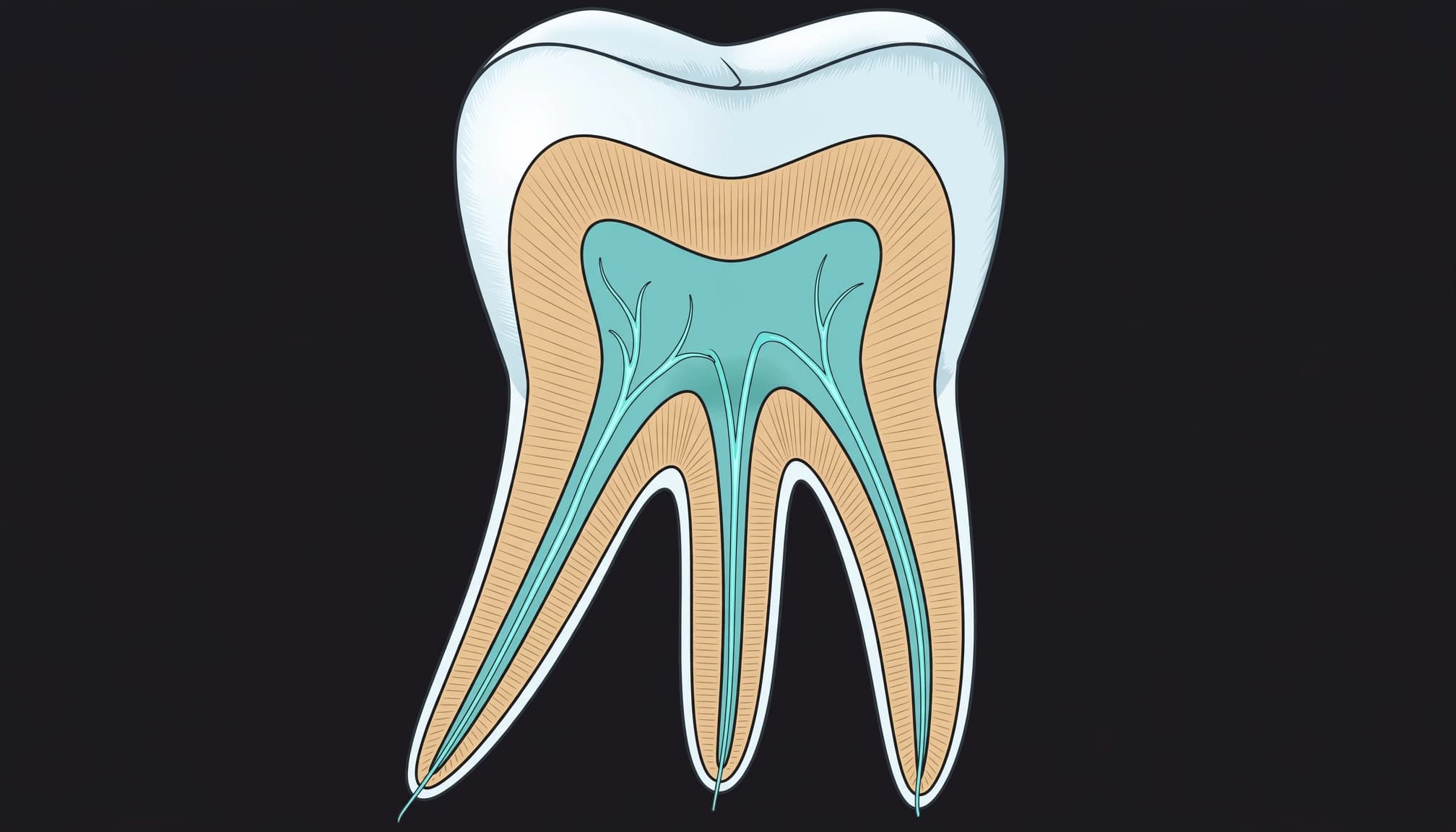
The biggest time variable is the tooth itself. Front teeth are easier to reach and often have one main canal. Premolars and molars can have several narrow canals, some of them curved or partly blocked.
Old crowns, large fillings, cracks, and previous root canal treatment can make access more complicated. Retreatment may involve removing old filling material before the canals can be cleaned again. A serious infection or abscess may also require drainage or medication between visits.
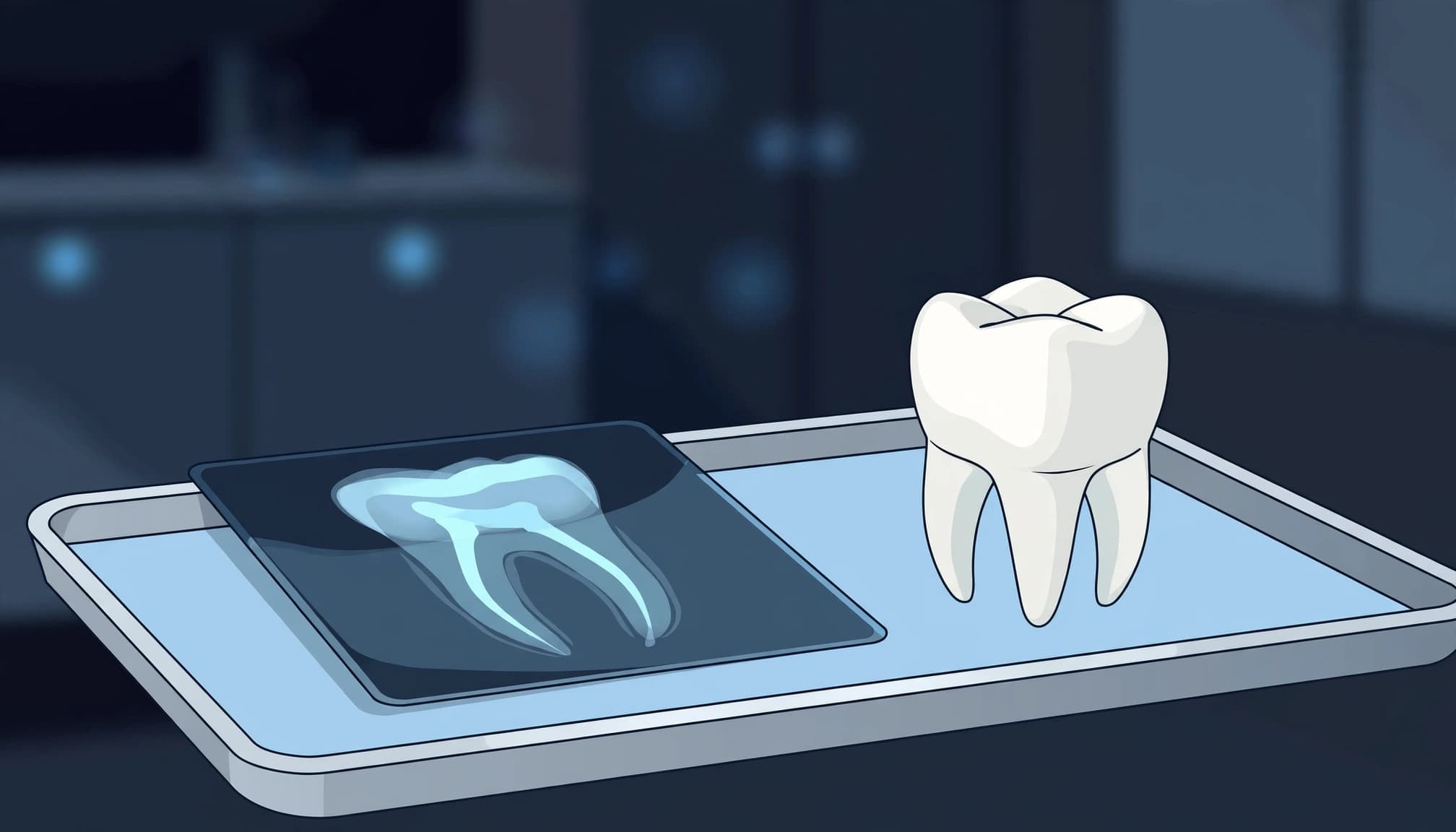
If the anatomy is tough, your dentist may refer you to an endodontist. These specialists focus on the inside of teeth and use tools designed for canals that refuse to behave. That referral is about giving the tooth the best shot, not bad news.
Why Molars Usually Need More Time
Back teeth do the heavy chewing, but they also make treatment more involved. They can have three or four canals, and every canal has to be located, cleaned, shaped, and sealed.
A simple front tooth may take about 30 to 60 minutes. A molar commonly takes 90 minutes to two hours, sometimes across more than one appointment. Those are general ranges, not a stopwatch promise.
Molars are farther back, harder to access, and often have more complicated roots. Your dentist is working around anatomy, not speedrunning a dental procedure.
Why Infection and Retreatment Change the Plan
An infection can make a tooth sore before treatment and tender afterward. If there is swelling, drainage, or extensive inflammation, your provider may clean the canals, place medication, and seal the tooth temporarily before finishing it later.
Retreatment is different from a first root canal. The provider may need to work through an existing crown or filling and remove prior canal material. More steps mean more time, but saving your natural tooth is usually worth a longer appointment.
What to Expect After a Root Canal and During Recovery
Your mouth may stay numb for two to four hours. Wait until that numbness fades before eating, unless accidentally biting your lip sounds like a side quest you need today.
Once the anesthetic wears off, mild soreness or sensitivity when biting is common. Most discomfort improves within a few days and often within a week. A tooth that had a serious infection can stay tender for up to a couple of weeks.
Cleveland Clinic's root canal recovery guidance also notes that a permanent crown may be part of treatment. Follow your dentist's medication instructions, and don't use the treated tooth to attack hard candy, ice, popcorn kernels, or other tiny chaos objects.

Protect a Temporary Filling
A temporary filling is not built for long-term chewing. Avoid hard, sticky, or crunchy foods on that side until the permanent filling or crown is placed.
Keep brushing and flossing gently. If the temporary filling feels loose, breaks, or falls out, contact the dental office promptly. Leaving the tooth unprotected gives bacteria an open invite, and bacteria do not need more confidence.
When Pain or Swelling Means You Should Call Your Dentist
Call your dental office if you have severe pain, increasing swelling, fever, drainage, a bad taste in your mouth, or pain when biting that isn't improving. Pain lasting longer than about a week should also be checked, especially if it gets worse instead of better.
A loose or lost temporary filling is another reason to call. Normal soreness should gradually fade, not level up every day.
Facial swelling, trouble breathing, or trouble swallowing needs urgent medical attention.
You don't need to panic over mild tenderness. You do need to speak up when symptoms are severe, spreading, or moving in the wrong direction.
How to Prepare for a Faster, Smoother Root Canal Visit
Preparation won't turn a complicated molar into a 20-minute speedrun. It can help your dental team plan safely and avoid preventable delays.
Tell the office about medical conditions, allergies, medications, pregnancy status, and past dental issues. Ask whether you should eat a normal meal beforehand. Usually you can, unless the office gives different instructions or you're having sedation.

Arrive early, bring any requested information, and plan for several hours of numbness afterward. Before treatment, ask how many visits are expected, how long each one may take, whether you will need a crown, and who to call if pain gets worse.
Mayo Clinic's overview of root canal treatment explains the usual sequence of removing diseased pulp and restoring the tooth. The final restoration is not optional background DLC. It protects the treated tooth after the canal work is complete.
Frequently Asked Questions
Is a root canal painful?
Local anesthesia should numb the tooth and nearby tissue. During treatment, you may feel pressure and vibration, but you shouldn't feel sharp pain.
The tooth can feel sore afterward, especially when you bite. Your dentist can tell you which pain-relief options are appropriate for you.
How long should you wait before eating after a root canal?
Wait until the numbness is gone before eating. That helps you avoid biting your cheek, tongue, or lip while your mouth is still offline.
Choose softer foods at first, and avoid chewing hard or sticky foods on the treated tooth. Be extra careful if you have a temporary filling.
Do you always need a crown after a root canal?
No. Back teeth often need crowns because they handle heavy chewing and may be more likely to crack after treatment. Front teeth may sometimes be restored with a filling instead.
Your dentist decides based on the tooth's location and how much healthy structure remains. The goal is to protect the tooth, not collect unnecessary upgrades.
Can you drive home after a root canal?
You can often drive home after a routine root canal done with local anesthesia. Your mouth may feel numb, but local anesthetic alone usually doesn't affect your ability to drive.
Sedation changes the plan. If you're receiving sedation, arrange a ride and follow every recovery instruction from the dental office.
A Root Canal Is Usually One Manageable Appointment
For many people, a root canal takes 60 to 90 minutes. Molars, infections, retreatment, and difficult canal anatomy can push that to one or two hours or require more than one visit.
The treatment removes damaged tissue while preserving your natural tooth. Finish the permanent filling or crown as directed, and contact your dental office if pain or swelling becomes severe or worsens instead of settling down.